Produktbeschreibung
Steuerketten-Rollenantriebskette für Automobilmotoren
|
Material |
Kohlenstoffstahl 40Mn |
|
Standard |
ANSI DIN ISO |
|
Grad |
Standard |
|
Marke |
EVER-POWER |
|
Tonhöhe |
15,875 mm |
|
Gebraucht |
Universal-Industriemaschinen/Landwirtschaftsmaschinen |
Verwandte Produkte
Unternehmen
| Verwendung: | Antriebskette, Schleppkette, Förderkette, Spezialkette |
|---|---|
| Material: | Eisen |
| Oberflächenbehandlung: | Ölblüte |
| Besonderheit: | Ölbeständig |
| Kettengröße: | 1/2" * 3/32" |
| Struktur: | Rollenkette |
| Proben: |
US$ 9999/Stück
1 Stück (Mindestbestellmenge) | |
|---|
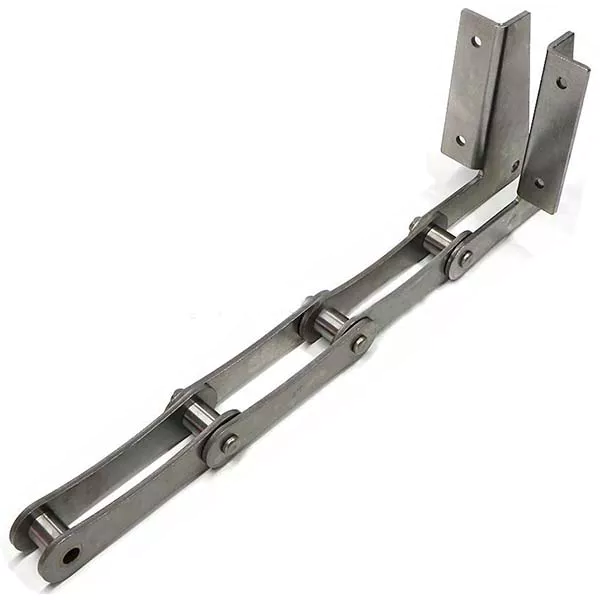
Wie beeinflusst die Konstruktion einer Antriebskette deren Effizienz und Leistung?
Die Konstruktion einer Antriebskette spielt eine entscheidende Rolle für ihre Effizienz und Leistungsfähigkeit. Hier eine detaillierte Erklärung:
Die Effizienz und Leistungsfähigkeit einer Antriebskette werden von mehreren Konstruktionsfaktoren beeinflusst, die während ihrer Entwicklung sorgfältig berücksichtigt werden:
- Kettenteilung und -größe: Teilung und Größe der Kettenglieder beeinflussen die Tragfähigkeit, den Wirkungsgrad und die Gesamtleistung der Antriebskette. Ein optimales Verhältnis zwischen Kettengröße und -festigkeit ist entscheidend für eine optimale Kraftübertragung bei gleichzeitiger Minimierung von Reibung und Energieverlusten.
- Walzenkonstruktion: Form und Abmessungen der Kettenrollen beeinflussen deren Effizienz und Leistung. Gut gestaltete Rollen reduzieren Reibung und Verschleiß, indem sie eine gleichmäßige Abrollbewegung zwischen Kette und Kettenradzähnen fördern. Sie tragen außerdem zu einer verbesserten Kraftübertragung und einem geringeren Geräuschpegel bei.
- Platten- und Stiftdesign: Form und Material der Kettenlaschen und -bolzen beeinflussen Festigkeit, Haltbarkeit und Flexibilität. Optimal konstruierte Laschen und Bolzen gewährleisten zuverlässige Kraftübertragung, Verschleißfestigkeit und die Fähigkeit, Stoßbelastungen und wechselnde Drehmomente aufzunehmen.
- Kettenradprofil und Zahnform: Die Konstruktion der Kettenräder ist entscheidend für eine effiziente Kraftübertragung. Kettenräder mit präzise gefertigten Zähnen und geeigneten Profilen minimieren die Reibung, gewährleisten einen optimalen Eingriff in die Kette und ermöglichen einen reibungslosen Kettenlauf. Gut konstruierte Kettenräder reduzieren Verschleiß, Geräusche und Energieverluste.
- Schmiereigenschaften: Antriebsketten verfügen häufig über Schmiervorrichtungen wie Ölbohrungen oder -nuten, um eine optimale Schmierstoffverteilung entlang der beweglichen Kettenteile zu gewährleisten. Gut durchdachte Schmiervorrichtungen sorgen für effektive Schmierung, reduzieren Reibung, beugen Verschleiß vor und verbessern die Gesamteffizienz und Lebensdauer der Kette.
- Materialauswahl: Die Wahl der Werkstoffe für die Kettenkomponenten, wie Rollen, Laschen, Bolzen und Buchsen, hat maßgeblichen Einfluss auf deren Effizienz und Leistungsfähigkeit. Die ausgewählten Werkstoffe müssen über ausreichende Festigkeit, Verschleißfestigkeit und Dauerfestigkeit verfügen, um den Betriebsbedingungen und Anforderungen der Anwendung standzuhalten.
- Spann- und Einstellmechanismen: Antriebskettenkonstruktionen umfassen häufig Mechanismen zum Spannen und Einstellen der Kettenspannung. Richtig ausgelegte Spannsysteme gewährleisten eine optimale Kettenspannung während des gesamten Betriebs, fördern eine effiziente Kraftübertragung, reduzieren Kettenschwingungen und verlängern die Lebensdauer der Kette.
Eine gut konstruierte Antriebskette minimiert Energieverluste durch Reibung, reduziert den Verschleiß und optimiert die Kraftübertragungseffizienz. Sie sorgt für einen reibungslosen und zuverlässigen Betrieb, senkt den Geräuschpegel und trägt zur Gesamtleistung und Langlebigkeit des Kraftübertragungssystems bei.
Es ist wichtig zu beachten, dass die Konstruktion von Antriebsketten die spezifischen Anforderungen und Einschränkungen der jeweiligen Anwendung berücksichtigen muss, darunter Belastbarkeit, Drehzahl, Umgebungsbedingungen und Wartungsaufwand. Regelmäßige Inspektion, Schmierung und korrekte Kettenspannung sind unerlässlich, um die Effizienz und Leistungsfähigkeit der Antriebskette langfristig zu erhalten.
Durch die Einbeziehung effizienter Konstruktionsprinzipien und die Berücksichtigung der verschiedenen Faktoren, die die Leistung beeinflussen, können Hersteller Antriebsketten produzieren, die einen hohen Wirkungsgrad, eine zuverlässige Kraftübertragung, eine lange Lebensdauer und eine optimale Leistung in ihren vorgesehenen Anwendungen bieten.
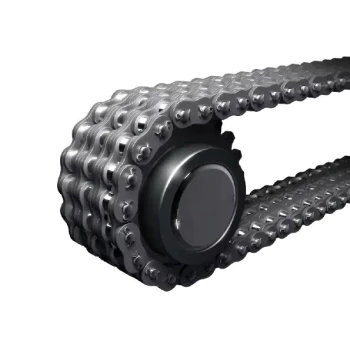
Kann eine Antriebskette in der Textil- oder Bekleidungsherstellung eingesetzt werden?
Ja, Antriebsketten können in verschiedenen Anwendungen der Textil- und Bekleidungsherstellung eingesetzt werden. Hier eine detaillierte Erklärung:
In der Textil- und Bekleidungsherstellung sind Maschinen und Anlagen für Prozesse wie Spinnen, Weben, Stricken, Färben, Bedrucken und Konfektionieren unerlässlich. Antriebsketten bieten in diesen Anwendungen mehrere Vorteile:
- Präzise Kraftübertragung: Antriebsketten gewährleisten eine präzise Kraftübertragung und somit die genaue Bewegung und Synchronisierung der Maschinenkomponenten in der Textil- und Bekleidungsherstellung. Sie ermöglichen einen gleichmäßigen und zuverlässigen Betrieb während des gesamten Fertigungsprozesses.
- Hohe Belastbarkeit: Maschinen in der Textil- und Bekleidungsherstellung erfordern häufig den Umgang mit schweren Lasten, wie beispielsweise Stoff- oder Garnrollen. Antriebsketten zeichnen sich durch eine hohe Tragfähigkeit aus und eignen sich daher für Förder-, Hebe- und Antriebsmechanismen in der Materialhandhabung.
- Reibungsloser und zuverlässiger Betrieb: Antriebsketten gewährleisten einen reibungslosen und zuverlässigen Betrieb und minimieren das Risiko von plötzlichen Stopps oder ruckartigen Bewegungen, die die Qualität der Textil- oder Bekleidungsproduktion beeinträchtigen könnten. Sie sorgen für eine gleichmäßige Bewegung und präzise Steuerung der Maschinenkomponenten.
- Anpassungsoptionen: Antriebsketten lassen sich individuell an spezifische Anwendungen in der Textil- und Bekleidungsherstellung anpassen. Sie sind in verschiedenen Größen, Teilungen und Materialien erhältlich, um unterschiedlichen Belastungen, Geschwindigkeiten und Umgebungsbedingungen gerecht zu werden.
- Kompatibilität mit Zusatzkomponenten: Antriebsketten lassen sich problemlos mit Hilfskomponenten integrieren, die in Textil- und Bekleidungsmaschinen üblicherweise verwendet werden, wie z. B. Spannvorrichtungen, Führungen, Kettenräder und Lager. Dies ermöglicht eine effiziente und zuverlässige Kraftübertragung im gesamten System.
- Kosteneffizienz: Antriebsketten bieten eine kostengünstige Lösung für die Kraftübertragung in der Textil- und Bekleidungsindustrie. Sie zeichnen sich durch eine lange Lebensdauer, einen geringen Wartungsaufwand und niedrigere Ersatzteilkosten im Vergleich zu einigen alternativen Kraftübertragungssystemen aus.
Bei der Auswahl einer Antriebskette ist es wichtig, die spezifischen Anforderungen der jeweiligen Textil- oder Bekleidungsherstellung zu berücksichtigen. Faktoren wie Belastbarkeit, Geschwindigkeit, Umgebungsbedingungen und Wartungsaufwand sollten in die Überlegungen einbezogen werden.
Regelmäßige Wartungsarbeiten, einschließlich Inspektion, Schmierung und Spannungsanpassung, sind entscheidend, um eine optimale Leistung und Langlebigkeit der Antriebskette in Anwendungen der Textil- und Bekleidungsherstellung zu gewährleisten.
Durch den Einsatz von Antriebsketten in der Textil- und Bekleidungsherstellung profitieren die Bediener von einer präzisen Kraftübertragung, einem zuverlässigen Betrieb und effizienten Produktionsprozessen, was zu qualitativ hochwertigen Textil- und Bekleidungsprodukten beiträgt.
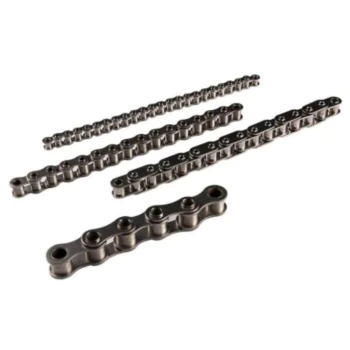
Wie prüft und wartet man eine Antriebskette?
Zur Inspektion und Wartung einer Antriebskette befolgen Sie diese Schritte:
- Überprüfen Sie die Kette regelmäßig auf Anzeichen von Verschleiß, Beschädigung oder Längung. Achten Sie auf abgenutzte Glieder, beschädigte Rollen oder Laschen sowie Anzeichen von Korrosion.
- Reinigen Sie die Kette, um Schmutz, Ablagerungen und angesammeltes Schmiermittel zu entfernen. Verwenden Sie ein geeignetes Reinigungsmittel und eine Bürste, um die Kette sorgfältig zu reinigen und stellen Sie sicher, dass sie vor dem Schmieren vollständig getrocknet ist.
- Prüfen Sie die Kettenspannung und stellen Sie sicher, dass sie innerhalb der vom Hersteller vorgegebenen Grenzen liegt. Passen Sie die Spannung gegebenenfalls gemäß den Herstellerangaben an.
- Prüfen Sie den Lauf der Kette auf den Kettenrädern. Eine falsche Ausrichtung kann zu ungleichmäßigem Verschleiß und verminderter Leistung führen. Korrigieren Sie die Ausrichtung gegebenenfalls gemäß den Anweisungen des Herstellers.
- Schmieren Sie die Kette gemäß den Herstellerangaben mit dem empfohlenen Schmiermittel. Eine ordnungsgemäße Schmierung reduziert die Reibung, minimiert den Verschleiß und beugt Korrosion vor.
- Überprüfen Sie die Kette regelmäßig auf Verschleiß, Beschädigungen oder unzureichende Schmierung. Beheben Sie etwaige Probleme umgehend durch Reparatur oder Austausch beschädigter Teile.
Durch die Einhaltung dieser Inspektions- und Wartungspraktiken können Sie sicherstellen, dass die Antriebskette in gutem Zustand bleibt, optimal funktioniert und eine verlängerte Lebensdauer aufweist.


Bearbeitet von CX am 31.07.2023