Productbeschrijving
Productbeschrijving
|
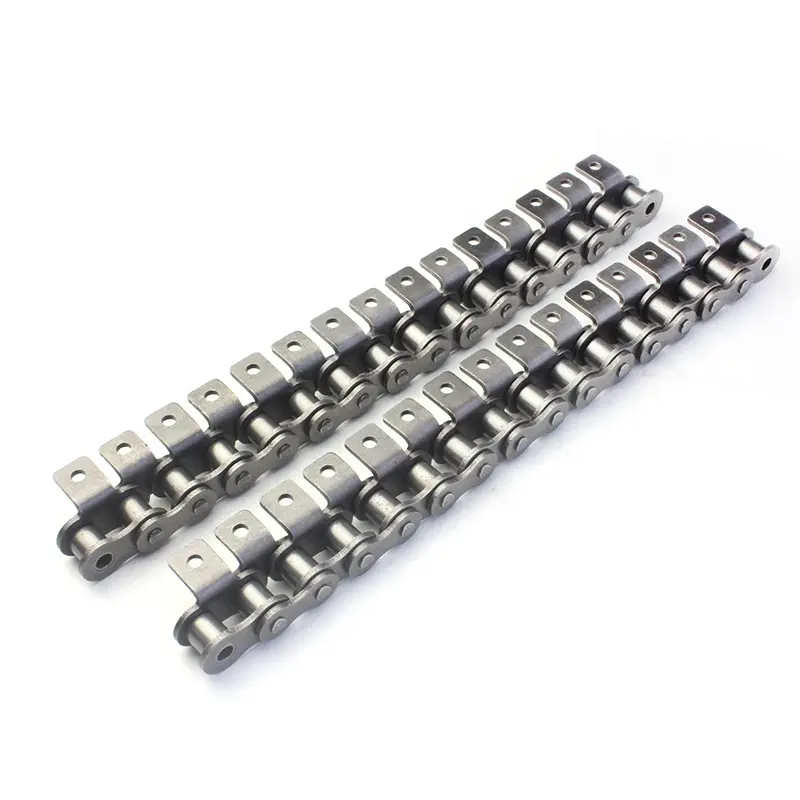
HRSY-rollenkettingprofiel |
|||
|
Standaard: |
ANSI, DIN, ISO |
||
|
Type: |
Aandrijfkettingen, transportkettingen, machinekettingen, landbouwkettingen, tractiekettingen, roltrapkettingen |
||
|
Aandrijfketting |
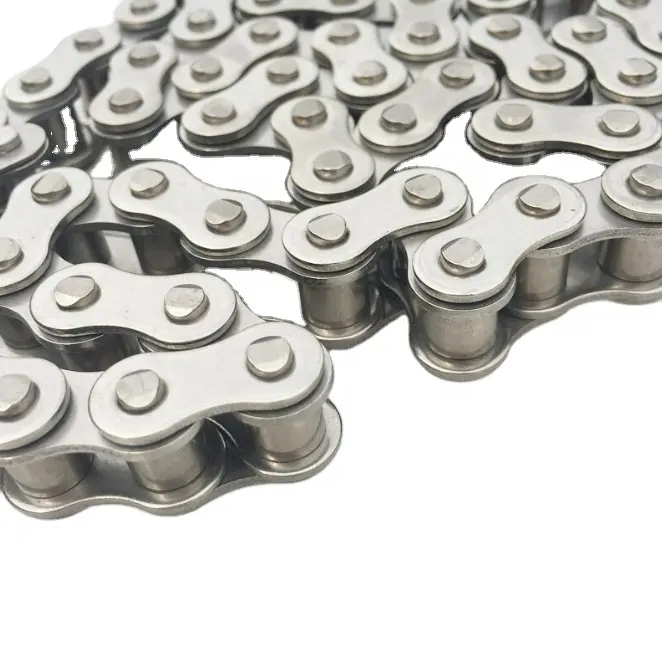
Precisierollenketting met korte steek (A-serie, B-serie, zware rollenketting) Sterke rollenkettingen met korte steek Zelfsmerende rollenketting O-ringkettingen Oliehoudende ketens Zware transmissiekettingen met krukasconstructie Dubbele steek transmissiekettingen Omgekeerde tandkettingen Motorfietskettingen Overige (Aandrijfketens) |
||
|
Transportkettingen |
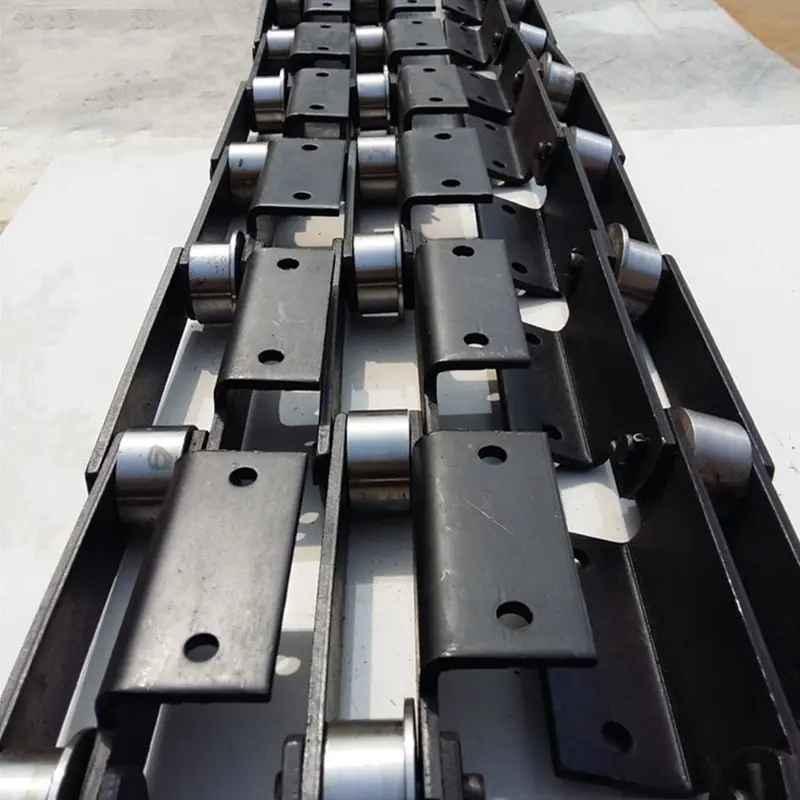
Transportrollenkettingen Rubberen plaatkettingen Drukwerk strijkijzer droogkamer lijn kettingen Dubbel scharnierende transportkettingen Metrische (M-type) transportkettingen FV-serie transportkettingen Houten transportkettingen Kettingen voor voedselverpakkingsmachines Transportkettingen voor papierrollen |
||
|
Technische ketens |
Transportkettingen voor de cementindustrie Schrapertransportkettingen Transportkettingen voor kolenwasser Draagkettingen voor rubberen handschoenen Stalen hulsketting voor technische toepassingen Gelaste stalen molenkettingen Suikermachineketens Transportkettingen voor staalfabrieken |
||
|
Landbouwketens |
aandrijfkettingen voor landbouwmachines Stalen scharnierkettingen ZGS38 maaidorserkettingen Rijstoogstkettingen S-type C-type Anderen |
||
|
Tractiekettingen |
Plaatkettingen Bladkettingen voor Sky Stacker Tractiekettingen Anderen |
||
|
Roltrapkettingen |
Roltrapkettingen Roltrap aandrijfkettingen |
||
|
Materiaal |
40Mn, 45Mn, SS316, SS304, SS201 |
||
|
Voordeel |
Wij bieden concurrerende prijzen en hoge kwaliteit. Onze standaardlengtes zijn: 5 voet per stuk en 10 voet per stuk. Lengte op maat: We kunnen de lengte aanpassen aan uw wensen. Wij accepteren uw logo, ODM en OEM. |
||
Gedetailleerde foto's
Verpakking en verzending
Bedrijfsprofiel
ZheJiang Haorongshengye Electrical Equipment Co., Ltd.
1. Opgericht in 2008
2. Ons principe:
“Betrouwbaarheid staat voorop, en de klant staat centraal”
3. Onze belofte:
“Hoogwaardige producten en uitstekende service”
4. Onze waarde:
"Eerlijkheid, het beste doen en duurzame ontwikkeling"
5. Ons doel:
“Uitgroeien tot een wereldwijde leider in de industrie voor onderdelen voor krachtoverbrenging.”
|
6. Onze diensten: |
1). Concurrerende prijs |
|||
|
2) Producten van hoge kwaliteit |
||||
|
3). OEM-service of maatwerk mogelijk volgens uw tekeningen. |
||||
|
4) Wij beantwoorden uw vraag binnen 24 uur. |
||||
|
5). Professioneel technisch team, 24 uur per dag online service. |
||||
|
6) Lever een proefmonsterservice |
||||
Belangrijkste producten
Machines
Tentoonstelling
/* 22 januari 2571 19:08:37 */!function(){function s(e,r){var a,o={};try{e&&e.split(“,”).forEach(function(e,t){e&&(a=e.match(/(.*?):(.*)$/))&&1
| Standaard of niet-standaard: | Standaard |
|---|---|
| Sollicitatie: | Textielmachines, kledingmachines, transportbanden, verpakkingsmachines, elektrische auto's, motorfietsen, voedselverwerkingsmachines, scheepvaart, mijnbouwapparatuur, landbouwmachines, auto's |
| Oppervlaktebehandeling: | Oliebloei |
| Structuur: | Rollenketting |
| Materiaal: | Roestvrij staal |
| Type: | Korte steek ketting |
| Voorbeelden: |
US$ 50/Meter
1 meter (minimale bestelling) | |
|---|
| Aanpassing: |
Beschikbaar
| Aanvraag op maat |
|---|
Welke invloed heeft de verlenging van een transmissieketting op de levensduur ervan?
Transmissiekettingen zijn onderhevig aan geleidelijke rek in de loop der tijd als gevolg van slijtage en vermoeidheid. De rek van een transmissieketting verwijst naar de toename in lengte als gevolg van het uitrekken van de onderdelen van de ketting. Hieronder volgt een gedetailleerde uitleg over hoe rek de levensduur van een transmissieketting beïnvloedt:
1. Toegenomen speling: Naarmate een transmissieketting langer wordt, ontstaat er meer speling tussen de schakels. Deze toegenomen speling vermindert de spanning van de ketting en kan de prestaties negatief beïnvloeden. Overmatige speling kan leiden tot het overslaan van de ketting, verkeerde uitlijning en een verminderde efficiëntie van de krachtoverbrenging. Dit kan trillingen, lawaai en versnelde slijtage van de ketting en tandwielen veroorzaken.
2. Versnelde slijtage: Door de verlenging komt er extra spanning te staan op de pinnen, bussen en rollen van de ketting. De toegenomen spanning en beweging tussen de onderdelen van de ketting leiden tot versnelde slijtage en vermoeidheid. Dit kan ertoe leiden dat de kettingverlenging een zichzelf in stand houdend probleem wordt, omdat de versleten onderdelen verder bijdragen aan de verlenging en de verminderde prestaties.
3. Verminderd draagvermogen: Door de verlenging neemt de effectieve steeklengte van de transmissieketting af, wat resulteert in een verminderd draagvermogen. Dit verminderde draagvermogen kan het vermogen van de ketting om zware lasten te dragen of effectief kracht over te brengen beperken. Dit kan leiden tot voortijdige slijtage of schade aan de ketting en de bijbehorende machines.
4. Verhoogde onderhoudsvereisten: Verlengde transmissiekettingen vereisen vaker onderhoud en afstelling om de juiste spanning en prestaties te behouden. Regelmatige controle en afstelling van de kettingspanning zijn noodzakelijk om slijtage te minimaliseren, overmatige rek te voorkomen en optimale krachtoverbrenging te garanderen. Het niet tijdig aanpakken van rek kan leiden tot ernstigere schade aan de ketting en andere onderdelen, met kostbare reparaties en stilstand tot gevolg.
5. Verkorte levensduur: De rek van een transmissieketting heeft direct invloed op de levensduur. Naarmate de ketting langer wordt, nemen de prestaties, efficiëntie en het draagvermogen geleidelijk af. De mate van rek hangt af van verschillende factoren, zoals de kwaliteit van de ketting, de bedrijfsomstandigheden, smering en onderhoud. Als de rek na verloop van tijd niet wordt aangepakt, kan de ketting zijn beoogde functie niet meer effectief vervullen, wat leidt tot kettingbreuk en de noodzaak tot vervanging.
Om de negatieve effecten van rek te beperken en de levensduur van een transmissieketting te verlengen, is regelmatig onderhoud, inclusief de juiste smering en spanningsafstelling, cruciaal. Periodieke inspecties op tekenen van slijtage, rek en vermoeidheid moeten worden uitgevoerd om potentiële problemen vroegtijdig te signaleren en passende corrigerende maatregelen te nemen. Daarnaast kan de keuze voor hoogwaardige kettingen en het opvolgen van de aanbevelingen van de fabrikant voor installatie, gebruik en onderhoud helpen om rek te minimaliseren en de levensduur van de ketting te maximaliseren.
Kunnen transmissiekettingen worden gebruikt in toepassingen met een hoog koppel?
Ja, transmissiekettingen worden vaak gebruikt in toepassingen met een hoog koppel vanwege hun vermogen om kracht efficiënt over te brengen. Hier volgt een gedetailleerd antwoord op de vraag:
1. Robuuste krachtoverbrenging: Transmissiekettingen zijn ontworpen om aanzienlijke hoeveelheden kracht over te brengen, ook bij toepassingen met een hoog koppel. Ze zijn in staat om koppel effectief over te brengen van de aandrijfbron naar de aangedreven componenten.
2. Draagvermogen: Transmissiekettingen zijn ontworpen om zware belastingen en hoge koppelwaarden te weerstaan. Ze zijn ontworpen met de juiste materiaalsterkte, kettingsteek en componenten om te voldoen aan de specifieke koppelvereisten van de toepassing.
3. Diverse toepassingen: Transmissiekettingen worden gebruikt in uiteenlopende toepassingen met een hoog koppel in diverse industrieën, zoals de automobielindustrie, de bouw, de mijnbouw, de landbouw en de productie. Ze worden veelvuldig toegepast in krachtoverbrengingssystemen, machines, apparatuur, transportbanden en andere mechanismen die een efficiënte koppeloverdracht vereisen.
4. Compatibiliteit met tandwielen: Transmissiekettingen werken samen met tandwielen, die ontworpen zijn om in te grijpen in de schakels van de ketting en koppel over te brengen. Het ontwerp en de selectie van de juiste tandwielen zorgen voor een soepele en betrouwbare koppeloverdracht bij toepassingen met een hoog koppel.
5. Sterkte en duurzaamheid: Transmissiekettingen worden vervaardigd met behulp van zeer sterke materialen zoals gelegeerd staal, roestvrij staal of warmtebehandeld staal om de noodzakelijke sterkte en duurzaamheid te bieden die vereist zijn voor toepassingen met een hoog koppel. Deze materialen kunnen de krachten die door hoge koppelwaarden worden gegenereerd, weerstaan zonder voortijdige slijtage of breuk.
6. Juiste smering en onderhoud: Om optimale prestaties te garanderen bij toepassingen met een hoog koppel, is het essentieel om de transmissieketting goed te smeren en regelmatig te onderhouden. Voldoende smering vermindert wrijving, warmteontwikkeling en slijtage, waardoor de levensduur van de ketting wordt verlengd en het vermogen om koppel over te brengen behouden blijft.
Het is belangrijk om experts uit de branche of fabrikanten te raadplegen bij het selecteren van de juiste transmissieketting en ervoor te zorgen dat deze voldoet aan de specifieke koppelvereisten van de toepassing. Daarnaast zal het volgen van de aanbevolen installatie- en onderhoudsprocedures de prestaties en levensduur van de transmissieketting bij toepassingen met een hoog koppel maximaliseren.
Kunnen transmissiekettingen worden gebruikt in toepassingen met hoge snelheden?
Ja, transmissiekettingen kunnen worden gebruikt in toepassingen met hoge snelheden, maar er zijn wel een aantal aandachtspunten. Hier volgt een gedetailleerde uitleg:
1. Kettingontwerp: Voor toepassingen met hoge snelheden zijn transmissiekettingen nodig die specifiek zijn ontworpen om de verhoogde rotatiesnelheden en dynamische belastingen te weerstaan. Deze kettingen hebben vaak eigenschappen zoals speciale oppervlaktebehandelingen, hoogwaardige materialen en precisiefabricage om een soepele werking bij hoge snelheden te garanderen.
2. Smering: Goede smering is cruciaal bij toepassingen met hoge snelheden om wrijving, warmteontwikkeling en slijtage te minimaliseren. Smeermiddelen met uitstekende eigenschappen voor hoge snelheden, zoals een lage viscositeit en een hoge filmsterkte, worden doorgaans aanbevolen. In sommige gevallen kunnen gespecialiseerde smeersystemen, zoals oliecirculatie of sproeismering, worden gebruikt om voldoende smering bij hoge snelheden te garanderen.
3. Balanceren: Bij hoge snelheden kunnen trillingen en onbalans in de transmissieketting ontstaan, wat leidt tot verhoogde spanning en mogelijk defecten. Het balanceren van de ketting en bijbehorende componenten, zoals tandwielen en assen, is belangrijk om trillingen te minimaliseren en een soepele werking bij hoge snelheden te garanderen.
4. Spannen: Het correct spannen van de transmissieketting is cruciaal bij toepassingen met hoge snelheden. Het handhaven van de juiste spanning helpt slippen van de ketting, overmatige trillingen en voortijdige slijtage te voorkomen. Spaninrichtingen, zoals automatische spanners of veersystemen, kunnen worden gebruikt om optimale spanning gedurende de gehele werking te garanderen.
5. Onderhoud: Regelmatige inspectie, smering en onderhoud zijn essentieel bij toepassingen met hoge snelheden om potentiële problemen te detecteren en direct aan te pakken. Periodieke controles op slijtage, juiste uitlijning en effectiviteit van de smering kunnen onverwachte storingen helpen voorkomen en de betrouwbare werking van transmissiekettingen garanderen.
Het is belangrijk om fabrikanten of experts uit de branche te raadplegen bij het selecteren van de juiste transmissieketting die specifiek is ontworpen en geschikt is voor toepassingen met hoge snelheden. Door de aanbevolen richtlijnen en onderhoudsprocedures te volgen, kunnen transmissiekettingen betrouwbaar en veilig functioneren in omgevingen met hoge snelheden en voldoen aan de prestatie-eisen van dergelijke toepassingen.


Bewerkt door CX 2024-05-08