Productbeschrijving
Productbeschrijving
Productparameters
| Standaard | GB, ISO, ANSI, DIN |
| Type | Standaard A en standaard B precisie rollenketting, transportketting; |
| Speciale ketting met accessoires, lasketting, bladketting en tandwiel. | |
| ANSI-kettingnr. | 40,50,60,80,100,120,140,160,180,200,240; |
| C40, C50, C60, C80, C100, C120, C140, C160; | |
| DIN/ISO-ketting nr. | 08A,10A,12A,16A,20A,24A,28A,32A,36A,40A,48A; |
| C08A,C10A,C12A,C16A,C20A,C24A,C28A,C32A; | |
| Sollicitatie | Voedselverwerkende industrie, farmaceutische en chemische industrie, elektronica, machinebouw; |
| Huishoudelijke apparaten, automobielindustrie, metallurgie, rioolwaterzuivering | |
| Serie | A-serie, B-serie |
Meer producten
Voordeel
Certificeringen
DETAILS OVER DE CZPT-KETTING
Tentoonstelling
Workshop
Sollicitatie
Verpakkingsdetails
Verzenden
Contactgegevens
Veelgestelde vragen
1. Bent u een fabrikant of een handelsonderneming?
Wij zijn een fabriek, opgericht in 1997, met een handelsteam voor internationale service.
2. Welke betalingsvoorwaarden hanteert u gewoonlijk?
T/T 30% aanbetaling en 70% tegen document, Western Union, L/C op zicht
3. Wat is uw levertijd voor uw goederen?
Normaal gesproken is de levertijd 35 dagen na bevestiging van de bestelling. In het laagseizoen (mei tot en met juli) kan de levertijd voor sommige artikelen 30 dagen bedragen, en tijdens de jaarwisseling en het hoogseizoen (januari tot en met maart) 45 dagen.
4. Monsters
Voor klanten die een monsterbevestiging nodig hebben voordat ze een bestelling plaatsen, geldt het volgende beleid:
1) Alle samples zijn gratis en hebben een maximale waarde van 100 USD.
2) De koerierskosten voor het eerste verzenden van een monster zijn voor rekening van de ontvanger. Wij verzenden de monsters onder rembours. Gelieve uw accountgegevens bij FedEx, UPS, DHL of TNT door te geven, zodat we de verzending snel kunnen verwerken.
3) De kosten voor de eerste koeriersdienst worden volledig in mindering gebracht op de contractwaarde van de proefsamenwerking.
4) Zowel OEM- als ODM-opties zijn beschikbaar.
| Gebruik: | Aandrijfketting, sleepketting, transportketting, speciale ketting |
|---|---|
| Materiaal: | Roestvrij staal |
| Oppervlaktebehandeling: | Polijsten |
| Functie: | Hittebestendig |
| Kettingmaat: | 1/2"*11/128" |
| Structuur: | Rollenketting |
| Voorbeelden: |
US$ 1/Meter
1 meter (minimale bestelling) | |
|---|
| Aanpassing: |
Beschikbaar
| Aanvraag op maat |
|---|
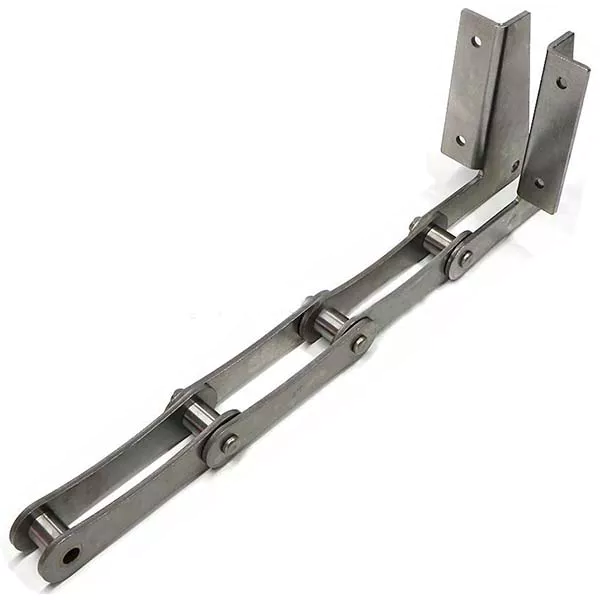
Welke invloed heeft het ontwerp van een aandrijfketting op de efficiëntie en prestaties ervan?
Het ontwerp van een aandrijfketting speelt een cruciale rol bij het bepalen van de efficiëntie en prestatiekarakteristieken ervan. Hier volgt een gedetailleerde uitleg:
De efficiëntie en prestaties van een aandrijfketting worden beïnvloed door verschillende ontwerpfactoren die tijdens de ontwikkeling ervan zorgvuldig in overweging worden genomen:
- Steek en grootte van de ketting: De steek en grootte van de schakels beïnvloeden het draagvermogen, de efficiëntie en de algehele prestaties van de aandrijfketting. Een goede balans tussen kettinggrootte en -sterkte is essentieel voor een optimale krachtoverbrenging met minimale wrijving en energieverliezen.
- Rolontwerp: De vorm en afmetingen van de kettingrollen beïnvloeden de efficiëntie en prestaties. Goed ontworpen rollen verminderen wrijving en slijtage door een soepele rolbeweging tussen de ketting en de tandwielen te bevorderen. Ze dragen ook bij aan een betere krachtoverbrenging en een lager geluidsniveau.
- Ontwerp van plaat en pin: De vorm en het materiaal van de schakels en pinnen van de ketting beïnvloeden de sterkte, duurzaamheid en flexibiliteit ervan. Goed ontworpen schakels en pinnen zorgen voor een betrouwbare krachtoverbrenging, slijtvastheid en het vermogen om schokbelastingen en wisselende koppelomstandigheden op te vangen.
- Tandwielprofiel en tandontwerp: Het ontwerp van de kettingtandwielen is cruciaal voor een efficiënte krachtoverbrenging. Tandwielen met nauwkeurig gefreesde tanden en geschikte profielen minimaliseren wrijving, zorgen voor een goede aangrijping met de ketting en bevorderen een soepele kettingbeweging. Goed ontworpen tandwielen verminderen slijtage, geluid en energieverlies.
- Smeereigenschappen: Aandrijfkettingen zijn vaak voorzien van smeervoorzieningen zoals oliegaten of -groeven om een goede smeerverdeling over de bewegende delen van de ketting te garanderen. Goed ontworpen smeervoorzieningen zorgen voor effectieve smering, verminderen wrijving, voorkomen slijtage en verbeteren de algehele efficiëntie en levensduur van de ketting.
- Materiaalkeuze: De materiaalkeuze voor de onderdelen van de ketting, zoals de rollen, platen, pinnen en bussen, heeft een aanzienlijke invloed op de efficiëntie en prestaties. De gekozen materialen moeten over de juiste sterkte, slijtvastheid en vermoeiingsweerstand beschikken om de bedrijfsomstandigheden en eisen van de toepassing te kunnen weerstaan.
- Span- en afstelmechanismen: Aandrijfkettingen zijn vaak voorzien van mechanismen voor het spannen en afstellen van de kettingspanning. Goed ontworpen spansystemen zorgen voor een optimale kettingspanning gedurende de gehele werking, wat een efficiënte krachtoverbrenging bevordert, kettingtrillingen vermindert en de levensduur van de ketting verlengt.
Een goed ontworpen aandrijfketting minimaliseert energieverliezen door wrijving, vermindert slijtage en optimaliseert de efficiëntie van de krachtoverbrenging. Het zorgt voor een soepele en betrouwbare werking, verlaagt het geluidsniveau en draagt bij aan de algehele prestaties en levensduur van het krachtoverbrengingssysteem.
Het is belangrijk om te benadrukken dat bij het ontwerp van de aandrijfketting rekening moet worden gehouden met de specifieke eisen en beperkingen van de toepassing, waaronder het draagvermogen, de snelheid, de omgevingsomstandigheden en de onderhoudsaspecten. Regelmatige inspectie, smering en de juiste spanning zijn essentieel voor het behoud van de efficiëntie en prestaties van de aandrijfketting op lange termijn.
Door efficiënte ontwerpprincipes toe te passen en rekening te houden met de verschillende factoren die de prestaties beïnvloeden, kunnen fabrikanten aandrijfkettingen produceren die een hoog rendement, betrouwbare krachtoverbrenging, een lange levensduur en optimale prestaties in de beoogde toepassingen bieden.
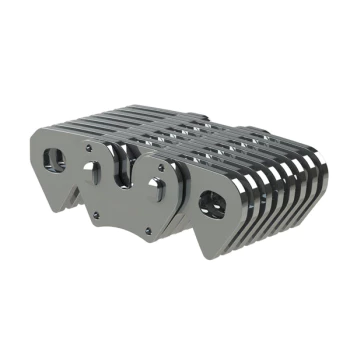
Wat zijn de voordelen van het gebruik van een corrosiebestendige aandrijfketting?
Het gebruik van een corrosiebestendige aandrijfketting biedt diverse voordelen ten opzichte van standaardkettingen bij gebruik in corrosieve omgevingen. Hieronder volgt een gedetailleerde uitleg:
Corrosiebestendige aandrijfkettingen zijn speciaal ontworpen en geconstrueerd om de effecten van corrosie te weerstaan, die kan ontstaan door blootstelling aan vocht, chemicaliën, zout water of andere corrosieve stoffen. De voordelen van het gebruik van dergelijke kettingen zijn onder andere:
- Verbeterde duurzaamheid: Corrosiebestendige aandrijfkettingen worden gemaakt van materialen met een superieure corrosiebestendigheid, zoals roestvrij staal of speciale coatings. Deze materialen beschermen de ketting tegen roest, oxidatie en andere vormen van corrosie, waardoor de duurzaamheid wordt gewaarborgd en de levensduur wordt verlengd.
- Betrouwbare prestaties: In corrosieve omgevingen kunnen standaardkettingen snel verslechteren, wat leidt tot verminderde prestaties, kettingverlenging of zelfs kettingbreuk. Corrosiebestendige kettingen daarentegen behouden hun structurele integriteit, waardoor betrouwbare krachtoverbrenging en constante prestaties mogelijk zijn, zelfs onder zware omstandigheden.
- Minder uitvaltijd en lagere onderhoudskosten: Het gebruik van corrosiebestendige kettingen kan de stilstandtijd en onderhoudskosten die gepaard gaan met het vervangen of repareren van kettingen verminderen. Deze kettingen zijn minder gevoelig voor corrosieschade, waardoor minder onderhoud nodig is en de kettingen minder vaak voortijdig vervangen hoeven te worden.
- Verbeterde veiligheid: Corrosiebestendige kettingen bieden meer veiligheid in omgevingen waar standaardkettingen door corrosie zouden kunnen bezwijken. Het risico op kettingbreuk, plotselinge breuk of ongelukken veroorzaakt door kettingproblemen wordt geminimaliseerd, wat een veiligere werking voor zowel personeel als materieel garandeert.
- Compatibiliteit met corrosieve omgevingen: Corrosiebestendige kettingen zijn ontworpen om bestand te zijn tegen blootstelling aan diverse corrosieve stoffen en omgevingen, waaronder maritieme, chemische of industriële omgevingen. Ze zijn ontwikkeld om de schadelijke effecten van vocht, chemicaliën, zuren of zout water te weerstaan, waardoor ze geschikt zijn voor toepassingen waar standaardkettingen snel zouden bezwijken.
- Toepassingsveelzijdigheid: Corrosiebestendige kettingen kunnen worden gebruikt in een breed scala aan industrieën en toepassingen die corrosiebestendigheid vereisen. Denk hierbij aan maritieme apparatuur, voedselverwerkingsmachines, chemische fabrieken, afvalwaterzuiveringsinstallaties of buitenapparatuur die aan de elementen is blootgesteld.
Het is belangrijk om te benadrukken dat hoewel corrosiebestendige kettingen superieure bescherming bieden tegen corrosie, regelmatige inspectie en onderhoud nog steeds noodzakelijk zijn om optimale prestaties te garanderen. Regelmatige reiniging, smering en controle op tekenen van corrosie of beschadiging zijn essentieel om de levensduur en prestaties van de ketting te maximaliseren.
Door gebruik te maken van corrosiebestendige aandrijfkettingen profiteren gebruikers van een langere levensduur, betrouwbare prestaties, lagere onderhoudskosten, verbeterde veiligheid en de mogelijkheid om in corrosieve omgevingen te werken zonder de integriteit van de ketting aan te tasten.
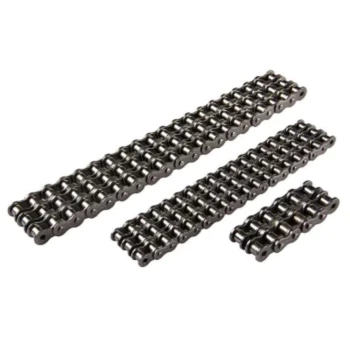
Wat is een aandrijfketting en hoe werkt deze?
Een aandrijfketting is een mechanisch onderdeel dat wordt gebruikt om kracht over te brengen van het ene deel van een machine of systeem naar het andere. Het bestaat doorgaans uit een reeks onderling verbonden schakels of rollen die samen een flexibel en duurzaam mechanisme vormen. Aandrijfkettingen worden veelvuldig gebruikt in diverse toepassingen, zoals fietsen, motorfietsen, industriële machines en auto's.
Het werkingsprincipe van een aandrijfketting berust op de overdracht van rotatiebeweging of vermogen van een aandrijftandwiel naar een aangedreven tandwiel. Hieronder volgt een stapsgewijze uitleg van hoe een typische aandrijfketting werkt:
- De aandrijfkracht wordt overgebracht op het eerste onderdeel van de aandrijfketting, meestal een tandwiel.
- Terwijl het aandrijftandwiel draait, grijpt het in de schakels of rollen van de ketting.
- De aandrijfkracht wordt overgebracht van het aandrijftandwiel naar de schakels of rollen van de ketting.
- De schakels of rollen van de ketting brengen de draaibeweging over op het aangedreven tandwiel.
- Het aangedreven tandwiel, dat verbonden is met het aangedreven onderdeel, draait en brengt de kracht over op het beoogde mechanisme, zoals wielen of andere bewegende onderdelen.
De efficiëntie en prestaties van een aandrijfketting zijn afhankelijk van factoren zoals de kwaliteit van de componenten, goede smering, spanningsafstelling en onderhoud. Het is cruciaal om ervoor te zorgen dat de ketting correct is uitgelijnd en gespannen om slijtage te minimaliseren en de krachtoverdracht te maximaliseren.
Over het algemeen spelen aandrijfkettingen een essentiële rol in de krachtoverbrenging door rotatiebeweging efficiënt van het ene onderdeel naar het andere over te brengen, waardoor de werking van diverse mechanische systemen mogelijk wordt.


Bewerkt door CX 2023-08-04