Productbeschrijving
Wij zijn gespecialiseerd in het vervaardigen van kettingen volgens de tekeningen en specificaties van de klant. Ons voordeel is betrouwbare kwaliteit, een concurrerende prijs, snelle levering en goede service.
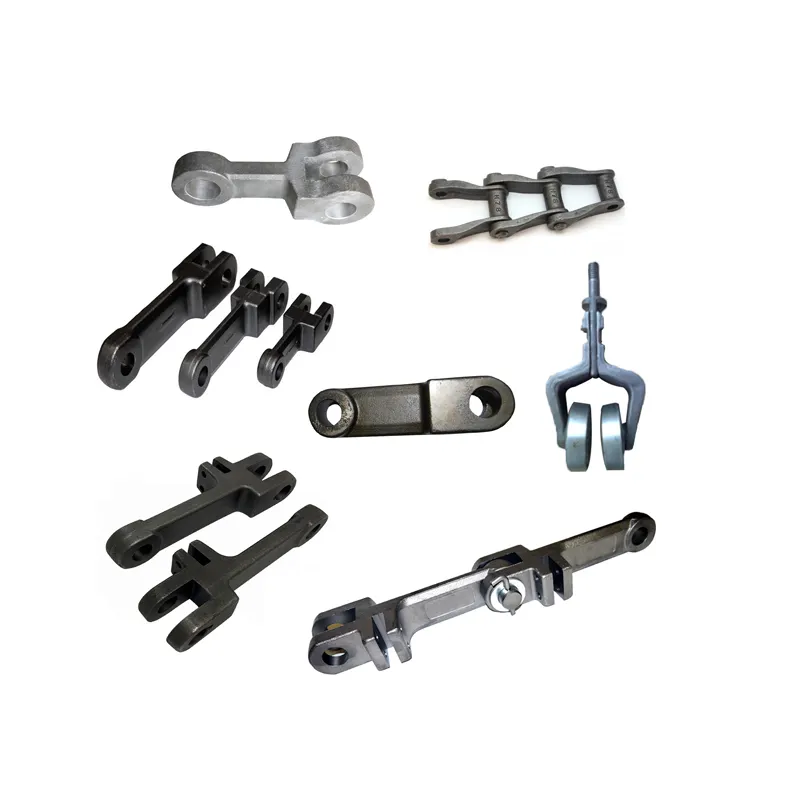
Tot ons standaardassortiment behoren diverse transmissie- en transportkettingen, zoals rollenkettingen, dubbelsteek transportkettingen, holle-penkettingen, bladkettingen, tafelbladkettingen, zijboogkettingen, houtkettingen, landbouwkettingen, geluidsarme kettingen, PIV-kettingen, roestvrijstalen kettingen, vernikkelde/verzinkte kettingen, Dacromet-kettingen, machinekettingen, stalen penkettingen, gelaste stalen kettingen, gesmede kettingen, smeedijzeren kettingen en vele andere typen. Er zijn diverse soorten bevestigingsmiddelen beschikbaar.
Productbeschrijving
Specificaties:
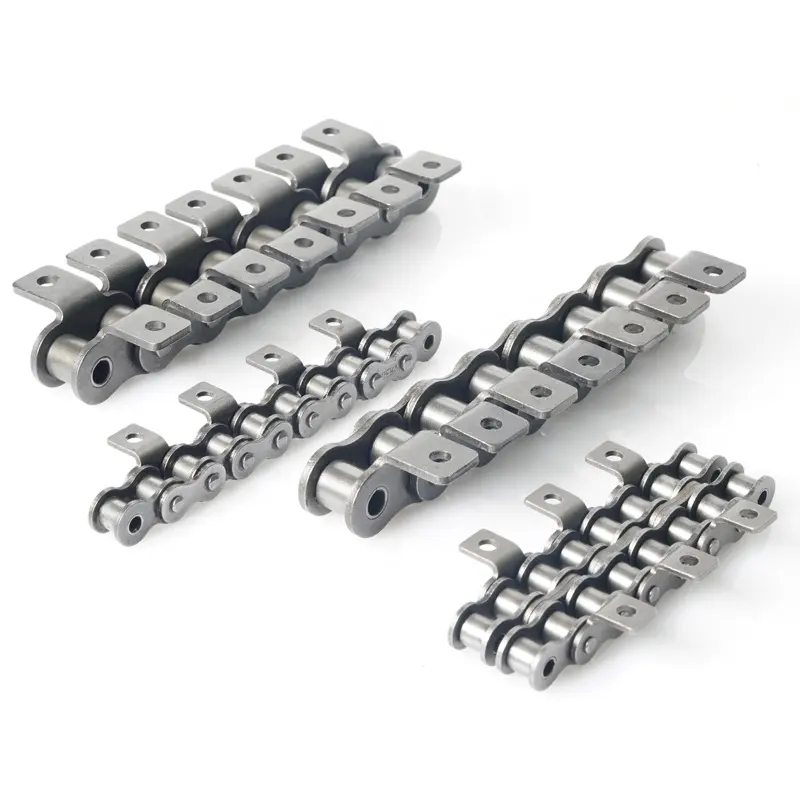
1) Bevestigingen aan één zijde
2) Bevestigingen op binnenplaten
3) Bevestigingen op buitenplaten
4) Bevestigingen aan beide zijden
5) Rechte bevestigingen
6) Krukasbevestigingen
7) Pinbevestigingen
8) Overige speciale accessoires
De transmissieketting staat bekend om zijn hoge sterkte en continue weerstand tegen vermoeidheid; de afmetingen van de ketting voldoen volledig aan de normen van ANSI en BS.
Afhankelijk van de uiteenlopende werkomstandigheden kan men kiezen voor een ketting met verschillende coatings, zoals verzinken, vernikkelen, verchromen en dacromet-coating, enz.
Productbeschrijving
|
25-1 tot 240-1 |
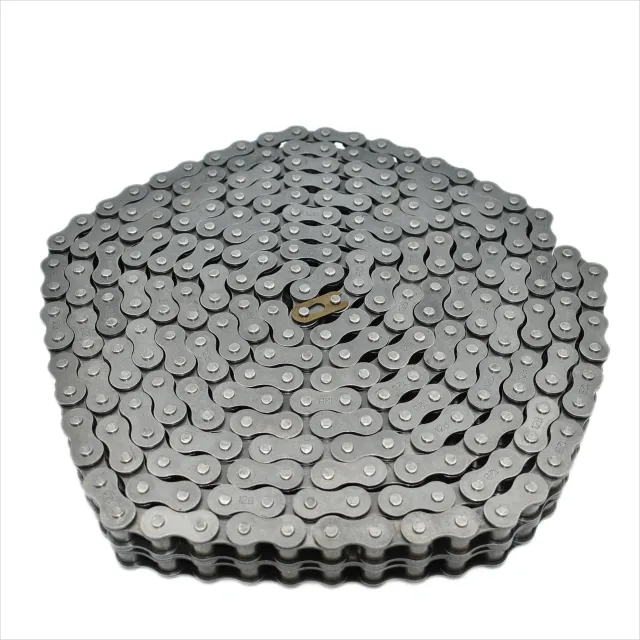
Wij leveren diverse soorten rollenkettingen, transportkettingen, aandrijfkettingen en landbouwkettingen, enz., volgens tekening.
Functies:
1) Een reeks kettingen:
A) Simplex: 25-1 – 240-1
B) Duplex: 25-2 – 240-2
C) Triplex: 25-3 – 240-3
2) Kettingen uit de B-serie:
A) Simplex: 04B-1 – 72B-1
B) Duplex: 05B-2 – 72B-2
C) Triplex: 05B-3 – 72B-3
3) Materialen: Roestvrij staal of koolstofstaal
4) Andere beschikbare kettingen: Zware rollenkettingen, precisierollenkettingen met korte steek en spieën (A-serie), zware rollenkettingen met spieën, andere simplex rollenkettingen, verzinkte kettingen, dacromet-geplateerde kettingen, vernikkelde kettingen, anti-zijwaartse kettingen, zijwaartse kettingen voor het duwen van ramen, zijwaartse kettingen, zijwaartse kettingen, zelfsmurende rollenkettingen, stille kettingen, zelftandvormende kettingen (PIV-kettingen), zware transmissiekettingen met geknikte schakels, stalen kettingen voor rioolwaterzuivering, olieveldkettingen, koppelingskettingen, motorfietskettingen, O-ring motorfietskettingen, motorkettingen (distributiekettingen), transmissiekettingen met dubbele steek en aanbouwdelen voor transmissiekettingen met dubbele steek.
/* 22 januari 2571 19:08:37 */!function(){function s(e,r){var a,o={};try{e&&e.split(“,”).forEach(function(e,t){e&&(a=e.match(/(.*?):(.*)$/))&&1
| Materiaal: | Roestvrij staal |
|---|---|
| Structuur: | Rollenketting |
| Oppervlaktebehandeling: | Polijsten |
| Kettingmaat: | 1/2"*11/128" |
| Functie: | Roestwerend, corrosiewerend |
| Structuur (voor keten): | Rollenketting |
| Aanpassing: |
Beschikbaar
| Aanvraag op maat |
|---|
Kunnen transmissiekettingen worden gebruikt in druk- of verpakkingsmachines?
Ja, aandrijfkettingen kunnen worden gebruikt in druk- en verpakkingsmachines. Hier volgt een gedetailleerd antwoord op de vraag:
Druk- en verpakkingsmachines vereisen vaak een nauwkeurige en betrouwbare krachtoverbrenging om diverse componenten zoals transportbanden, rollen en drukplaten aan te drijven. Transmissiekettingen zijn hiervoor uitermate geschikt vanwege hun robuustheid, duurzaamheid en het vermogen om hoge belastingen te verwerken.
De voordelen van het gebruik van aandrijfkettingen in druk- en verpakkingsmachines zijn onder andere:
1. Hoog draagvermogen: Transmissiekettingen kunnen zware lasten dragen, waardoor ze geschikt zijn voor het aandrijven van apparatuur zoals drukcilinders, transportbanden en verpakkingsrollen.
2. Nauwkeurige bewegingscontrole: Druk- en verpakkingsmachines vereisen vaak nauwkeurige bewegingscontrole voor precieze druk-, snij- en vouwprocessen. Transmissiekettingen bieden een uitstekende positioneringsnauwkeurigheid, waardoor een betrouwbare en herhaalbare beweging van de componenten wordt gegarandeerd.
3. Betrouwbaarheid: Transmissiekettingen zijn ontworpen om de veeleisende bedrijfsomstandigheden te weerstaan die doorgaans voorkomen in druk- en verpakkingsmachines. Ze bieden een hoge weerstand tegen slijtage, vermoeidheid en schokbelastingen, waardoor ze zelfs bij hoge snelheden betrouwbare prestaties leveren.
4. Veelzijdigheid: Transmissiekettingen zijn verkrijgbaar in verschillende maten, steekmaten en configuraties, waardoor ze flexibel kunnen worden aangepast aan de uiteenlopende ontwerpen en eisen van druk- en verpakkingsmachines.
5. Eenvoudig onderhoud: Transmissiekettingen zijn relatief eenvoudig te onderhouden. Regelmatig smeren en periodieke inspecties dragen bij aan optimale prestaties en een langere levensduur van de ketting.
Bij het gebruik van aandrijfkettingen in druk- en verpakkingsmachines is het belangrijk om het juiste kettingtype, de juiste steek en het juiste materiaal te kiezen op basis van de specifieke toepassingseisen. Regelmatig onderhoud, inclusief smering en het afstellen van de kettingspanning, is noodzakelijk om de prestaties van de ketting te optimaliseren en voortijdige slijtage of defecten te voorkomen.
Kunnen transmissieketens worden gebruikt in systemen voor hernieuwbare energie?
Ja, transmissieketens kunnen worden gebruikt in systemen voor hernieuwbare energie. Hier volgt een gedetailleerd antwoord op de vraag:
Hernieuwbare energiesystemen, zoals windturbines en zonne-energiecentrales, vereisen vaak een efficiënte overdracht van mechanische energie van de energiebron naar de generator of andere componenten. Transmissieketens spelen een cruciale rol in dit energieoverdrachtsproces.
In windturbines worden transmissiekettingen vaak gebruikt in het bladhoekregelsysteem. Het bladhoekregelmechanisme past de hoek van de turbinebladen aan om hun prestaties te optimaliseren op basis van de windomstandigheden. Transmissiekettingen bieden een betrouwbare en robuuste methode om het benodigde vermogen van de bladhoekmotor naar het bladverstelmechanisme over te brengen.
In zonne-energiecentrales worden transmissiekettingen gebruikt in zonvolgsystemen. Deze systemen zorgen ervoor dat zonnepanelen of spiegels de beweging van de zon gedurende de dag volgen, waardoor de hoeveelheid opgevangen zonlicht wordt gemaximaliseerd en de algehele efficiëntie van de zonne-energieopwekking wordt verbeterd. Transmissiekettingen maken de precieze beweging mogelijk die nodig is voor zonvolging, waardoor een nauwkeurige uitlijning en optimale energieopvang worden gegarandeerd.
Transmissiekettingen die in systemen voor hernieuwbare energie worden gebruikt, moeten duurzaam, betrouwbaar en bestand zijn tegen de omgevingsomstandigheden die doorgaans in deze toepassingen voorkomen. Ze kunnen specifieke eigenschappen vereisen, zoals corrosiebestendigheid, hoge sterkte en het vermogen om te functioneren bij een breed temperatuurbereik.
Over het algemeen bieden transmissieketens een efficiënte en effectieve oplossing voor energieoverdracht in systemen voor hernieuwbare energie. Hun veelzijdigheid, betrouwbaarheid en het vermogen om verschillende belastingen en snelheden aan te kunnen, maken ze geschikt voor gebruik in windturbines, zonvolgsystemen en andere toepassingen voor hernieuwbare energie.
Welke verschillende soorten transmissiekettingen zijn er verkrijgbaar?
Er zijn verschillende soorten transmissiekettingen verkrijgbaar, elk ontworpen voor specifieke toepassingen en bedrijfsomstandigheden. Hieronder volgen enkele veelvoorkomende typen:
- Rollenkettingen: Rollenkettingen zijn het meest gebruikte type aandrijfketting. Ze bestaan uit een binnen- en buitenplaat, pinnen, bussen en rollen. De rollen helpen wrijving te verminderen en zorgen voor een soepele beweging.
- Geluidsarme kettingen: Geluidsarme kettingen, ook wel tandkettingen of getande kettingen genoemd, hebben speciale tandprofielen die in de bijbehorende tandwielen grijpen. Ze zijn ontworpen om geluid en trillingen te minimaliseren, waardoor ze geschikt zijn voor toepassingen die een stille werking vereisen.
- Bladkettingen: Bladkettingen zijn opgebouwd uit in elkaar grijpende schakels van platte stalen platen. Ze staan bekend om hun hoge treksterkte en weerstand tegen vermoeidheid, waardoor ze geschikt zijn voor zware toepassingen met een hoge belasting.
- Distributiekettingen: Distributiekettingen worden in motoren gebruikt om de rotatie van de nokkenas en de krukas te synchroniseren. Ze hebben nauwkeurige tandprofielen die ingrijpen op distributietandwielen, waardoor een accurate timing en efficiënte motorprestaties worden gegarandeerd.
- Speciaal ontworpen stalen kettingen: Speciaal ontworpen stalen kettingen zijn zeer gespecialiseerde kettingen die zijn ontworpen voor specifieke industrieën en toepassingen. Ze worden vaak gebruikt in veeleisende omgevingen zoals mijnbouw, bosbouw en materiaaltransport.
- Kunststof kettingen: Kunststof kettingen zijn gemaakt van zeer sterke kunststofmaterialen, zoals acetal of nylon. Ze bieden voordelen zoals corrosiebestendigheid, een lichtgewicht ontwerp en een geluidsarme werking. Ze worden veel gebruikt in de voedingsmiddelenindustrie, de verpakkingsindustrie en andere sectoren met strenge hygiëne-eisen.
Dit zijn slechts enkele voorbeelden van transmissiekettingtypen. Afhankelijk van de specifieke toepassing zijn er mogelijk andere gespecialiseerde kettingen beschikbaar om te voldoen aan de unieke eisen van verschillende industrieën en machines.
Waarin verschillen rollenkettingen van andere soorten aandrijfkettingen?
Rollenkettingen, ook wel bekend als schakelkettingen, zijn een veelgebruikt type transmissieketting dat zich op verschillende manieren onderscheidt van andere kettingen:
- Ontwerp: Rollenkettingen bestaan uit binnen- en buitenplaten, pinnen, bussen en rollen. De rollen, die vrij kunnen draaien, helpen wrijving en slijtage te verminderen, wat resulteert in een soepelere en efficiëntere krachtoverbrenging.
- Brede toepassingsmogelijkheden: Rollenkettingen zijn veelzijdig en worden op grote schaal gebruikt in diverse industrieën, waaronder de automobielindustrie, industriële machines, landbouwmachines en transportsystemen.
- Hoge draagcapaciteit: Rollenkettingen zijn ontworpen om hoge belastingen te weerstaan en bieden een uitstekende treksterkte, waardoor ze geschikt zijn voor toepassingen die zware prestaties vereisen.
- Efficiëntie: Rollenkettingen staan bekend om hun hoge efficiëntie bij het overbrengen van kracht. Het ontwerp van de rollen minimaliseert wrijving, wat resulteert in minder energieverlies en een verbeterde algehele efficiëntie.
- Kosteneffectiviteit: Rollenkettingen zijn relatief kosteneffectief in vergelijking met sommige andere gespecialiseerde transmissiekettingen, waardoor ze een populaire keuze zijn voor veel toepassingen.
Hoewel rollenkettingen hun voordelen hebben, is het belangrijk om te weten dat verschillende soorten transmissiekettingen beter geschikt kunnen zijn voor specifieke toepassingen. Factoren zoals draagvermogen, snelheid, geluidsniveau en omgevingsomstandigheden moeten in overweging worden genomen bij de keuze van de juiste transmissieketting voor een bepaalde toepassing.


bewerkt door CX 2024-04-17