Productbeschrijving
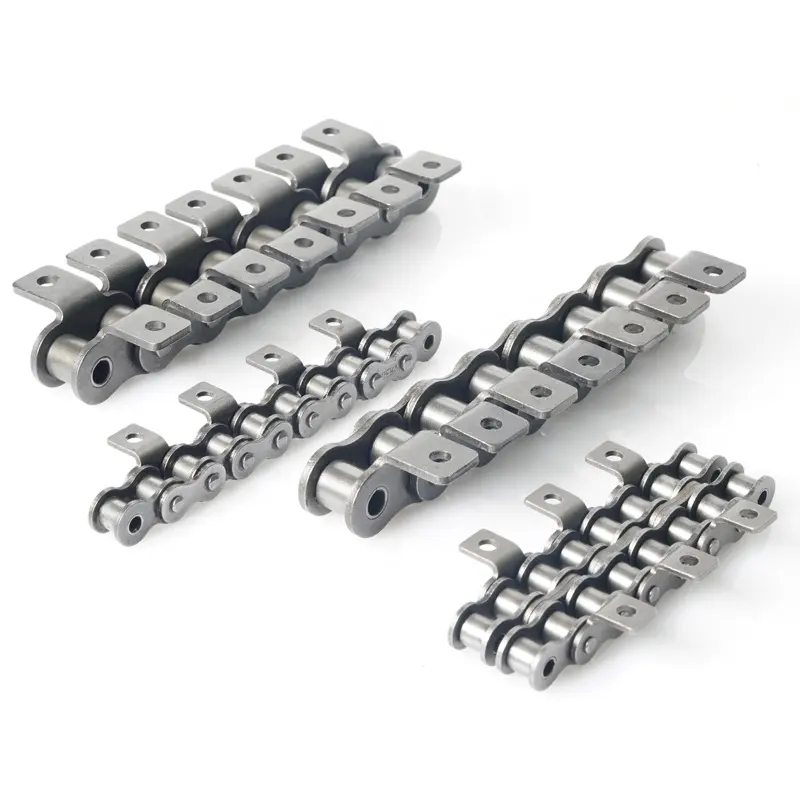
| Modelnr. | 06C/08A/10A/12A/16A/20A/24A/28A/32A/40A/06B/08B/10B/12B/16B/20B/24B/28B/32B/40B-1/2/3 Zwaar uitgevoerd |
| Kettingmodel | Rollenkettingen |
| Structuur (voor keten) | Rollenketting |
| Specificatie | GB/T, DIN, ANSI, ISO, BS, JIS. |
| Oorsprong | HangZhou, ZheJiang |
| Kleur | Effen kleur |
| Kettingkleur | Op maat gemaakt |
Ons bedrijf
Wolff Chain Co. is een van de professionele kettingfabrikanten in China. We richten ons op onderzoek, productie en handel in kettingaandrijvingen van bekende merken zoals "DOVON" en "DECHO". We leveren OEM-diensten aan vele bekende bedrijven zoals SUZUKI, XIHU (WEST LAKE) DIS., FAW, AGCO en JUMING.
Wolff mainly producing the Transmission chains,Conveyor chains,Dragging Chains,Silent chains,Leaf chains,Roller chains,Special chain and many other series of chain products. Our technicians a have improved the chains quality to the world-level. High quality material selection, powerful and precise heat-treatment technology and excellent assembly methods ensure Wolff chains meet the tough and strict requirements for machines and vehicles.
Al onze producten voldoen volledig aan internationale normen zoals ISO, DIN, ANSI, BS, JIS, enz. Wolff is succesvol gecertificeerd volgens het ISO 9001-kwaliteitsmanagementsysteem en heeft inspecties van SGS en BV doorstaan. Wolff-kettingen kunnen breed worden toegepast in diverse industrieën, waaronder de auto-, motorfiets-, heftruck-, houtbewerkings-, bouw-, verpakkings-, voedselverwerkings-, tabaks- en landbouwmachines. Wolff-kettingen zijn populair in Amerika, Zuid-Amerika, Europa, het Midden-Oosten, Zuidoost-Azië en Afrika.
Onze werkplaats
Onze certificering
Welkom bij onze tentoonstelling.
Veelgestelde vragen
Q1. Wat zijn uw verpakkingsvoorwaarden?
A: Over het algemeen verpakken we onze goederen in effen gekleurde dozen. Als u speciale wensen heeft met betrekking tot de verpakking, kunt u dit vooraf met ons bespreken. We kunnen de goederen dan verpakken volgens uw wensen.
Vraag 2. Wat zijn uw betalingsvoorwaarden?
A: T/T 30% als aanbetaling en 70% vóór levering. We laten u foto's zien van de producten en verpakkingen.
Voordat u het resterende bedrag betaalt. Voor andere betalingsvoorwaarden kunt u dit vooraf met ons bespreken.
Vraag 3. Wat zijn uw leveringsvoorwaarden?
A: EXW, FOB, CFR, CIF.
Vraag 4. Hoe zit het met uw levertijd?
A: Over het algemeen duurt het 25 tot 30 dagen na ontvangst van uw aanbetaling. De exacte levertijd is afhankelijk van de situatie.
over de artikelen en de hoeveelheid van uw bestelling.
Vraag 5. Kunt u produceren volgens de voorbeelden?
A: Ja, we kunnen produceren op basis van uw monsters of technische tekeningen. We kunnen de mallen en hulpstukken maken.
Vraag 6. Wat is uw beleid met betrekking tot het bemonsteren van monsters?
A: We kunnen een monster leveren als we de onderdelen op voorraad hebben, maar de klant moet de kosten van het monster betalen.
De koerierskosten. Proefbestellingen zijn welkom.
Vraag 7. Test u al uw goederen vóór levering?
A: Ja, we hebben een 100%-test vóór levering.
Vraag 8: Hoe zorgen we voor een langdurige en goede zakelijke relatie?
1. Wij handhaven een goede kwaliteit en een concurrerende prijs om ervoor te zorgen dat onze klanten hiervan profiteren;
2. Wij beschouwen elke klant als een vriend en doen oprecht zaken met hen en streven naar vriendschap.
| Standaard of niet-standaard: | Standaard |
|---|---|
| Sollicitatie: | Textielmachines, kledingmachines, transportbanden, verpakkingsmachines, voedselverwerkingsmachines, scheepvaartmachines, mijnbouwmachines |
| Oppervlaktebehandeling: | Oliebloei |
| Structuur: | Rollenketting |
| Materiaal: | Carbon Steel |
| Type: | Short Pitch Chain |
| Voorbeelden: |
US$ 0/stuk
1 stuk (minimale bestelling) | |
|---|
| Aanpassing: |
Beschikbaar
| Aanvraag op maat |
|---|
What are the benefits of using a corrosion-resistant transmission chain?
Using a corrosion-resistant transmission chain offers several advantages in terms of performance, durability, and cost-effectiveness. Here’s a detailed answer to the question:
1. Extended Lifespan: Corrosion-resistant transmission chains are specifically designed to withstand harsh environments and resist the effects of corrosion. They are made from materials such as stainless steel, nickel-plated steel, or coatings like zinc or chrome, which provide excellent protection against corrosion. By using a corrosion-resistant chain, you can significantly extend the lifespan of the chain and reduce the need for frequent replacements.
2. Reliable Performance: Corrosion can negatively impact the performance of transmission chains by causing wear, friction, and binding. Corrosion-resistant chains maintain their smooth operation and consistent performance over time, ensuring reliable power transmission and reducing the risk of chain failure or downtime.
3. Reduced Maintenance: Corrosion-resistant chains require less maintenance compared to standard chains. They are less prone to rust and degradation, resulting in lower maintenance costs and time spent on chain lubrication, cleaning, and replacement. This is particularly beneficial in industries where maintenance accessibility is challenging or costly.
4. Cost Savings: although corrosion-resistant chains may have a higher upfront cost compared to standard chains, they offer long-term cost savings. The extended lifespan and reduced maintenance requirements result in lower overall operating costs and improved equipment reliability. Additionally, avoiding premature chain failure due to corrosion can prevent costly equipment damage and production downtime.
5. Versatility: Corrosion-resistant transmission chains are suitable for a wide range of applications and environments. They can be used in industries such as food processing, marine, chemical, pharmaceutical, or outdoor equipment, where exposure to moisture, chemicals, s altwater, or other corrosive substances is common. The versatility of corrosion-resistant chains allows them to be deployed in diverse operating conditions without compromising performance or durability.
6. Compliance with Regulations: In certain industries, such as food processing or pharmaceuticals, strict regulations and hygiene standards are in place. Using corrosion-resistant chains helps meet these regulatory requirements, ensuring product integrity, safety, and compliance with industry standards.
By choosing a corrosion-resistant transmission chain, you can benefit from its extended lifespan, reliable performance, reduced maintenance, cost savings, versatility, and compliance with regulations. It is important to consider the specific application requirements and environmental conditions when selecting the appropriate corrosion-resistant chain for optimal performance and longevity.
Can transmission chains be used in mining or heavy-duty industrial applications?
Transmission chains are commonly used in mining and heavy-duty industrial applications due to their durability and strength. Here’s a detailed answer to the question:
1. Robust Construction: Transmission chains designed for mining and heavy-duty industrial applications are built to withstand extreme conditions and heavy loads. They are constructed using high-quality materials and undergo rigorous testing to ensure they can handle the demanding environments and intense operating conditions.
2. High Load Capacity: Mining and heavy-duty industrial applications often involve transporting heavy loads or operating equipment under significant stress. Transmission chains used in these applications are engineered to have high load capacity, allowing them to reliably transmit power and handle the substantial forces encountered in such operations.
3. Resistance to Wear and Abrasion: Mining and heavy-duty industrial environments can be abrasive and cause rapid wear on components. Transmission chains used in these applications are designed with excellent wear resistance to withstand the abrasive nature of the materials being handled. They are often treated with specialized coatings or surface treatments to enhance their resistance to wear and extend their lifespan.
4. Corrosion Resistance: Mining operations and heavy-duty industrial settings may expose transmission chains to corrosive substances or environments. To combat corrosion, transmission chains used in these applications are often made from materials such as stainless steel or treated with anti-corrosion coatings. This ensures the chains can maintain their integrity and performance over time, even in harsh conditions.
5. Reliability and Durability: Mining and heavy-duty industrial applications require reliable and durable equipment to minimize downtime and maximize productivity. Transmission chains are known for their reliability and ability to operate in challenging conditions, making them well-suited for these demanding applications. Proper maintenance and regular inspections are necessary to ensure optimal performance and maximize the lifespan of the chains.
When selecting transmission chains for mining or heavy-duty industrial applications, it’s essential to consider factors such as load capacity, speed, environmental conditions, and compatibility with other equipment. Consulting with experts or manufacturers specializing in chains for these specific applications can help ensure the best chain selection for optimal performance and longevity.
What materials are commonly used in manufacturing transmission chains?
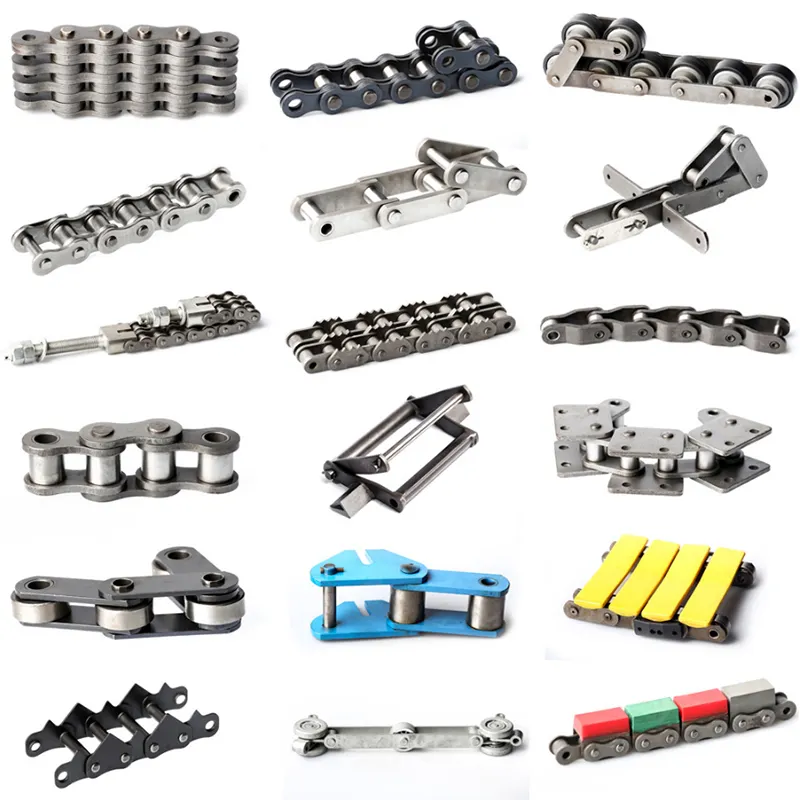
Transmission chains are manufactured using various materials, each offering different properties and advantages. The choice of material depends on the specific application requirements, including load capacity, wear resistance, and environmental conditions. Here are some commonly used materials in the manufacturing of transmission chains:
- Carbon Steel: Carbon steel is a popular choice for transmission chains due to its excellent strength, durability, and affordability. It provides good wear resistance and can handle moderate loads.
- Stainless Steel: Stainless steel chains are highly resistant to corrosion and offer superior durability in challenging environments. They are commonly used in industries where cleanliness and hygiene are critical, such as food processing and pharmaceuticals.
- Alloy Steel: Alloy steel chains are alloyed with various elements to enhance their mechanical properties. They offer higher strength, increased wear resistance, and improved fatigue resistance compared to carbon steel chains.
- Plastic: Plastic chains are lightweight, corrosion-resistant, and offer excellent chemical resistance. They are often used in applications where noise reduction, low friction, or non-magnetic properties are required.
- Non-metallic Composites: Non-metallic composite chains are made from materials such as fiberglass, carbon fiber, or Kevlar. These chains offer high strength-to-weight ratios, exceptional chemical resistance, and low friction characteristics.
It’s important to select the appropriate chain material based on the specific operating conditions and requirements of the application. Factors such as load capacity, speed, environmental conditions, and maintenance considerations should be taken into account when choosing the material for a transmission chain.


editor by CX 2023-07-20