Define the decision criteria before comparing
The practical route is to move from machine duty to geometry, then to dynamic effects and service conditions, and only then approve a purchase or maintenance action. These chain types transmit motion through different contact arrangements. The best choice depends on speed, noise, packaging, lubrication, and the mating sprocket rather than on a generic ranking of strength.
사용하세요 변속기 제품군 as a map of available chain families only after you have captured roller chain and bush chain. For this topic, the first release condition is specific: keep roller chain when its rating, noise, speed, and maintenance burden fit the machine. That sequence keeps catalog browsing from turning into a pitch-only or appearance-only substitution.
- 롤러 체인
- 두 번째 엔지니어가 동일한 선택 또는 진단을 재현할 수 있도록 이 요구 사항을 충분한 맥락과 함께 기록하십시오.
- 부시 체인
- 의사 결정을 내리기 전에 도면, 측정값, 계산 결과 또는 운영 기록에서 이러한 정보를 확보하십시오.
- 사일런트 체인
- 이를 제어 변수로 취급하고, 작업 기록에 해당 값, 단위, 작동 상태 및 출처를 기록하십시오.
- Inverted Tooth
- 외관만 보고 판단하지 말고, 해당 제품의 실제 드라이브와 현재 공급업체 데이터를 대조하여 확인하십시오.
- Chain Speed
- 이 매개변수를 사용하여 부적합한 옵션을 조기에 제외하고, 검증된 값을 최종 사양에 사용할 수 있습니다.
Use roller chain as the general-purpose baseline
Work from evaluate a standard roller chain first for conventional industrial power transmission with accessible lubrication and ordinary noise requirements. The engineering link is the roller reduces sliding at sprocket engagement and standardized families simplify sourcing. One useful detail is that roller-chain behavior is well understood but still depends on joint lubrication and alignment. Otherwise, using it in a noise-critical or very high-speed duty without checking dynamics can create unacceptable impact and vibration.
Verify at the drive: calculate chain speed and review the intended small sprocket, environment, and lubrication method. Close this check only after you can keep roller chain when its rating, noise, speed, and maintenance burden fit the machine. Keep photographs or dimensions when they help preserve the interface condition.
Consider bush chain where roller function is unnecessary
Base the decision on compare a bush-chain design when the application or standard uses bush engagement without a free roller. It matters because removing the roller changes how the chain contacts the sprocket and how friction and wear are managed. During service, bush chains require the matching sprocket geometry and should not be treated as roller-chain substitutes by pitch alone. A poor assumption can cause a mismatched sprocket or duty can produce high sliding wear and poor engagement.
Use this confirmation: identify the exact bush-chain standard or supplier series and its associated sprocket. Proceed when you can verify the manufacturer rates that chain type for the intended power, speed, and environment. If readings vary around the chain or sprocket, retain the spread instead of hiding it in one average.
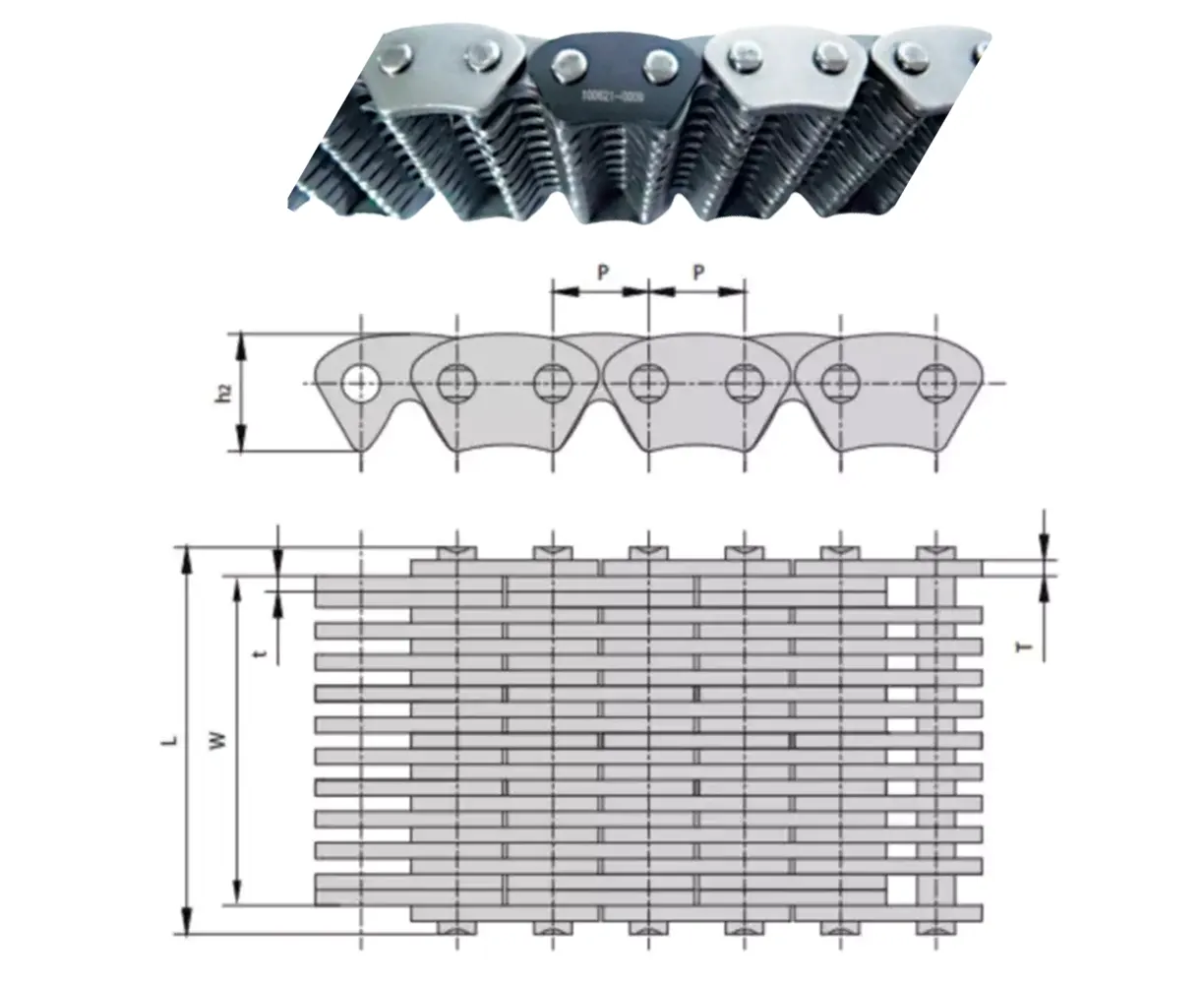
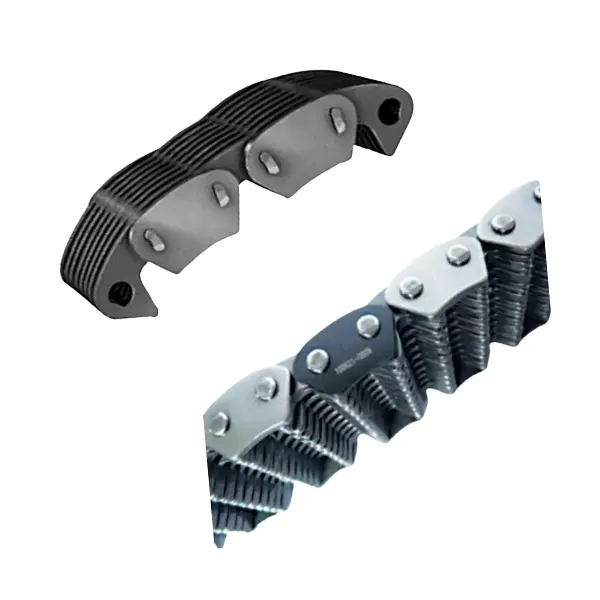
Use silent chain when high-speed smoothness and noise justify it
The controlling action is to evaluate inverted-tooth silent chain for high-speed drives where reduced engagement impact is valuable. Its significance comes from silent-chain link plates engage the sprocket differently and can reduce impact noise relative to roller chain. In the field, silent chains use dedicated sprockets and require reliable lubrication; some designs are directional. The failure consequence is substituting silent chain without redesigning sprockets and lubrication is not a drop-in conversion.
Check the hardware directly: review shaft direction, reversing duty, lubrication delivery, and required sprocket tooth form. Approval requires that you can confirm the silent-chain series supports the direction, speed, and transmitted load. Write down any uncertainty that still needs a drawing, manual, or supplier response.
Compare sprockets as part of the chain-type decision
First, price and package the required roller, bush, or silent-chain sprocket rather than comparing chain strands alone. That step is tied to each chain type depends on its own tooth geometry and engagement path. A practical observation is that silent-chain sprockets resemble gears, while roller and bush chains use different seating relationships. Missing it can lead to ignoring the sprocket can make an otherwise attractive chain type impossible to retrofit.
For evidence, obtain sprocket pitch, tooth form, face width, bore, and outside-diameter drawings for each candidate. Finish when you can select only a complete chain-and-sprocket system that fits the shaft and guard envelope. Retain enough context to distinguish a new-chain dimension from a wear-affected measurement.
Match lubrication to joint construction and speed
Treat determine how lubricant reaches the articulating surfaces and whether the machine can sustain that method as the control point. The reason is all three concepts depend on controlling friction and wear at moving joints, but delivery requirements differ with speed and construction. Real installations also show that oil bath or forced lubrication may be necessary for some high-speed silent-chain duties. The likely consequence of error is choosing a low-noise chain without a viable lubrication system can cause rapid wear.
Make the check at the machine: map the lubricant path through the guard and inspect whether every joint receives oil during operation. The release criterion is to approve the chain type only when the required lubrication method is practical and maintainable. Record whether the drive was stopped, loaded, warm, cold, clean, or contaminated as relevant.
Choose from the dominant system constraint
Do not choose the hardware until you rank speed, noise, compactness, load, reversing, environment, maintenance access, and cost in order of importance. This matters because no chain type is best on every axis. Remember that a packaging-driven machine may favor one solution while a noise-critical enclosure favors another. If ignored, using a generic best-chain claim can sacrifice the requirement that actually controls the machine.
Validate with a repeatable observation: score each candidate against the same requirement list and identify any non-negotiable failure. Move on after you can select the option with no unresolved constraint rather than the one with the most theoretical advantages. Preserve the source of any numerical limit that belongs to a specific chain series.
Side-by-side engineering checks
| 결정의 순간 | 검사 또는 계산 | 수용 증거 |
|---|---|---|
| Use roller chain as the general-purpose baseline | calculate chain speed and review the intended small sprocket, environment, and lubrication method | keep roller chain when its rating, noise, speed, and maintenance burden fit the machine |
| Consider bush chain where roller function is unnecessary | identify the exact bush-chain standard or supplier series and its associated sprocket | verify the manufacturer rates that chain type for the intended power, speed, and environment |
| Use silent chain when high-speed smoothness and noise justify it | review shaft direction, reversing duty, lubrication delivery, and required sprocket tooth form | confirm the silent-chain series supports the direction, speed, and transmitted load |
| Compare sprockets as part of the chain-type decision | obtain sprocket pitch, tooth form, face width, bore, and outside-diameter drawings for each candidate | select only a complete chain-and-sprocket system that fits the shaft and guard envelope |
| Match lubrication to joint construction and speed | map the lubricant path through the guard and inspect whether every joint receives oil during operation | approve the chain type only when the required lubrication method is practical and maintainable |
| Choose from the dominant system constraint | score each candidate against the same requirement list and identify any non-negotiable failure | select the option with no unresolved constraint rather than the one with the most theoretical advantages |
| For this article, do not close the job until the roller chain evidence and every critical mating interface are recorded together. | ||
인접한 부품이 중요한 이유는 체인 동작이 전체 구동에 따라 달라지기 때문입니다. review silent-chain and drive-chain examples provides additional product context for roller, bush, and silent chain selection; use it to frame questions, then confirm dimensions and ratings from the exact component drawing used on the machine.
Tradeoffs that should stop a substitution
Release check: keep roller chain when its rating, noise, speed, and maintenance burden fit the machine.
Release check: verify the manufacturer rates that chain type for the intended power, speed, and environment.
Release check: confirm the silent-chain series supports the direction, speed, and transmitted load.
Release check: select only a complete chain-and-sprocket system that fits the shaft and guard envelope.
Comparison FAQs
Choose the architecture that fits the duty
Close this comparison task with a traceable record of roller chain, bush chain, and the inspection result for “Choose from the dominant system constraint.” The release note should state the operating condition used for the check and identify the drawing, rating table, or machine document that set any model-specific limit. The 체인 및 스프로킷 구동 옵션 인접한 구성 요소도 검토가 필요한 경우 더 광범위한 체인 구동 컨텍스트를 제공할 수 있습니다.
If roller, bush, and silent chain selection still contains an unresolved variable, send the application data to the chain engineering team with the operating state, the relevant measurements, photographs of the chain and sprockets, and the unknown item clearly marked. For this topic, pay particular attention to silent chain. Resolving that gap before purchase or restart is usually cheaper than diagnosing a second problem created by an assumed value.
Send the operating condition, roller chain, bush chain, layout evidence, and the unresolved interface so the next decision is based on machine data rather than assumption.