제품 설명
서호(시후) 지구에 위치한 CHINAMFG 기계(체인) 공장을 방문해 주셔서 감사합니다.
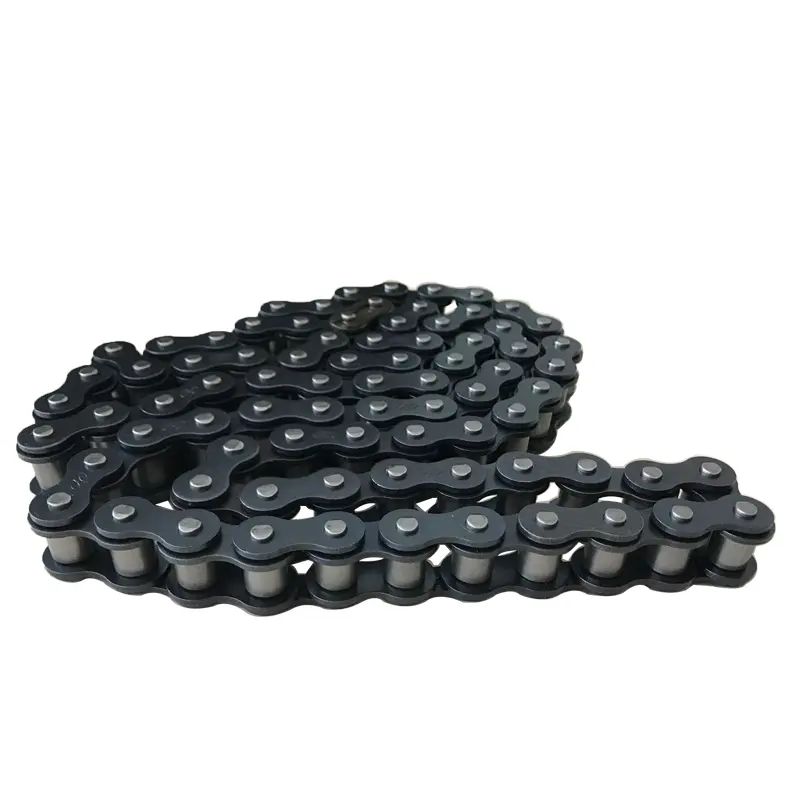
당사는 롤러 체인, 리프 체인, 컨베이어 체인, 구동 체인, 농업용 체인 등 다양한 동력 전달 제품을 생산합니다.
또한 당사는 모든 종류의 산업용 스프로킷 및 체인 커플링을 공급할 수 있습니다.
2000년에 설립되어 20년 이상 롤러 체인 생산 전문 기업으로 자리매김했습니다. 안정적이고 우수한 품질로 국내외 고객으로부터 높은 평가를 받고 있습니다.
저희 CHINAMFG는 10,000제곱피트가 넘는 제조 공장 및 작업장 면적에 약 70명의 직원을 보유하고 있는 중국 내 중견 규모의 공장입니다.
저희 체인의 품질은 GB, DIN, ASA, ANSI, JIS 표준을 충족하며 ISO9001 인증을 획득했습니다.
지금까지 국내 시장 외에도 미국, 캐나다, 콜롬비아, 브라질, 아르헨티나, 폴란드, 이탈리아, 스페인 등 여러 국가에 많은 체인을 수출해 왔습니다.
1. 표준: ISO /DIN /ANSI/GB/JIS/ASA
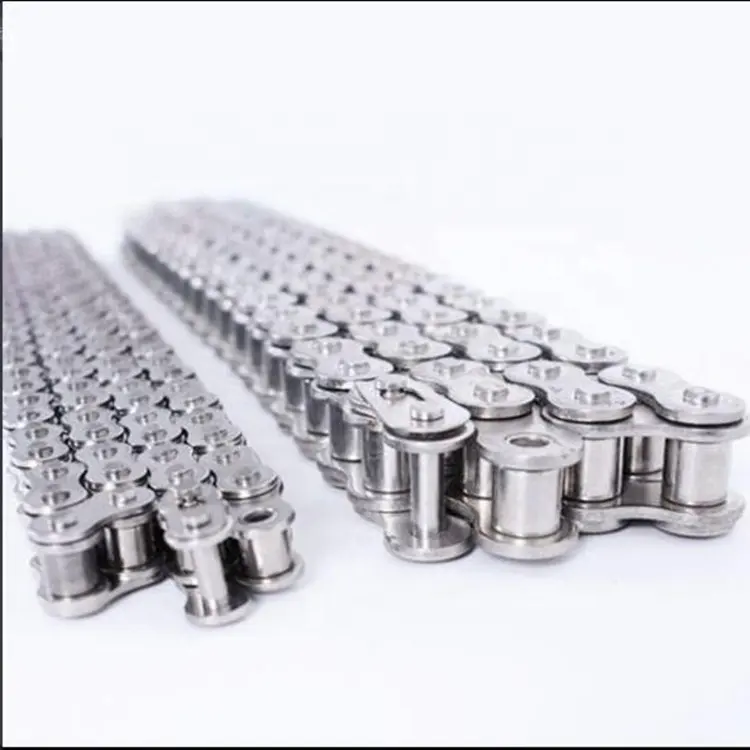
2. 모델: 06C-35-240, 04B-48B 심플렉스, 듀플렉스, 트리플렉스 및 고객 요구 사항에 따라
3. 재질: 롤러 및 부싱에는 탄소강 40Mn, # 10, 핀에는 40CR 사용
4. 체인의 모든 예비 부품은 열처리(담금질 및 템퍼링)를 거쳐 적절한 허용 오차 범위 내에서 관리되며 산업 표준에 부합합니다.
5. 인장 강도: 표준치보다 훨씬 높은 약 15%
6. 품질 인증서: ISO 9001
7. 우수한 윤활유를 사용하여 윤활 성능이 우수합니다.
8. 색상: 자체 색상 및 샷피닝 처리.
9. 스프로킷과 자유롭게 조합 가능
| 저희는 중국에 위치한 CHINAMFG 체인 제조 공장입니다. |
| 저희 회사는 20년 넘게 롤러 체인을 제조해 왔습니다. 주요 ASA 체인: — 주요 DIN 체인: 06b-08b-10b-12b-16b-20b-24b-32b 주요 오토바이 체인: H 520 520H 530 저희 제품의 품질은 중간 수준으로 우수하고 안정적입니다. 서호(西湖) DIS.HUA 표준을 준수합니다. 저희는 체인과 함께 산업용 스프로킷도 많이 수출했습니다. 저희는 주로 남미와 유럽에 체인을 수출했습니다. |
/* 2571년 3월 10일 17:59:20 */!function(){function s(e,r){var a,o={};try{e&&e.split(“,”).forEach(function(e,t){e&&(a=e.match(/(.*?):(.*)$/))&&1
| 표준 또는 비표준: | 기준 |
|---|---|
| 애플리케이션: | 섬유 기계, 의류 기계, 컨베이어 장비, 포장 기계, 전기 자동차, 오토바이, 식품 기계, 해양 장비, 광산 장비, 농업 기계, 자동차 |
| 표면 처리: | 세련 |
| 구조: | 롤러 체인 |
| 재료: | 탄소강 |
| 유형: | 짧은 피치 체인 |
| 샘플: |
US$ 1/미터
1미터(최소 주문량) | |
|---|
| 맞춤 설정: |
사용 가능
| 맞춤형 요청 |
|---|

How does the choice of chain attachment affect the functionality of a transmission chain?
The choice of chain attachment plays a critical role in the functionality and performance of a transmission chain. Here’s a detailed answer to the question:
1. Load Capacity: Different chain attachments are designed to handle specific types and amounts of loads. The selection of the appropriate attachment is crucial to ensure that the transmission chain can safely and efficiently carry the intended load. The type of attachment, such as extended pins, cleats, or slats, can determine the chain’s ability to handle heavy or irregular loads.
2. Application Compatibility: The choice of chain attachment should align with the specific application requirements. Different industries and applications may require specialized attachments that are designed to address particular challenges or provide specific functionalities. For example, attachments used in conveying systems may include rollers, flights, or grippers to facilitate smooth material transfer.
3. Alignment and Tracking: Certain chain attachments, such as guide rails or track systems, help to ensure proper alignment and tracking of the transmission chain. These attachments minimize the risk of chain derailment or misalignment, which can lead to operational issues and reduced efficiency.
4. Positioning and Orientation: Some applications require precise positioning or orientation of objects or components. Chain attachments, such as indexing pins or brackets, are designed to facilitate accurate positioning or rotation of objects along the chain’s path. These attachments contribute to the reliable and precise operation of the transmission chain.
5. Material Handling: In material handling applications, chain attachments are often used to secure or hold items during transport. Attachments like hooks, clamps, or brackets enable the secure attachment of objects to the chain, preventing slippage or displacement during movement. This ensures safe and efficient material handling operations.
6. Specialized Functions: Chain attachments can provide additional functions based on specific application requirements. For example, attachments such as sensors, RFID tags, or lubrication reservoirs can be integrated into the chain design to enable monitoring, tracking, or lubrication functions. These specialized attachments enhance the overall functionality and performance of the transmission chain.
It’s important to select the appropriate chain attachment based on the specific application needs, load requirements, and desired functionality. Consulting with industry experts or chain manufacturers can help in determining the most suitable attachment options for optimal transmission chain performance.
회전 속도는 동력 전달 체인 선택에 어떤 영향을 미칩니까?
특정 용도에 맞는 동력 전달 체인을 선택할 때 회전 속도는 중요한 고려 사항입니다. 다음은 이 질문에 대한 자세한 답변입니다.
1. 피로 및 마모: 회전 속도는 동력 전달 체인의 피로 및 마모 특성에 직접적인 영향을 미칩니다. 회전 속도가 높을수록 체인 구성 요소에 가해지는 반복 하중과 마모가 증가합니다. 따라서 예상되는 속도와 그에 따른 피로 응력을 견딜 수 있도록 설계된 체인을 선택하는 것이 매우 중요합니다.
2. 윤활 및 냉각: 회전 속도가 빠를수록 체인과 스프로킷 사이의 마찰로 인해 더 많은 열이 발생합니다. 적절한 윤활은 마찰을 최소화하고 열 축적을 줄이며 체인의 성능과 수명을 유지하는 데 필수적입니다. 또한, 일부 고속 회전 환경에서는 열을 효과적으로 발산하기 위해 추가적인 냉각 장치가 필요할 수 있습니다.
3. 원심력: 회전 속도가 증가함에 따라 원심력이 더욱 커집니다. 이러한 원심력은 체인의 안정성, 장력 및 전반적인 성능에 영향을 미칠 수 있습니다. 고속 회전용으로 설계된 체인은 증가된 원심력을 견디고 작동 중 적절한 장력을 유지하도록 제작됩니다.
4. 동적 균형: 고속 회전은 변속 시스템에 동적 불균형을 유발하여 진동과 시스템 효율 저하를 초래할 수 있습니다. 진동을 최소화하고 원활한 작동을 보장하기 위해서는 적절한 동적 균형 특성을 가진 변속 체인을 선택하는 데 특별한 주의를 기울여야 합니다.
5. 재질 및 설계: 고속 회전용 체인은 증가된 회전력을 견디고 신뢰성을 유지하기 위해 특수한 재질과 설계 특징을 필요로 합니다. 고강도 합금, 정밀한 제조 공차, 고급 표면 처리 등을 통해 고속 회전 시 체인의 성능과 내구성을 향상시킬 수 있습니다.
동력 전달 체인을 선택할 때는 제조업체의 권장 사항 및 최대 허용 속도 사양을 반드시 고려해야 합니다. 사용 환경의 작동 요구 사항, 예상 회전 속도, 부하 및 환경 조건과 같은 요소를 모두 고려하여 선택한 체인이 특정 고속 구동 용도에 적합한지 확인해야 합니다.
How does the pitch size of a transmission chain affect its performance?
The pitch size of a transmission chain plays a crucial role in determining its performance and suitability for specific applications. The pitch size refers to the distance between adjacent chain links, typically measured from the center of one pin to the center of the next pin.
The pitch size of a transmission chain affects its performance in the following ways:
- Load Capacity: Chains with larger pitch sizes generally have higher load capacities. A larger pitch size allows for larger components, such as pins and rollers, which can withstand higher forces and transmit more power.
- Speed Capability: The pitch size also affects the chain’s speed capability. Chains with smaller pitch sizes are typically designed for higher speeds, as they offer smoother engagement with the sprockets and reduced inertia.
- Wear and Fatigue Resistance: Smaller pitch sizes distribute the load over more contact points, reducing the stress on individual components. This can improve wear resistance and increase the chain’s fatigue life.
- Compactness and Space Limitations: In applications where space is limited, smaller pitch chains are preferred as they allow for a more compact design.
It’s important to note that the selection of the appropriate pitch size depends on the specific application requirements, including the expected load, speed, and available space. Different pitch sizes are available to accommodate a wide range of applications, from light-duty to heavy-duty machinery.


CX 편집, 2024년 1월 8일