製品説明
製品説明
Vision Groupは、駆動チェーン、コンベヤチェーン、オートバイチェーン、ホイストチェーン、農業用チェーン、ステンレス鋼チェーン、鍛造リベットレスチェーン、ロングピッチコンベヤチェーンなどを製造する最大手メーカーの1つです。
GB/T、DIN、ANSI、ISO、BS、JIS。
ISO9001:2000およびISO1400:2004。
製品属性
| 製品名 | トランスミッション標準ローラーチェーン |
|
表面処理 |
ショットピーニング、焼き戻し油処理、ニッケルメッキ グリース、亜鉛メッキ、熱処理、防汚加工 浸炭処理、予延伸および耐疲労処理、焼入れ |
| 製品用途 | 工業機械、農業、鉱業、冶金、 石油化学産業、揚水 運輸業およびその他の産業 |
| 製品シリーズ |
シリーズA、シリーズB、ヘビーデューティー |
| 材料 |
ステンレス鋼と炭素鋼 |
| 構造 |
単相/複相/三相 |
| ポート |
中国のどの港または空港でも |
| ブランド | テレビOEM |
| 支払い |
L/C、T/T、D/P、ウエスタンユニオン |
| パッケージ |
チェーン、ビニール袋、カラーボックス、木箱。またはOEM |
| シリーズ | 03C、04C-1、06C-1、085-1、08A-1、10A-1、12A-1、16A-1、20A-1、24A-1、28A-1、32A-1、36A-1、40A-1、48A-1。
15,25,35,41,40,50,60,80,100,120,140,160,180,200,240 |
| 04C-2、06C-2、085-2、08A-2、10A-2、12A-2、16A-2、20A-2、24A-2、28A-2、32A-2、36A-2、40A-2、48A-2。
25-2,35-2,41-2,40-2,50-2,60-2,80-2,100-2,120-2,140-2,160-2,180-2,200-2,240-2. |
|
| 04C-3、06C-3、085-3、08A-3、10A-3、12A-3、16A-3、20A-3、24A-3、28A-3、32A-3、36A-3、40A-3、48A-3。
25-3,35-3,41-3,40-3,50-3,60-3,80-3,100-3,120-3,140-3,160-3,180-3,200-3,240-3. |
|
| Bシリーズ | 05B-1、06B-1、08B-1、10B-1、12B-1、16B-1、20B-1、24B-1、28B-1、32B-1、40B-1、48B-1、56B-1、64B-1、72B-1。 |
| 05B-2、06B-2、08B-2、10B-2、12B-2、16B-2、20B-2、24B-2、28B-2、32B-2、40B-2、48B-2、56B-2、64B-2、72B-2。 |
|
| 05B-3、06B-3、08B-3、10B-3、12B-3、16B-3、20B-3、24B-3、28B-3、32B-3、40B-3、48B-3、56B-3、64B-3、72B-3。 |
|
| ヘビーデューティー | 08AH-1、10AH-1、12AH-1、16AH-1、20AH-1、24AH-1、28AH-1、32AH-1、36AH-1、40AH-1、48AH-1
35H、40H、50H、60H、80H、100H、120H、140H、160H、180H、200H、240H |
| 12AH-2、16AH-2、20AH-2、24AH-2、28AH-2、32AH-2、40AH-2、
35H-2、40H-2、50H-2、60H-2、80H-2、100H-2、120H-2、140H-2、160H-2、180H-2、200H-2、240H-2。 |
|
| 12AH-3、16AH-3、20AH-3、24AH-3、28AH-3、32AH-3、40AH-3
35H-3、40H-3、50H-3、60H-3、80H-3、100H-3、120H-3、140H-3、160H-3、180H-3、200H-3、240H-3。 |
|
| ダブルピッチシリーズ |
208A、208B、210A、210B、212A、212B、216A、216AH、216B、220A、220B、224A、224B、228B、232B
2040、2050、2060、2080、2080H、2100、2120 |
| お客様のご要望に応じてOEM生産も承っております。 | |
製品パラメータ
当社の強み
会社の強み:
自社で輸出入ライセンスを保有し、テレビの商標は多くの国で登録に成功しており、販売ネットワークは中国全土に広がり、製品は5大陸65カ国に輸出されています。
会員資格:
1. 中国総合機械部品工業協会の会員。
2. 中国チェーン伝動協会の会員。
3. 中国チェーン標準化協会の会員。
4. 中国農業機械製造業者協会の会員。
優秀な訓練を受けたスタッフと従業員、先進的で効率的な設備、充実した販売ネットワーク、厳格な品質保証システムにより、当社の高品質なサプライチェーンは、お客様のあらゆる仕様と最も厳しい品質基準を満たすことができると確信しております。
当社を選ぶ理由
包括的な製品ポートフォリオ 当社は幅広い動力伝達機器を製造・供給しています
ドライブチェーン、リーフチェーン、コンベヤチェーン、農業用チェーン、スプロケットなどの製品、
カップリング。このワンストップショッピング体験は、検索コストを大幅に削減し、
ワンクリックで欲しいものが見つかることを保証します。
バリューチョイス製品 当社の製品は品質と価格の最高の組み合わせであり、
予算内で欲しいもの
経験豊富な営業担当者とエンジニア 当社には15名の経験豊富な営業担当者と5名のエンジニアがいます。
いつでもお手伝いが必要な時に、当社のチームが対応いたします。業界に関する十分な訓練を受けています。
すぐにご連絡いただければ、お客様のご要望には常に24時間以内に対応いたします。
100% 顧客維持率 海外からの常連客が戻ってくるのは、単に私たちの
高品質な製品はもちろんのこと、長年にわたって提供してきた優れたサービスこそが、私たちの強みです。
よくある質問
Q1:平均リードタイムはどれくらいですか?
A:状況によります。通常、納期は1~2ヶ月です。お急ぎのご注文には速達便もご用意しております。詳細は営業担当者までお問い合わせください。
Q2:同じ品質であれば、御社の価格は競合他社よりも優れていますか?
A:もちろんです。当社は送電業界で最も競争力のある価格を提供しています。もし価格差がある場合は、喜んで価格を合わせさせていただきます。
Q3:私のCAD図面に基づいてチェーンを製作できますか?
A:はい。通常の標準チェーンに加え、特定の技術要件を満たすための非標準品や特注品も製造しています。実際、当社の生産能力のかなりの部分が非標準品の製造に充てられています。
Q4:出荷前に商品を検査することはできますか?
A:はい。お客様ご自身、またはお客様の代理人、もしくは指定された第三者検査機関は、当社の施設に立ち入り、検査を行うことができます。
Q5:御社ではどのような支払い方法が受け入れられますか?
A:柔軟に対応いたします。T/T、L/C、その他お客様にとって適用可能なオンライン決済方法であれば、何でもお受けいたします。
Q6:他に質問がある場合はどうすればよいですか?
A:ご不明な点がございましたら、いつでもお気軽に弊社の販売担当者にご相談ください。お客様にご満足いただけるよう、全力でサポートいたします。
|
送料:
単位当たりの推定運賃。 |
交渉の余地あり |
|---|
| 使用法: | トランスミッションチェーン |
|---|---|
| 材料: | 合金鋼/炭素鋼 |
| 表面処理: | 研磨 |
| カスタマイズ: |
利用可能
| カスタマイズされたリクエスト |
|---|
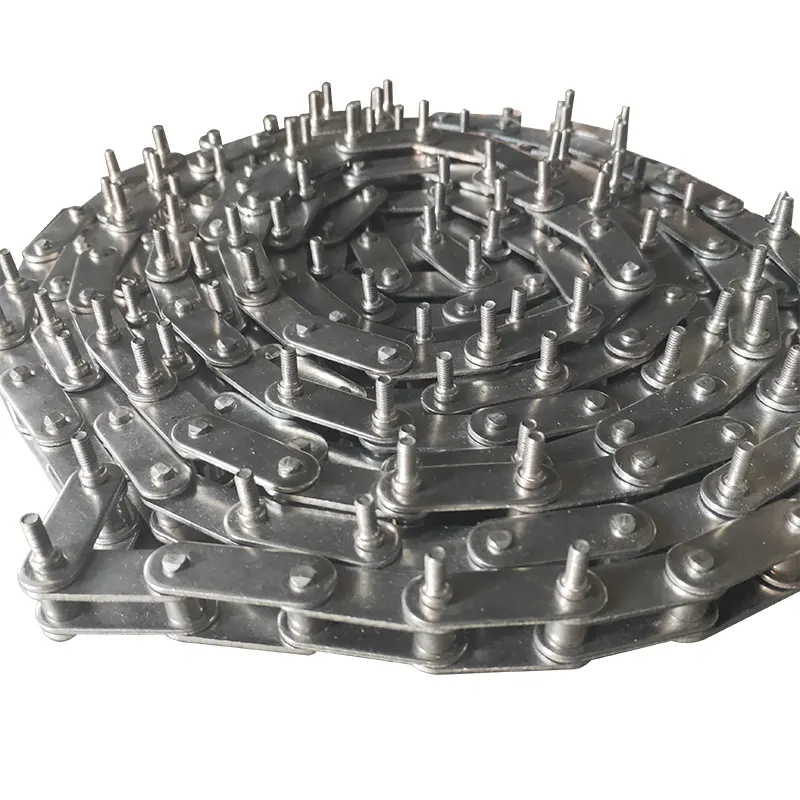
伝動チェーンに耐腐食性素材を使用する利点は何ですか?
伝動チェーンに耐腐食性素材を使用することには、いくつかの利点があります。以下に、その質問に対する詳細な回答を示します。
ステンレス鋼や特殊コーティングなどの耐腐食性材料は、伝動チェーンに次のような利点をもたらします。
1. 耐久性の向上:腐食は、表面劣化、孔食、錆などを引き起こし、伝動チェーンの寿命を著しく縮める可能性があります。耐腐食性素材を使用することで、チェーンの耐久性が向上し、過酷な環境、化学物質、湿気、温度変化にも耐えられるようになります。
2. 耐用年数の延長:耐腐食性素材を使用することで、チェーン表面の錆や腐食の発生を防止または最小限に抑えることができます。これによりチェーンの耐用年数が延び、交換頻度とそれに伴うダウンタイムおよびメンテナンスコストを削減できます。
3.信頼性の高い性能:腐食は、摩擦の増加、柔軟性の低下、スプロケットやその他の部品とのスムーズな噛み合いの阻害などにより、伝動チェーンの性能に悪影響を与える可能性があります。耐腐食性材料を使用することで、一貫性のある信頼性の高い性能が確保され、チェーンがスムーズかつ効率的に動作することが可能になります。
4.メンテナンスの軽減:耐腐食性伝動チェーンは、非耐腐食性材料で作られたチェーンに比べてメンテナンスの手間が少なくて済みます。表面の損傷を受けにくく、潤滑間隔も短く、劣化を防ぐための注意も一般的に少なくて済みます。その結果、メンテナンスの手間とコストが削減されます。
5. 過酷な環境への適合性:多くの産業や用途において、伝動チェーンは腐食性物質、水分、湿度、高温にさらされます。耐腐食性素材を使用することで、海洋、化学処理、食品加工、屋外用途など、こうした過酷な環境下でもチェーンが確実に動作することが保証されます。
6.安全性の向上:腐食は伝動チェーンの構造的完全性と強度を損ない、チェーンの破損や予期せぬ機器の停止につながる可能性があります。耐腐食性材料を使用することで、チェーンの構造的完全性を維持し、事故、機器の故障、およびそれに伴う安全上の危険のリスクを低減できます。
伝動チェーンの材質を選ぶ際には、用途に応じた具体的な要件と必要な耐腐食性を考慮することが重要です。チェーンの最適な性能と長寿命を確保するためには、環境条件、温度、化学物質への曝露、業界標準などの要素を考慮に入れる必要があります。
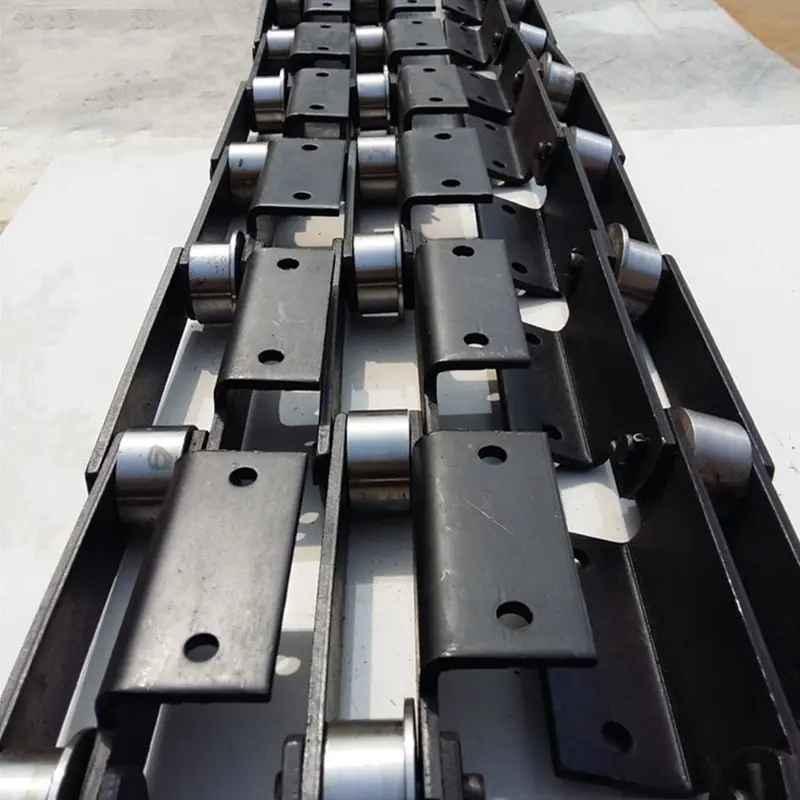
伝動チェーンは高トルク用途に使用できますか?
はい、伝動チェーンは効率的に動力を伝達できるため、高トルク用途で一般的に使用されています。以下に、この質問に対する詳細な回答を示します。
1. 堅牢な動力伝達:伝動チェーンは、高トルク用途を含む、相当量の動力伝達に対応できるように設計されています。駆動源から被駆動部品へトルクを効率的に伝達することができます。
2. 耐荷重:伝動チェーンは、重荷重と高トルクに耐えられるように設計されています。用途に応じたトルク要件に対応できるよう、適切な材料強度、チェーンピッチ、および構成部品を用いて設計されています。
3.多様な用途:伝動チェーンは、自動車、建設、鉱業、農業、製造業など、さまざまな産業分野で高トルクを必要とする用途に利用されています。動力伝達システム、機械、設備、コンベア、その他効率的なトルク伝達を必要とする機構などで一般的に使用されています。
4.スプロケットとの互換性:伝動チェーンはスプロケットと連動して作動します。スプロケットはチェーンリンクに噛み合い、トルクを伝達するように設計されています。適切なスプロケットの設計と選定により、高トルク用途においてスムーズで信頼性の高いトルク伝達が保証されます。
5.強度と耐久性:伝動チェーンは、高トルク動作に必要な強度と耐久性を確保するために、合金鋼、ステンレス鋼、熱処理鋼などの高強度材料を使用して製造されています。これらの材料は、高トルクによって発生する力に耐え、早期の摩耗や破損を防ぐことができます。
6.適切な潤滑とメンテナンス:高トルク用途で最適な性能を確保するには、伝動チェーンに適切な潤滑を行い、定期的なメンテナンスを実施することが不可欠です。適切な潤滑は摩擦、発熱、摩耗を低減し、チェーンの寿命を延ばし、トルク伝達能力を維持します。
適切な伝動チェーンを選定し、用途に応じたトルク要件を満たしていることを確認するためには、業界の専門家やメーカーに相談することが重要です。さらに、推奨される設置およびメンテナンス手順に従うことで、高トルク用途における伝動チェーンの性能と寿命を最大限に高めることができます。
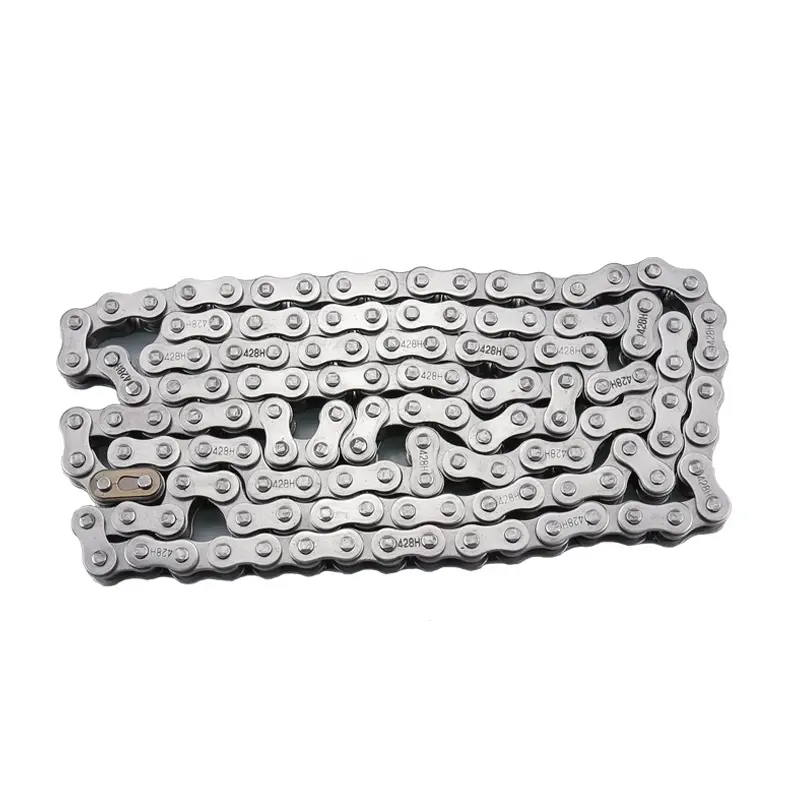
伝動装置における故障の一般的な原因は何ですか?
伝動装置は、時間の経過とともに故障につながる可能性のある様々な要因の影響を受けます。以下に詳細な説明を示します。
1. 潤滑不足:不十分または不適切な潤滑は、チェーンの故障の主な原因の1つです。潤滑不足は、ピン、ブッシング、ローラーなどのチェーン部品間の摩擦の増加、発熱、および摩耗の加速につながります。
2.汚染:汚れ、ほこり、破片、水分などの汚染物質がチェーンシステムに侵入すると、性能に影響を与え、摩耗を加速させます。汚染は適切な潤滑を妨げ、摩擦を増加させ、腐食を引き起こし、最終的にチェーンの破損につながります。
3.過負荷:チェーンの定格容量を超える過負荷をかけると、チェーンの構成部品にストレスや変形が生じ、過負荷状態になります。過負荷は、チェーンの伸び、摩耗の加速、そして最終的にはチェーンの破損につながります。
4.位置ずれ:チェーンとスプロケットの位置ずれは、力の不均一な分布を引き起こし、チェーンの特定部分における局所的な摩耗や応力増加につながります。位置ずれは、スプロケットの不適切な取り付けや摩耗によって発生し、チェーンの早期破損につながる可能性があります。
5.疲労:繰り返しの周期的な負荷と応力はチェーンに疲労を引き起こし、亀裂、破損、そして最終的にはチェーンの破損につながります。疲労による破損は、チェーンが高速または高頻度で使用される場合に発生しやすくなります。
6.腐食:高湿度、化学物質、極端な温度などの腐食性環境にさらされると、チェーンの部品に腐食が発生する可能性があります。腐食はチェーンの構造的完全性を弱め、早期の故障につながります。
7.不適切なメンテナンス:点検頻度の低さ、潤滑不足、潜在的な問題への対処の怠りなど、不適切なメンテナンスはチェーンの故障につながる可能性があります。潤滑、清掃、適切な張力調整を含む定期的なメンテナンスは、伝動チェーンの長寿命と信頼性の高い性能にとって不可欠です。
チェーンの故障を防ぐためには、これらの要因に対処することが重要です。適切な潤滑、定期的な点検、清掃、およびアライメントチェックは、不可欠なメンテナンス手順です。用途に適したチェーンを選択し、メーカーのガイドラインに従い、業界標準を遵守することも、故障のリスクを軽減し、伝動チェーンの最適な性能と長寿命を確保するのに役立ちます。


編集者:CX 2023-08-29