製品説明
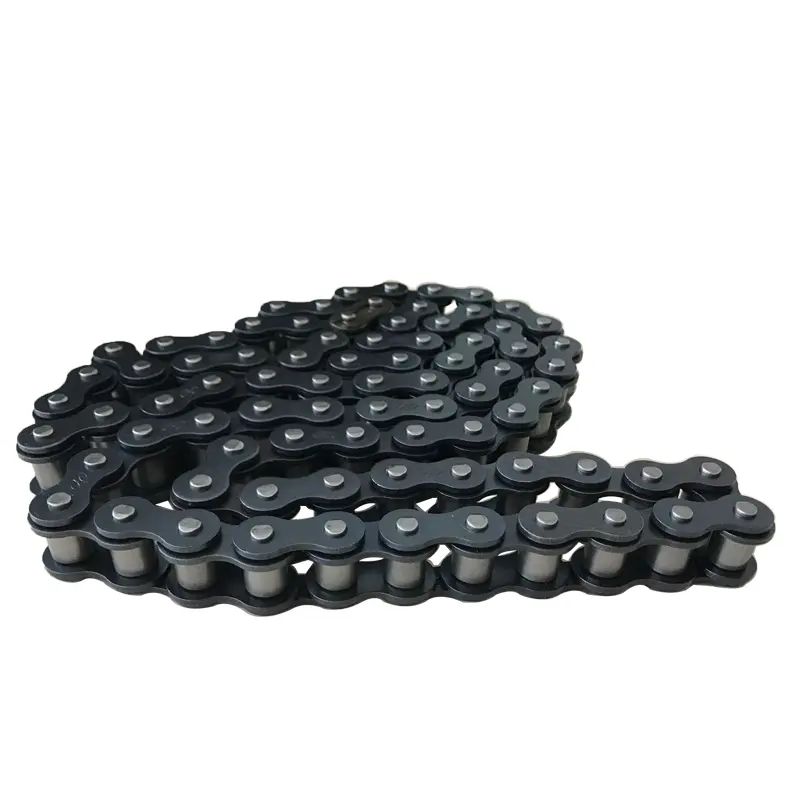
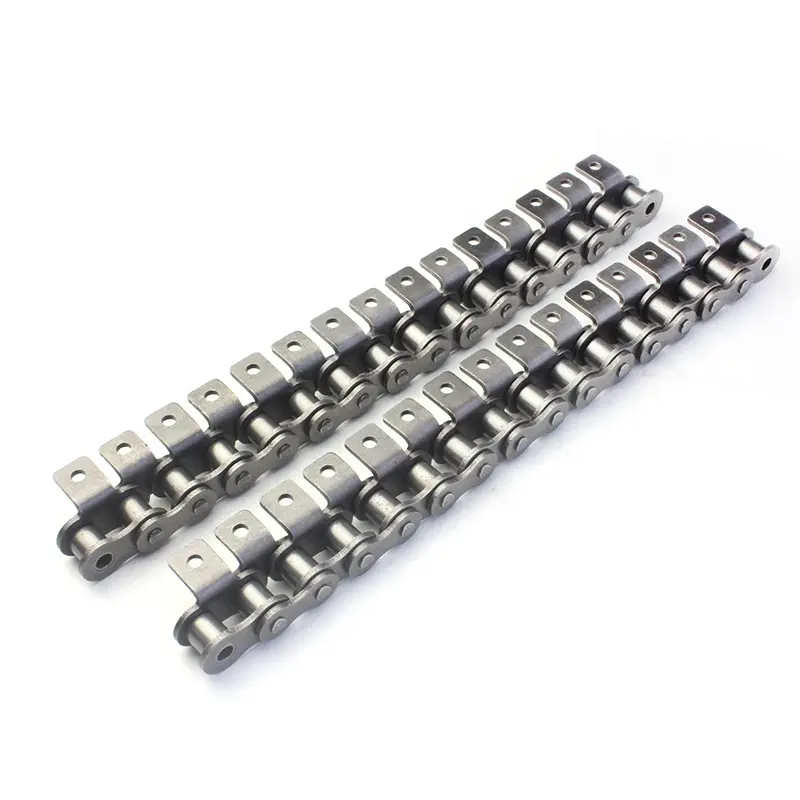
詳細写真
製品説明
| 商品名 | 標準トランスミッション用ローラーチェーン | モデル | シリーズA、シリーズB |
| 行 | シンプレックス デュプレックス トリプルレックス |
応用 | 機械部品 |
| 表面処理 | 中性/サンドブラスト/ショットピーニング | 認証 | ISO、ANSI、DIN、BS |
| パッキング | 箱や木箱に梱包されるか、リールに巻かれてからパレットに積まれる。 | ポート | 中国の港湾または空港 |
標準ローラーチェーンは、動力伝達によく使用される産業用チェーンの一種です。
用途としては、側板で連結された一連の円筒形ローラーから構成される。
ローラーはリンク内で回転し、あるスプロケットから別のスプロケットへと動力を伝達する。
標準ローラーチェーンは、さまざまな産業用途に合わせて、さまざまなサイズと構成で提供されています。
用途。炭素鋼やステンレス鋼などの高品質の材料で作られています。
耐摩耗性、耐腐食性、耐疲労性に優れている。
これらのチェーンは、最小限のエネルギーでスムーズかつ効率的な動力伝達を実現するように設計されています。
損失。高い耐荷重能力を備えているため、重機での使用に適しています。
コンベア、エレベーター、産業機器など。
標準ローラーチェーンは取り付けやメンテナンスも簡単で、潤滑要件もシンプルです。
長期にわたる性能を保証します。全体として、電力供給において信頼性が高く費用対効果の高いソリューションを提供します。
幅広い産業用途における伝送。
その他の製品
会社概要
梱包と配送
アフターサービス
| 標準規格か非標準規格か: | 標準 |
|---|---|
| 応用: | 繊維機械、衣料機械、搬送装置、包装機械、電気自動車、オートバイ、食品機械、鉱山機械、農業機械 |
| 表面処理: | ニュートラル/サンドブラスト/ショットピーニング |
| 材料: | 炭素鋼 |
| タイプ: | ショートピッチチェーン |
| Main Materials: | It Is 40mn. 40cr, 45mn Alloy Steel or SUS304 for P |
| サンプル: |
US$ 1.28/メートル
1メートル(最小注文単位) | |
|---|
| カスタマイズ: |
利用可能
| カスタマイズされたリクエスト |
|---|
伝動チェーンの設計は、その効率にどのような影響を与えるのでしょうか?
伝動チェーンの設計は、その効率と全体的な性能を決定する上で極めて重要な役割を果たします。以下に詳細な説明を示します。
1. リンクの形状と幾何学:チェーンリンクの形状と幾何学は、動力伝達効率に直接影響します。流線型や曲線形状など、最適化されたリンク設計のチェーンは、摩擦を低減し、動作中のエネルギー損失を最小限に抑えます。これらの設計上の特徴は、チェーンの効率を高め、よりスムーズな動力伝達に貢献します。
2.軸受面:伝動チェーンの軸受面の設計と品質は、その効率に大きく影響します。適切に設計されたチェーンは、摩擦と摩耗を最小限に抑える精密加工された軸受面を備えています。滑らかで精密に加工された表面は、摩擦によるエネルギー損失を低減し、効率の向上と全体的な性能の向上につながります。
3.ローラーとブッシングの設計:伝動チェーンにおけるローラーとブッシングの設計は、その効率に大きな影響を与えます。適切に設計されたローラーとブッシングを備えたチェーンは、摩擦を低減し、スムーズな回転を可能にします。ローラーとスプロケット間の低摩擦接触面は、効率的な動力伝達を確保し、エネルギーの無駄を減らし、チェーン全体の効率を向上させます。
4.潤滑システム:チェーン内部の潤滑システムの設計も、その効率に影響を与えます。適切な潤滑は摩擦と摩耗を低減し、チェーンの効率的な動作を可能にします。一部の伝動チェーンには、チェーン全体に最適な潤滑を確保し、効率をさらに向上させるために、自己潤滑機能や高度な潤滑機構が組み込まれています。
5.材料選定:リンク、ローラー、ブッシングなどのチェーン構成部品の材料選定は、チェーンの効率に影響を与えます。耐摩耗性に優れ、摩擦係数の低い高品質材料を使用することで、効率が向上します。さらに、軽量材料を使用することでチェーン全体の重量を軽減でき、慣性モーメントの低減と効率の向上につながります。
6.精密製造:伝動チェーンの製造における精度と正確さは、その効率に直接影響します。厳しい公差と高品質な製造プロセスで製造されたチェーンは、適切な嵌合、摩擦の低減、最適な動力伝達を保証し、結果として効率の向上につながります。
上記で述べた設計上の考慮事項や機能は、伝動チェーンの種類や用途によって異なる場合があることに留意することが重要です。専門家やメーカーに相談することで、特定の伝動チェーンの効率を最適化する設計上の特徴について、より深い洞察を得ることができます。

トランスミッションチェーンは、自動車やオートバイの用途に使用できますか?
トランスミッションチェーンは、自動車やオートバイの用途にも使用できます。以下に、その質問に対する詳細な回答を示します。
自動車やオートバイの用途では、エンジンから車輪へトルクを伝達するために、信頼性が高く効率的な動力伝達装置が求められることがよくあります。伝達チェーンは、これらの用途に適したいくつかの利点を備えています。
1. 高強度:伝動チェーンは高トルクと高出力の要求に対応できるように設計されており、自動車やオートバイの動力伝達システムの厳しい条件に適しています。
2.効率的な動力伝達:伝動チェーンは、エンジンから車輪へ動力を直接的かつ効率的に伝達する手段を提供します。摩擦によるエネルギー損失が少ないため、効果的な動力伝達と最適な性能を実現します。
3.コンパクト設計:トランスミッションチェーンはコンパクトな設計のため、自動車やオートバイなど限られたスペースでの設置に適しています。過剰なスペースを占有することなく、駆動系に容易に組み込むことができます。
4. 幅広い速度範囲: トランスミッションチェーンは幅広い速度範囲で効果的に動作し、自動車やオートバイの用途におけるさまざまな速度要件に対応できます。
5. 汎用性:トランスミッションチェーンは、マニュアルトランスミッション、オートマチックトランスミッション、ファイナルドライブシステムなど、さまざまな種類の自動車およびオートバイのトランスミッションに使用できます。
6.耐久性:トランスミッションチェーンは、自動車やオートバイの過酷な使用条件に耐えられるように設計されています。摩耗、疲労、腐食に強く、長期間にわたる性能と信頼性を保証します。
7.費用対効果:トランスミッションチェーンは、自動車やオートバイの動力伝達において費用対効果の高いソリューションを提供します。一般的に、他のトランスミッションシステムよりも手頃な価格です。
トランスミッションチェーンを選定する際には、自動車やオートバイのトランスミッションシステムの具体的な設計と要件を考慮することが重要です。また、これらの用途においてチェーンの性能と寿命を確保するためには、適切なメンテナンス、潤滑、定期点検も不可欠です。
特定の用途に適した伝動チェーンはどのように選べばよいのでしょうか?
特定の用途に適した伝動チェーンを選択することは、最適な性能と長寿命を確保するために非常に重要です。伝動チェーンを選択する際に考慮すべき主な要素は以下のとおりです。
- 耐荷重:チェーンが伝達する必要のある最大荷重を決定します。これには、静的荷重と動的荷重の両方が含まれます。選択したチェーンが、用途の要件を満たすのに十分な耐荷重を備えていることを確認してください。
- 速度と回転数:チェーンの動作速度と回転速度を考慮してください。高速回転の場合は、耐疲労性と潤滑性能が向上したチェーンが必要になる場合があります。
- 環境:チェーンが稼働する環境条件を評価してください。温度、湿度、粉塵、化学物質、腐食性物質などの要因は、チェーンの性能に影響を与える可能性があります。特定の環境条件に耐性のあるチェーンを選択してください。
- 位置合わせと張力:チェーンの位置合わせと張力が適切であることを確認してください。位置ずれや張力の不適切さは、早期摩耗や故障の原因となります。適切な調整が可能で、運転中も最適な張力を維持できるチェーンを選択してください。
- メンテナンス:チェーンのメンテナンス要件を考慮してください。チェーンによっては定期的な潤滑が必要な場合もあれば、自己潤滑式またはメンテナンスフリーの場合もあります。利用可能なリソースと、用途に応じたメンテナンスレベルを評価してください。
- 互換性:チェーンと、スプロケットやギアなどの伝動システム内の他のコンポーネントとの互換性を確認してください。チェーンは、相手部品の歯形とピッチに適合している必要があります。
- メーカー推奨事項:特定の用途に適したチェーンを選択するには、メーカーのガイドラインと推奨事項を参照してください。メーカーは多くの場合、チェーンの詳細な仕様、負荷表、および使用ガイドラインを提供しています。
これらの要素を考慮し、チェーンメーカーや業界の専門家に相談することで、用途の特定の要件を満たす適切な伝動チェーンを選択し、信頼性と効率性の高い動作を確保することができます。


編集者:CX 2023-10-07