Deskripsi Produk
Foto Detail
Deskripsi Produk
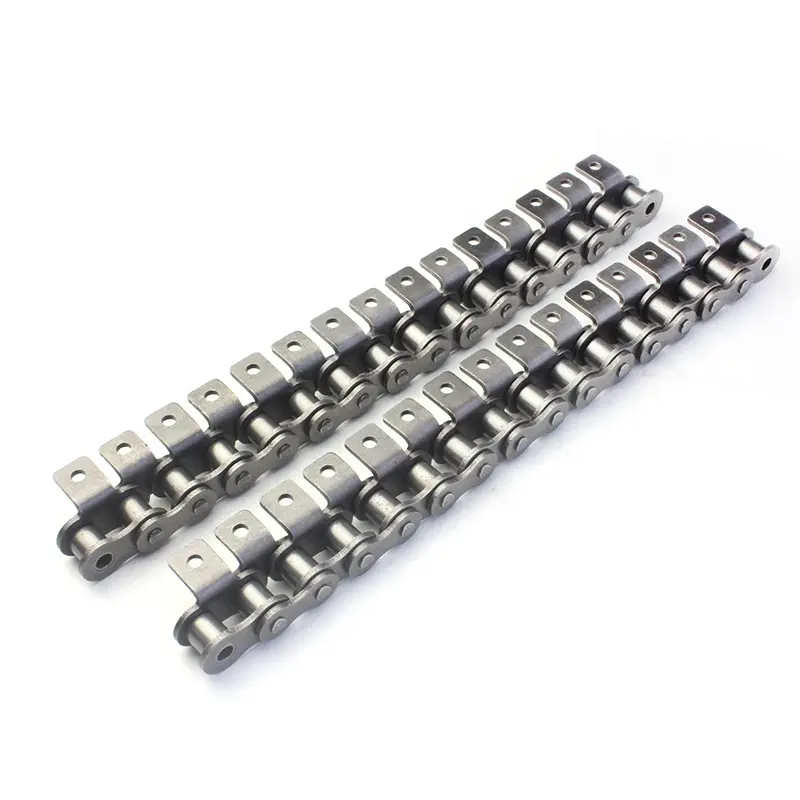
| Nama Barang | Rantai Rol Transmisi Standar | Model | Seri A, Seri B |
| Baris | Simplex Rangkap Triplrex |
Aplikasi | Suku Cadang Mesin |
| Perawatan Permukaan | netral/disemprot pasir/penembakan butiran | Sertifikasi | ISO, ANSI, DIN, BS |
| Sedang mengemas | Dikemas dalam kotak dan peti kayu, atau dikemas dalam gulungan lalu diletakkan di atas palet. | Pelabuhan | Pelabuhan laut atau bandara mana pun di Tiongkok |
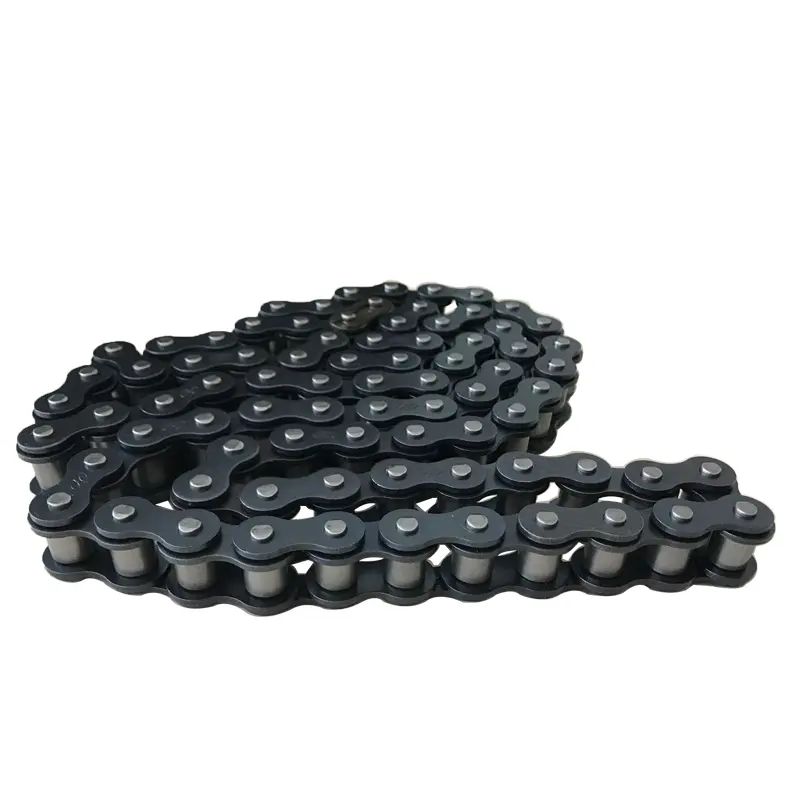
Rantai rol standar adalah jenis rantai industri yang umum digunakan dalam transmisi daya.
aplikasi. Alat ini terdiri dari serangkaian rol silindris yang dihubungkan bersama oleh pelat samping.
Roller berputar di dalam rantai, mentransmisikan daya dari satu sprocket ke sprocket lainnya.
Rantai rol standar tersedia dalam berbagai ukuran dan konfigurasi untuk menyesuaikan dengan berbagai kebutuhan industri.
aplikasi. Produk-produk ini terbuat dari bahan berkualitas tinggi, seperti baja karbon atau baja tahan karat,
yang tahan terhadap keausan, korosi, dan kelelahan.
Rantai-rantai ini dirancang untuk memberikan transmisi daya yang halus dan efisien, dengan energi minimal.
kerugian. Mereka memiliki kapasitas daya dukung beban yang tinggi, sehingga cocok untuk digunakan pada mesin-mesin berat,
seperti konveyor, elevator, dan peralatan industri.
Rantai rol standar juga mudah dipasang dan dirawat, dengan persyaratan pelumasan yang sederhana.
Memastikan kinerja yang tahan lama. Secara keseluruhan, mereka menawarkan solusi yang andal dan hemat biaya untuk kebutuhan daya.
transmisi dalam berbagai aplikasi industri.
Produk Lainnya
Profil Perusahaan
Pengemasan & Pengiriman
Layanan Purna Jual
| Standar atau Nonstandar: | Standar |
|---|---|
| Aplikasi: | Mesin Tekstil, Mesin Garmen, Peralatan Konveyor, Mesin Pengemas, Mobil Listrik, Sepeda Motor, Mesin Makanan, Peralatan Pertambangan, Mesin Pertanian |
| Perlakuan Permukaan: | Netral/Sand-Blasted/Shot-Peening |
| Bahan: | Baja Karbon |
| Jenis: | Rantai Jarak Pendek |
| Bahan Utama: | Ini adalah baja paduan 40mn, 40cr, 45mn atau SUS304 untuk P. |
| Contoh: |
US$ 1,28/Meter
1 Meter (Pesanan Minimum) | |
|---|
| Kustomisasi: |
Tersedia
| Permintaan Khusus |
|---|
Bagaimana desain rantai transmisi memengaruhi efisiensinya?
Desain rantai transmisi memainkan peran penting dalam menentukan efisiensi dan kinerja keseluruhannya. Berikut penjelasan detailnya:
1. Bentuk dan Geometri Mata Rantai: Bentuk dan geometri mata rantai secara langsung memengaruhi efisiensi transmisi daya. Rantai dengan desain mata rantai yang dioptimalkan, seperti profil yang ramping atau melengkung, mengurangi gesekan dan meminimalkan kehilangan energi selama pengoperasian. Fitur desain ini meningkatkan efisiensi rantai dan berkontribusi pada transfer daya yang lebih lancar.
2. Permukaan Bantalan: Desain dan kualitas permukaan bantalan pada rantai transmisi sangat memengaruhi efisiensinya. Rantai yang dirancang dengan baik menggunakan permukaan bantalan yang dikerjakan dengan presisi untuk meminimalkan gesekan dan keausan. Permukaan yang halus dan dikerjakan dengan akurat mengurangi kehilangan energi yang disebabkan oleh gesekan, sehingga menghasilkan efisiensi yang lebih tinggi dan peningkatan kinerja secara keseluruhan.
3. Desain Roller dan Bushing: Desain roller dan bushing pada rantai transmisi sangat memengaruhi efisiensinya. Rantai dengan roller dan bushing yang dirancang dengan tepat mengurangi gesekan dan memungkinkan putaran yang halus. Permukaan kontak dengan gesekan rendah antara roller dan sprocket memastikan transmisi daya yang efisien, mengurangi pemborosan energi, dan meningkatkan efisiensi keseluruhan rantai.
4. Sistem Pelumasan: Desain sistem pelumasan di dalam rantai juga memengaruhi efisiensinya. Pelumasan yang tepat mengurangi gesekan dan keausan, sehingga rantai dapat beroperasi lebih efisien. Beberapa rantai transmisi menggabungkan fitur pelumasan otomatis atau mekanisme pelumasan canggih untuk memastikan pelumasan optimal di seluruh rantai, yang selanjutnya meningkatkan efisiensi.
5. Pemilihan Material: Pemilihan material untuk komponen rantai, seperti mata rantai, rol, dan bantalan, memengaruhi efisiensinya. Material berkualitas tinggi dengan ketahanan aus yang sangat baik dan koefisien gesekan rendah berkontribusi pada efisiensi yang lebih tinggi. Selain itu, material ringan dapat mengurangi berat keseluruhan rantai, sehingga menghasilkan inersia yang lebih rendah dan efisiensi yang lebih baik.
6. Manufaktur Presisi: Presisi dan akurasi pembuatan rantai transmisi dapat secara langsung memengaruhi efisiensinya. Rantai yang diproduksi dengan toleransi ketat dan proses manufaktur berkualitas tinggi memastikan kesesuaian yang tepat, pengurangan gesekan, dan transfer daya yang optimal, sehingga menghasilkan peningkatan efisiensi.
Penting untuk dicatat bahwa pertimbangan desain dan fitur yang disebutkan di atas dapat bervariasi tergantung pada jenis dan aplikasi spesifik dari rantai transmisi. Konsultasi dengan para ahli atau produsen dapat memberikan wawasan lebih lanjut tentang fitur desain yang mengoptimalkan efisiensi untuk rantai transmisi tertentu.

Apakah rantai transmisi dapat digunakan pada aplikasi otomotif atau sepeda motor?
Rantai transmisi memang dapat digunakan dalam aplikasi otomotif dan sepeda motor. Berikut jawaban rinci untuk pertanyaan tersebut:
Aplikasi otomotif dan sepeda motor seringkali membutuhkan transmisi daya yang andal dan efisien untuk mentransfer torsi dari mesin ke roda. Rantai transmisi menawarkan beberapa keunggulan yang membuatnya cocok untuk aplikasi ini:
1. Kekuatan Tinggi: Rantai transmisi dirancang untuk menangani torsi dan kebutuhan daya yang tinggi, sehingga cocok untuk kondisi yang menuntut pada sistem transmisi daya otomotif dan sepeda motor.
2. Transfer Daya yang Efisien: Rantai transmisi menyediakan cara langsung dan efisien untuk mentransfer daya dari mesin ke roda. Rantai ini memiliki kehilangan energi yang rendah akibat gesekan, sehingga memungkinkan transmisi daya yang efektif dan kinerja yang optimal.
3. Desain Ringkas: Rantai transmisi memiliki desain ringkas, sehingga cocok untuk ruang terbatas yang tersedia dalam aplikasi otomotif dan sepeda motor. Rantai ini dapat dengan mudah diintegrasikan ke dalam sistem penggerak tanpa memakan ruang yang berlebihan.
4. Rentang Kecepatan Luas: Rantai transmisi dapat beroperasi secara efektif di berbagai kecepatan, mengakomodasi berbagai kebutuhan kecepatan pada aplikasi otomotif dan sepeda motor.
5. Fleksibilitas: Rantai transmisi dapat digunakan dalam berbagai jenis transmisi otomotif dan sepeda motor, termasuk transmisi manual, transmisi otomatis, dan sistem penggerak akhir.
6. Daya Tahan: Rantai transmisi dibuat untuk tahan terhadap kondisi berat pada aplikasi otomotif dan sepeda motor. Rantai ini dirancang untuk tahan terhadap keausan, kelelahan, dan korosi, sehingga memastikan kinerja dan keandalan yang tahan lama.
7. Hemat Biaya: Rantai transmisi menawarkan solusi hemat biaya untuk transmisi daya pada aplikasi otomotif dan sepeda motor. Secara umum, harganya lebih terjangkau daripada sistem transmisi alternatif.
Penting untuk diperhatikan bahwa desain dan persyaratan khusus dari sistem transmisi otomotif atau sepeda motor harus dipertimbangkan saat memilih rantai transmisi. Perawatan yang tepat, pelumasan, dan pemeriksaan berkala juga sangat penting untuk memastikan kinerja dan umur panjang rantai dalam aplikasi ini.
Bagaimana cara memilih rantai transmisi yang tepat untuk aplikasi tertentu?
Memilih rantai transmisi yang tepat untuk aplikasi tertentu sangat penting untuk memastikan kinerja optimal dan umur pakai yang panjang. Berikut adalah faktor-faktor kunci yang perlu dipertimbangkan saat memilih rantai transmisi:
- Kapasitas Beban: Tentukan beban maksimum yang perlu ditransmisikan oleh rantai. Ini termasuk beban statis dan dinamis. Pastikan rantai yang dipilih memiliki kapasitas beban yang cukup untuk menangani persyaratan aplikasi.
- Kecepatan dan RPM: Pertimbangkan kecepatan operasi dan kecepatan putaran rantai. Kecepatan yang lebih tinggi mungkin memerlukan rantai dengan ketahanan lelah dan kemampuan pelumasan yang lebih baik.
- Lingkungan: Evaluasi kondisi lingkungan tempat rantai akan beroperasi. Faktor-faktor seperti suhu, kelembapan, debu, bahan kimia, dan zat korosif dapat memengaruhi kinerja rantai. Pilih rantai yang tahan terhadap kondisi lingkungan tertentu.
- Penyelarasan dan Ketegangan: Pastikan penyelarasan dan ketegangan rantai sudah tepat. Ketidakselarasan dan ketegangan yang tidak tepat dapat menyebabkan keausan dini dan kerusakan. Pilih rantai yang memungkinkan penyesuaian yang tepat dan mempertahankan ketegangan optimal selama pengoperasian.
- Perawatan: Pertimbangkan persyaratan perawatan rantai. Beberapa rantai mungkin memerlukan pelumasan rutin, sementara yang lain mungkin melumasi sendiri atau bebas perawatan. Evaluasi sumber daya yang tersedia dan tingkat perawatan yang diinginkan untuk aplikasi tersebut.
- Kompatibilitas: Pastikan kompatibilitas antara rantai dan komponen lain dalam sistem transmisi, seperti sproket atau roda gigi. Rantai harus sesuai dengan profil gigi dan jarak antar gigi dari komponen yang berpasangan.
- Rekomendasi Produsen: Konsultasikan panduan dan rekomendasi produsen untuk memilih rantai yang tepat untuk aplikasi tertentu. Produsen seringkali menyediakan spesifikasi terperinci, bagan beban, dan panduan aplikasi untuk rantai mereka.
Dengan mempertimbangkan faktor-faktor ini dan berkonsultasi dengan produsen rantai atau pakar industri, Anda dapat memilih rantai transmisi yang tepat yang memenuhi persyaratan spesifik aplikasi Anda, sehingga memastikan pengoperasian yang andal dan efisien.


Diedit oleh CX 2023-10-07