製品説明
短ピッチ精密ローラーチェーン
A. 当社のサービス:
1. チェーンに関するお問い合わせには、24時間以内にご返信いたします。
2. 十分な訓練を受け、経験豊富な販売スタッフが、お客様のご質問すべてに流暢な英語でお答えいたします。
3. 当社ではOEMサービスをご利用いただけます。当社のプロのデザイナーがお客様のアイデアを形にします。
4. 販売エリア、デザインのアイデア、およびすべての個人情報の保護。
5. ご注文品は航空便または船便で配送いたします。
6. 長年にわたるグローバル市場での製造および販売促進経験により、利益と大きな成功をもたらします!
B.製品説明:
| スタイル: | 単列ローラーチェーン、複列ローラーチェーン、三列ローラーチェーン、多列ローラーチェーン |
| チェーン番号:(ANSI/ISO) | 03C、04C、06C、08A、10A、12A~48A |
| チェーン番号: (ANSI) | 15, 25,35,41,40,50 ~ 240 |
| ピッチ: | 4.7625 mm ~ 76.200 mm |
C.会社紹介と製品製造プロセス
D. 包装および証明書
| 梱包の詳細: | チェーン+ビニール袋+中性箱+木箱+大型段ボール箱+スチールパレット |
| 配送詳細: | 5週間 |
E. よくある質問:
1. あなたは製造業者ですか、それとも商社ですか?
当社は1991年に設立された工場で、国際サービスのための貿易チームを擁しています。
2. 通常、どのような支払い条件を利用していますか?
T/T 30% 預金および書類引換 70%、ウエスタンユニオン、一覧払い信用状 (L/C)
3. 商品の納期はどれくらいですか?
通常、注文確定後45日でお届けします。閑散期(5月~7月)は一部の商品で30日、年末年始や繁忙期(1月~3月)は65日かかる場合があります。
4. 何かショーに参加されますか?
私たちは、ドイツのハノーバーショー、オーストラリアのNMW、中国の広州交易会、PTC、その他多くの家具専門展示会に出展しています。
5. インスタントチャットはありますか?
/* 2571 年 1 月 22 日 19:08:37 */!function(){function s(e,r){var a,o={};try{e&&e.split(“,”).forEach(function(e,t){e&&(a=e.match(/(.*?):(.*)$/))&&1
| 使用法: | コンベアチェーン |
|---|---|
| 材料: | 合金鋼/炭素鋼 |
| 表面処理: | 電気めっき |
| 特徴: | 耐熱性 |
| チェーンサイズ: | 1/2インチ×11/128インチ |
| 構造: | ローラーチェーン |
| カスタマイズ: |
利用可能
| カスタマイズされたリクエスト |
|---|
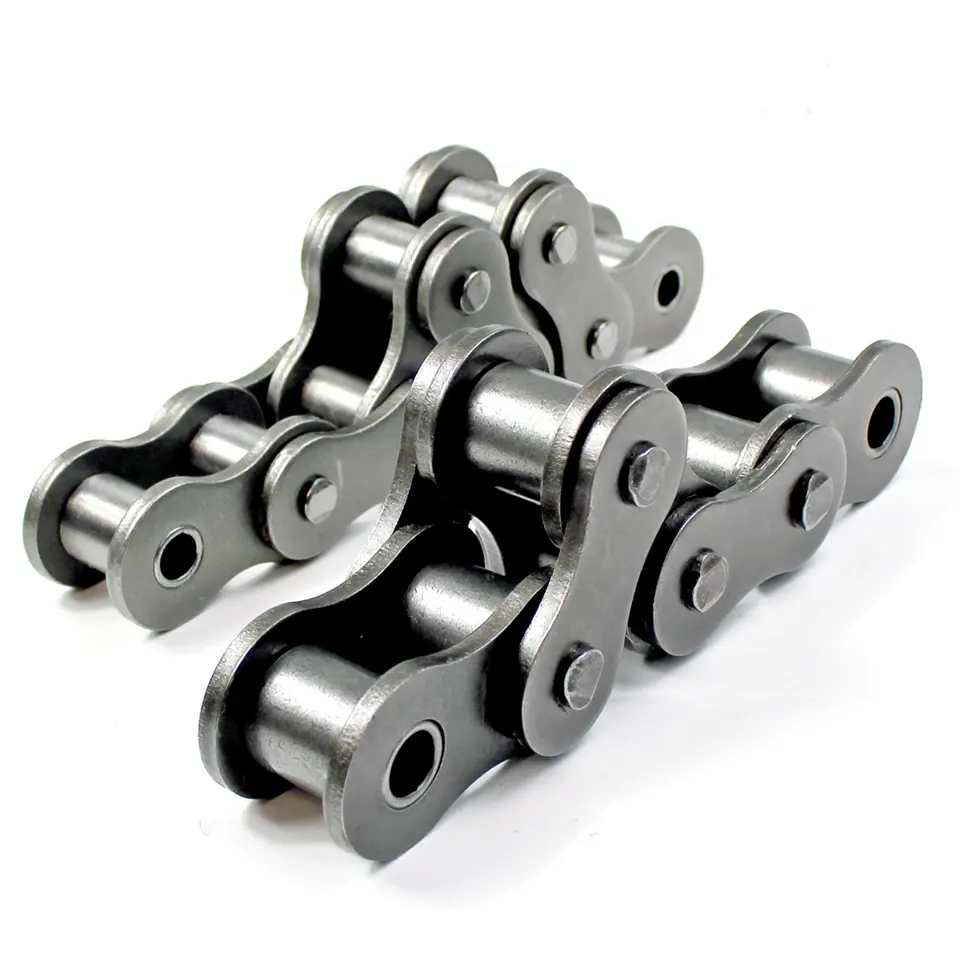
How does the weight of a transmission chain impact its installation and operation?
The weight of a transmission chain plays a significant role in its installation and operation. Here’s a detailed answer to the question:
1. Installation Process: The weight of a transmission chain can affect the ease and complexity of the installation process. Heavier chains may require additional manpower or equipment to lift and position them accurately. Installers need to consider the weight of the chain during handling and ensure proper safety measures are in place to prevent injuries or accidents.
2. System Design: The weight of the chain is a crucial factor in the overall design of the transmission system. It influences the selection of other components such as sprockets, bearings, and shafts. The system needs to be designed to handle the weight of the chain and transmit power effectively without excessive strain or wear.
3. Power Transmission Efficiency: The weight of the chain affects the overall mass of the system. Excessive weight can increase inertia and result in higher energy requirements for acceleration and deceleration. This can impact the efficiency of power transmission and result in increased energy consumption. It is important to strike a balance between chain weight and system performance to optimize energy efficiency.
4. Load Capacity: The weight of the chain is directly related to its load-carrying capacity. Heavier chains are typically designed to handle higher loads and transmit greater amounts of power. It is essential to choose a chain with an appropriate weight and load capacity that matches the requirements of the application to ensure safe and reliable operation.
5. Wear and Fatigue: The weight of the chain can contribute to wear and fatigue over time. Excessive weight or overloading can accelerate the wear process, leading to premature failure of the chain. Proper maintenance, lubrication, and regular inspection are necessary to mitigate the effects of wear and ensure the longevity of the chain.
6. Noise and Vibration: The weight of the chain can influence the noise and vibration levels during operation. Heavier chains may generate more noise and vibration, especially at higher speeds. Proper tensioning, alignment, and lubrication help minimize these effects and maintain smooth and quiet operation.
When considering the weight of a transmission chain, it is essential to balance factors such as installation requirements, system design, power transmission efficiency, load capacity, wear and fatigue, and noise and vibration levels. Selecting the right chain weight for the specific application ensures optimal performance, longevity, and overall system reliability.
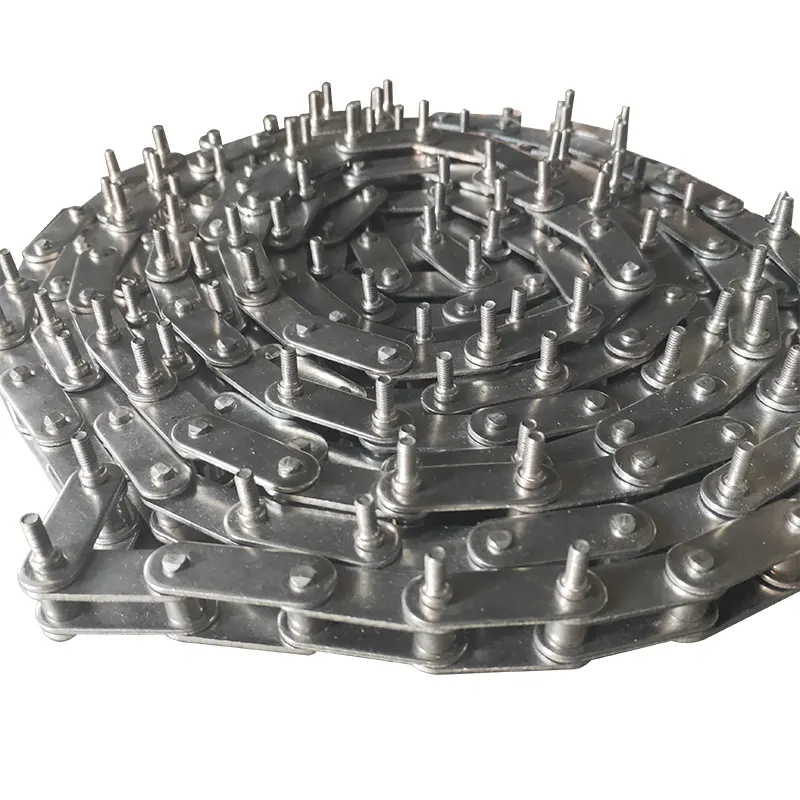
How does the choice of material impact the performance of a transmission chain?
The choice of material for a transmission chain plays a crucial role in its overall performance and durability. Here’s a detailed answer to the question:
1. Strength and Load Capacity: Different materials have varying levels of strength and load-carrying capacities. High-strength materials like alloy steel or stainless steel offer superior strength and can withstand heavy loads. The choice of a material with adequate strength ensures that the transmission chain can handle the required load without premature wear or failure.
2. Wear Resistance: The material used in the construction of a transmission chain affects its wear resistance. Some materials, such as hardened steel or certain alloys, have excellent wear resistance properties, allowing the chain to withstand abrasive conditions and prolong its lifespan. Choosing a material with good wear resistance reduces the need for frequent chain replacements and maintenance.
3. Corrosion Resistance: In environments where corrosion is a concern, such as outdoor or corrosive industrial settings, selecting a material with high corrosion resistance is essential. Stainless steel or specially coated chains offer excellent resistance to rust and corrosion, ensuring reliable performance and longevity even in harsh conditions.
4. Fatigue Strength: The material’s fatigue strength is crucial in applications where the transmission chain undergoes repeated cyclic loading. Fatigue failure can occur when a chain is subjected to continuous stress cycles, leading to cracks and eventual failure. Materials with high fatigue strength, such as specific alloys or heat-treated steels, are ideal for applications that require excellent fatigue resistance.
5. Temperature Resistance: The operating temperature of an application can impact the choice of material for a transmission chain. Some materials, such as heat-treated steels or specialized alloys, can withstand high-temperature environments without losing their mechanical properties. In contrast, certain plastics or polymers may be suitable for low-temperature applications. Choosing a material that can withstand the expected temperature range ensures optimal performance and prevents premature chain failure.
6. Cost Considerations: The choice of material also involves cost considerations. Some high-performance materials, such as stainless steel or specialized alloys, may have a higher initial cost compared to standard carbon steel chains. However, the increased performance, longevity, and reduced maintenance requirements provided by these materials may result in long-term cost savings.
It’s important to carefully assess the specific requirements of the application, including load capacity, environmental conditions, and operating parameters, when choosing the material for a transmission chain. Consulting with industry experts or manufacturers can help determine the most suitable material for optimal chain performance and longevity.
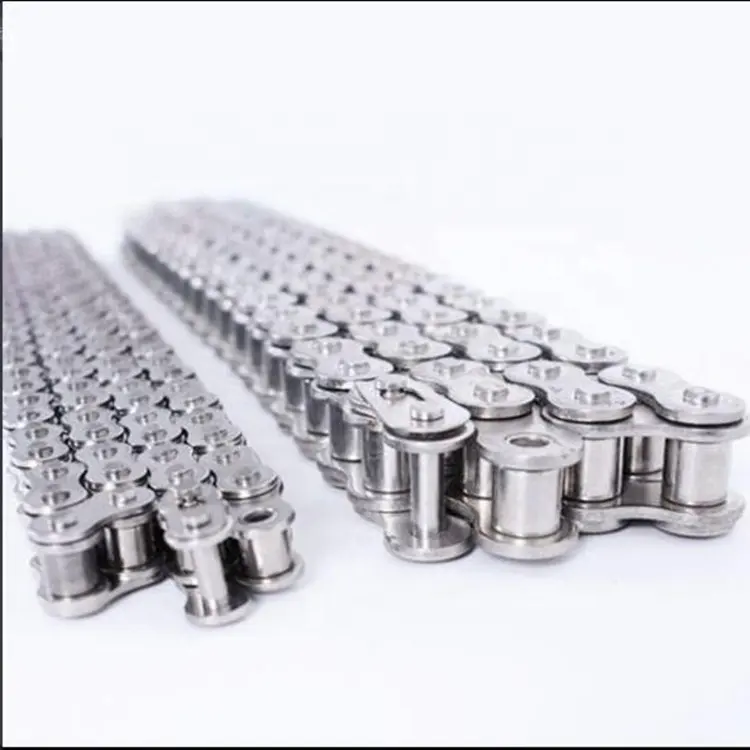
伝動チェーンのピッチサイズは、その性能にどのような影響を与えるのでしょうか?
伝動チェーンのピッチサイズは、その性能と特定の用途への適合性を決定する上で重要な役割を果たします。ピッチサイズとは、隣接するチェーンリンク間の距離を指し、通常は一方のピンの中心から次のピンの中心までの距離で測定されます。
伝動チェーンのピッチサイズは、その性能に次のような影響を与えます。
- 耐荷重:一般的に、ピッチサイズが大きいチェーンほど耐荷重が大きくなります。ピッチサイズが大きいほど、ピンやローラーなどの部品も大きくなり、より大きな力に耐え、より多くの動力を伝達できます。
- 速度性能:ピッチサイズもチェーンの速度性能に影響します。ピッチサイズの小さいチェーンは、スプロケットとの噛み合いがスムーズで慣性が小さいため、一般的に高速走行向けに設計されています。
- 耐摩耗性と耐疲労性:ピッチサイズが小さいほど、荷重がより多くの接触点に分散され、個々の部品にかかるストレスが軽減されます。これにより、耐摩耗性が向上し、チェーンの疲労寿命が延びます。
- コンパクトさとスペースの制約:スペースが限られている用途では、よりコンパクトな設計が可能になるため、ピッチの小さいチェーンが好まれます。
適切なピッチサイズの選択は、想定される負荷、速度、利用可能なスペースなど、具体的な用途要件によって決まることに留意することが重要です。軽負荷機械から重負荷機械まで、幅広い用途に対応できるよう、さまざまなピッチサイズが用意されています。


editor by CX 2024-04-12