Descrizione del prodotto
Catene a rulli simplex di precisione a passo corto serie A con boccole
| ISO/ANSI/DIN Numero di catena |
Cina Numero di catena |
Pece P mm |
Diametro del rullo
d1max |
Larghezza tra le piastre interne b1min mm |
Diametro del perno
d2max |
Lunghezza del perno | spessore della piastra interna h2max mm |
Spessore della piastra
Tmax |
Resistenza alla trazione
Qmin |
resistenza alla trazione media Q0 kN |
Peso al metro Q kg/m |
|
| Lmax mm |
Lcmax mm |
|||||||||||
| 15 | *03C | 4.7625 | 2.48 | 2.38 | 1.62 | 6.10 | 6.90 | 4.30 | 0.60 | 1.80/409 | 2.0 | 0.08 |
*Boccola catena:d1 nella tabella indica il diametro esterno della boccola
CATENA A RULLI
La catena a rulli, o catena a boccole, è il tipo di trasmissione a catena più comunemente utilizzato per la trasmissione di potenza meccanica in molti tipi di macchinari domestici, industriali e agricoli, tra cui nastri trasportatori, macchine per la trafilatura di fili e tubi, macchine da stampa, automobili, motociclette e biciclette. È costituita da una serie di corti rulli cilindrici tenuti insieme da maglie laterali. Viene azionata da una ruota dentata chiamata pignone. È un mezzo di trasmissione di potenza semplice, affidabile ed efficiente.
COSTRUZIONE DELLA CATENA
Due diverse misure di catena a rulli, che ne illustrano la costruzione.
Nella catena a rulli con boccole si alternano due tipi di maglie. Il primo tipo è costituito da maglie interne, composte da due piastre interne tenute insieme da due boccole che fanno ruotare due rulli. Le maglie interne si alternano con il secondo tipo, le maglie esterne, costituite da due piastre esterne tenute insieme da perni che passano attraverso le boccole delle maglie interne. La catena a rulli "senza boccole" è simile nel funzionamento, sebbene diversa nella costruzione; invece di boccole o manicotti separati che tengono insieme le piastre interne, la piastra presenta un tubo stampato che sporge dal foro e svolge la stessa funzione. Questo ha il vantaggio di eliminare una fase nell'assemblaggio della catena.
Il design della catena a rulli riduce l'attrito rispetto ai design più semplici, con conseguente maggiore efficienza e minore usura. Le prime catene di trasmissione non prevedevano rulli né boccole, e le piastre interne ed esterne erano fissate da perni che entravano in contatto diretto con i denti della ruota dentata; tuttavia, questa configurazione causava un'usura estremamente rapida sia dei denti della ruota dentata che delle piastre nei punti di rotazione sui perni. Questo problema è stato parzialmente risolto con lo sviluppo delle catene con boccole, in cui i perni che fissano le piastre esterne passano attraverso boccole o manicotti che collegano le piastre interne. Ciò ha distribuito l'usura su una superficie maggiore; tuttavia, i denti delle ruote dentate si usuravano ancora più rapidamente del desiderato a causa dell'attrito di scorrimento contro le boccole. L'aggiunta di rulli attorno ai manicotti delle boccole della catena ha fornito un contatto di rotolamento con i denti delle ruote dentate, garantendo un'eccellente resistenza all'usura sia delle ruote dentate che della catena. L'attrito è addirittura molto basso, a condizione che la catena sia sufficientemente lubrificata. Una lubrificazione continua e pulita delle catene a rulli è di primaria importanza per un funzionamento efficiente e per un corretto tensionamento.
LUBRIFICAZIONE
Molte catene di trasmissione (ad esempio, nelle macchine industriali o per azionare un albero a camme all'interno di un motore a combustione interna) operano in ambienti puliti, pertanto le superfici soggette ad usura (ovvero perni e boccole) sono protette da precipitazioni e detriti aerotrasportati, spesso anche in ambienti sigillati come i bagni d'olio. Alcune catene a rulli sono progettate con O-ring integrati nello spazio tra la piastra esterna della maglia e le piastre interne della maglia del rullo. I produttori di catene iniziarono a includere questa caratteristica nel 1971, dopo che l'applicazione fu inventata da Joseph Montano mentre lavorava per la Whitney Chain di Hartford, nel Connecticut. Gli O-ring furono inclusi per migliorare la lubrificazione delle maglie delle catene di trasmissione, un aspetto di vitale importanza per prolungarne la durata. Questi elementi in gomma formano una barriera che trattiene il grasso lubrificante applicato in fabbrica all'interno delle aree di usura di perni e boccole. Inoltre, gli O-ring in gomma impediscono a sporco e altri contaminanti di penetrare all'interno delle maglie della catena, dove tali particelle causerebbero altrimenti un'usura significativa.
Esistono anche molte catene che devono funzionare in condizioni sporche e che, per motivi di dimensioni o di funzionamento, non possono essere sigillate. Esempi includono le catene di macchine agricole, biciclette e motoseghe. Queste catene saranno necessariamente soggette a un'usura relativamente elevata, soprattutto quando gli operatori sono disposti ad accettare maggiore attrito, minore efficienza, maggiore rumorosità e sostituzioni più frequenti, trascurando la lubrificazione e la regolazione.
Molti lubrificanti a base di olio attirano sporco e altre particelle, formando nel tempo una pasta che aumenta l'usura delle catene. Questo problema può essere aggirato utilizzando uno spray al PTFE "a secco", che dopo l'applicazione forma una pellicola solida che respinge sia le particelle che l'umidità.
VARIANTI PROGETTAZIONE
Schema di una catena a rulli: 1. Piastra esterna, 2. Piastra interna, 3. Perno, 4. Boccola, 5. Rullo
Se la catena non viene utilizzata in applicazioni soggette a forte usura (ad esempio, se trasmette semplicemente il movimento da una leva azionata manualmente a un albero di comando di una macchina, o a una porta scorrevole di un forno), allora è ancora possibile utilizzare uno dei tipi di catena più semplici. Al contrario, laddove sia richiesta maggiore resistenza ma anche la fluidità di trasmissione di un passo più piccolo, la catena può essere "siamata"; invece di sole 2 file di piastre sui lati esterni della catena, possono esserci 3 ("duplex"), 4 ("triplex") o più file di piastre parallele, con boccole e rulli tra ogni coppia adiacente e lo stesso numero di file di denti parallele sulle ruote dentate per l'accoppiamento. Le catene di distribuzione dei motori automobilistici, ad esempio, hanno in genere più file di piastre chiamate "stringhe".
Le catene a rulli sono prodotte in diverse misure, le più comuni secondo gli standard ANSI (American National Standards Institute) sono 40, 50, 60 e 80. La prima cifra (o le prime cifre) indica il passo della catena in ottavi di pollice, mentre l'ultima cifra è 0 per le catene standard, 1 per le catene leggere e 5 per le catene con boccole senza rulli. Pertanto, una catena con passo di mezzo pollice sarebbe una #40, mentre una ruota dentata #160 avrebbe denti distanziati di 2 pollici, e così via. I passi metrici sono espressi in sedicesimi di pollice; quindi una catena metrica #8 (08B-1) sarebbe equivalente a una ANSI #40. La maggior parte delle catene a rulli è realizzata in acciaio al carbonio o legato, ma l'acciaio inossidabile viene utilizzato nei macchinari per la lavorazione degli alimenti o in altri ambiti in cui la lubrificazione è un problema, e occasionalmente si trovano anche catene in nylon o ottone per lo stesso motivo.
Le catene a rulli sono generalmente collegate tramite una maglia di giunzione (nota anche come maglia maestra), che in genere ha un perno fissato con una clip a ferro di cavallo anziché per attrito, consentendone l'inserimento o la rimozione con semplici attrezzi. Le catene con maglia o perno rimovibile sono anche note come catene a perno e permettono di regolarne la lunghezza. Sono disponibili anche mezze maglie (note anche come offset) che vengono utilizzate per aumentare la lunghezza della catena di un singolo rullo. Nelle catene a rulli rivettate, la maglia di giunzione (nota anche come maglia maestra) è "rivettata" o fissata alle estremità. Questi perni sono progettati per essere resistenti e non sono rimovibili.
UTILIZZO
Un esempio di 2 pignoni "fantasma" che tendono un sistema di catena a rulli triplex.
Le catene a rulli vengono utilizzate nelle trasmissioni a bassa e media velocità, intorno ai 600-800 piedi al minuto; tuttavia, a velocità più elevate, intorno ai 2.000-3.000 piedi al minuto, si utilizzano normalmente le cinghie trapezoidali a causa di problemi di usura e rumorosità.
La catena di una bicicletta è un tipo di catena a rulli. Le catene per bicicletta possono avere una maglia di giunzione oppure richiedere un attrezzo specifico per la rimozione e l'installazione. Una catena simile, ma più grande e quindi più robusta, viene utilizzata sulla maggior parte delle motociclette, sebbene a volte venga sostituita da una cinghia dentata o da una trasmissione ad albero, che offrono una rumorosità inferiore e minori esigenze di manutenzione.
La stragrande maggioranza dei motori automobilistici utilizza catene a rulli per azionare l'albero a camme. I motori ad altissime prestazioni spesso utilizzano ingranaggi e, a partire dai primi anni '60, alcuni produttori hanno iniziato a utilizzare cinghie dentate.
Le catene vengono utilizzate anche nei carrelli elevatori che impiegano cilindri idraulici come pulegge per sollevare e abbassare il carrello; tuttavia, queste catene non sono considerate catene a rulli, bensì catene di sollevamento o a lamelle.
Le catene da taglio per motosega assomigliano superficialmente alle catene a rulli, ma sono più strettamente imparentate con le catene a maglie piatte. Sono azionate da maglie di trasmissione sporgenti che servono anche a posizionare la catena sulla barra.
Ugello a spinta vettoriale anteriore (a freddo) del Sea Harrier FA.2 ZA195: l'ugello viene ruotato tramite una trasmissione a catena azionata da un motore pneumatico.
Un utilizzo forse insolito di una coppia di catene da motocicletta si trova nell'Harrier Jump Jet, dove una trasmissione a catena azionata da un motore ad aria compressa viene utilizzata per ruotare gli ugelli mobili del motore, consentendo di orientarli verso il basso per il volo stazionario o verso la parte posteriore per il normale volo CHINAMFG, un sistema noto come spinta vettoriale.
INDOSSARE
L'usura di una catena a rulli provoca un aumento del passo (la distanza tra le maglie), allungando di conseguenza la catena stessa. È importante notare che questo fenomeno è dovuto all'usura dei perni e delle boccole di articolazione, e non a un effettivo allungamento del metallo (come accade ad alcuni componenti flessibili in acciaio, ad esempio il cavo del freno a mano di un veicolo a motore).
Con le catene moderne è raro che una catena (a parte quelle delle biciclette) si usuri fino alla rottura, poiché una catena usurata porta a una rapida usura dei denti delle ruote dentate, con la conseguente perdita di tutti i denti della ruota dentata. Le ruote dentate (in particolare quella più piccola) subiscono un movimento di sfregamento che imprime una caratteristica forma a uncino alla superficie condotta dei denti. (Questo effetto è aggravato da una catena non correttamente tensionata, ma è inevitabile a prescindere da qualsiasi cura si adotti). I denti (e la catena) usurati non garantiscono più una trasmissione di potenza fluida e ciò può manifestarsi con rumore, vibrazioni o (nei motori delle auto con catena di distribuzione) variazioni nell'anticipo di accensione rilevabili con una lampada stroboscopica. In questi casi è necessario sostituire sia le ruote dentate che la catena, poiché una catena nuova su ruote dentate usurate non durerà a lungo. Tuttavia, in casi meno gravi, potrebbe essere possibile salvare la ruota dentata più grande, poiché è sempre quella più piccola a subire la maggiore usura. Solo in applicazioni molto leggere, come ad esempio in una bicicletta, o in casi estremi di tensione errata, la catena tenderà a saltare fuori dai pignoni.
L'allungamento dovuto all'usura di una catena si calcola con la seguente formula:
M = la lunghezza di un certo numero di collegamenti misurati
S = il numero di collegamenti misurati
P = Tono
Nell'industria, è consuetudine monitorare il movimento del tendicatena (manuale o automatico) o la lunghezza esatta della catena di trasmissione (una regola empirica prevede la sostituzione di una catena a rulli allungata di 3% su una trasmissione regolabile o di 1,5% su una trasmissione a centro fisso). Un metodo più semplice, particolarmente adatto a ciclisti e motociclisti, consiste nel provare a tirare la catena allontanandola dal pignone più grande, assicurandosi che sia ben tesa. Qualsiasi movimento significativo (ad esempio, tale da permettere di vedere attraverso uno spazio vuoto) indica probabilmente che la catena è usurata oltre il limite. Se il problema viene ignorato, si verificheranno danni al pignone. L'usura del pignone annulla questo effetto e può mascherare l'usura della catena.
FORZA DELLA CATENA
La misura più comune della resistenza di una catena a rulli è la resistenza alla trazione. La resistenza alla trazione rappresenta il carico massimo che una catena può sopportare con un singolo carico prima di rompersi. Altrettanto importante quanto la resistenza alla trazione è la resistenza alla fatica di una catena. I fattori critici per la resistenza alla fatica di una catena sono la qualità dell'acciaio utilizzato per la sua fabbricazione, il trattamento termico dei componenti della catena, la qualità della lavorazione dei fori di passo delle maglie e il tipo e l'intensità della pallinatura sulle maglie. Altri fattori possono includere lo spessore delle maglie e il loro design (contorno). La regola generale per le catene a rulli che operano su una trasmissione continua è che il carico della catena non superi appena 1/6 o 1/9 della resistenza alla trazione della catena, a seconda del tipo di maglie di giunzione utilizzate (a pressione o a scorrimento).[è necessaria una fonte]Le catene a rulli che operano con una trasmissione continua oltre queste soglie possono rompersi, e in genere si rompono, prematuramente a causa della fatica delle maglie.
La resistenza ultima minima standard della catena in acciaio ANSI 29.1 è 12.500 x (passo, in pollici)2Le catene con O-ring e X-ring riducono notevolmente l'usura grazie alla lubrificazione interna, aumentando la durata della catena. La lubrificazione interna viene introdotta tramite vuoto durante la rivettatura della catena.
CATENA SThangZhouRDS
Gli enti di normazione (come ANSI e ISO) mantengono standard per la progettazione, le dimensioni e l'intercambiabilità delle catene di trasmissione. Ad esempio, la tabella seguente mostra i dati dello standard ANSI B29.1-2011 (Catene a rulli, accessori e pignoni per la trasmissione di potenza di precisione) sviluppato dall'American Society of Mechanical Engineers (ASME). Vedere i riferimenti.[8][9][10] per ulteriori informazioni.
Misure standard delle catene a rulli ASME/ANSI B29.1-2011DimensioniPassoDiametro massimo dei rulliResistenza minima alla trazioneCarico di misura25
| Dimensioni standard delle catene a rulli ASME/ANSI B29.1-2011 | ||||
| Misurare | Pece | Diametro massimo del rullo | Resistenza minima alla trazione | Misurazione dello sviluppo |
|---|---|---|---|---|
| 25 | 0,250 pollici (6,35 mm) | 0,130 pollici (3,30 mm) | 780 libbre (350 kg) | 18 libbre (8,2 kg) |
| 35 | 0,375 pollici (9,53 mm) | 0,200 pollici (5,08 mm) | 1.760 libbre (800 kg) | 18 libbre (8,2 kg) |
| 41 | 0,500 pollici (12,70 mm) | 0,306 pollici (7,77 mm) | 1.500 libbre (680 kg) | 18 libbre (8,2 kg) |
| 40 | 0,500 pollici (12,70 mm) | 0,312 pollici (7,92 mm) | 3.125 libbre (1.417 kg) | 31 libbre (14 kg) |
| 50 | 0,625 pollici (15,88 mm) | 0,400 pollici (10,16 mm) | 4.880 libbre (2.210 kg) | 49 libbre (22 kg) |
| 60 | 0,750 pollici (19,05 mm) | 0,469 pollici (11,91 mm) | 7.030 libbre (3.190 kg) | 70 libbre (32 kg) |
| 80 | 1,000 pollici (25,40 mm) | 0,625 pollici (15,88 mm) | 12.500 libbre (5.700 kg) | 125 libbre (57 kg) |
| 100 | 1,250 pollici (31,75 mm) | 0,750 pollici (19,05 mm) | 19.531 libbre (8.859 kg) | 195 libbre (88 kg) |
| 120 | 1,500 pollici (38,10 mm) | 0,875 pollici (22,23 mm) | 28.125 libbre (12.757 kg) | 281 libbre (127 kg) |
| 140 | 1,750 pollici (44,45 mm) | 1,000 pollici (25,40 mm) | 38.280 libbre (17.360 kg) | 383 libbre (174 kg) |
| 160 | 2.000 pollici (50,80 mm) | 1,125 pollici (28,58 mm) | 50.000 libbre (23.000 kg) | 500 libbre (230 kg) |
| 180 | 2,250 pollici (57,15 mm) | 1,460 pollici (37,08 mm) | 63.280 libbre (28.700 kg) | 633 libbre (287 kg) |
| 200 | 2,500 pollici (63,50 mm) | 1,562 pollici (39,67 mm) | 78.175 libbre (35.460 kg) | 781 libbre (354 kg) |
| 240 | 3,000 pollici (76,20 mm) | 1,875 pollici (47,63 mm) | 112.500 libbre (51.000 kg) | 1.000 libbre (450 kg) |
A scopo mnemonico, di seguito viene presentata un'altra rappresentazione delle dimensioni chiave dello stesso standard, espresse in frazioni di pollice (il che ha contribuito alla scelta dei numeri preferiti nello standard ANSI):
| Passo (pollici) | Tono espresso in ottavi |
Standard ANSI numero di catena |
Larghezza (pollici) |
|---|---|---|---|
| 1⁄4 | 2⁄8 | 25 | 1⁄8 |
| 3⁄8 | 3⁄8 | 35 | 3⁄16 |
| 1⁄2 | 4⁄8 | 41 | 1⁄4 |
| 1⁄2 | 4⁄8 | 40 | 5⁄16 |
| 5⁄8 | 5⁄8 | 50 | 3⁄8 |
| 3⁄4 | 6⁄8 | 60 | 1⁄2 |
| 1 | 8⁄8 | 80 | 5⁄8 |
Note:
1. Il passo è la distanza tra i centri dei rulli. La larghezza è la distanza tra le piastre di collegamento (ovvero leggermente superiore alla larghezza del rullo per consentire il gioco).
2. La cifra a destra dello standard indica 0 = catena normale, 1 = catena leggera, 5 = catena con boccole senza rulli.
3. La cifra a sinistra indica il numero di ottavi di pollice che compongono il passo.
4. Una “H” dopo il numero standard indica una catena pesante. Un numero con trattino dopo il numero standard indica una catena a doppio filamento (2), a triplo filamento (3) e così via. Quindi 60H-3 indica la catena a triplo filamento pesante numero 60.
Una tipica catena per bicicletta (per cambio a deragliatore) utilizza una catena stretta con passo da 1/2 pollice. La larghezza della catena è variabile e non influisce sulla capacità di carico. Maggiore è il numero di pignoni sulla ruota posteriore (storicamente da 3 a 6, oggi da 7 a 12), più stretta è la catena. Le catene vengono vendute in base al numero di velocità per cui sono progettate, ad esempio "catena a 10 velocità". Le biciclette con cambio al mozzo o a velocità singola utilizzano catene da 1/2" x 1/8", dove 1/8" si riferisce allo spessore massimo di un pignone che può essere utilizzato con la catena.
In genere, le catene con maglie parallele hanno un numero pari di maglie, con ogni maglia stretta seguita da una larga. Le catene costruite con un tipo di maglia uniforme, stretta a un'estremità e larga all'altra, possono avere un numero dispari di maglie, il che può essere un vantaggio per adattarsi a una particolare distanza tra le corone; d'altra parte, una catena di questo tipo tende ad essere meno resistente.
Le catene a rulli realizzate secondo lo standard ISO sono talvolta chiamate isocatene.
PERCHÉ SCEGLIERE NOI
1. Sistema affidabile di garanzia della qualità
2. Macchine CNC all'avanguardia a controllo computerizzato
3. Soluzioni su misura fornite da specialisti di grande esperienza.
4. Personalizzazione e produzione OEM disponibili per applicazioni specifiche
5. Ampia disponibilità di pezzi di ricambio e accessori
6. Rete di marketing ben sviluppata di CHINAMFG
7. Sistema efficiente di assistenza post-vendita
Le 219 macchine di produzione automatizzate all'avanguardia garantiscono un'elevata qualità del prodotto. I 167 ingegneri e tecnici altamente qualificati sono in grado di progettare e sviluppare prodotti che soddisfino le precise esigenze dei clienti, offrendo anche la possibilità di personalizzazioni OEM. La nostra solida rete di assistenza globale fornisce ai clienti un servizio di assistenza tecnica post-vendita tempestivo.
Non siamo solo produttori e fornitori, ma anche consulenti di settore. Lavoriamo in modo proattivo con voi per offrire consulenza specializzata e raccomandazioni sui prodotti, al fine di individuare la soluzione più conveniente per la vostra specifica applicazione. I clienti di CHINAMFG spaziano dagli utenti finali ai distributori e agli OEM. I nostri ricambi OEM possono essere utilizzati ovunque sia necessario e sono adatti sia per riparazioni che per nuovi assemblaggi.
/* 22 gennaio 2571 19:08:37 */!function(){function s(e,r){var a,o={};try{e&&e.split(“,”).forEach(function(e,t){e&&(a=e.match(/(.*?):(.*)$/))&&1
| Standard o non standard: | Standard |
|---|---|
| Applicazione: | Macchinari tessili, Macchinari per abbigliamento, Attrezzature per nastri trasportatori, Macchinari per imballaggio, Auto elettriche, Motociclette, Macchinari alimentari, Settore navale, Attrezzature minerarie, Macchinari agricoli, Auto |
| Trattamento superficiale: | Lucidatura |
| Esempi: |
US$ 3/metro
1 metro (ordine minimo) | Ordina un campione |
|---|
| Personalizzazione: |
Disponibile
| Richiesta personalizzata |
|---|
.shipping-cost-tm .tm-status-off{background: none;padding:0;color: #1470cc}
|
Costo di spedizione:
Costo stimato per unità. |
Informazioni sui costi di spedizione e sui tempi di consegna stimati. |
|---|
| Metodo di pagamento: |
|
|---|---|
|
Pagamento iniziale Pagamento completo |
| Valuta: | US$ |
|---|
| Resi e rimborsi: | È possibile richiedere un rimborso entro 30 giorni dalla ricezione dei prodotti. |
|---|
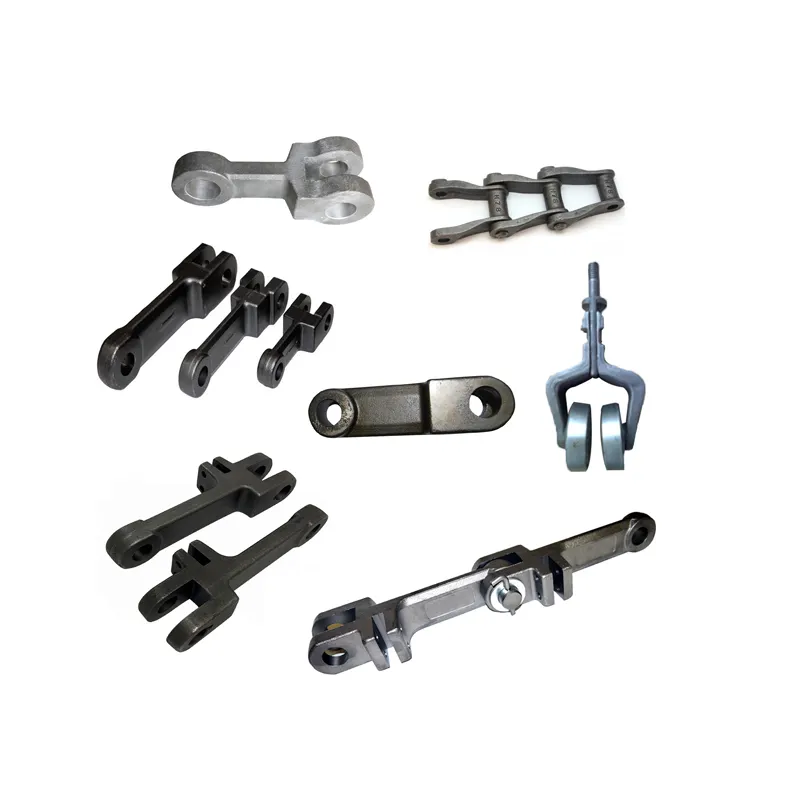
Le catene di trasmissione possono essere utilizzate nelle macchine da stampa o da confezionamento?
Sì, le catene di trasmissione possono essere utilizzate nelle macchine da stampa e confezionamento. Ecco una risposta dettagliata alla domanda:
Le macchine da stampa e confezionamento spesso richiedono una trasmissione di potenza precisa e affidabile per azionare vari componenti come nastri trasportatori, rulli e lastre di stampa. Le catene di trasmissione sono particolarmente adatte a queste applicazioni grazie alla loro robustezza, durata e capacità di sopportare carichi elevati.
I vantaggi derivanti dall'utilizzo di catene di trasmissione nelle macchine da stampa e confezionamento includono:
1. Elevata capacità di carico: le catene di trasmissione sono in grado di gestire carichi pesanti, il che le rende adatte ad azionare apparecchiature come cilindri di stampa, nastri trasportatori e rulli di confezionamento.
2. Controllo preciso del movimento: le macchine da stampa e confezionamento spesso richiedono un controllo preciso del movimento per ottenere processi di stampa, taglio e piegatura accurati. Le catene di trasmissione offrono un'eccellente precisione di posizionamento, garantendo un movimento affidabile e ripetibile dei componenti.
3. Affidabilità: Le catene di trasmissione sono progettate per resistere alle difficili condizioni operative tipiche delle macchine da stampa e confezionamento. Offrono un'elevata resistenza all'usura, alla fatica e ai carichi d'urto, garantendo prestazioni affidabili anche in applicazioni ad alta velocità.
4. Versatilità: Le catene di trasmissione sono disponibili in varie dimensioni, passi e configurazioni, offrendo flessibilità nell'adattamento a diversi progetti e requisiti di macchine da stampa e confezionamento.
5. Manutenzione semplice: le catene di trasmissione sono relativamente facili da manutenere. Una lubrificazione regolare e ispezioni periodiche contribuiscono a garantire prestazioni ottimali e a prolungare la durata della catena.
Quando si utilizzano catene di trasmissione in macchinari per la stampa e l'imballaggio, è importante selezionare il tipo di catena, il passo e il materiale appropriati in base alle specifiche esigenze dell'applicazione. Una manutenzione regolare, che includa la lubrificazione e la regolazione della tensione, è fondamentale per ottimizzare le prestazioni della catena e prevenire usura o guasti prematuri.
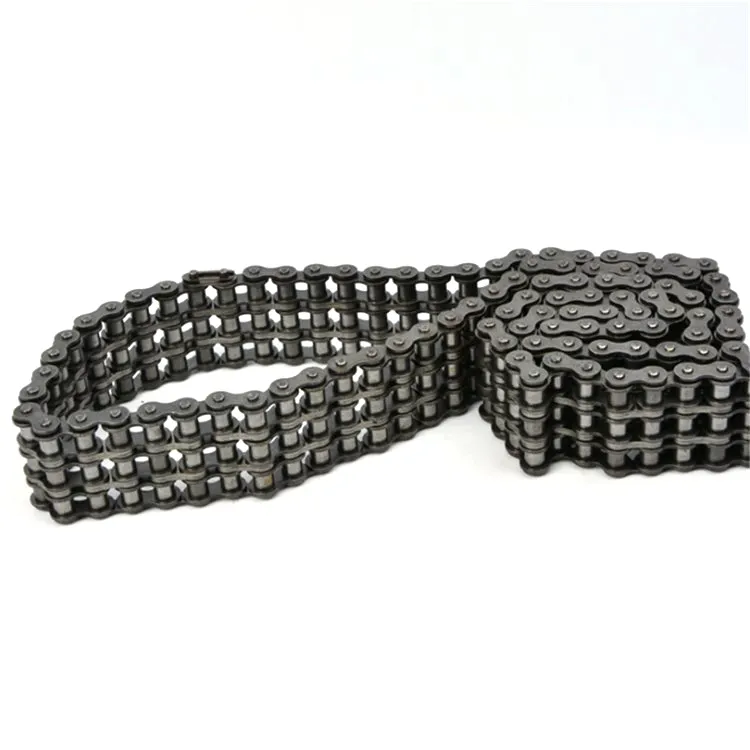
Quali sono i vantaggi dell'utilizzo di una catena di trasmissione ignifuga?
Le catene di trasmissione ignifughe offrono vantaggi specifici in determinate applicazioni in cui la sicurezza antincendio è una priorità. Ecco una risposta dettagliata alla domanda:
1. Protezione antincendio: Il principale vantaggio dell'utilizzo di una catena di trasmissione ignifuga è la maggiore protezione antincendio. Queste catene sono progettate con materiali e rivestimenti ad alta resistenza all'accensione e alla propagazione delle fiamme. In caso di incendio, contribuiscono a minimizzare il rischio che la catena contribuisca alla propagazione delle fiamme.
2. Sicurezza: Le catene di trasmissione ignifughe contribuiscono alla sicurezza generale in ambienti in cui è presente il rischio di incendio. Riducendo l'infiammabilità della catena, contribuiscono a prevenire l'innesco o il mantenimento di un incendio, proteggendo persone e beni.
3. Conformità alle normative antincendio: Nei settori o nelle applicazioni in cui le normative antincendio sono rigorose, l'utilizzo di catene di trasmissione ignifughe garantisce la conformità a tali requisiti. Contribuisce a soddisfare gli standard e le normative necessarie per la prevenzione e la protezione antincendio.
4. Tempo di fuga prolungato: nelle situazioni in cui il personale potrebbe dover evacuare rapidamente durante un incendio, le catene di trasmissione ignifughe possono fornire un prezioso tempo aggiuntivo per un'evacuazione sicura. Resistendo all'accensione e alla propagazione delle fiamme, contribuiscono a mantenere l'integrità strutturale e a ritardare la diffusione dell'incendio.
5. Protezione dei beni: le catene di trasmissione ignifughe contribuiscono a proteggere attrezzature, macchinari e beni di valore dai danni causati dal fuoco. Riducendo il rischio che la catena prenda fuoco, minimizzano la possibilità di guasti alle apparecchiature e conseguenti perdite o danni.
È importante notare che le catene di trasmissione ignifughe possono presentare specifiche considerazioni e limitazioni di progettazione. Sono tipicamente utilizzate in applicazioni in cui la sicurezza antincendio è fondamentale, come nei sistemi di trasporto, nell'industria aerospaziale, mineraria e in altri settori in cui il rischio di incendio è elevato. La scelta della catena ignifuga appropriata richiede di valutare i requisiti specifici dell'applicazione e di garantire la conformità alle norme e ai regolamenti antincendio pertinenti.
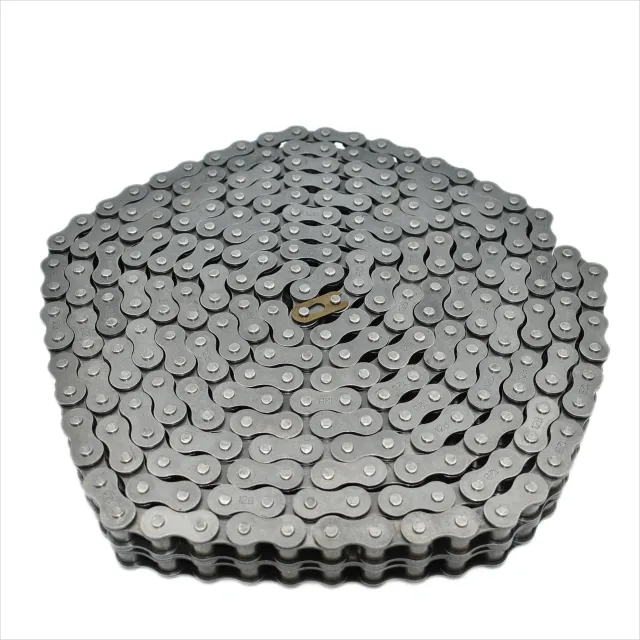
Quali sono i diversi tipi di catene di trasmissione disponibili?
Esistono diversi tipi di catene di trasmissione, ciascuna progettata per adattarsi ad applicazioni e condizioni operative specifiche. Ecco alcuni tipi comuni:
- Catene a rulli: Le catene a rulli sono il tipo di catena di trasmissione più diffuso. Sono composte da piastre interne ed esterne, perni, boccole e rulli. I rulli contribuiscono a ridurre l'attrito e a garantire un movimento fluido.
- Catene silenziose: Le catene silenziose, note anche come catene a denti invertiti o catene dentate, presentano profili dei denti speciali che si innestano con le ruote dentate corrispondenti. Sono progettate per ridurre al minimo rumore e vibrazioni, risultando adatte ad applicazioni che richiedono un funzionamento silenzioso.
- Catene a maglie piatte: Le catene a maglie piatte sono costituite da maglie ad incastro realizzate con piastre di acciaio. Sono note per la loro elevata resistenza alla trazione e alla fatica, caratteristiche che le rendono adatte ad applicazioni gravose e con carichi elevati.
- Catene di distribuzione: Le catene di distribuzione vengono utilizzate nei motori per sincronizzare la rotazione dell'albero a camme e dell'albero motore. Hanno profili dei denti precisi che si innestano con le ruote dentate di distribuzione, garantendo una fasatura accurata e prestazioni efficienti del motore.
- Catene in acciaio ingegnerizzate: Le catene in acciaio ingegnerizzate sono catene altamente specializzate, progettate per settori e applicazioni specifici. Sono spesso utilizzate in ambienti difficili come l'industria mineraria, la silvicoltura e la movimentazione dei materiali.
- Catene in plastica: Le catene in plastica sono realizzate con materiali plastici ad alta resistenza, come acetale o nylon. Offrono vantaggi quali resistenza alla corrosione, leggerezza e bassa rumorosità. Sono comunemente utilizzate nell'industria alimentare, nell'imballaggio e in altri settori con rigorosi requisiti igienici.
Questi sono solo alcuni esempi di tipologie di catene di trasmissione. A seconda dell'applicazione specifica, potrebbero essere disponibili altre catene specializzate per soddisfare le esigenze particolari di diversi settori e macchinari.
In che cosa si differenziano le catene a rulli dagli altri tipi di catene di trasmissione?
Le catene a rulli, note anche come catene a maglie a rulli, sono un tipo di catena di trasmissione comunemente utilizzata che si distingue dalle altre catene per diversi aspetti:
- Progettazione: Le catene a rulli sono composte da piastre interne ed esterne, perni, boccole e rulli. I rulli, liberi di ruotare, contribuiscono a ridurre l'attrito e l'usura, garantendo una trasmissione di potenza più fluida ed efficiente.
- Ampia applicazione: le catene a rulli sono versatili e ampiamente utilizzate in diversi settori, tra cui quello automobilistico, dei macchinari industriali, delle attrezzature agricole e dei sistemi di trasporto.
- Elevata capacità di carico: le catene a rulli sono progettate per resistere a carichi elevati e offrono un'eccellente resistenza alla trazione, risultando adatte ad applicazioni che richiedono prestazioni gravose.
- Efficienza: Le catene a rulli sono note per la loro elevata efficienza nella trasmissione di potenza. Il design a rulli riduce al minimo l'attrito, con conseguente minore perdita di energia e maggiore efficienza complessiva.
- Convenienza economica: le catene a rulli sono relativamente economiche rispetto ad altre catene di trasmissione specializzate, il che le rende una scelta popolare in molte applicazioni.
Sebbene le catene a rulli presentino dei vantaggi, è importante notare che diversi tipi di catene di trasmissione possono essere più adatti ad applicazioni specifiche. Fattori come la capacità di carico, la velocità, il livello di rumorosità e le condizioni ambientali devono essere presi in considerazione nella scelta della catena di trasmissione più appropriata per una particolare applicazione.


Modificato da CX il 26/03/2024