उत्पाद वर्णन
विस्तृत तस्वीरें
उत्पाद वर्णन
| आइटम नाम | मानक ट्रांसमिशन रोलर चेन | नमूना | सीरीज़ ए, सीरीज़ बी |
| पंक्ति | सिंप्लेक्स दोहरा ट्रिपलरेक्स |
आवेदन | मशीनरी के पुर्जे |
| आत्महत्या उपचार | न्यूट्रल/सैंड-ब्लास्टेड/शॉट-पीनिंग | प्रमाणन | आईएसओ, एएनएसआई, डीआईएन, बीएस |
| पैकिंग | बक्सों और लकड़ी के बक्सों में पैक किया गया, या रीलों में पैक करके फिर पैलेटों पर रखा गया। | पत्तन | चीन में कोई भी समुद्री बंदरगाह या हवाई अड्डा |
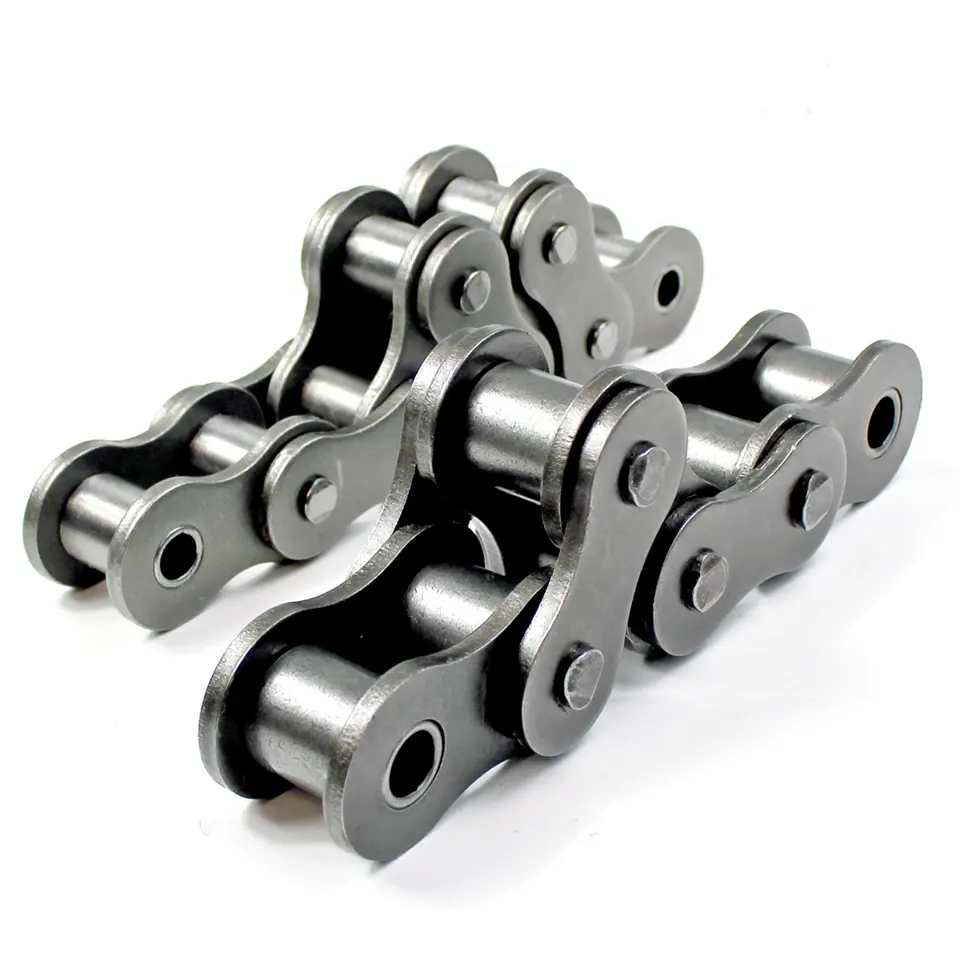
Standard roller chains are a type of industrial chain that is commonly used in power transmission
applications. They consist of a series of cylindrical rollers that are linked together by side plates.
The rollers rotate within the links, transmitting power from 1 sprocket to another.
Standard roller chains are available in a range of sizes and configurations to fit different industrial
applications. They are made from high-quality materials, such as carbon steel or stainless steel,
which are resistant to wear, corrosion, and fatigue.
These chains are designed to provide smooth and efficient power transmission, with minimal energy
loss. They have a high load-bearing capacity, making them suitable for use in heavy-duty machinery,
such as conveyors, elevators, and industrial equipment.
Standard roller chains are also easy to install and maintain, with simple lubrication requirements to
ensure long-lasting performance. Overall, they offer a reliable and cost-effective solution for power
transmission in a wide range of industrial applications.
अन्य उत्पाद
कंपनी प्रोफाइल
पैकेजिंग और शिपिंग
बिक्री पश्चात सेवा
| मानक या गैर-मानक: | मानक |
|---|---|
| आवेदन पत्र: | वस्त्र निर्माण मशीनरी, परिधान मशीनरी, कन्वेयर उपकरण, पैकेजिंग मशीनरी, इलेक्ट्रिक कारें, मोटरसाइकिल, खाद्य मशीनरी, खनन उपकरण, कृषि मशीनरी |
| सतह का उपचार: | न्यूट्रल/सैंड-ब्लास्टेड/शॉट-पीनिंग |
| सामग्री: | कार्बन स्टील |
| प्रकार: | लघु पिच श्रृंखला |
| Main Materials: | It Is 40mn. 40cr, 45mn Alloy Steel or SUS304 for P |
| उदाहरण: |
US$ 1.28/Meter
1 मीटर (न्यूनतम ऑर्डर) | |
|---|
| अनुकूलन: |
उपलब्ध
| अनुकूलित अनुरोध |
|---|
ट्रांसमिशन चेन का वजन उसकी स्थापना और संचालन को कैसे प्रभावित करता है?
ट्रांसमिशन चेन का वजन इसकी स्थापना और संचालन में महत्वपूर्ण भूमिका निभाता है। प्रश्न का विस्तृत उत्तर यहाँ दिया गया है:
1. स्थापना प्रक्रिया: ट्रांसमिशन चेन का वजन स्थापना प्रक्रिया की सुगमता और जटिलता को प्रभावित कर सकता है। भारी चेनों को उठाने और सही जगह पर रखने के लिए अतिरिक्त जनशक्ति या उपकरण की आवश्यकता हो सकती है। स्थापनाकर्ताओं को चेन को संभालते समय उसके वजन का ध्यान रखना चाहिए और चोटों या दुर्घटनाओं से बचने के लिए उचित सुरक्षा उपायों का पालन सुनिश्चित करना चाहिए।
2. सिस्टम डिज़ाइन: ट्रांसमिशन सिस्टम के समग्र डिज़ाइन में चेन का वज़न एक महत्वपूर्ण कारक है। यह स्प्रोकेट, बेयरिंग और शाफ्ट जैसे अन्य घटकों के चयन को प्रभावित करता है। सिस्टम को चेन के वज़न को संभालने और अत्यधिक तनाव या घिसाव के बिना प्रभावी ढंग से शक्ति संचारित करने के लिए डिज़ाइन किया जाना चाहिए।
3. विद्युत संचरण दक्षता: चेन का वजन सिस्टम के कुल द्रव्यमान को प्रभावित करता है। अत्यधिक वजन से जड़त्व बढ़ सकता है और त्वरण एवं मंदी के लिए अधिक ऊर्जा की आवश्यकता हो सकती है। इससे विद्युत संचरण की दक्षता प्रभावित हो सकती है और ऊर्जा की खपत बढ़ सकती है। ऊर्जा दक्षता को अनुकूलित करने के लिए चेन के वजन और सिस्टम के प्रदर्शन के बीच संतुलन बनाए रखना महत्वपूर्ण है।
4. भार वहन क्षमता: चेन का वजन सीधे तौर पर उसकी भार वहन क्षमता से संबंधित होता है। भारी चेनें आमतौर पर अधिक भार संभालने और अधिक शक्ति संचारित करने के लिए डिज़ाइन की जाती हैं। सुरक्षित और विश्वसनीय संचालन सुनिश्चित करने के लिए, उपयुक्त वजन और भार वहन क्षमता वाली चेन का चयन करना आवश्यक है जो उपयोग की आवश्यकताओं के अनुरूप हो।
5. घिसाव और थकान: समय के साथ चेन का वजन घिसाव और थकान का कारण बन सकता है। अत्यधिक वजन या ओवरलोडिंग से घिसाव की प्रक्रिया तेज हो सकती है, जिससे चेन समय से पहले खराब हो सकती है। घिसाव के प्रभावों को कम करने और चेन की दीर्घायु सुनिश्चित करने के लिए उचित रखरखाव, स्नेहन और नियमित निरीक्षण आवश्यक हैं।
6. शोर और कंपन: चेन का वजन संचालन के दौरान शोर और कंपन के स्तर को प्रभावित कर सकता है। भारी चेन अधिक शोर और कंपन उत्पन्न कर सकती हैं, खासकर उच्च गति पर। उचित तनाव, संरेखण और स्नेहन इन प्रभावों को कम करने और सुचारू एवं शांत संचालन बनाए रखने में सहायक होते हैं।
ट्रांसमिशन चेन के वजन पर विचार करते समय, स्थापना संबंधी आवश्यकताओं, सिस्टम डिज़ाइन, विद्युत संचरण दक्षता, भार वहन क्षमता, घिसाव और थकान, तथा शोर और कंपन के स्तर जैसे कारकों को संतुलित करना आवश्यक है। विशिष्ट अनुप्रयोग के लिए सही चेन वजन का चयन इष्टतम प्रदर्शन, दीर्घायु और समग्र सिस्टम विश्वसनीयता सुनिश्चित करता है।
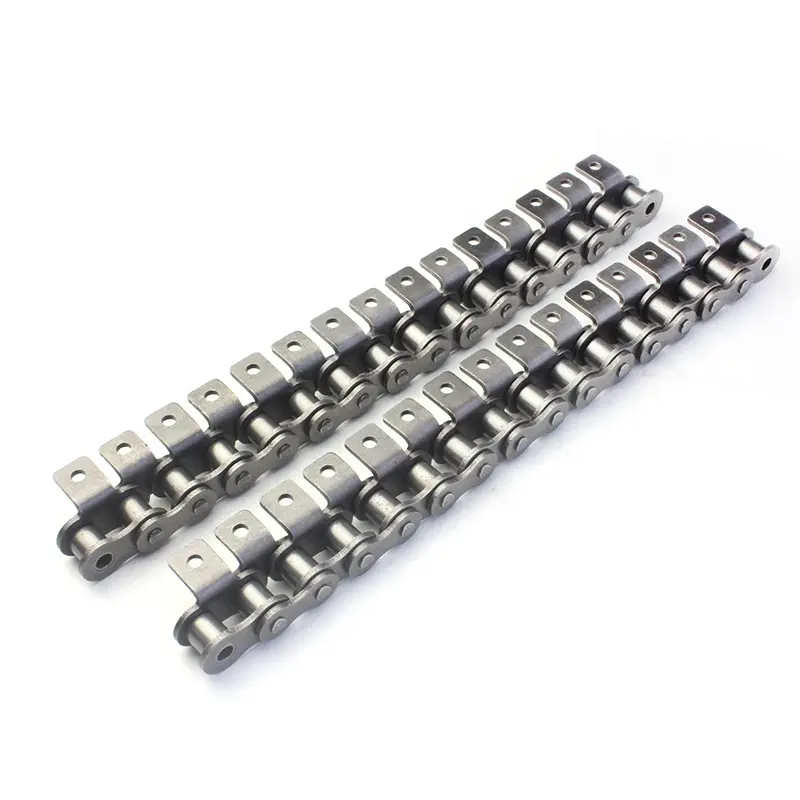
ट्रांसमिशन चेन पर जंग रोधी कोटिंग का उपयोग करने के क्या फायदे हैं?
ट्रांसमिशन चेन पर जंग रोधी कोटिंग लगाने से कई फायदे मिलते हैं। इस प्रश्न का विस्तृत उत्तर यहाँ दिया गया है:
1. बढ़ी हुई मजबूती: जंग लगने से ट्रांसमिशन चेन की जीवन अवधि और कार्यक्षमता पर काफी असर पड़ सकता है। जंग रोधी कोटिंग लगाने से चेन नमी, रसायनों और पर्यावरणीय कारकों के हानिकारक प्रभावों से सुरक्षित रहती है, जिससे इसकी मजबूती और जीवनकाल बढ़ जाता है।
2. जंग से बचाव: ट्रांसमिशन चेन पर जंग लगने से घर्षण, टूट-फूट और कार्यक्षमता में कमी आ सकती है। जंग रोधी कोटिंग एक अवरोधक के रूप में कार्य करती है, जो चेन को नमी या संक्षारक पदार्थों के सीधे संपर्क में आने से रोकती है, जिससे जंग लगने की प्रक्रिया बाधित होती है और चेन का सुचारू संचालन सुनिश्चित होता है।
3. बेहतर प्रदर्शन: जंग लगने से चेन की सुचारू गति प्रभावित हो सकती है, जिससे अकड़न, जाम या गति रुकने जैसी समस्या हो सकती है। जंग रोधी कोटिंग से चेन में घर्षण और प्रतिरोध कम हो जाता है, जिसके परिणामस्वरूप बेहतर प्रदर्शन, कुशल विद्युत संचरण और कम ऊर्जा खपत होती है।
4. कम रखरखाव: जंग रोधी कोटिंग वाली ट्रांसमिशन चेन को बिना कोटिंग वाली चेन की तुलना में कम रखरखाव और सफाई की आवश्यकता होती है। यह कोटिंग एक सुरक्षात्मक परत के रूप में कार्य करती है, जिससे गंदगी, धूल और दूषित पदार्थों का जमाव कम होता है, और इस प्रकार बार-बार सफाई और रखरखाव की आवश्यकता कम हो जाती है।
5. लागत बचत: ट्रांसमिशन चेन पर जंग-रोधी कोटिंग का उपयोग करने से दीर्घकालिक लागत बचत हो सकती है। चेन की जीवन अवधि बढ़ाकर और रखरखाव की आवश्यकता को कम करके, चेन बदलने की आवश्यकता और उससे संबंधित डाउनटाइम और खर्चों को कम किया जा सकता है।
6. बहुमुखी प्रतिभा: संक्षारण-प्रतिरोधी कोटिंग्स विभिन्न वातावरणों और अनुप्रयोगों के लिए उपयुक्त विभिन्न फॉर्मूलेशन में उपलब्ध हैं। चाहे ट्रांसमिशन चेन बाहरी परिस्थितियों, उच्च आर्द्रता, रासायनिक संपर्क या अन्य संक्षारक वातावरण में काम करती हो, इष्टतम सुरक्षा प्रदान करने के लिए विशेष रूप से डिज़ाइन की गई कोटिंग्स मौजूद हैं।
7. पर्यावरणीय पहलू: ट्रांसमिशन चेन पर जंग-रोधी कोटिंग का उपयोग पर्यावरणीय स्थिरता में योगदान देता है। चेन की आयु बढ़ाकर, प्रतिस्थापनों के निर्माण में कम संसाधनों की खपत होती है, जिससे अपशिष्ट उत्पादन कम होता है और अधिक पर्यावरण-अनुकूल दृष्टिकोण को बढ़ावा मिलता है।
यह ध्यान रखना महत्वपूर्ण है कि उपयुक्त संक्षारण-रोधी कोटिंग का चयन विशिष्ट परिचालन स्थितियों पर निर्भर करता है, जैसे कि तापमान, रासायनिक संपर्क और संक्षारक कारकों का प्रकार। कोटिंग निर्माताओं या विशेषज्ञों से परामर्श करने से अनुप्रयोग आवश्यकताओं के आधार पर ट्रांसमिशन चेन के लिए सबसे उपयुक्त कोटिंग समाधान निर्धारित करने में मदद मिल सकती है।
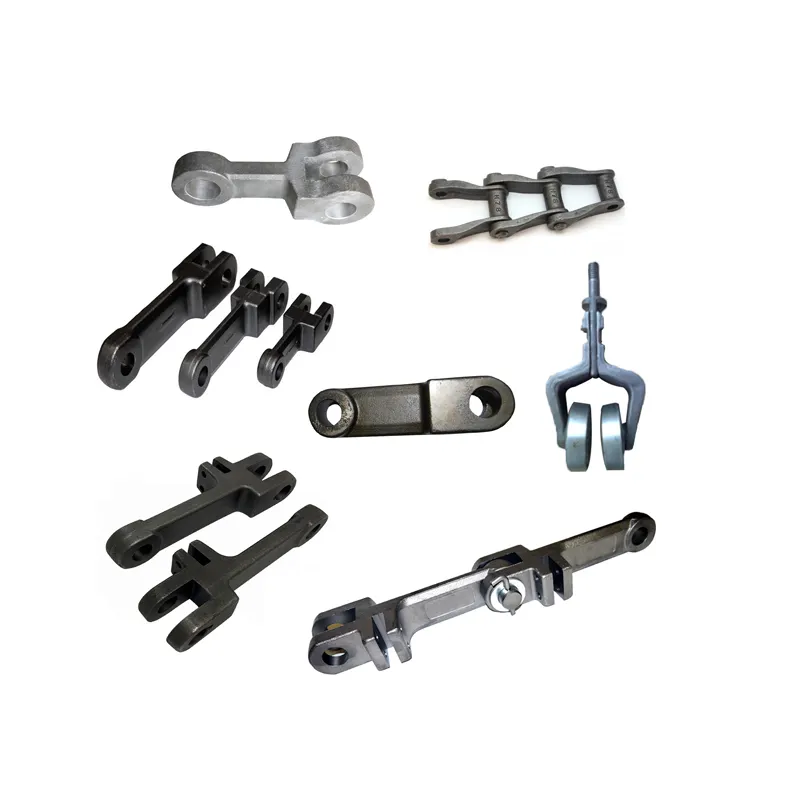
ट्रांसमिशन चेन के रखरखाव के लिए क्या-क्या आवश्यकताएं हैं?
ट्रांसमिशन चेन के इष्टतम प्रदर्शन और दीर्घायु को सुनिश्चित करने में रखरखाव महत्वपूर्ण भूमिका निभाता है। यहाँ इसका विस्तृत विवरण दिया गया है:
1. नियमित निरीक्षण: घिसावट, क्षति या संरेखण में गड़बड़ी के किसी भी लक्षण की जांच के लिए नियमित रूप से दृश्य निरीक्षण किया जाना चाहिए। चेन में खिंचाव, जंग, टूटे या क्षतिग्रस्त कड़ियों और स्प्रोकेट पर अत्यधिक घिसावट के लक्षणों की जांच करें।
2. चिकनाई: घर्षण को कम करने, टूट-फूट को रोकने और चेन की आयु बढ़ाने के लिए उचित चिकनाई आवश्यक है। चिकनाई के प्रकार और आवृत्ति के लिए निर्माता की अनुशंसाओं का पालन करें। चेन की पूरी लंबाई पर समान रूप से चिकनाई लगाएं, यह सुनिश्चित करते हुए कि यह सभी घटकों के बीच तक पहुंच जाए।
3. तनाव बनाए रखना: सुचारू संचालन और चेन फिसलने से बचाने के लिए चेन में सही तनाव बनाए रखना महत्वपूर्ण है। अनुशंसित तनाव विधि और उचित तनाव स्तर के लिए निर्माता के दिशानिर्देशों का पालन करें। तनाव की नियमित रूप से जांच करें और आवश्यकतानुसार समायोजित करें।
4. सफाई: नियमित सफाई से गंदगी, धूल और अन्य दूषित पदार्थों को हटाने में मदद मिलती है जो चेन के घिसाव को बढ़ा सकते हैं और उसे खराब कर सकते हैं। चेन को साफ करने के लिए उपयुक्त सफाई एजेंट या सॉल्वेंट का उपयोग करें और चिकनाई लगाने से पहले सुनिश्चित करें कि चेन पूरी तरह से सूख गई हो।
5. संरेखण: सुचारू संचालन और समय से पहले घिसावट को रोकने के लिए चेन और स्प्रोकेट के बीच उचित संरेखण अत्यंत महत्वपूर्ण है। संरेखण की नियमित रूप से जाँच करें और चेन को स्प्रोकेट पर सीधा और सुचारू रूप से चलाने के लिए आवश्यक समायोजन करें।
6. घिसे हुए पुर्जों का प्रतिस्थापन: समय के साथ, ट्रांसमिशन चेन घिस सकती है और लंबी हो सकती है। चेन के सुचारू रूप से कार्य करने के लिए लिंक, पिन और स्प्रोकेट जैसे घिसे हुए पुर्जों को बदलना महत्वपूर्ण है।
7. पर्यावरणीय विचार: ट्रांसमिशन चेन के परिचालन वातावरण पर विचार करें और इसे संक्षारक पदार्थों, अत्यधिक तापमान या अत्यधिक नमी से बचाने के लिए उचित उपाय करें। आवश्यकता पड़ने पर संक्षारण-रोधी कोटिंग लगाएं या स्टेनलेस स्टील की चेन का उपयोग करें।
8. रिकॉर्ड रखना: रखरखाव गतिविधियों का रिकॉर्ड रखें, जिसमें स्नेहन कार्यक्रम, तनाव समायोजन, निरीक्षण और पुर्जों के प्रतिस्थापन शामिल हैं। यह रिकॉर्ड रखरखाव के इतिहास को ट्रैक करने और किसी भी प्रकार की समस्या या पैटर्न की पहचान करने में सहायक होगा।
ट्रांसमिशन चेन के प्रकार और मॉडल के आधार पर विशिष्ट रखरखाव आवश्यकताओं के लिए निर्माता के दिशानिर्देशों और अनुशंसाओं का पालन करना महत्वपूर्ण है। उचित रखरखाव प्रक्रियाओं का पालन करने से विभिन्न अनुप्रयोगों में ट्रांसमिशन चेन की विश्वसनीयता, प्रदर्शन और दीर्घायु सुनिश्चित करने में मदद मिलेगी।


सीएक्स द्वारा संपादित, 2023-08-23