Descripción del Producto
| OE Code: | 3220A006 | Car Fit: | Used For L200 |
| Color: | Neutral | Material: | / |
| Pcs/Ctn: | 1 unidad | Carton Size: | 42*10*8CM |
| Certificado: | / | Garantía: | 1Year |
| Embalaje: | NITOYO/Neutral Packing | Entrega: | Days After Deposit |
| Cantidad mínima de pedido: | 20Pcs | Pago: | T/T,L/C,D/A,Alibaba Online Payment |
| Customized Services: | Sample Free.When You Confirm The Order,We Will Refund The Sample Charge To You.The Packing Printing,And Mold Opening Of Design All Free Base On 500Pcs. | How To Supply Correct Products: | Rely On Drawings And Oem Standards For Production To Ensure Be Accurate. |
RELATED HOT SALE PRODUCTS
| NAME | OEM | MODELO |
| condenser fan | MN123607 | L200 |
| combine switch | MB571622 | L200 |
| fuel filter assembly | MR45571 | L200 |
| cadena | 3220A006 | L200 |
| control valve | 1460A056 | L200 |
| center bearing | MR580647 | L200 |
| map sensor | MR299300 | L200 |
| speed sensor | MR122305 | L200 |
| crankshaft sensor plate | MD348238 | L200 |
| clutch fork | MD703275 | L200 |
| shift lever | 437004F000 | H100 |
| synchronizer ring | 33384-60091 | 2KD HIACE |
| synchronizer ring | 33037-60050 | 2KD HIACE |
| synchronizer ring | 33037-35030 | 2KD HIACE |
| synchronizer ring | 33368-35050 | 2KD HIACE |
| synchronizer ring | 2526A074 | L200 |
| cojinete | 90364-3501 | TOYOTA |
| idle gear | 1358167041 | TOYOTA |
| oil seal | 9571-T0002 | TOYOTA |
| timing cover | 11321-3571 | TOYOTA |
| outlet hose | 1305A143 | L200 |
| fuel filter assembly | MB220900 | L200 |
| Estándar o no estándar: | Estándar |
|---|---|
| Solicitud: | Electric Cars, Car |
| Cantidad mínima de pedido: | 20PCS |
| Muestras: |
US$ 200/Piece
1 unidad (pedido mínimo) | Solicitar muestra |
|---|
| Personalización: |
Disponible
| Solicitud personalizada |
|---|
.shipping-cost-tm .tm-status-off{background: none;padding:0;color: #1470cc}
|
Costo de envío:
Coste estimado por unidad. |
sobre el costo de envío y el tiempo estimado de entrega. |
|---|
| Método de pago: |
|
|---|---|
|
Pago inicial Pago completo |
| Divisa: | US$ |
|---|
| Devoluciones y reembolsos: | Puedes solicitar un reembolso hasta 30 días después de recibir los productos. |
|---|
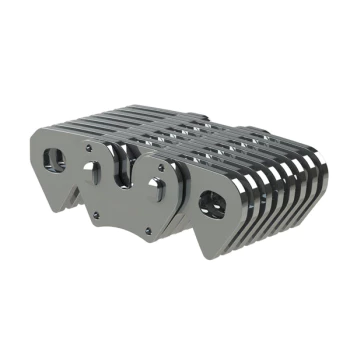
¿Se puede utilizar una cadena de transmisión en un sistema de climatización o ventilación?
Sí, se puede utilizar una cadena de transmisión en sistemas de climatización (calefacción, ventilación y aire acondicionado) o de ventilación donde se requiera una transmisión de potencia fiable y eficiente. A continuación, se ofrece una explicación detallada:
Los sistemas de climatización y ventilación utilizan diversos componentes, como ventiladores, sopladores, compuertas y rejillas, para controlar el flujo de aire, la temperatura y la humedad en edificios residenciales, comerciales e industriales. Las cadenas de transmisión ofrecen varias ventajas en estas aplicaciones:
- Transmisión de energía confiable: Las cadenas de transmisión proporcionan una transmisión de potencia fiable para sistemas de climatización y ventilación. Son capaces de transmitir potencia a largas distancias, adaptarse a diversas velocidades y requisitos de par, y funcionar en diferentes sentidos de rotación.
- Diseño de sistemas flexibles: Las cadenas portacables ofrecen flexibilidad en el diseño y la disposición del sistema. Se pueden configurar fácilmente para conectar y accionar múltiples componentes, como ventiladores, motores y compuertas, lo que permite un control y ajuste eficientes del flujo de aire y del rendimiento del sistema.
- Control preciso de la velocidad: Las cadenas de transmisión permiten un control preciso de la velocidad en los sistemas de climatización. Mediante el uso de piñones de diferentes tamaños o la incorporación de variadores de velocidad, se puede ajustar la velocidad de rotación de los ventiladores o sopladores para lograr el caudal de aire deseado y mantener condiciones ambientales óptimas.
- Alta capacidad de carga: Los sistemas de climatización y ventilación suelen requerir componentes capaces de manejar grandes volúmenes de aire y diferenciales de presión. Las cadenas de transmisión están diseñadas para soportar cargas elevadas y transmitir potencia de forma eficaz, garantizando así el funcionamiento fiable de ventiladores, sopladores y demás equipos.
- Durabilidad y longevidad: Las cadenas de transmisión están diseñadas para soportar las exigentes condiciones de los sistemas de climatización y ventilación. Su diseño resiste el desgaste, la corrosión y la fatiga, garantizando durabilidad y una larga vida útil incluso en operaciones continuas o de alta frecuencia.
- Funcionamiento silencioso: Las cadenas de transmisión, con la lubricación y el mantenimiento adecuados, pueden funcionar silenciosamente en sistemas de climatización, minimizando los niveles de ruido y vibración. Esto es fundamental para mantener un ambiente confortable y silencioso en entornos residenciales, comerciales o institucionales.
Al seleccionar una cadena de transmisión para aplicaciones de climatización o ventilación, se deben tener en cuenta factores como la capacidad de carga, los requisitos de velocidad, las condiciones ambientales (como la temperatura y la humedad) y las consideraciones de mantenimiento.
La inspección periódica, la lubricación y el ajuste de la tensión son importantes para garantizar el rendimiento óptimo y la durabilidad de la cadena de transmisión en los sistemas de climatización y ventilación.
Mediante la utilización de cadenas de transmisión en los sistemas de climatización y ventilación, los operadores pueden beneficiarse de una transmisión de potencia fiable, un diseño de sistema flexible, un control de velocidad preciso, una alta capacidad de carga, durabilidad, larga vida útil y un funcionamiento silencioso, lo que contribuye a una climatización y ventilación eficientes y efectivas en diversos entornos de edificios.
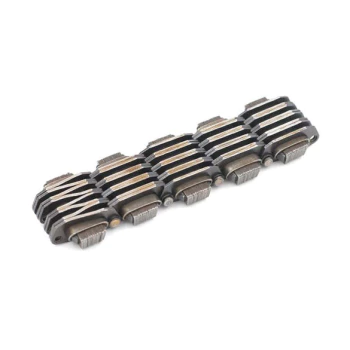
¿Se puede utilizar una cadena de transmisión en aplicaciones de carpintería o aserraderos?
Sí, una cadena de transmisión puede utilizarse en aplicaciones de carpintería y aserraderos, donde la transmisión de potencia fiable y la durabilidad son esenciales. A continuación, se ofrece una explicación detallada:
En las operaciones de carpintería y aserraderos, se utilizan comúnmente maquinaria y equipos como sierras, cepilladoras, ensambladoras y cintas transportadoras. Las cadenas de transmisión ofrecen varias ventajas en estas aplicaciones:
- Alta capacidad de carga: Las cadenas de transmisión son conocidas por su alta capacidad de carga, lo que las hace idóneas para aplicaciones de trabajo pesado, comunes en la carpintería y los aserraderos. Pueden soportar las importantes fuerzas y cargas asociadas con el corte, el conformado y el transporte de madera.
- Durabilidad y fiabilidad: Los entornos de trabajo de la madera y los aserraderos pueden ser exigentes, con condiciones como aserrín, vibraciones, impactos y temperaturas de funcionamiento variables. Las cadenas de transmisión están diseñadas para soportar estas duras condiciones y proporcionar una transmisión de potencia fiable y duradera incluso en entornos operativos difíciles y exigentes.
- Transmisión de potencia precisa: Las cadenas de transmisión ofrecen una transmisión de potencia precisa, lo que garantiza un movimiento exacto y sincronizado de los componentes de la maquinaria utilizados en las operaciones de carpintería y aserraderos. Esto permite procesos de corte, conformado y manipulación de materiales consistentes y fiables.
- Opciones de personalización: Las cadenas de transmisión se pueden personalizar para adaptarse a aplicaciones específicas en carpintería y aserraderos. Están disponibles en varios tamaños, pasos y materiales para soportar diferentes cargas, velocidades y condiciones ambientales.
- Compatibilidad con componentes auxiliares: Las cadenas de transmisión se integran fácilmente con componentes auxiliares comunes en maquinaria para trabajar la madera y aserraderos, como tensores, guías, piñones y cojinetes. Esto permite una transmisión de potencia eficiente y fiable en todo el sistema.
- Rentabilidad: Las cadenas de transmisión ofrecen una solución rentable para la transmisión de potencia en la carpintería y los aserraderos. Tienen una larga vida útil, requieren menos mantenimiento y sus costos de reemplazo son menores en comparación con otros sistemas de transmisión de potencia.
Al seleccionar una cadena de transmisión, es importante considerar los requisitos específicos de la aplicación en el sector de la carpintería o el aserradero. Deben tenerse en cuenta factores como la capacidad de carga, la velocidad, las condiciones ambientales y las necesidades de mantenimiento.
El mantenimiento regular, que incluye inspección, lubricación y ajuste de la tensión, es fundamental para garantizar un rendimiento óptimo y una larga vida útil de la cadena de transmisión en aplicaciones de carpintería y aserraderos.
Mediante el uso de cadenas de transmisión en las operaciones de carpintería y aserraderos, los operarios pueden beneficiarse de una transmisión de potencia fiable, durabilidad y la capacidad de soportar las difíciles condiciones propias de estas industrias, lo que en última instancia contribuye a un procesamiento de la madera y la carpintería eficiente y preciso.
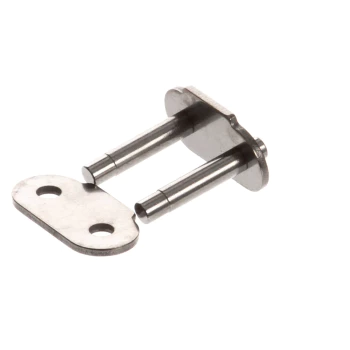
¿Cómo se compara la vida útil de una cadena de transmisión con la de otros sistemas de transmisión de potencia?
La vida útil de una cadena de transmisión puede variar según factores como la aplicación, las condiciones de funcionamiento, las prácticas de mantenimiento y la calidad de la propia cadena. A continuación, se ofrece una explicación:
La vida útil de una cadena de transmisión está influenciada por varios factores:
- 1. Carga y tensión: La capacidad de carga y la tensión a la que se somete la cadena de transmisión afectan a su vida útil. Mayores cargas y niveles de tensión pueden provocar un desgaste acelerado y una menor vida útil.
- 2. Lubricación y mantenimiento: Una lubricación y un mantenimiento adecuados influyen significativamente en la vida útil de una cadena de transmisión. La lubricación, el ajuste de la tensión y la inspección periódicas ayudan a minimizar el desgaste y prolongar la vida útil de la cadena.
- 3. Condiciones de funcionamiento: Factores ambientales como la temperatura, la humedad, el polvo y la exposición a contaminantes pueden influir en la vida útil de una cadena de transmisión. Las condiciones de funcionamiento adversas pueden acelerar el desgaste y reducir la vida útil de la cadena.
- 4. Calidad de la cadena: La calidad y la construcción de la cadena de transmisión influyen decisivamente en su vida útil. Las cadenas fabricadas con materiales de alta calidad y según especificaciones precisas suelen tener una vida útil más prolongada que las de menor calidad.
Al comparar la vida útil de una cadena de transmisión con la de otros sistemas de transmisión de potencia, como correas o engranajes, es importante considerar la aplicación específica y las condiciones de funcionamiento. En algunos casos, las cadenas de transmisión pueden ofrecer una mayor vida útil que las correas, especialmente en aplicaciones de carga pesada o alto par. Sin embargo, la vida útil de los engranajes suele superar la de las cadenas de transmisión, particularmente en aplicaciones con requisitos de alta velocidad y carga elevada.
Es fundamental consultar las especificaciones del fabricante, tener en cuenta los requisitos específicos de la aplicación y evaluar la vida útil de los diferentes sistemas de transmisión de potencia para determinar la opción más adecuada para una aplicación determinada.


Editor por CX 26/10/2023