Produktbeschreibung
Produktkollektion
Produktbeschreibung
One of the most compelling benefits of our QLP inverted tooth chain is its versatility and incredible durability. Whether you need a light-duty conveying or heavy-duty power transmission chain, the chain can be customised to meet your needs.
The chain is also corrosion-resistant. This means it can be used in harsh environments without worrying about rust or other types of damage. Its unique tooth shape reduces noise and vibration.
Wenn Sie ein bestimmtes Design benötigen, können wir Ihnen maßgeschneiderte Lösungen anbieten, die Ihren Anforderungen entsprechen. Egal ob Sie spezielle Funktionen, Pläne, Materialien oder Spezifikationen benötigen, unser Team arbeitet daran, sicherzustellen, dass Sie eine Kette erhalten, die Ihren Bedürfnissen voll und ganz entspricht.
Suchen Sie nach anderen Ketten?
Hinterlassen Sie unten Ihre Nachricht, Kontaktieren Sie uns gerne.!
Häufig gestellte Fragen
| Frage 1: Sind Sie ein Hersteller oder ein Handelsunternehmen? |
| Antwort: Wir sind ein Hersteller von 100%-Ketten mit 23 Jahren Erfahrung |
| Frage 2: Welche Angaben muss ich machen, um ein Angebot zu erhalten? |
| Antwort: 1. Art der Kette (wenn möglich mit Fotos) 2. Steigung der Kette 3. Breite der Kette 4. Länge und Anzahl der Kette 5. Sonstige spezifische Anforderungen |
| Frage 3: Wie lange beträgt Ihre Produktions- und Lieferzeit? |
| Antwort: Die Produkte sind in der Regel innerhalb von zwei Wochen fertig, abhängig von Art und Menge. Bitte kontaktieren Sie uns, um die Lieferzeit an Ihren Bestimmungsort zu erfragen. |
| Frage 4: Wie lange ist Ihre garantierte Laufzeit? |
| Antwort: Wir bieten eine dreijährige Garantie, wenn Sie Ketten und passende Ritzel zusammen kaufen. Falls Sie nur Ketten benötigen, kann auch eine einjährige Garantie bestätigt werden. |
| Frage 5: Handelsbedingungen und Zahlungsbedingungen? |
| Antwort: Wir akzeptieren EXW, FOB, DDU und Lieferung bis zur Haustür. Zahlungsbedingungen wie T/T, L/C und Western Union sind möglich. Über unsere B2B-Plattform bieten wir auch Online-Handel an. |
Unternehmensprofil
/* 22. Januar 2571 19:08:37 */!function(){function s(e,r){var a,o={};try{e&&e.split(“,”).forEach(function(e,t){e&&(a=e.match(/(.*?):(.*)$/))&&1
| Standard oder Nichtstandard: | Standard |
|---|---|
| Anwendung: | Textile Machinery, Garment Machinery, Conveyer Equipment, Packaging Machinery, Food Machinery, Marine, Mining Equipment, Agricultural Machinery, Car |
| Struktur: | Zahnkette |
| Proben: |
US$ 100/Meter
1 Meter (Mindestbestellmenge) | Muster bestellen |
|---|
| Anpassung: |
Verfügbar
| Kundenspezifische Anfrage |
|---|
.shipping-cost-tm .tm-status-off{background: none;padding:0;color: #1470cc}
|
Versandkosten:
Geschätzte Frachtkosten pro Einheit. |
über Versandkosten und voraussichtliche Lieferzeit. |
|---|
| Zahlungsmethode: |
|
|---|---|
|
Erste Zahlung Vollständige Zahlung |
| Währung: | US$ |
|---|
| Rückgabe & Erstattung: | Sie können bis zu 30 Tage nach Erhalt der Produkte eine Rückerstattung beantragen. |
|---|
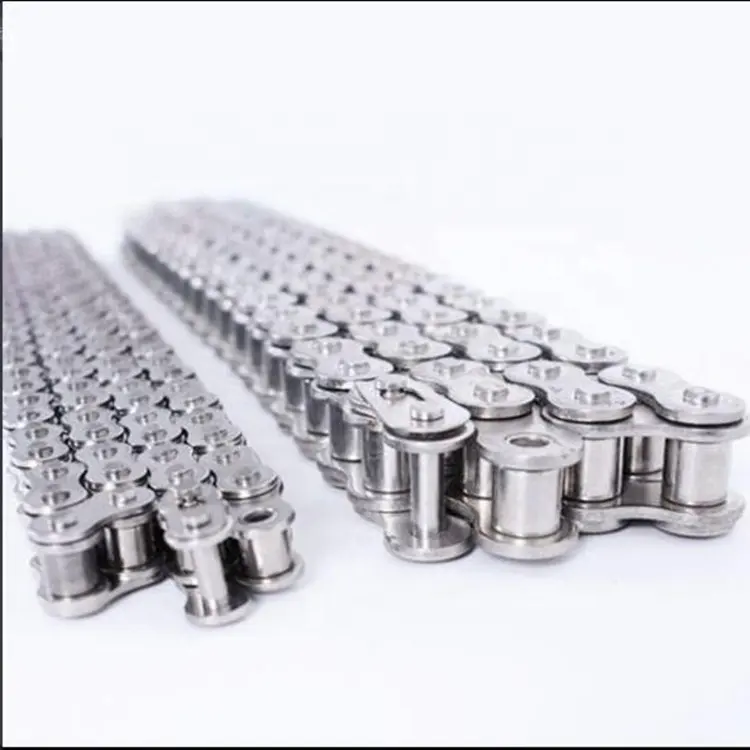
What are the benefits of using a maintenance-free transmission chain?
Using a maintenance-free transmission chain offers several advantages in terms of convenience, cost savings, and overall performance. Here’s a detailed explanation:
1. Reduced Maintenance Requirements: Maintenance-free transmission chains are designed to operate without the need for regular lubrication or additional maintenance tasks. This eliminates the time and effort typically associated with lubrication and inspection schedules, reducing overall maintenance requirements and associated costs.
2. Increased Operational Efficiency: Maintenance-free chains often incorporate specialized self-lubricating materials or coatings that provide excellent lubrication properties over an extended period. This helps to reduce friction, wear, and power losses, resulting in improved operational efficiency. The reduced friction also contributes to lower energy consumption and increased power transmission efficiency.
3. Extended Chain Life: Maintenance-free transmission chains are engineered to have a longer service life compared to traditional lubricated chains. The use of self-lubricating materials or coatings helps to minimize wear, corrosion, and elongation, ensuring the chain remains in optimal condition for an extended period. This leads to reduced downtime, fewer chain replacements, and lower replacement costs.
4. Clean and Environmentally Friendly: Maintenance-free chains do not require external lubrication, which means there is no need for oil or grease application. This results in a cleaner and more environmentally friendly working environment, as there is no risk of oil contamination or leakage. Additionally, maintenance-free chains often generate less noise due to reduced friction, contributing to a quieter working environment.
5. Application Versatility: Maintenance-free transmission chains are available in various types and sizes, making them suitable for a wide range of applications. They can be used in industries such as packaging, food processing, automotive, material handling, and many others where reliability, cleanliness, and reduced maintenance are essential.
It’s important to note that while maintenance-free transmission chains offer numerous benefits, they may not be suitable for all applications. Factors such as load capacity, operating conditions, and environmental factors should be considered when determining the appropriate chain type. Consulting with chain manufacturers or industry experts will ensure the selection of a maintenance-free transmission chain that best meets the specific application requirements.
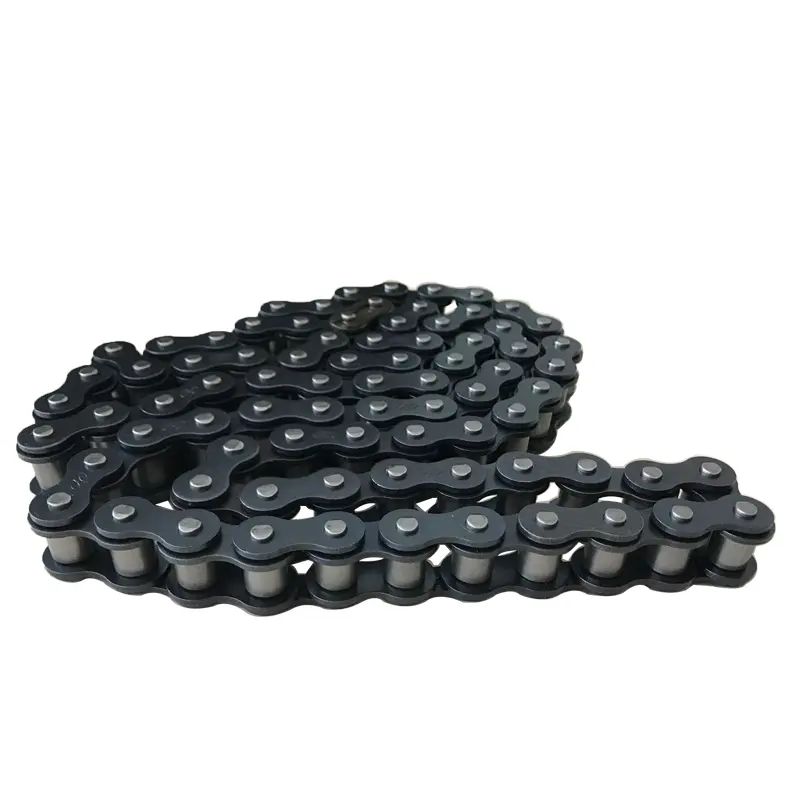
How does the speed of rotation affect the choice of transmission chain?
The speed of rotation is an important factor to consider when selecting a transmission chain for a specific application. Here’s a detailed answer to the question:
1. Fatigue and Wear: The speed of rotation directly affects the fatigue and wear characteristics of a transmission chain. Higher rotational speeds result in increased cyclic loading and wear on the chain’s components. Therefore, it is crucial to choose a chain that is designed to handle the anticipated speed and associated fatigue stresses.
2. Lubrication and Cooling: Faster rotational speeds generate more heat due to friction between the chain and the sprockets. Adequate lubrication is essential to minimize friction, reduce heat buildup, and maintain the chain’s performance and longevity. Additionally, some high-speed applications may require additional cooling mechanisms to dissipate heat effectively.
3. Centrifugal Forces: As the rotational speed increases, centrifugal forces become more significant. These forces can affect the chain’s stability, tension, and overall performance. Chains designed for high-speed applications are engineered to withstand the increased centrifugal forces and maintain proper tension during operation.
4. Dynamic Balance: High-speed rotation may introduce dynamic imbalances in the transmission system, leading to vibrations and decreased system efficiency. Special attention should be given to selecting a transmission chain with proper dynamic balance characteristics to minimize vibrations and ensure smooth operation.
5. Material and Design: Chains for high-speed applications often require specific materials and design features to accommodate the increased rotational forces and maintain reliability. High-strength alloys, precise manufacturing tolerances, and advanced surface treatments may be employed to enhance the chain’s performance and durability at high speeds.
When selecting a transmission chain, it is crucial to consider the manufacturer’s recommendations and specifications regarding maximum allowable speeds. Factors such as the application’s operational requirements, anticipated rotational speed, load, and environmental conditions should all be taken into account to ensure the chosen chain is suitable for the specific high-speed application.
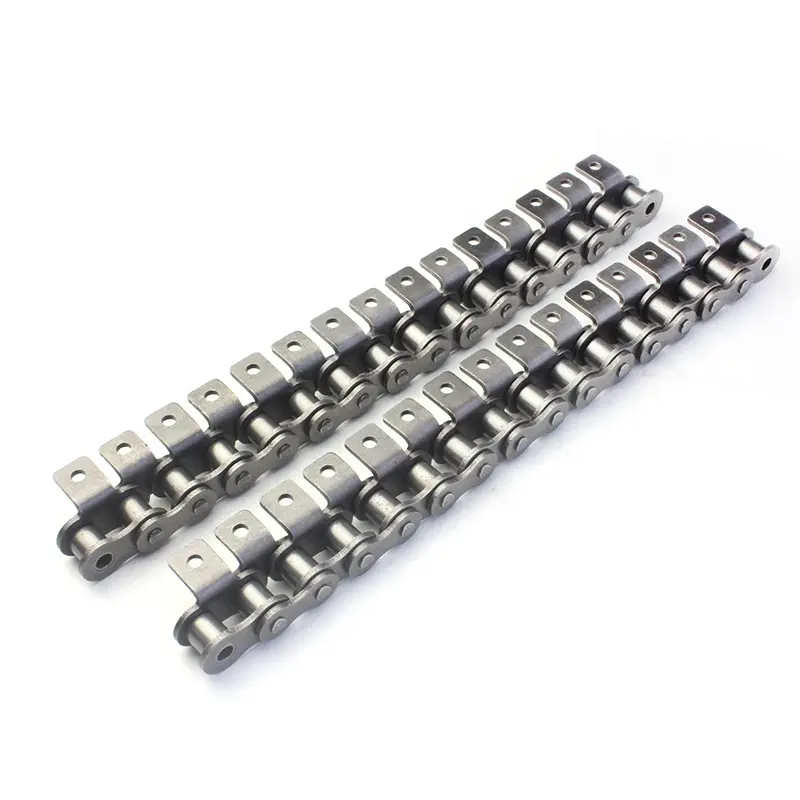
How do you choose the right transmission chain for a specific application?
Choosing the right transmission chain for a specific application is crucial to ensure optimal performance and longevity. Here are the key factors to consider when selecting a transmission chain:
- Load Capacity: Determine the maximum load that the chain will need to transmit. This includes both the static and dynamic loads. Ensure that the selected chain has a sufficient load capacity to handle the application requirements.
- Speed and RPM: Consider the operating speed and rotational speed of the chain. Higher speeds may require chains with improved fatigue resistance and lubrication capabilities.
- Environment: Evaluate the environmental conditions in which the chain will operate. Factors such as temperature, moisture, dust, chemicals, and corrosive agents can impact chain performance. Choose a chain that is resistant to the specific environmental conditions.
- Alignment and Tension: Ensure proper alignment and tensioning of the chain. Misalignment and improper tension can lead to premature wear and failure. Select a chain that allows for proper adjustment and maintains optimal tension during operation.
- Maintenance: Consider the maintenance requirements of the chain. Some chains may require regular lubrication, while others may be self-lubricating or maintenance-free. Evaluate the available resources and the desired level of maintenance for the application.
- Compatibility: Ensure compatibility between the chain and other components in the transmission system, such as sprockets or gears. The chain should match the tooth profile and pitch of the mating components.
- Manufacturer’s Recommendations: Consult the manufacturer’s guidelines and recommendations for selecting the appropriate chain for specific applications. Manufacturers often provide detailed specifications, load charts, and application guidelines for their chains.
By considering these factors and consulting with chain manufacturers or industry experts, you can choose the right transmission chain that meets the specific requirements of your application, ensuring reliable and efficient operation.


editor by CX 2024-05-09