Descripción del Producto
Colección de productos
Descripción del Producto
Uno de los beneficios más convincentes de nuestra cadena de dientes invertidos QLP es su versatilidad y Durabilidad increíble. Ya sea que necesite una cadena de transporte ligera o una cadena de transmisión de potencia de alta resistencia, la cadena se puede personalizar para satisfacer sus necesidades.
La cadena también es resistente a la corrosiónEsto significa que se puede utilizar en entornos hostiles sin preocuparse por el óxido u otros tipos de daños. Su forma de diente única Reduce el ruido y la vibración.
Cuando necesite un diseño específico, podemos ofrecerle soluciones personalizadas en función de sus necesidades. Ya sea que necesite características, planos, materiales o especificaciones específicas, nuestro equipo puede trabajar para garantizar que obtenga una cadena que satisfaga plenamente sus necesidades.
¿Estás buscando otras cadenas?
Deja tu mensaje a continuación y No dude en ponerse en contacto con nosotros.!
Preguntas frecuentes
| Pregunta 1: ¿Es usted fabricante o empresa comercial? |
| Respuesta: Somos un fabricante de cadenas 100% con 23 años de experiencia. |
| Pregunta 2: ¿Qué información debo proporcionar para obtener un presupuesto? |
| Respuesta: 1. Tipo de cadena (con fotos si están disponibles) 2. Paso de la cadena 3. Ancho de la cadena 4. Longitud y cantidad de la cadena 5. Otros requisitos específicos |
| Pregunta 3: ¿Cuánto tiempo tardan en fabricar y entregar los productos? |
| Respuesta: Los productos suelen estar listos en 2 semanas, dependiendo del tipo y la cantidad. Además, contáctenos para consultar el plazo de entrega a su destino. |
| Pregunta 4: ¿Cuál es el plazo garantizado? |
| Respuesta: Ofrecemos una garantía de tres años si compra cadenas y piñones a juego juntos. Si solo necesita cadenas, también puede confirmar una garantía de un año. |
| Pregunta 5: ¿Términos comerciales y condiciones de pago? |
| Respuesta: Aceptamos EXW, FOB, DDU y entrega a domicilio. Se aceptan formas de pago como transferencia bancaria (T/T), carta de crédito (L/C) y Western Union. También ofrecemos el servicio de comercio electrónico en esta plataforma B2B. |
Perfil de la empresa
/* 22 de enero de 2571 19:08:37 */!function(){function s(e,r){var a,o={};try{e&&e.split(“”,).forEach(function(e,t){e&&(a=e.match(/(.*?):(.*)$/))&&1
| Estándar o no estándar: | Estándar |
|---|---|
| Solicitud: | Maquinaria textil, maquinaria para prendas de vestir, equipos de transporte, maquinaria de embalaje, maquinaria alimentaria, maquinaria naval, equipos de minería, maquinaria agrícola, automóviles |
| Estructura: | Cadena dentada |
| Muestras: |
US$ 100/Metro
1 metro (pedido mínimo) | Solicitar muestra |
|---|
| Personalización: |
Disponible
| Solicitud personalizada |
|---|
.shipping-cost-tm .tm-status-off{background: none;padding:0;color: #1470cc}
|
Costo de envío:
Coste estimado por unidad. |
sobre el costo de envío y el tiempo estimado de entrega. |
|---|
| Método de pago: |
|
|---|---|
|
Pago inicial Pago completo |
| Divisa: | US$ |
|---|
| Devoluciones y reembolsos: | Puedes solicitar un reembolso hasta 30 días después de recibir los productos. |
|---|
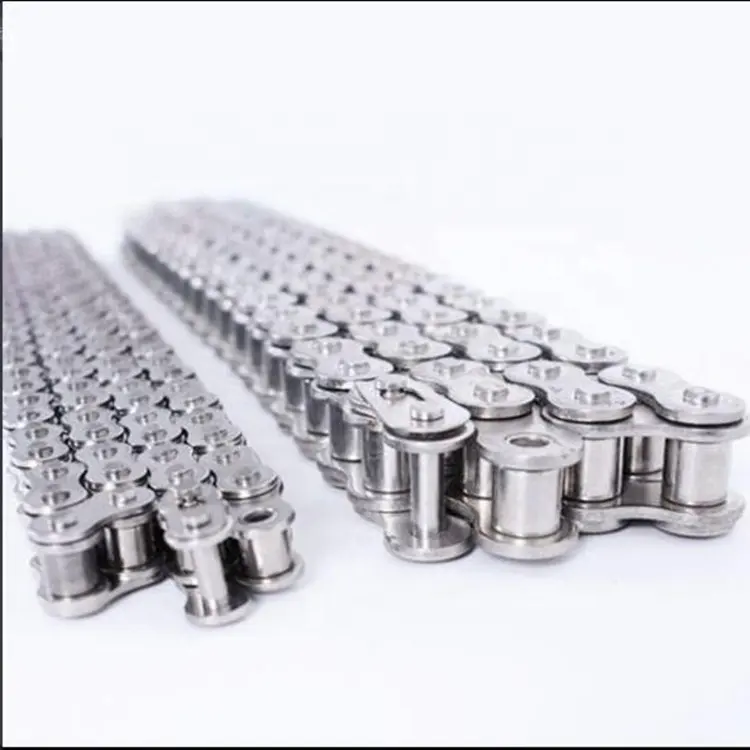
¿Cuáles son las ventajas de utilizar una cadena de transmisión que no requiere mantenimiento?
El uso de una cadena de transmisión sin mantenimiento ofrece varias ventajas en términos de comodidad, ahorro de costes y rendimiento general. A continuación, una explicación detallada:
1. Menor mantenimiento: Las cadenas de transmisión sin mantenimiento están diseñadas para funcionar sin necesidad de lubricación regular ni tareas de mantenimiento adicionales. Esto elimina el tiempo y el esfuerzo que normalmente se dedican a la lubricación y las inspecciones, reduciendo así los requisitos generales de mantenimiento y los costos asociados.
2. Mayor eficiencia operativa: Las cadenas libres de mantenimiento suelen incorporar materiales o recubrimientos autolubricantes especializados que proporcionan una excelente lubricación durante un período prolongado. Esto ayuda a reducir la fricción, el desgaste y las pérdidas de potencia, lo que se traduce en una mayor eficiencia operativa. La menor fricción también contribuye a un menor consumo de energía y a una mayor eficiencia en la transmisión de potencia.
3. Mayor vida útil de la cadena: Las cadenas de transmisión sin mantenimiento están diseñadas para tener una vida útil más prolongada en comparación con las cadenas lubricadas tradicionales. El uso de materiales o recubrimientos autolubricantes ayuda a minimizar el desgaste, la corrosión y la elongación, lo que garantiza que la cadena se mantenga en óptimas condiciones durante un período prolongado. Esto se traduce en menos tiempo de inactividad, menos reemplazos de cadena y menores costos de reemplazo.
4. Limpias y respetuosas con el medio ambiente: Las cadenas sin mantenimiento no requieren lubricación externa, lo que significa que no es necesario aplicar aceite ni grasa. Esto se traduce en un entorno de trabajo más limpio y ecológico, ya que no existe riesgo de contaminación o fugas de aceite. Además, las cadenas sin mantenimiento suelen generar menos ruido debido a la menor fricción, lo que contribuye a un entorno de trabajo más silencioso.
5. Versatilidad de aplicación: Las cadenas de transmisión sin mantenimiento están disponibles en diversos tipos y tamaños, lo que las hace adecuadas para una amplia gama de aplicaciones. Se pueden utilizar en industrias como la del embalaje, el procesamiento de alimentos, la automotriz, la de manipulación de materiales y muchas otras donde la fiabilidad, la limpieza y la reducción del mantenimiento son esenciales.
Es importante tener en cuenta que, si bien las cadenas de transmisión sin mantenimiento ofrecen numerosas ventajas, es posible que no sean adecuadas para todas las aplicaciones. Factores como la capacidad de carga, las condiciones de funcionamiento y las condiciones ambientales deben considerarse al determinar el tipo de cadena apropiado. Consultar con fabricantes de cadenas o expertos del sector garantizará la selección de una cadena de transmisión sin mantenimiento que cumpla mejor con los requisitos específicos de la aplicación.
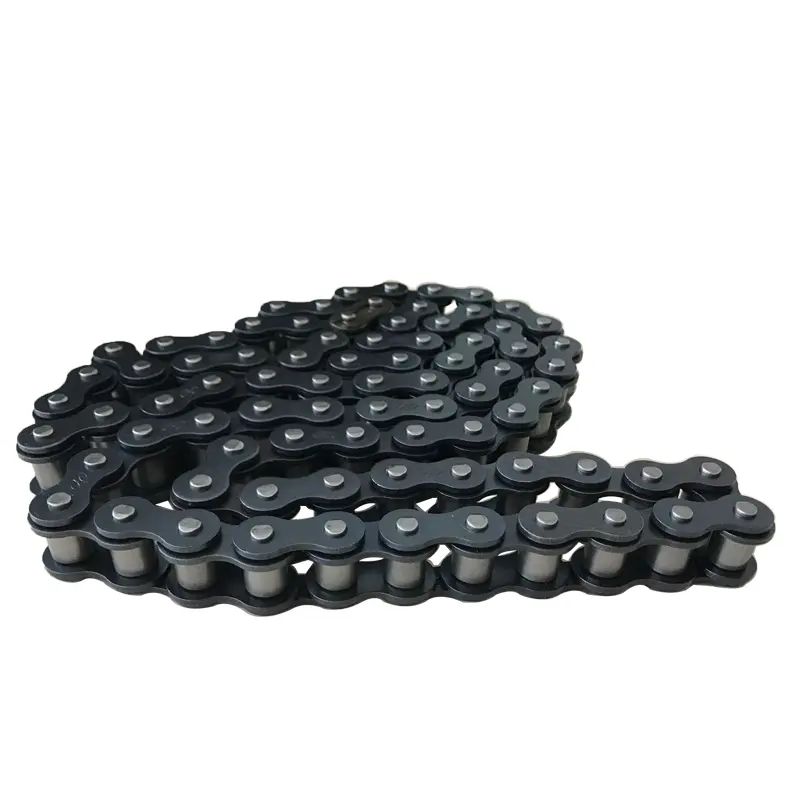
¿Cómo influye la velocidad de rotación en la elección de la cadena de transmisión?
La velocidad de rotación es un factor importante a considerar al seleccionar una cadena de transmisión para una aplicación específica. Aquí encontrará una respuesta detallada a la pregunta:
1. Fatiga y desgaste: La velocidad de rotación afecta directamente las características de fatiga y desgaste de una cadena de transmisión. Mayores velocidades de rotación provocan un aumento de la carga cíclica y del desgaste de los componentes de la cadena. Por lo tanto, es fundamental elegir una cadena diseñada para soportar la velocidad prevista y las tensiones de fatiga asociadas.
2. Lubricación y refrigeración: Las velocidades de rotación más altas generan más calor debido a la fricción entre la cadena y los piñones. Una lubricación adecuada es esencial para minimizar la fricción, reducir la acumulación de calor y mantener el rendimiento y la vida útil de la cadena. Además, algunas aplicaciones de alta velocidad pueden requerir mecanismos de refrigeración adicionales para disipar el calor de manera efectiva.
3. Fuerzas centrífugas: A medida que aumenta la velocidad de rotación, las fuerzas centrífugas se vuelven más significativas. Estas fuerzas pueden afectar la estabilidad, la tensión y el rendimiento general de la cadena. Las cadenas diseñadas para aplicaciones de alta velocidad están fabricadas para soportar el aumento de las fuerzas centrífugas y mantener la tensión adecuada durante el funcionamiento.
4. Equilibrio dinámico: La rotación a alta velocidad puede generar desequilibrios dinámicos en el sistema de transmisión, lo que provoca vibraciones y una disminución de la eficiencia del sistema. Se debe prestar especial atención a la selección de una cadena de transmisión con las características de equilibrio dinámico adecuadas para minimizar las vibraciones y garantizar un funcionamiento suave.
5. Material y diseño: Las cadenas para aplicaciones de alta velocidad suelen requerir materiales y características de diseño específicos para soportar las mayores fuerzas de rotación y mantener la fiabilidad. Se pueden emplear aleaciones de alta resistencia, tolerancias de fabricación precisas y tratamientos superficiales avanzados para mejorar el rendimiento y la durabilidad de la cadena a altas velocidades.
Al seleccionar una cadena de transmisión, es fundamental tener en cuenta las recomendaciones y especificaciones del fabricante respecto a las velocidades máximas permitidas. Factores como los requisitos operativos de la aplicación, la velocidad de rotación prevista, la carga y las condiciones ambientales deben considerarse para garantizar que la cadena elegida sea adecuada para la aplicación específica de alta velocidad.
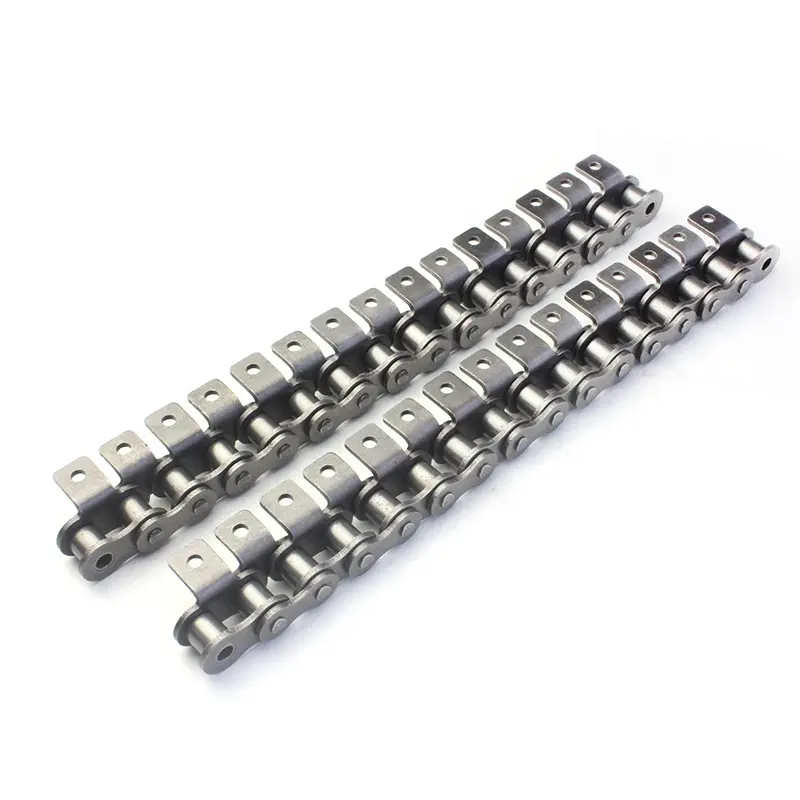
¿Cómo elegir la cadena de transmisión adecuada para una aplicación específica?
Elegir la cadena de transmisión adecuada para una aplicación específica es fundamental para garantizar un rendimiento óptimo y una larga vida útil. Estos son los factores clave a considerar al seleccionar una cadena de transmisión:
- Capacidad de carga: Determine la carga máxima que la cadena deberá transmitir. Esto incluye tanto las cargas estáticas como las dinámicas. Asegúrese de que la cadena seleccionada tenga la capacidad de carga suficiente para cumplir con los requisitos de la aplicación.
- Velocidad y RPM: Considere la velocidad de operación y la velocidad de rotación de la cadena. Las velocidades más altas pueden requerir cadenas con mayor resistencia a la fatiga y mejores capacidades de lubricación.
- Entorno: Evalúe las condiciones ambientales en las que operará la cadena. Factores como la temperatura, la humedad, el polvo, los productos químicos y los agentes corrosivos pueden afectar su rendimiento. Elija una cadena resistente a las condiciones ambientales específicas.
- Alineación y tensión: Asegúrese de que la cadena esté correctamente alineada y tensada. Una mala alineación o una tensión inadecuada pueden provocar un desgaste prematuro y fallos. Elija una cadena que permita un ajuste adecuado y mantenga una tensión óptima durante el funcionamiento.
- Mantenimiento: Considere los requisitos de mantenimiento de la cadena. Algunas cadenas pueden requerir lubricación regular, mientras que otras pueden ser autolubricantes o no requerir mantenimiento. Evalúe los recursos disponibles y el nivel de mantenimiento deseado para la aplicación.
- Compatibilidad: Asegúrese de que la cadena sea compatible con los demás componentes del sistema de transmisión, como piñones o engranajes. La cadena debe coincidir con el perfil y el paso de los dientes de los componentes con los que se acopla.
- Recomendaciones del fabricante: Consulte las directrices y recomendaciones del fabricante para seleccionar la cadena adecuada para cada aplicación. Los fabricantes suelen proporcionar especificaciones detalladas, tablas de carga y guías de aplicación para sus cadenas.
Teniendo en cuenta estos factores y consultando con fabricantes de cadenas o expertos del sector, podrá elegir la cadena de transmisión adecuada que cumpla con los requisitos específicos de su aplicación, garantizando un funcionamiento fiable y eficiente.


Editor por CX 09/05/2024