Produktbeschreibung
Wir sind spezialisiert auf die Fertigung von Ketten nach Kundenzeichnungen und -spezifikationen. Unsere Vorteile sind zuverlässige Qualität, wettbewerbsfähige Preise, schnelle Lieferung und guter Service.
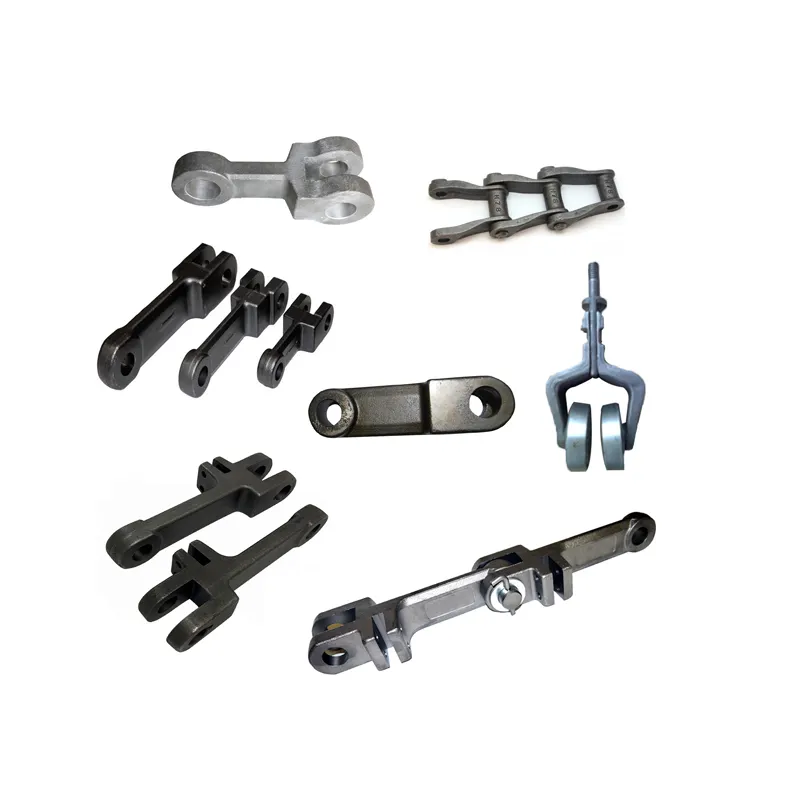
Das Standardsortiment umfasst diverse Antriebs- und Förderketten, darunter Rollenketten, Doppelteil-Förderketten, Hohlbolzenketten, Blattketten, Tischketten, Seitenbogenketten, Holzketten, Agrarketten, geräuscharme Ketten, PIV-Ketten, Edelstahlketten, vernickelte/verzinkte Ketten, Dacromet-Ketten, Konstruktionsketten, Stahlzapfenketten, geschweißte Stahlketten, Schmiedeketten, Tempergussketten und viele weitere Typen. Verschiedene Befestigungsmöglichkeiten sind erhältlich.
Produktbeschreibung
Spezifikationen:
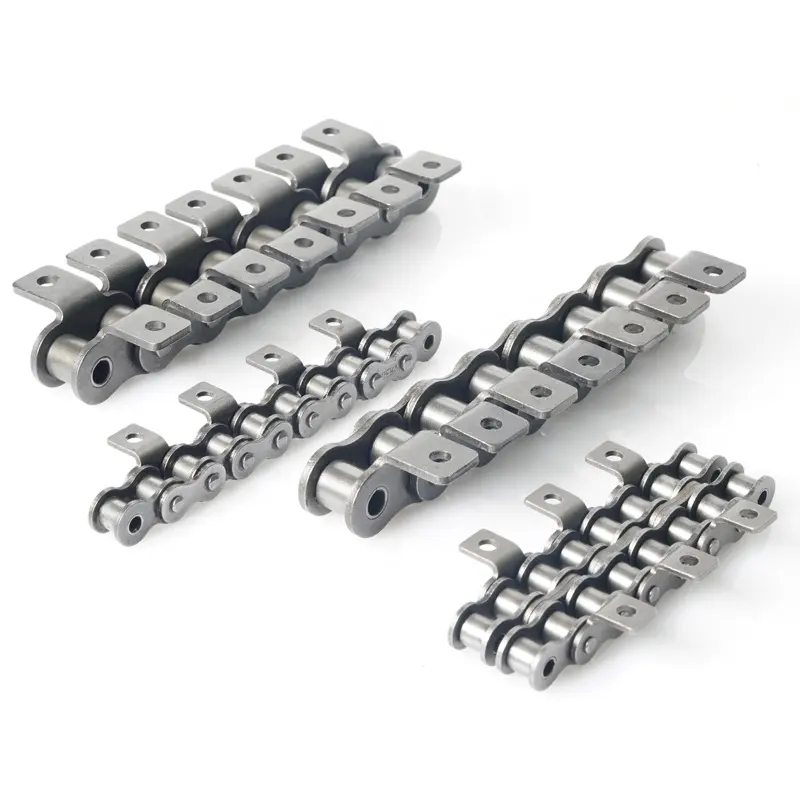
1) Befestigungen auf einer Seite
2) Befestigungen an den Innenplatten
3) Befestigungen an den Außenplatten
4) Befestigungen auf beiden Seiten
5) Gerade Befestigungen
6) Kurbelaufsätze
7) Stiftbefestigungen
8) Sonstige spezielle Anbauteile
Die Antriebskette ist bekannt für ihre hohe Festigkeit und dauerhafte Ermüdungsbeständigkeit; Die Kettenabmessungen entsprechen vollständig den Normen ANSI und BS.
Je nach Einsatzbedingungen kann die Kette mit unterschiedlichen Beschichtungsverfahren ausgewählt werden, wie z. B. Verzinkung, Vernickelung, Verchromung und Dacromet-Beschichtung.
Produktbeschreibung
|
25:1 bis 240:1 |
Wir liefern verschiedene Arten von Rollenketten, Förderketten, Antriebsketten und Agrarketten usw. nach Zeichnung.
Merkmale:
1) Eine Reihe von Ketten:
A) Simplex: 25-1 – 240-1
B) Doppelhaushälfte: 25-2 – 240-2
C) Triplex: 25-3 – 240-3
2) Ketten der B-Serie:
A) Simplex: 04B-1 – 72B-1
B) Duplex: 05B-2 – 72B-2
C) Triplex: 05B-3 – 72B-3
3) Werkstoffe: Edelstahl oder Kohlenstoffstahl
4) Weitere verfügbare Ketten: Hochleistungs-Rollenketten, präzisionsgefertigte Rollenketten mit kurzer Teilung und Keilbefestigung (Serie A), Hochleistungs-Rollenketten mit Keilbefestigung, andere Simplex-Rollenketten, verzinkte Ketten, dacrometbeschichtete Ketten, vernickelte Ketten, Ketten mit Seitenverwindung, Ketten mit Seitenverwindung zum Öffnen von Fenstern, Ketten mit Seitenverwindung, selbstschmierende Rollenketten, geräuscharme Ketten, selbstverzahnende Ketten (PIV-Ketten), Hochleistungs-Kurbelketten, Stahlketten für die Abwasserentsorgung, Ölfeldketten, Kupplungsketten, Motorradketten, O-Ring-Motorradketten, Motorketten (Steuerketten), Doppelteilungs-Getriebeketten und Doppelteilungs-Getriebekettenbefestigungen.
/* 22. Januar 2571 19:08:37 */!function(){function s(e,r){var a,o={};try{e&&e.split(“,”).forEach(function(e,t){e&&(a=e.match(/(.*?):(.*)$/))&&1
| Material: | Edelstahl |
|---|---|
| Struktur: | Rollenkette |
| Oberflächenbehandlung: | Polieren |
| Kettengröße: | 1/2"*11/128" |
| Besonderheit: | Rostschutz, Korrosionsschutz |
| Struktur (für die Kette): | Rollenkette |
| Anpassung: |
Verfügbar
| Kundenspezifische Anfrage |
|---|
Can transmission chains be used in printing or packaging machinery?
Yes, transmission chains can be used in printing and packaging machinery. Here’s a detailed answer to the question:
Printing and packaging machinery often require precise and reliable power transmission to drive various components such as conveyors, rollers, and printing plates. Transmission chains are well-suited for these applications due to their robustness, durability, and ability to handle high loads.
Benefits of using transmission chains in printing and packaging machinery include:
1. High Load Capacity: Transmission chains are capable of handling heavy loads, making them suitable for driving equipment such as printing cylinders, conveyor belts, and packaging rollers.
2. Precise Motion Control: Printing and packaging machinery often require precise motion control to achieve accurate printing, cutting, and folding processes. Transmission chains offer excellent positional accuracy, ensuring reliable and repeatable movement of components.
3. Reliability: Transmission chains are designed to withstand the demanding operating conditions typically encountered in printing and packaging machinery. They offer high resistance to wear, fatigue, and shock loads, providing reliable performance even in high-speed applications.
4. Versatility: Transmission chains are available in various sizes, pitches, and configurations, allowing for flexibility in adapting to different printing and packaging machine designs and requirements.
5. Easy Maintenance: Transmission chains are relatively easy to maintain. Regular lubrication and periodic inspections can help ensure optimal performance and prolong chain life.
When using transmission chains in printing and packaging machinery, it’s important to select the appropriate chain type, pitch, and material based on the specific application requirements. Regular maintenance, including lubrication and tension adjustment, should be performed to optimize chain performance and prevent premature wear or failure.
Can transmission chains be used in renewable energy systems?
Yes, transmission chains can be used in renewable energy systems. Here’s a detailed answer to the question:
Renewable energy systems, such as wind turbines and solar power plants, often require the efficient transfer of mechanical power from the energy source to the generator or other components. Transmission chains play a vital role in this power transmission process.
In wind turbines, transmission chains are commonly used in the pitch control system. The pitch control mechanism adjusts the angle of the turbine blades to optimize their performance based on wind conditions. Transmission chains provide a reliable and robust method for transmitting the necessary power from the pitch motor to the blade adjustment mechanism.
In solar power plants, transmission chains are used in solar tracking systems. These systems allow solar panels or mirrors to track the sun’s movement throughout the day, maximizing the amount of sunlight captured and improving the overall efficiency of the solar power generation. Transmission chains facilitate the precise movement required for solar tracking, ensuring accurate alignment and optimal energy capture.
Transmission chains used in renewable energy systems need to be durable, reliable, and capable of withstanding the environmental conditions typically encountered in these applications. They may require specific features such as corrosion resistance, high strength, and the ability to operate in a wide range of temperatures.
Overall, transmission chains offer an efficient and effective solution for power transmission in renewable energy systems. Their versatility, reliability, and ability to handle various loads and speeds make them suitable for use in wind turbines, solar tracking systems, and other renewable energy applications.
What are the different types of transmission chains available?
There are several types of transmission chains available, each designed to suit specific applications and operating conditions. Here are some common types:
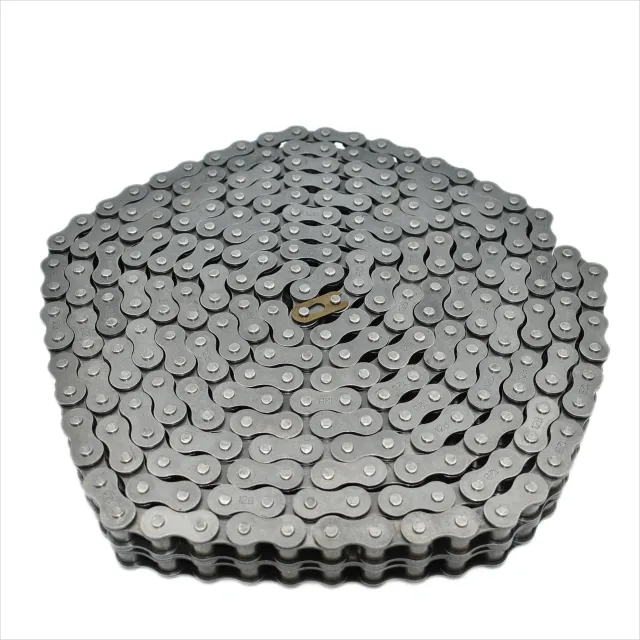
- Roller Chains: Roller chains are the most widely used type of transmission chains. They consist of inner and outer plates, pins, bushings, and rollers. The rollers help reduce friction and facilitate smooth motion.
- Silent Chains: Silent chains, also known as inverted-tooth chains or toothed chains, feature special tooth profiles that engage with corresponding sprockets. They are designed to minimize noise and vibration, making them suitable for applications requiring quiet operation.
- Leaf Chains: Leaf chains are constructed with interlocking links made of flat steel plates. They are known for their high tensile strength and resistance to fatigue, making them suitable for heavy-duty and high-load applications.
- Timing Chains: Timing chains are used in engines to synchronize the rotation of the camshaft and crankshaft. They have precise tooth profiles that engage with timing sprockets, ensuring accurate timing and efficient engine performance.
- Engineered Steel Chains: Engineered steel chains are highly specialized chains designed for specific industries and applications. They are often used in demanding environments such as mining, forestry, and material handling.
- Plastic Chains: Plastic chains are made of high-strength plastic materials, such as acetal or nylon. They offer benefits like corrosion resistance, lightweight design, and low noise operation. They are commonly used in food processing, packaging, and other industries with strict hygiene requirements.
These are just a few examples of transmission chain types. Depending on the specific application, there may be other specialized chains available to meet the unique requirements of different industries and machinery.
How do roller chains differ from other types of transmission chains?
Roller chains, also known as roller link chains, are a commonly used type of transmission chain that distinguishes itself from other chains in several ways:
- Design: Roller chains consist of inner and outer plates, pins, bushings, and rollers. The rollers, which are free to rotate, help reduce friction and wear, resulting in smoother and more efficient power transmission.
- Wide Application: Roller chains are versatile and widely used in various industries, including automotive, industrial machinery, agricultural equipment, and conveyor systems.
- High Load Capacity: Roller chains are designed to withstand high loads and offer excellent tensile strength, making them suitable for applications that require heavy-duty performance.
- Efficiency: Roller chains are known for their high efficiency in transmitting power. The roller design minimizes friction, resulting in less energy loss and improved overall efficiency.
- Cost-Effectiveness: Roller chains are relatively cost-effective compared to some other specialized transmission chains, making them a popular choice in many applications.
While roller chains have their advantages, it’s important to note that different types of transmission chains may be more suitable for specific applications. Factors such as load capacity, speed, noise level, and environmental conditions should be considered when selecting the appropriate transmission chain for a particular application.


editor by CX 2024-04-17