Produktbeschreibung
Short Pitch Precision Roller Chains
A. Our Services:
1. Any of your kind inquiry about chain would be replied within 24 hours.
2. Unsere gut ausgebildeten und erfahrenen Vertriebsmitarbeiter beantworten alle Ihre Fragen in fließendem Englisch.
3. Wir bieten OEM-Services an. Unser professioneller Designer setzt Ihre individuellen Ideen in die Realität um.
4. Schutz Ihres Verkaufsgebiets, Ihrer Designideen und all Ihrer vertraulichen Informationen.
5. Lieferung Ihrer Bestellungen per Luftpost oder Versand.
6. With years of manufacture and promotion experience in global market, brings you profit and great success!
B.Product Description:
| Style: | Simplex Roller Chains, Duplex Roller Chains, Triplex Roller Chains, Multiple Roller Chains |
| Chain No.: (ANSI/ISO) | 03C, 04C, 06C, 08A, 10A, 12A-~ 48A |
| Chain No.: ( ANSI ) | 15, 25,35,41,40,50 ~ 240 |
| Pitch: | 4.7625 mm ~ 76.200 mm |
C.Company show & Product Process
D. Packaging & Certificate
| Verpackungsdetails: | Chain+Plastic Bag+Neutral Box+Wooden case+Big Carton+Steel Pallets |
| Delivery Detail: | five weeks |
E. FAQ:
1. Sind Sie ein Hersteller oder ein Handelsunternehmen?
We are a factory founded in 1991 with trade team for international service.
2. Welche Zahlungsbedingungen verwenden Sie üblicherweise?
T/T 30% Anzahlung und 70% gegen Vorlage von Dokumenten, Western Union, L/C bei Sicht
3. what is your lead time for your goods?
Normally 45 days after confirmed order. 30 days could be available in low season for some items (during May to July), and 65 days during new year and hot season ( Jan to March).
4. Besuchen Sie irgendwelche Veranstaltungen?
We attend Hannover show in Germany, NMW in Austrilia, Canton fair, PTC, in China and many other special furniture shows.
5. Do you have any instant chat ?
/* 22. Januar 2571 19:08:37 */!function(){function s(e,r){var a,o={};try{e&&e.split(“,”).forEach(function(e,t){e&&(a=e.match(/(.*?):(.*)$/))&&1
| Verwendung: | Förderkette |
|---|---|
| Material: | Legierter/Kohlenstoffstahl |
| Oberflächenbehandlung: | Galvanisierung |
| Besonderheit: | Hitzebeständig |
| Kettengröße: | 1/2"*11/128" |
| Struktur: | Rollenkette |
| Anpassung: |
Verfügbar
| Kundenspezifische Anfrage |
|---|
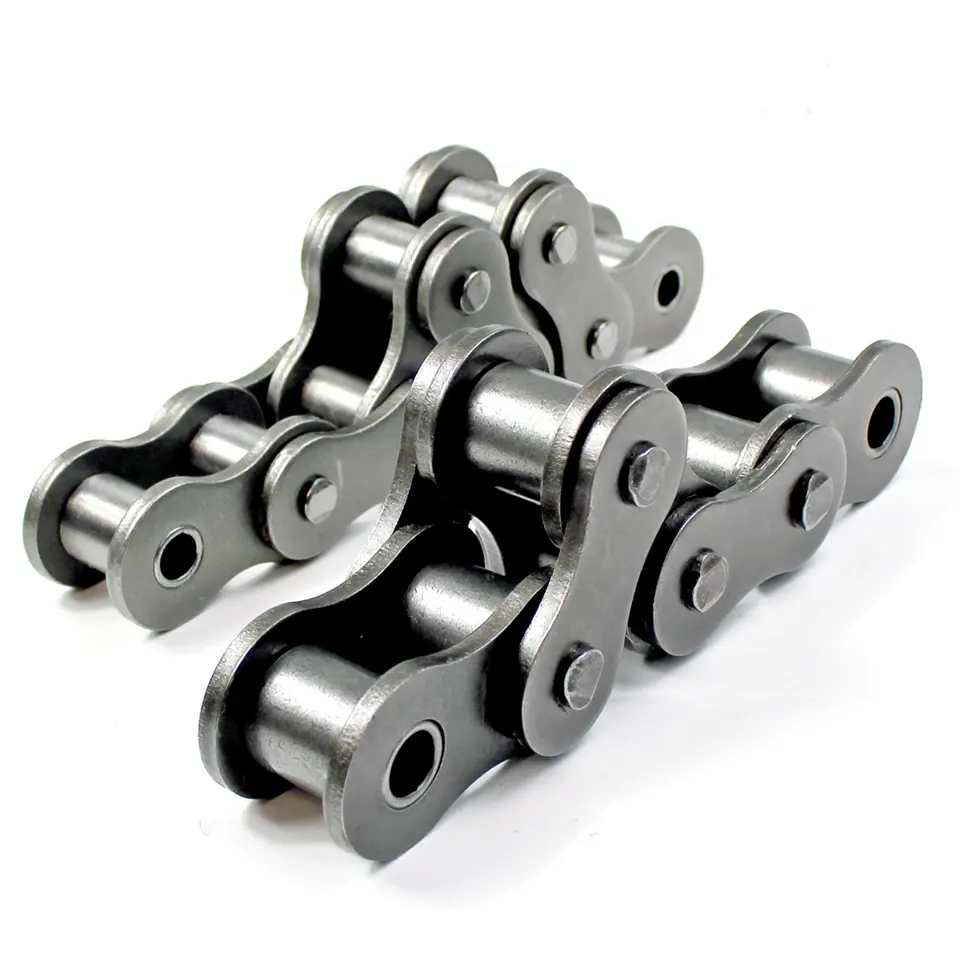
Wie wirkt sich das Gewicht einer Antriebskette auf deren Einbau und Betrieb aus?
Das Gewicht einer Antriebskette spielt eine wichtige Rolle bei ihrer Montage und ihrem Betrieb. Hier ist eine detaillierte Antwort auf die Frage:
1. Montagevorgang: Das Gewicht einer Antriebskette kann den Montagevorgang erleichtern oder erschweren. Schwerere Ketten erfordern unter Umständen zusätzliches Personal oder Equipment zum Anheben und präzisen Positionieren. Monteure müssen das Gewicht der Kette beim Umgang berücksichtigen und geeignete Sicherheitsvorkehrungen treffen, um Verletzungen oder Unfälle zu vermeiden.
2. Systemauslegung: Das Gewicht der Kette ist ein entscheidender Faktor für die Gesamtauslegung des Antriebssystems. Es beeinflusst die Auswahl anderer Komponenten wie Kettenräder, Lager und Wellen. Das System muss so ausgelegt sein, dass es das Gewicht der Kette tragen und die Kraft effektiv und ohne übermäßige Belastung oder Verschleiß übertragen kann.
3. Kraftübertragungseffizienz: Das Gewicht der Kette beeinflusst die Gesamtmasse des Systems. Ein zu hohes Gewicht kann die Trägheit erhöhen und einen höheren Energiebedarf für Beschleunigung und Verzögerung zur Folge haben. Dies kann die Effizienz der Kraftübertragung beeinträchtigen und zu einem erhöhten Energieverbrauch führen. Um die Energieeffizienz zu optimieren, ist es wichtig, ein ausgewogenes Verhältnis zwischen Kettengewicht und Systemleistung zu finden.
4. Tragfähigkeit: Das Gewicht der Kette steht in direktem Zusammenhang mit ihrer Tragfähigkeit. Schwerere Ketten sind in der Regel für höhere Lasten und die Übertragung größerer Kraft ausgelegt. Für einen sicheren und zuverlässigen Betrieb ist es unerlässlich, eine Kette mit dem passenden Gewicht und der entsprechenden Tragfähigkeit zu wählen, die den Anforderungen der jeweiligen Anwendung entspricht.
5. Verschleiß und Materialermüdung: Das Gewicht der Kette trägt mit der Zeit zu Verschleiß und Materialermüdung bei. Übergewicht oder Überlastung beschleunigen den Verschleißprozess und führen zu vorzeitigem Kettenversagen. Regelmäßige Wartung, Schmierung und Inspektion sind notwendig, um den Verschleiß zu minimieren und die Lebensdauer der Kette zu verlängern.
6. Geräusche und Vibrationen: Das Gewicht der Kette kann die Geräusch- und Vibrationsbelastung im Betrieb beeinflussen. Schwerere Ketten können insbesondere bei höheren Geschwindigkeiten mehr Geräusche und Vibrationen erzeugen. Die richtige Kettenspannung, Ausrichtung und Schmierung tragen dazu bei, diese Auswirkungen zu minimieren und einen ruhigen und leisen Betrieb zu gewährleisten.
Bei der Gewichtung einer Antriebskette müssen Faktoren wie Montageanforderungen, Systemdesign, Kraftübertragungseffizienz, Belastbarkeit, Verschleiß und Materialermüdung sowie Geräusch- und Vibrationspegel berücksichtigt werden. Die Wahl des richtigen Kettengewichts für die jeweilige Anwendung gewährleistet optimale Leistung, Langlebigkeit und die allgemeine Systemzuverlässigkeit.
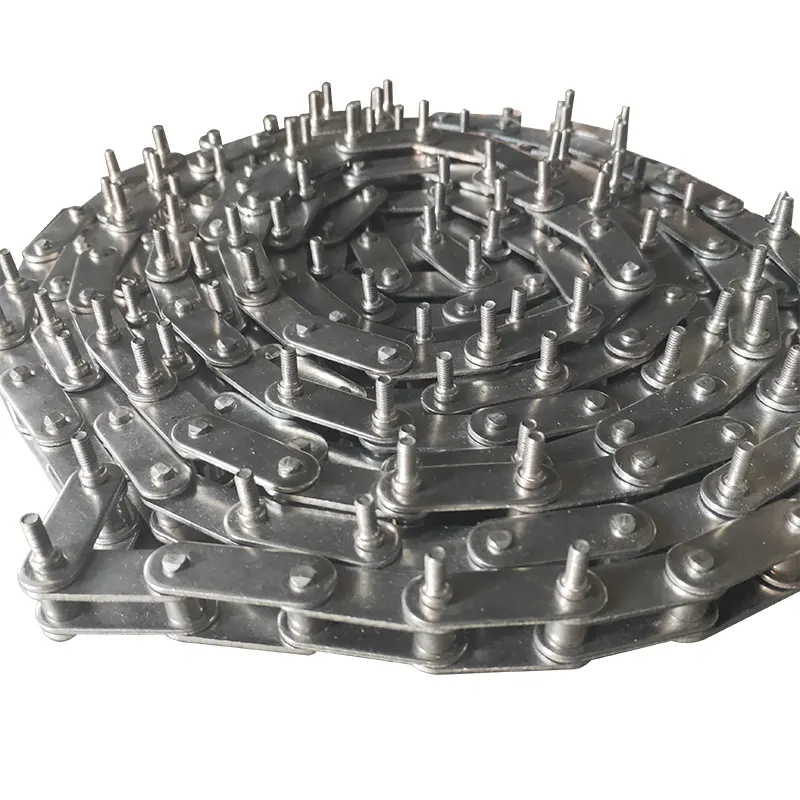
How does the choice of material impact the performance of a transmission chain?
The choice of material for a transmission chain plays a crucial role in its overall performance and durability. Here’s a detailed answer to the question:
1. Strength and Load Capacity: Different materials have varying levels of strength and load-carrying capacities. High-strength materials like alloy steel or stainless steel offer superior strength and can withstand heavy loads. The choice of a material with adequate strength ensures that the transmission chain can handle the required load without premature wear or failure.
2. Wear Resistance: The material used in the construction of a transmission chain affects its wear resistance. Some materials, such as hardened steel or certain alloys, have excellent wear resistance properties, allowing the chain to withstand abrasive conditions and prolong its lifespan. Choosing a material with good wear resistance reduces the need for frequent chain replacements and maintenance.
3. Corrosion Resistance: In environments where corrosion is a concern, such as outdoor or corrosive industrial settings, selecting a material with high corrosion resistance is essential. Stainless steel or specially coated chains offer excellent resistance to rust and corrosion, ensuring reliable performance and longevity even in harsh conditions.
4. Fatigue Strength: The material’s fatigue strength is crucial in applications where the transmission chain undergoes repeated cyclic loading. Fatigue failure can occur when a chain is subjected to continuous stress cycles, leading to cracks and eventual failure. Materials with high fatigue strength, such as specific alloys or heat-treated steels, are ideal for applications that require excellent fatigue resistance.
5. Temperature Resistance: The operating temperature of an application can impact the choice of material for a transmission chain. Some materials, such as heat-treated steels or specialized alloys, can withstand high-temperature environments without losing their mechanical properties. In contrast, certain plastics or polymers may be suitable for low-temperature applications. Choosing a material that can withstand the expected temperature range ensures optimal performance and prevents premature chain failure.
6. Cost Considerations: The choice of material also involves cost considerations. Some high-performance materials, such as stainless steel or specialized alloys, may have a higher initial cost compared to standard carbon steel chains. However, the increased performance, longevity, and reduced maintenance requirements provided by these materials may result in long-term cost savings.
It’s important to carefully assess the specific requirements of the application, including load capacity, environmental conditions, and operating parameters, when choosing the material for a transmission chain. Consulting with industry experts or manufacturers can help determine the most suitable material for optimal chain performance and longevity.
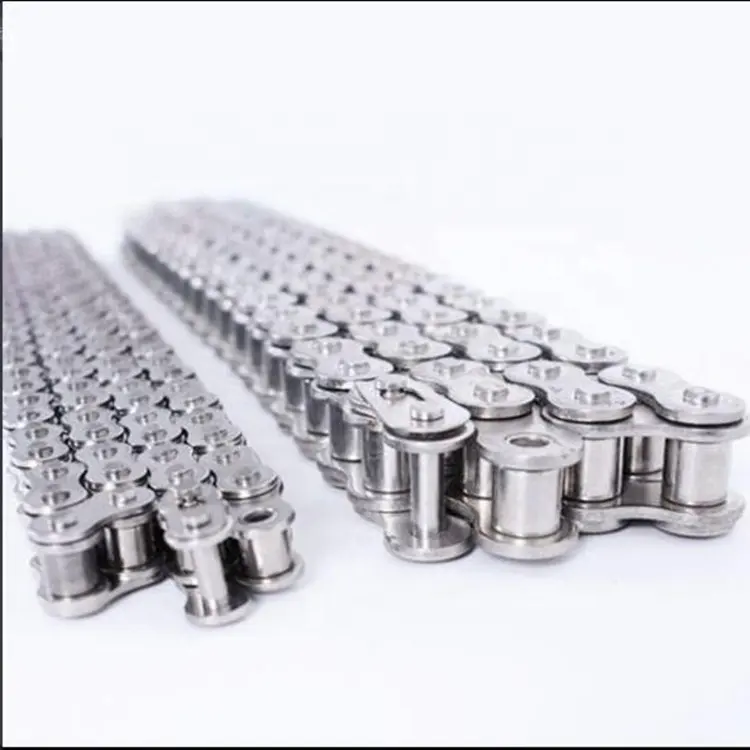
How does the pitch size of a transmission chain affect its performance?
The pitch size of a transmission chain plays a crucial role in determining its performance and suitability for specific applications. The pitch size refers to the distance between adjacent chain links, typically measured from the center of one pin to the center of the next pin.
The pitch size of a transmission chain affects its performance in the following ways:
- Load Capacity: Chains with larger pitch sizes generally have higher load capacities. A larger pitch size allows for larger components, such as pins and rollers, which can withstand higher forces and transmit more power.
- Speed Capability: The pitch size also affects the chain’s speed capability. Chains with smaller pitch sizes are typically designed for higher speeds, as they offer smoother engagement with the sprockets and reduced inertia.
- Wear and Fatigue Resistance: Smaller pitch sizes distribute the load over more contact points, reducing the stress on individual components. This can improve wear resistance and increase the chain’s fatigue life.
- Compactness and Space Limitations: In applications where space is limited, smaller pitch chains are preferred as they allow for a more compact design.
It’s important to note that the selection of the appropriate pitch size depends on the specific application requirements, including the expected load, speed, and available space. Different pitch sizes are available to accommodate a wide range of applications, from light-duty to heavy-duty machinery.


editor by CX 2024-04-12