Produktbeschreibung
|
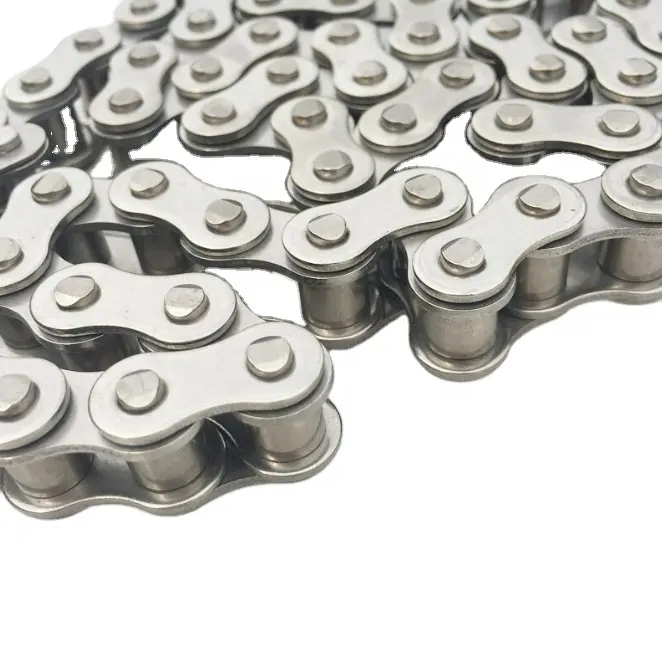
Produkt |
Standard Doppelteilungs-Rollenkette |
||
|
Material |
40Mn steel,304 stainless steel, 316 stainless steel and 201 stainless steel. |
||
|
Typen |
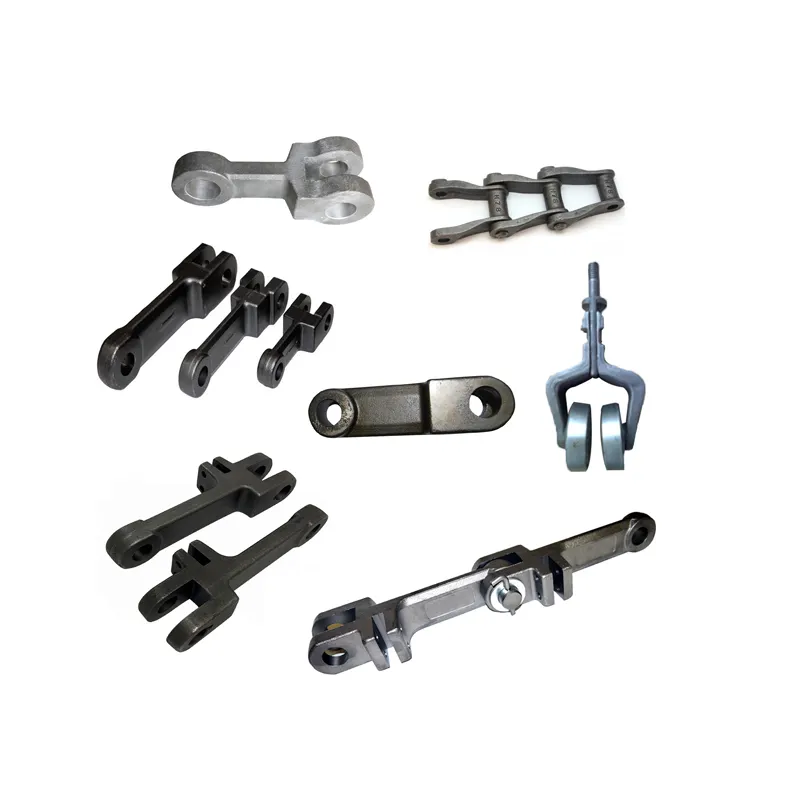
Standard chains and special chains, such as A or B series chains, roller chains, driving chains, conveyor chains, hoisting chains, agricultural chains, sprockets, gears, wheels and so on. |
||
|
Serie |
A series(12.7-50.8mm pitches),B series (9.525-50.8mm pitches)and the heavy series. |
||
|
Präzisionsrollenkette mit kurzer Teilung |
Simplex Roller Chains&Bushing Chains: 04C-1,06C-1,085-1,08A-1,10A-1,12A-1,16A-1,20A-1,24A-1,28A-1,32A-1,36A-1,40A-1,48A-1 04C-2,06C-2,085-2,08A-2,10A-2,12A-2,16A-2,20A-2,24A-2,28A-2,32A-2,36A-2,40A-2,48A-2 04C-3,06C-2,085-3,08A-3,10A-3,12A-3,16A-3,20A-3,24A-3,28A-3,32A-3,36A-3,40A-3,48A-3 |
||
|
Kettengliedtyp |
Standardlinks (ohne Anhang) und nicht standardmäßige Links (mit Anhang).
A1: One-side,one hole cranked attachments. |
||
|
Our Products Advantage |
1. Every step from production order to the packing process has a strict quality inspection. |
||
1.Fast delivery: Standard products can be delivered in as fast as 20 days
2.Good service: timely reply, prompt quotation, responsible for the product
3.High cost performance: can maintain price stability for a certain period of time, bringing greater profits to customers
4.Good quality: production and testing have corresponding supervision to ensure product quality and get high praise from customers
5.OEM service: products can be customized according to drawings and requirements
Wir übernehmen die Verantwortung für die bestellten Produkte. Wir sind von der Qualität unserer Produkte absolut überzeugt. Sollten Sie nach Erhalt der Ware dennoch Probleme feststellen, kontaktieren Sie uns bitte umgehend. Wir werden uns umgehend mit Ihnen in Verbindung setzen und gemeinsam eine Lösung finden.
/* 22. Januar 2571 19:08:37 */!function(){function s(e,r){var a,o={};try{e&&e.split(“,”).forEach(function(e,t){e&&(a=e.match(/(.*?):(.*)$/))&&1
| Standard oder Nichtstandard: | Standard |
|---|---|
| Anwendung: | Textile Machinery, Garment Machinery, Conveyer Equipment, Packaging Machinery, Food Machinery, Mining Equipment, Agricultural Machinery |
| Oberflächenbehandlung: | Ölblüte |
| Struktur: | Rollenkette |
| Material: | Legierung |
| Typ: | Double Pitch Chain |
| Proben: |
US$ 35/kg
1 kg (Mindestbestellmenge) | |
|---|
| Anpassung: |
Verfügbar
| Kundenspezifische Anfrage |
|---|
How does the choice of chain tensioner affect the performance of a transmission chain?
The choice of chain tensioner plays a critical role in ensuring the optimal performance of a transmission chain. Here’s a detailed answer to the question:
1. Proper Chain Engagement: The chain tensioner helps maintain the correct tension in the transmission chain, ensuring proper engagement between the chain and the sprockets. This is essential for effective power transmission and smooth operation.
2. Chain Slack Control: A properly selected chain tensioner helps control chain slack, which is the amount of looseness in the chain. Excessive chain slack can lead to chain jumping, misalignment, and increased wear, while insufficient slack can cause excessive tension, leading to accelerated chain and sprocket wear.
3. Noise and Vibration Reduction: The use of an appropriate chain tensioner helps minimize noise and vibration in the transmission system. It helps dampen the impact forces and vibrations caused by the chain’s motion, resulting in quieter operation and improved overall system performance.
4. Extended Chain Life: By maintaining the proper tension, the chain tensioner helps prevent premature wear and elongation of the transmission chain. This contributes to the chain’s longevity, reducing the frequency of chain replacements and lowering maintenance costs.
5. Compensation for Wear and Stretch: As a transmission chain wears over time, it may experience elongation or stretch. The chain tensioner compensates for this elongation by adjusting the tension, ensuring the chain remains properly tensioned and engaged with the sprockets. This helps maintain consistent performance and prevents skipping or disengagement.
6. Adaptability to Variable Conditions: Some chain tensioners offer the ability to adjust the tension dynamically, accommodating variations in operating conditions such as temperature fluctuations or load changes. This flexibility ensures optimal chain performance and compensates for the effects of thermal expansion or contraction.
It’s crucial to select a chain tensioner that is compatible with the specific transmission chain and application requirements. Consider factors such as chain size, tension adjustment range, environmental conditions, and load variations when choosing a chain tensioner. Regular inspection and maintenance of the tensioner are also essential to ensure its proper functioning and prolong the life of the transmission chain.

Wie wirkt sich die Wahl der Schmiermethode auf die Leistung einer Antriebskette aus?
Die Wahl des Schmierverfahrens spielt eine entscheidende Rolle für die Leistungsfähigkeit und Lebensdauer einer Antriebskette. Hier finden Sie eine detaillierte Antwort auf die Frage:
1. Reduzierte Reibung und geringerer Verschleiß: Durch die richtige Schmierung wird ein dünner Schmierfilm zwischen den beweglichen Teilen der Antriebskette gewährleistet. Dies reduziert Reibung und Verschleiß. Dadurch bleiben die Kettenkomponenten wie Bolzen, Rollen und Buchsen unbeschädigt, da Metall-auf-Metall-Kontakt verhindert und Oberflächenbeschädigungen minimiert werden.
2. Wärmeableitung: Schmierstoffe tragen zur Ableitung der beim Betrieb der Antriebskette entstehenden Wärme bei. Durch die Verringerung der Reibung und die Kühlung verhindert der Schmierstoff eine Überhitzung, die zu vorzeitigem Verschleiß, Verformung oder Ausfall der Kette führen kann.
3. Korrosionsschutz: Schmierstoffe enthalten häufig Additive, die die Antriebskette vor Korrosion schützen. Diese Additive bilden eine Schutzbarriere gegen Feuchtigkeit, Chemikalien und andere korrosive Elemente, verhindern Rostbildung und erhalten die Leistungsfähigkeit der Kette in korrosiven Umgebungen aufrecht.
4. Geräuschreduzierung: Ausreichende Schmierung verringert die Geräusche, die durch die Bewegung der Antriebskette entstehen. Das Schmiermittel wirkt als Puffer zwischen den Kontaktflächen, dämpft Vibrationen und minimiert so den Geräuschpegel im Betrieb. Dies trägt zu einem leiseren und ruhigeren Kettenlauf bei.
5. Längere Lebensdauer: Durch die richtige Schmierung wird die Lebensdauer der Antriebskette verlängert. Die Schmierung reduziert Reibung, Verschleiß und Ablagerungen und minimiert so die Belastung der Kettenkomponenten. Dies führt zu einer höheren Haltbarkeit und einem geringeren Risiko vorzeitigen Ausfalls.
6. Betriebseffizienz: Eine gut geschmierte Antriebskette arbeitet effizienter. Durch die geringere Reibung entstehen weniger Leistungsverluste, was eine effektivere Kraftübertragung ermöglicht. Dies führt zu einer verbesserten Gesamtsystemeffizienz, einem reduzierten Energieverbrauch und niedrigeren Betriebskosten.
7. Schutz vor Verunreinigungen: Schmierstoffe bilden eine Barriere und verhindern, dass Verunreinigungen wie Staub, Schmutz und Ablagerungen in die Kettenkomponenten gelangen. Dies trägt zur Sauberkeit der Kette bei, reduziert das Risiko von abrasivem Verschleiß und erhält die Unversehrtheit ihrer Teile.
Bei der Auswahl des Schmierverfahrens für eine Antriebskette müssen die spezifischen Betriebsbedingungen wie Temperatur, Drehzahl, Belastung und Umgebungsbedingungen berücksichtigt werden. Faktoren wie Viskosität, Temperaturbereich und Verträglichkeit des Schmierstoffs mit dem Kettenmaterial sind für eine optimale Schmierleistung zu beachten.
What are the maintenance requirements for transmission chains?
Maintenance plays a crucial role in ensuring the optimal performance and longevity of transmission chains. Here’s a detailed explanation:
1. Regular Inspection: Regular visual inspections should be conducted to check for any signs of wear, damage, or misalignment. Inspect the chain for signs of elongation, corrosion, broken or damaged links, and excessive wear on the sprockets.
2. Lubrication: Proper lubrication is essential to minimize friction, reduce wear, and extend the life of the chain. Follow the manufacturer’s recommendations for the type and frequency of lubrication. Apply lubricant evenly along the entire length of the chain, ensuring that it penetrates between the components.
3. Tensioning: Maintaining the correct tension in the chain is important for smooth operation and to prevent chain slippage. Follow the manufacturer’s guidelines for the recommended tensioning method and the appropriate tension level. Check the tension regularly and adjust as necessary.
4. Cleaning: Regular cleaning helps remove dirt, debris, and contaminants that can accelerate wear and cause chain failure. Use a suitable cleaning agent or solvent to clean the chain, and ensure it is thoroughly dry before applying lubrication.
5. Alignment: Proper alignment between the chain and the sprockets is crucial for smooth operation and to prevent premature wear. Check the alignment regularly and make any necessary adjustments to ensure the chain runs straight and smoothly along the sprockets.
6. Replacement of Worn Components: Over time, transmission chains may experience wear and elongation. It is important to replace worn-out components such as links, pins, and sprockets to maintain the proper functioning of the chain.
7. Environmental Considerations: Consider the operating environment of the transmission chain and take appropriate measures to protect it from corrosive substances, extreme temperatures, or excessive humidity. Apply corrosion-resistant coatings or use stainless steel chains when necessary.
8. Record Keeping: Maintain a record of maintenance activities, including lubrication schedules, tension adjustments, inspections, and component replacements. This record will help track the maintenance history and identify any patterns or issues that may arise.
It is important to consult the manufacturer’s guidelines and recommendations for specific maintenance requirements based on the type and model of the transmission chain. Adhering to proper maintenance practices will help ensure the reliability, performance, and longevity of the transmission chain in various applications.


editor by CX 2024-04-09