وصف المنتج
وصف المنتج
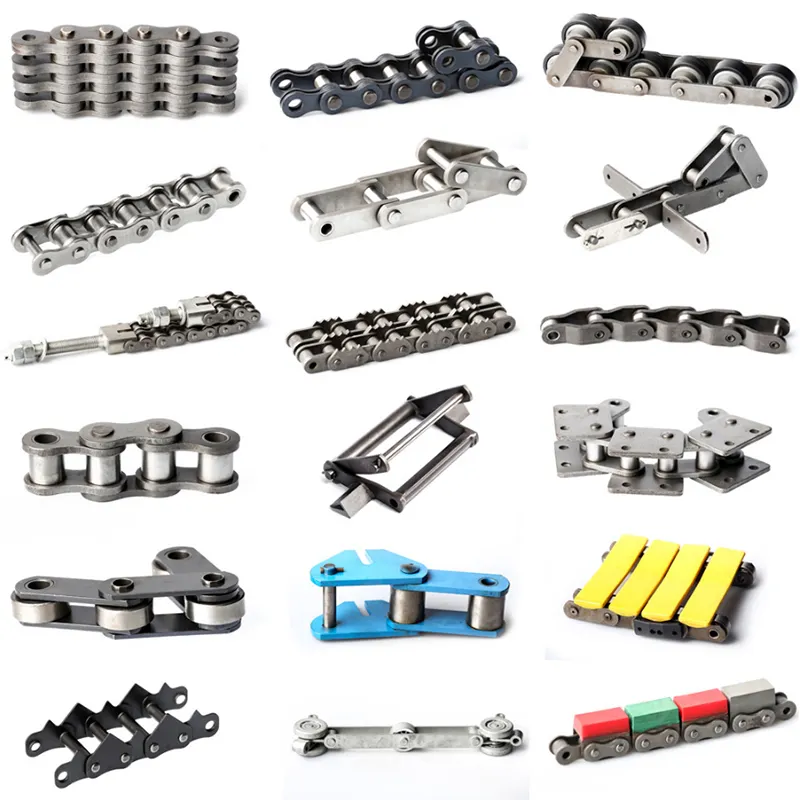
سلسلة ناقلة ذات لوحة ملحقة بمسافة بين السلاسل (P) تساوي 100، 125، 150، 152.4، 160، 200 مم، وفقًا للرسم.
تتوفر أنواع مختلفة من البكرات: بكرة صغيرة (النوع S)، بكرة كبيرة (النوع P)، بكرة ذات حافة محدبة (النوع F).
أقطار البكرات هي 36، 42، 50، 60، 70، 85، 100، 120 مم وما إلى ذلك.
تتوفر ألواح السلسلة بأنواع مختلفة: لوح أفقي أحادي الجانب من إنتاج شركة CHINAMFG، ولوح منحني أحادي الجانب مزود بعروات وفتحتين من النوع A2، ولوح منحني مزدوج الجانب من النوع K2. تتراوح سماكة ألواح السلسلة بين 4 و5 و6 و7 و8 و10 و12 مم. أما عرضها فيتراوح بين 25 و30 و35 و40 و50 و60 و70 مم، وهكذا.
أقطار الدبابيس هي 10، 12، 15، 18، 21، 25 ملم، إلخ.
تتوفر سلاسل النقل المترية من سلسلة M في النماذج التالية: M56، M80، M112، M160، M224، M315.
M315، الأبعاد تتوافق مع المعيار GB8350-87.
ويمكن مطابقتها مع العجلات المسننة.
سمة المنتج
| اسم المنتج | سلاسل ناقلة |
| المواد المتاحة | الفولاذ الكربوني، الفولاذ السبائكي، الفولاذ المقاوم للصدأ |
| تخصيص المعدات الأصلية وفقًا لمتطلباتك | |
| معالجة السطح | التشكيل بالخردق، والطلاء بالزنك، والطلاء بالنيكل، والأنودة، إلخ. |
| أداء | مقاوم لدرجات الحرارة العالية، مقاوم للتآكل |
| المعايير المرجعية | ISO، DIN، ANSL |
| رسومات مخصصة | نعم |
| الشهادات | تلفزيون من علامة SGS التجارية حاصل على شهادة ISO9001:2008 |
| موعد التسليم | 20 يوماً للعينات. 45 يوماً للطلب الرسمي. |
| التغليف | كيس بلاستيكي + صندوق من الورق المقوى + صندوق خشبي |
معايير المنتج
مزايانا
مزايا الشركة:
رخصة استيراد وتصدير خاصة، العلامة التجارية للتلفزيون مسجلة بنجاح في العديد من البلدان، شبكة مبيعات منتشرة في جميع أنحاء الصين، يتم تصدير المنتجات إلى 65 دولة في 5 قارات.
عضوية:
1. عضو في الجمعية الصينية لصناعة مكونات الآلات العامة.
2. عضو في جمعية نقل السلسلة الصينية.
3. عضو في جمعية توحيد معايير سلسلة التوريد الصينية.
4. عضو في الجمعية الصينية لمصنعي الآلات الزراعية.
بفضل كوادرنا وعمالنا المدربين تدريباً ممتازاً، ومعداتنا المتطورة والفعالة، وشبكة مبيعاتنا المتكاملة، وأنظمة ضمان الجودة الصارمة، نضمن لكم أن سلسلتنا عالية الجودة ستلبي جميع متطلباتكم وأعلى معايير الجودة.
لا تترددوا في الاتصال بنا للحصول على مزيد من المعلومات حول كيفية تلبية منتجات TransVision لمتطلبات صناعاتكم بأسعار تنافسية للغاية.
الجودة أولاً، والعملاء في المقام الأول.
فئات المنتجات
لماذا تختارنا؟
مجموعة منتجات شاملة: نقوم بإنتاج وتوريد مجموعة واسعة من أنظمة نقل الطاقة
تشمل المنتجات سلاسل القيادة، وسلاسل نقل الأوراق، وسلاسل النقل، والسلاسل الزراعية، والعجلات المسننة، و
وصلات. ستُقلل تجربة التسوق الشاملة هذه من متجر واحد بشكل كبير من تكاليف البحث الخاصة بك بينما
نضمن لك العثور على ما تريد بنقرة واحدة.
منتجات اختيار القيمة: منتجاتنا هي أفضل مزيج من الجودة والسعر، وستحصل على ما تستحقه.
ما تريده في حدود ميزانيتك
لدينا 15 مندوبي مبيعات ومهندسين ذوي خبرة؛
فريقنا جاهز لخدمتكم في أي وقت تحتاجون فيه إلى المساعدة. إنهم مدربون تدريباً جيداً في هذا المجال.
نحن على دراية تامة وسنرد دائمًا على طلباتكم في غضون 24 ساعة.
معدل الاحتفاظ بالعملاء 100%: يعود عملاؤنا الدائمون من الخارج ليس فقط من أجلنا
منتجات عالية الجودة، ولكن بفضل الخدمات المتميزة التي قدمناها على مر السنين.
التعليمات
س1: ما هو متوسط وقت التسليم لديكم؟
ج: يختلف الأمر. عادةً ما تستغرق عملية التسليم من البداية إلى النهاية من شهر إلى شهرين. كما نوفر خدمة الشحن السريع للطلبات العاجلة. لمزيد من التفاصيل، يُرجى التواصل مع مندوب المبيعات لدينا.
س2: هل سعرك أفضل من أسعار منافسيك مع مراعاة نفس الجودة؟
ج: بالتأكيد نعم. نقدم أفضل الأسعار التنافسية في قطاع نقل الطاقة. وفي حال وجود أي تفاوت في الأسعار، يسعدنا تقديم سعر مماثل.
س3: هل يمكنك صنع سلاسل وفقًا لرسومات CAD الخاصة بي؟
ج: نعم. بالإضافة إلى سلاسل التوريد القياسية المعتادة، ننتج منتجات غير قياسية ومصممة حسب الطلب لتلبية المتطلبات الفنية المحددة. في الواقع، يُخصص جزء كبير من طاقتنا الإنتاجية لتصنيع المنتجات غير القياسية.
س4: هل يمكننا فحص البضائع قبل الشحن؟
ج: نعم. يُسمح لك أو لممثلك أو لأي طرف تفتيش تابع لجهة خارجية بالوصول إلى منشأتنا وإجراء التفتيش.
س5: ما هي طريقة الدفع المقبولة في مصنعكم؟
ج: نحن مرنون. نقبل التحويل المصرفي، أو الاعتماد المستندي، أو أي طرق دفع إلكترونية أخرى طالما أنها مناسبة لك.
س6: ماذا لو كانت لدي أي أسئلة أخرى؟
ج: عندما يساورك الشك، نشجعك دائمًا على استشارة مندوب المبيعات لدينا في أي وقت - سيساعدك بما يرضيك.
| مادة: | سبيكة |
|---|---|
| بناء: | سلسلة مجوفة |
| معالجة السطح: | الطلاء الكهربائي |
| التخصيص: |
متاح
| طلب مخصص |
|---|
.shipping-cost-tm .tm-status-off{background: none;padding:0;color: #1470cc}
|
تكلفة الشحن:
تكلفة الشحن المقدرة لكل وحدة. |
بخصوص تكلفة الشحن ووقت التسليم المتوقع. |
|---|
| طريقة الدفع: |
|
|---|---|
|
الدفعة الأولى الدفع الكامل |
| عملة: | US$ |
|---|
| سياسة الإرجاع والاسترداد: | يمكنك التقدم بطلب استرداد الأموال حتى 30 يومًا بعد استلام المنتجات. |
|---|

هل يمكن استخدام سلاسل نقل الطاقة في بيئات ذات درجات حرارة عالية؟
نعم، يمكن استخدام سلاسل النقل في بيئات ذات درجات حرارة عالية، ولكن هناك اعتبارات معينة يجب مراعاتها. إليك شرح مفصل:
1. اختيار المواد: عند التشغيل في بيئات ذات درجات حرارة عالية، من الضروري اختيار سلاسل نقل الحركة المصنوعة من مواد مقاومة للحرارة. تشمل المواد الشائعة المستخدمة في التطبيقات ذات درجات الحرارة العالية سبائك الصلب المعالجة حرارياً، والفولاذ المقاوم للصدأ، وسبائك خاصة مقاومة للحرارة. توفر هذه المواد مقاومة محسّنة للتمدد الحراري والأكسدة والتشوه عند درجات الحرارة المرتفعة.
٢. التشحيم: يُعدّ التشحيم السليم ضروريًا لأداء سلاسل نقل الحركة وإطالة عمرها في البيئات ذات درجات الحرارة العالية. ينبغي استخدام مواد تشحيم عالية الحرارة ذات ثبات حراري فائق لضمان التشحيم الكافي وتقليل توليد الحرارة الناتجة عن الاحتكاك. صُممت هذه المواد خصيصًا لتحمّل درجات الحرارة المرتفعة وتوفير تشحيم فعّال، مما يقلل التآكل ويطيل عمر السلسلة.
3. تصميم السلسلة: قد يتضمن تصميم سلاسل نقل الحركة للبيئات ذات درجات الحرارة العالية خصائص لتعزيز مقاومتها للحرارة. تشمل هذه الخصائص الطلاءات المقاومة للحرارة، وعمليات المعالجة الحرارية المتخصصة، وتحسين خصائص تبديد الحرارة. بالإضافة إلى ذلك، ينبغي مراعاة قدرة تحمل السلسلة، ومقاومتها للإجهاد، وثبات أبعادها بعناية لضمان التشغيل الموثوق به تحت الضغط الحراري.
٤. حدود درجة الحرارة: من المهم معرفة حدود درجة الحرارة التي يحددها المصنّع لسلسلة نقل الحركة. تختلف نطاقات درجات الحرارة التي تعمل ضمنها السلاسل بأمان. قد يؤدي تجاوز حدود درجة الحرارة الموصى بها إلى تلف السلسلة، وانخفاض قوتها، وتسارع تآكلها، واحتمالية تلف المكونات المحيطة بها.
5. الفحص والصيانة الدورية: يُعد الفحص والصيانة الدورية أمرًا بالغ الأهمية لمراقبة حالة سلاسل نقل الحركة في البيئات ذات درجات الحرارة العالية. تساعد عمليات الفحص الدورية على اكتشاف علامات التآكل أو الاستطالة أو التلف الناتج عن الإجهاد الحراري. كما أن الاستبدال الفوري للسلاسل البالية أو التالفة، بالإضافة إلى التشحيم المناسب وضبط الشد، يضمن استمرار التشغيل الموثوق.
من المهم استشارة مصنعي السلاسل أو خبراء الصناعة لاختيار سلسلة النقل المناسبة والتأكد من توافقها مع التطبيقات ذات درجات الحرارة العالية. اتباع إرشادات الشركة المصنعة، والتركيب الصحيح، والصيانة الدورية، كلها عوامل تساهم في الاستخدام الآمن والفعال لسلاسل النقل في البيئات ذات درجات الحرارة العالية.
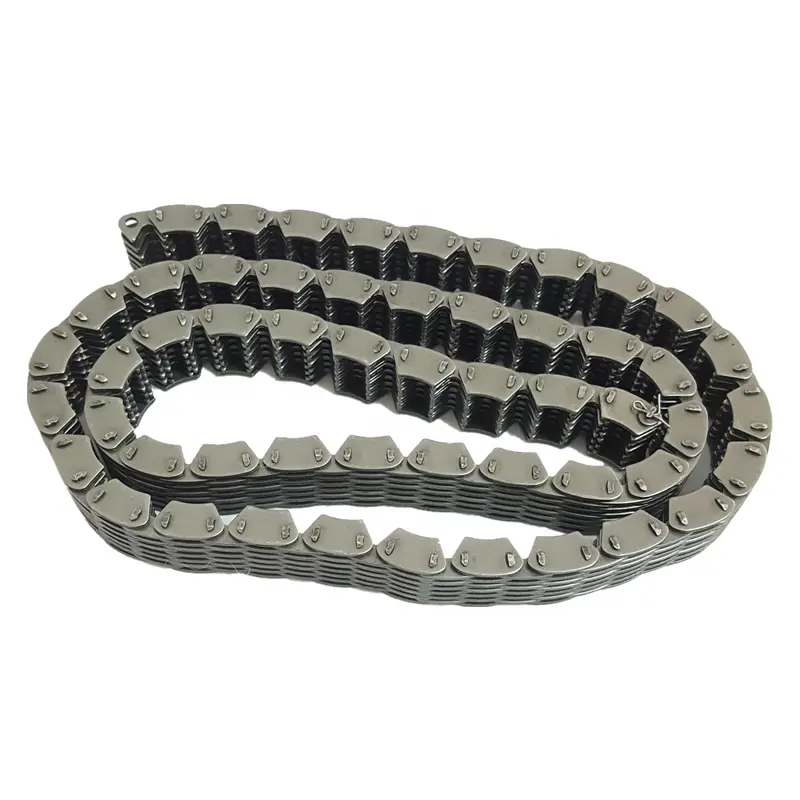
ما هي مزايا استخدام سلسلة نقل الحركة ذاتية التنظيف؟
يوفر استخدام سلسلة نقل الحركة ذاتية التنظيف العديد من المزايا، والتي تم توضيحها بالتفصيل أدناه:
1. أداء مُحسّن: صُممت سلاسل نقل الحركة ذاتية التنظيف لإزالة الحطام والأوساخ والملوثات التي قد تتراكم عليها أثناء التشغيل بكفاءة. فالحفاظ على نظافة السلسلة يُسهم في ضمان الأداء الأمثل ويمنع تراكم الحطام الذي قد يؤثر على حركتها، وتداخلها مع التروس، وكفاءتها العامة.
٢. تقليل الصيانة: بفضل سلسلة نقل الحركة ذاتية التنظيف، تقل الحاجة إلى التنظيف والصيانة اليدوية المتكررة بشكل ملحوظ. يتضمن تصميم السلسلة ميزات مثل الصفائح ذات الأشكال الخاصة، والقضبان الجانبية المنحنية، أو مكونات إضافية تمنع بشكل فعال التصاق الأوساخ بالسلسلة أو دخولها إلى مناطقها الحساسة. هذا يقلل الوقت والجهد اللازمين لمهام التنظيف والصيانة، مما يؤدي إلى توفير التكاليف وتحسين الإنتاجية.
3. إطالة عمر السلسلة: تساعد آلية التنظيف الذاتي لهذه السلاسل على إطالة عمرها. فمن خلال إزالة الشوائب بفعالية ومنع تراكم الملوثات، تتعرض السلسلة لتآكل أقل. وهذا بدوره يقلل من استطالة السلسلة، ويقلل الاحتكاك الداخلي، ويخفض خطر التلف المبكر. ونتيجة لذلك، تتحسن متانة السلسلة وعمرها الافتراضي بشكل عام.
4. موثوقية معززة: تساهم سلاسل النقل ذاتية التنظيف في تعزيز الموثوقية والأداء المتسق. ويضمن عدم تراكم الحطام تعشيقًا سلسًا مع التروس، مما يمنع انزلاق السلسلة أو تعطلها أو حدوث انقطاعات مفاجئة في نقل الطاقة. ويؤدي التشغيل الموثوق للسلسلة إلى تحسين وقت التشغيل وتقليل وقت التوقف وزيادة كفاءة النظام بشكل عام.
٥. مناسبة للبيئات القاسية: تستفيد الصناعات والتطبيقات التي تعمل في بيئات ذات مستويات عالية من الغبار أو الأوساخ أو غيرها من الجسيمات بشكل كبير من سلاسل النقل ذاتية التنظيف. وهي شائعة الاستخدام في صناعات مثل الزراعة والبناء والتعدين ومناولة المواد، حيث يكثر التعرض للبيئات القاسية. وتساعد خاصية التنظيف الذاتي على الحفاظ على أداء السلسلة وموثوقيتها حتى في هذه الظروف القاسية.
من المهم الإشارة إلى أنه على الرغم من المزايا الكبيرة التي توفرها سلاسل نقل الحركة ذاتية التنظيف، إلا أن الفحص والصيانة الدورية ضروريان لضمان أدائها الأمثل. فمراقبة حالة السلسلة، وتطبيق التشحيم المناسب، ومعالجة أي علامات تآكل أو تلف، أمور أساسية لتحقيق أقصى استفادة من سلاسل نقل الحركة ذاتية التنظيف وضمان موثوقيتها على المدى الطويل.
هل توجد أي معايير أو شهادات صناعية لسلاسل نقل الحركة؟
نعم، توجد معايير وشهادات صناعية تحكم تصنيع وجودة وأداء سلاسل نقل الحركة. إليك شرح مفصل:
1. معايير ANSI/ASME: وضع المعهد الوطني الأمريكي للمعايير (ANSI) والجمعية الأمريكية للمهندسين الميكانيكيين (ASME) معايير لسلاسل نقل الحركة، مثل معيار ANSI/ASME B29.1 لسلاسل البكرات ومعيار ANSI/ASME B29.3 لسلاسل المحاور. تحدد هذه المعايير الأبعاد والمواد والتفاوتات ومتطلبات الأداء لأنواع مختلفة من سلاسل نقل الحركة.
2. معايير المنظمة الدولية للتوحيد القياسي (ISO): وضعت المنظمة الدولية للتوحيد القياسي (ISO) معايير لسلاسل النقل، بما في ذلك معيار ISO 606 لسلاسل البكرات الدقيقة ذات الخطوة القصيرة، ومعيار ISO 1275 لسلاسل النقل ذات الخطوة القصيرة. تضمن هذه المعايير التناسق والتوافق العالميين من حيث أبعاد السلاسل وأدائها.
3. معايير DIN: في ألمانيا، وضع المعهد الألماني للتوحيد القياسي (DIN) معايير لسلاسل النقل، مثل DIN 8187 لسلاسل البكرات وDIN 8181 لسلاسل الجلبة. تُستخدم هذه المعايير على نطاق واسع في أوروبا، وهي تُحدد مواصفات ومتطلبات تصميم السلاسل وأدائها.
4. الشهادات: بالإضافة إلى المعايير، توجد شهادات تُثبت جودة وأداء سلاسل النقل. ومن أبرز هذه الشهادات شهادة ISO 9001:2015، التي تُثبت أن الشركة المصنعة قد طبقت نظام إدارة الجودة وتستوفي المعايير المحددة لجودة المنتج المتسقة.
من المهم الإشارة إلى أن الالتزام بهذه المعايير والشهادات أمرٌ اختياري ولكنه مُوصى به بشدة. إن اختيار سلاسل نقل الحركة التي تتوافق مع المعايير والشهادات المعترف بها يضمن أنها قد صُنعت واختُبرت لتلبية معايير محددة للأداء والموثوقية والمتانة.
عند اختيار سلاسل نقل الحركة، يُنصح بالبحث عن منتجات من شركات مصنعة ذات سمعة طيبة تُولي الجودة والامتثال لمعايير الصناعة أولوية قصوى. هذا يضمن أن السلاسل التي تختارها ستُلبي المتطلبات اللازمة لتطبيقك، وستُقدم أداءً موثوقًا به على المدى الطويل.


تم التحرير بواسطة CX بتاريخ 24 أكتوبر 2023