وصف المنتج
| رقم الموديل | 06C/08A/10A/12A/16A/20A/24A/28A/32A/40A/06B/08B/10B/12B/16B/20B/24B/28B/32B/40B-1/2/3 خدمة شديدة التحمل |
| نموذج السلسلة | سلاسل بكرات |
| الهيكل (للسلسلة) | سلسلة بكرات |
| مواصفة | GB/T، DIN، ANSI، ISO، BS، JIS. |
| أصل | هانغتشو، تشجيانغ |
| لون | لون موحد |
| لون السلسلة | مخصص |
شركتنا
تُعدّ شركة وولف تشين واحدة من أبرز الشركات المصنّعة للسلاسل في الصين. نُركّز على البحث والتطوير والتصنيع والتجارة في أنظمة نقل الحركة بالسلاسل، ونُقدّم منتجات من علامات تجارية شهيرة مثل "دوفون" و"ديتشو". كما نُقدّم خدمات التصنيع الأصلي (OEM) للعديد من الشركات العالمية الرائدة، مثل سوزوكي، وشيهو (ويست ليك)، وفاو، وأجكو، وجومينغ.
تُنتج شركة وولف بشكل رئيسي سلاسل النقل، وسلاسل السيور الناقلة، وسلاسل الجر، والسلاسل الصامتة، والسلاسل الورقية، وسلاسل البكرات، والسلاسل الخاصة، والعديد من أنواع السلاسل الأخرى. وقد ارتقى فنيونا بجودة السلاسل إلى مستوى عالمي. ويضمن اختيار المواد عالية الجودة، وتقنية المعالجة الحرارية الدقيقة والفعالة، وأساليب التجميع الممتازة، أن تلبي سلاسل وولف المتطلبات الصارمة والدقيقة للآلات والمركبات.
تتوافق جميع منتجاتنا تمامًا مع المعايير الدولية مثل ISO وDIN وANSI وBS وJIS وغيرها. وقد حصلت شركة وولف بنجاح على شهادة نظام إدارة الجودة ISO9001، بالإضافة إلى شهادات فحص من SGS وBV. تُستخدم سلاسل وولف على نطاق واسع في العديد من الصناعات، بما في ذلك صناعة السيارات والدراجات النارية والرافعات الشوكية وآلات معالجة الأخشاب وآلات البناء وآلات التعبئة والتغليف وآلات تصنيع الأغذية وآلات التبغ والمعدات الزراعية. تحظى سلاسل وولف بشعبية واسعة في أسواق أمريكا الجنوبية وأوروبا والشرق الأوسط وجنوب شرق آسيا وأفريقيا.
ورشة عملنا
شهادتنا
أهلاً بكم في معرضنا
التعليمات
سؤال1. ما هي شروط التعبئة والتغليف لديكم؟
ج: عادةً ما نقوم بتعبئة بضائعنا في صناديق ذات لون واحد. إذا كان لديك طلب خاص بشأن التعبئة، فيرجى التواصل معنا مسبقًا، وسنقوم بتعبئة البضائع وفقًا لطلبك.
س2. ما هي شروط الدفع الخاصة بكم؟
ج: يتم الدفع عن طريق التحويل المصرفي T/T 30% كدفعة مقدمة، و70% قبل التسليم. سنعرض لكم صور المنتجات والتغليف.
قبل سداد المبلغ المتبقي. أما بالنسبة لشروط الدفع الأخرى، فيرجى التفاوض معنا مسبقاً، ويمكننا مناقشتها.
س٣. ما هي شروط التسليم الخاصة بكم؟
أ: EXW، FOB، CFR، CIF.
س4. ماذا عن وقت التسليم لديكم؟
ج: بشكل عام، يستغرق الأمر من 25 إلى 30 يومًا بعد استلام دفعتك المقدمة. يعتمد وقت التسليم المحدد على
بخصوص المنتجات وكمية طلبك.
س5. هل يمكنك الإنتاج وفقًا للعينات؟
ج: نعم، يمكننا الإنتاج بناءً على عيناتكم أو رسوماتكم الفنية. يمكننا بناء القوالب والتجهيزات.
س6. ما هي سياسة العينات لديكم؟
ج: يمكننا توفير عينة إذا كانت لدينا قطع جاهزة في المخزون، ولكن يتعين على العملاء دفع تكلفة العينة و
تكلفة الشحن. نرحب بطلبات العينات.
س7. هل تقومون باختبار جميع منتجاتكم قبل التسليم؟
ج: نعم، نجري اختبار 100% قبل التسليم
س8: كيف تجعلون أعمالنا التجارية طويلة الأمد وعلاقة جيدة؟
1. نحافظ على الجودة العالية والأسعار التنافسية لضمان استفادة عملائنا؛
2. نحن نحترم كل عميل كصديق لنا، ونتعامل معه بصدق ونبني معه علاقات صداقة.
| قياسي أم غير قياسي: | معيار |
|---|---|
| طلب: | آلات النسيج، آلات الملابس، معدات النقل، آلات التعبئة والتغليف، آلات الأغذية، المعدات البحرية، معدات التعدين |
| معالجة السطح: | ازدهار الزيت |
| بناء: | سلسلة بكرات |
| مادة: | الفولاذ الكربوني |
| يكتب: | سلسلة قصيرة الخطوة |
| أمثلة: |
US$ 0/قطعة
قطعة واحدة (الحد الأدنى للطلب) | |
|---|
| التخصيص: |
متاح
| طلب مخصص |
|---|
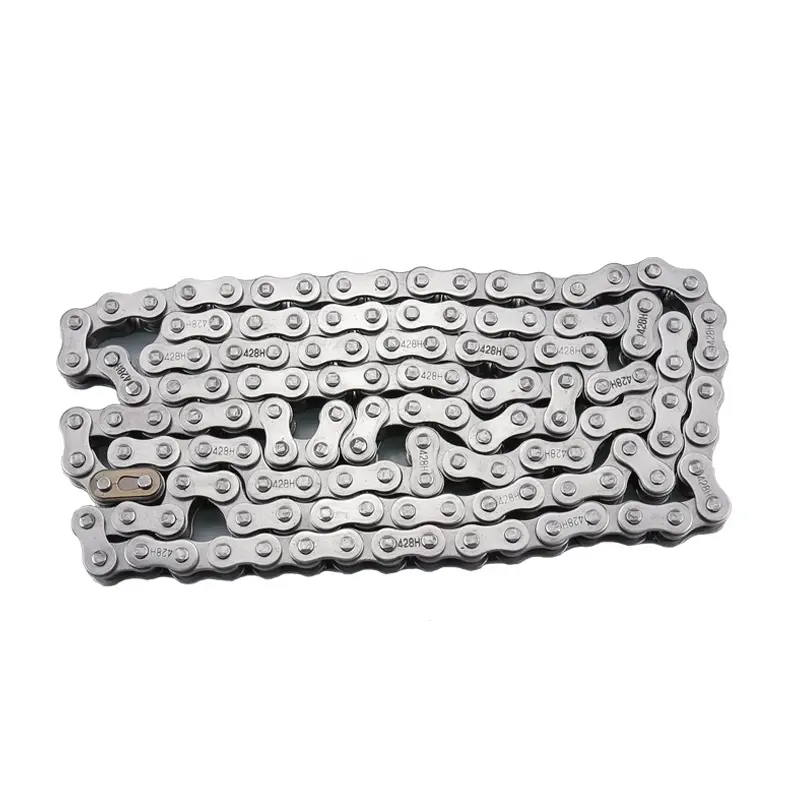
ما هي فوائد استخدام مادة تشحيم لا تحتاج إلى صيانة على سلسلة ناقل الحركة؟
يُوفر استخدام مُزيّت لا يحتاج إلى صيانة في سلسلة ناقل الحركة العديد من المزايا. إليك إجابة مُفصّلة على السؤال:
1. إطالة عمر السلسلة: صُممت مواد التشحيم التي لا تحتاج إلى صيانة خصيصًا لتوفير تشحيم يدوم طويلًا، مما يقلل الاحتكاك والتآكل في سلسلة ناقل الحركة. وهذا يُطيل عمر السلسلة ويقلل الحاجة إلى التشحيم المتكرر أو إعادة التطبيق.
٢. تقليل وقت التوقف وتكاليف الصيانة: بفضل استخدام مواد التشحيم التي لا تحتاج إلى صيانة، لا حاجة للتشحيم الدوري أو فترات الصيانة المجدولة. هذا يقلل بشكل كبير من وقت التوقف اللازم للتشحيم والصيانة، مما يؤدي إلى توفير التكاليف وزيادة الإنتاجية.
3. تحسين الأداء والكفاءة: يضمن استخدام مادة تشحيم لا تحتاج إلى صيانة تزييتًا مثاليًا ومتسقًا طوال فترة تشغيل السلسلة. وهذا يؤدي إلى تحسين الأداء، وسلاسة التشغيل، وتقليل فقد الطاقة الناتج عن الاحتكاك. كما أنه يساعد في الحفاظ على كفاءة السلسلة مع مرور الوقت.
4. صديقة للبيئة: تتميز مواد التشحيم التي لا تحتاج إلى صيانة بانخفاض تأثيرها البيئي. فهي مصممة لتقليل التسرب، والحد من الهدر، وتوفير مقاومة أفضل لتراكم الأوساخ والحطام. وهذا يُسهم في بيئة عمل أنظف وأكثر أمانًا.
5. تبسيط إجراءات الصيانة: باستخدام مواد تشحيم لا تحتاج إلى صيانة، يتم الاستغناء عن إجراءات التشحيم والصيانة الدورية أو تقليلها بشكل كبير. هذا يُبسط إجراءات الصيانة، ويوفر الوقت، ويُمكّن المشغلين من التركيز على مهام أخرى بالغة الأهمية.
٦. تزييت ثابت في البيئات الصعبة: صُممت مواد التشحيم التي لا تحتاج إلى صيانة لتحمل ظروف التشغيل القاسية، مثل درجات الحرارة العالية والضغوط الشديدة أو التعرض للملوثات. فهي توفر تزييتًا موثوقًا حتى في البيئات الصعبة، مما يضمن الأداء الأمثل للسلسلة وطول عمرها.
عند التفكير في استخدام مُزيّت لا يحتاج إلى صيانة، من المهم استشارة الشركة المصنعة أو مورد المُزيّت للتأكد من توافقه مع سلسلة ناقل الحركة ومتطلبات استخدامه الخاصة. سيساعد اتباع الإرشادات الموصى بها للتطبيق وإعادة التطبيق، بالإضافة إلى عمليات الفحص الدورية، على تحقيق أقصى استفادة من استخدام مُزيّت لا يحتاج إلى صيانة على سلسلة ناقل الحركة.
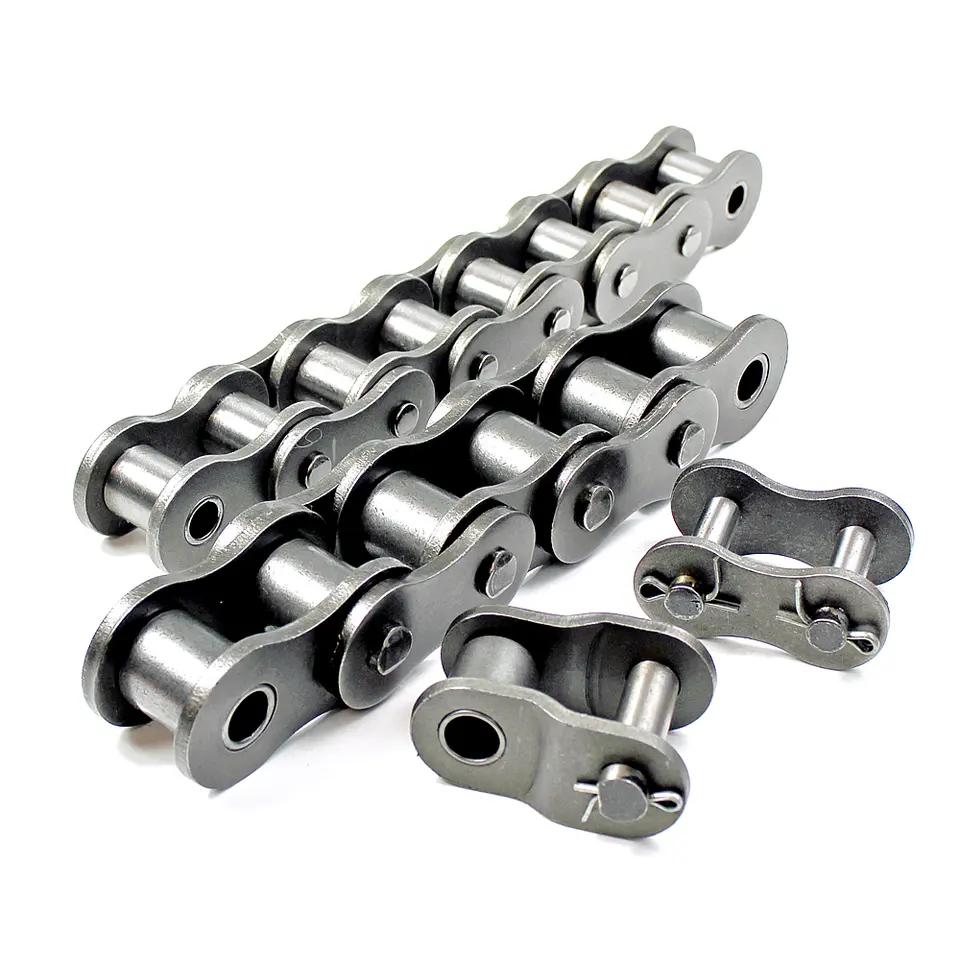
هل يمكن استخدام سلاسل النقل في أنظمة النقل؟
نعم، يمكن استخدام سلاسل النقل في أنظمة النقل. إليك إجابة مفصلة على السؤال:
تُستخدم أنظمة النقل على نطاق واسع في مختلف الصناعات من أجل مناولة ونقل المواد بكفاءة. وتُعد سلاسل النقل أحد المكونات الرئيسية المستخدمة لتحريك ودعم حركة أحزمة أو بكرات النقل.
توفر سلاسل النقل العديد من المزايا في أنظمة النقل:
1. نقل الطاقة: صُممت سلاسل النقل لنقل الطاقة بكفاءة، مما يسمح لها بتحريك سير النقل أو البكرات. وهي قادرة على تحمل الأحمال العالية وتوفير نقل طاقة موثوق، مما يضمن تشغيلًا سلسًا ومتسقًا لنظام النقل.
٢. التنوع: تتوفر سلاسل النقل بأحجام وأنواع وتكوينات مختلفة، مما يجعلها مناسبة لمجموعة واسعة من تطبيقات النقل. ويمكن تخصيصها لتناسب تصميمات ومتطلبات أنظمة النقل المختلفة، بما في ذلك الناقلات المستقيمة والمنحنية والمائلة وغيرها.
3. المتانة: صُممت سلاسل النقل لتحمل ظروف التشغيل القاسية في أنظمة النقل. وهي مصنوعة من مواد عالية الجودة كالفولاذ، مما يمنحها قوة ومتانة فائقتين. وهذا يضمن قدرة السلاسل على تحمل الأحمال الثقيلة، والتشغيل والإيقاف المتكرر، والبيئات القاسية التي تُصادف عادةً في تطبيقات النقل.
4. المرونة: تتيح سلاسل النقل مرونة في تصميم وتكوين نظام النقل. فهي تستوعب أطوالًا وعروضًا وزوايا مختلفة للناقل، مما يمكّن النظام من التكيف مع قيود المساحة واحتياجات مناولة المواد المحددة. بالإضافة إلى ذلك، يمكن تعديلها أو توسيعها بسهولة مع تطور متطلبات نظام النقل.
٥. صيانة منخفضة: تتطلب سلاسل النقل صيانة دورية لضمان الأداء الأمثل وطول العمر. ومع ذلك، بالمقارنة مع أنواع أنظمة نقل الطاقة الأخرى، مثل الأحزمة أو التروس، فإن سلاسل النقل عمومًا تتطلب صيانة أقل. يُعد التشحيم والشد والفحص الدوري المناسبين أمرًا ضروريًا لتقليل التآكل وضمان التشغيل الموثوق لنظام النقل.
بشكل عام، تُعدّ سلاسل النقل حلاً موثوقاً وفعالاً لتشغيل أنظمة النقل. فهي توفر نقلاً قوياً للطاقة، وتعدد استخدامات في تصميم النظام، ومتانة في البيئات القاسية، ومرونة في التخطيط، ومتطلبات صيانة منخفضة نسبياً. وعند اختيارها وصيانتها بشكل صحيح، تُسهم سلاسل النقل في التشغيل السلس والفعال لأنظمة النقل في مختلف الصناعات.
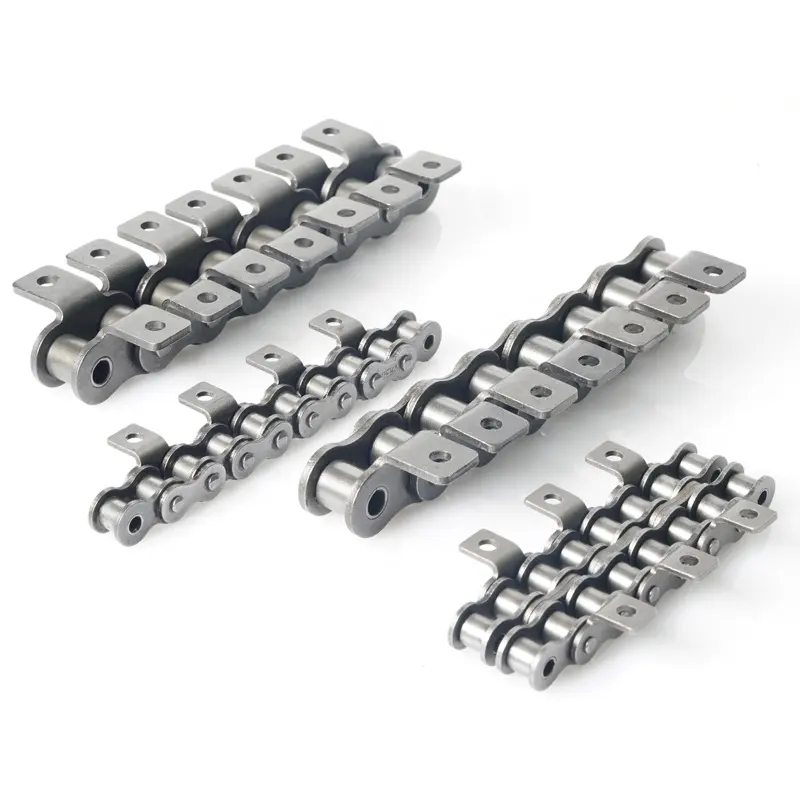
ما هي الاختلافات الرئيسية بين سلاسل نقل الحركة القياسية وسلاسل نقل الحركة شديدة التحمل؟
صُممت سلاسل نقل الحركة القياسية والثقيلة لتلبية متطلبات الأحمال والأداء المختلفة. فيما يلي الفروقات الرئيسية بين هذين النوعين:
- قدرة التحميل: صُممت سلاسل نقل الحركة شديدة التحمل لتحمل أحمالًا أعلى وتوفير قوة أكبر مقارنةً بالسلاسل القياسية. وهي مصممة لتحمل التطبيقات الأثقل والأكثر تطلبًا.
- التصميم: عادةً ما يتم تصنيع سلاسل نقل الحركة شديدة التحمل بألواح أكثر سمكًا ودبابيس أكبر ومكونات أقوى لتعزيز متانتها وقدرتها على تحمل الأحمال.
- الحجم: غالبًا ما تكون سلاسل نقل الحركة شديدة التحمل أكبر حجمًا مقارنة بالسلاسل القياسية لاستيعاب متطلبات الحمل المتزايدة.
- الوزن: نظراً لبنيتها القوية، تميل سلاسل نقل الحركة شديدة التحمل إلى أن تكون أثقل من السلاسل القياسية.
- المتانة: تم تصميم السلاسل شديدة التحمل لتتمتع بمقاومة أكبر للتآكل والإجهاد والمتانة الشاملة لتحمل ظروف التشغيل القاسية والاستخدام لفترات طويلة.
- الاستخدامات: تُناسب سلاسل النقل القياسية التطبيقات الخفيفة التي تتضمن أحمالًا متوسطة، مثل الآلات الخفيفة والناقلات والمعدات الصغيرة. أما سلاسل النقل الثقيلة، فهي مصممة للآلات الثقيلة والمعدات الصناعية وتطبيقات التعدين وغيرها من البيئات الصعبة.
من المهم مراعاة المتطلبات المحددة لتطبيقك، بما في ذلك سعة التحميل وظروف التشغيل والعمر الافتراضي المتوقع، لتحديد ما إذا كانت سلسلة نقل الحركة القياسية أو سلسلة نقل الحركة شديدة التحمل هي الخيار الصحيح.


تم التحرير بواسطة CX بتاريخ 12 سبتمبر 2023