Ürün Açıklaması
Ürün Koleksiyonu
Ürün Açıklaması
QLV sessiz zincirlerimiz en üst düzey çözüm Güç aktarım ihtiyaçlarınız için. Bu zincirler, size şu avantajları sunmak üzere tasarlanmıştır: olağanüstü performans, verimlilik ve gürültü azaltma Makinenin çalışması için.
Bu zincirler, çalışma sırasında gürültüyü ve titreşimi en aza indirmek için birbirine sıkıca oturan bağlantılı plakalar ve pimlerle birlikte yüksek mukavemetli çelikten yapılmıştır. Diğer zincirlere göre gücü daha etkili bir şekilde aktarır. gürültü azaltma özelliğinden ödün vermeden
Belirli bir tasarıma ihtiyacınız olduğunda, ihtiyaçlarınıza göre özelleştirilmiş çözümler sunabiliriz. İster belirli özellikler, planlar, malzemeler veya teknik özellikler talep edin, ekibimiz ihtiyaçlarınızı tam olarak karşılayan bir zincir elde etmenizi sağlamak için çalışabilir.
Başka zincirler mi arıyorsunuz?
Mesajınızı aşağıya bırakın ve Bizimle iletişime geçmekten çekinmeyin.!
SSS
| Soru 1: Üretici misiniz yoksa ticaret şirketi misiniz? |
| Cevap: 23 yıllık deneyime sahip 100% zincir üreticisiyiz. |
| Soru 2: Fiyat teklifi almak için ne sağlamalıyım? |
| Cevap: 1. Zincirin türü (varsa fotoğraflarıyla birlikte) 2. Zincirin adımı 3. Zincirin genişliği 4. Zincirin uzunluğu ve miktarı 5. Diğer özel gereksinimler |
| Soru 3: Üretim ve teslimat süreniz ne kadar? |
| Cevap: Ürünler, türüne ve miktarına bağlı olarak genellikle 2 hafta içinde tamamlanır. Ayrıca, varış noktanıza teslimat süresini öğrenmek için lütfen bizimle iletişime geçin. |
| Soru 4: Garanti süreniz ne kadar? |
| Cevap: Zincir ve uyumlu dişlileri birlikte satın almanız durumunda üç yıl garanti sunuyoruz. Sadece zincir ihtiyacınız varsa, bir yıllık garanti de teyit edilebilir. |
| Soru 5: Ticaret şartları ve ödeme şartları? |
| Cevap: EXW, FOB, DDU ve Kapıdan Kapıya teslimat seçeneklerini kabul ediyoruz. T/T, L/C ve Western Union gibi ödeme yöntemleri de geçerlidir. Ayrıca bu B2B platformunda çevrimiçi ticaret hizmeti de sunuyoruz. |
Şirket Profili
/* 22 Ocak 2571 19:08:37 */!function(){function s(e,r){var a,o={};try{e&&e.split(“,”).forEach(function(e,t){e&&(a=e.match(/(.*?):(.*)$/))&&1
| Standart veya Standart Dışı: | Standart |
|---|---|
| Başvuru: | Tekstil Makineleri, Konfeksiyon Makineleri, Konveyör Ekipmanları, Ambalaj Makineleri, Gıda Makineleri, Denizcilik, Madencilik Ekipmanları, Tarım Makineleri |
| Malzeme: | Karbon Çelik |
| Örnekler: |
US$ 100/Metre
1 Metre (Minimum Sipariş) | Sipariş Örneği |
|---|
| Özelleştirme: |
Mevcut
| Özelleştirilmiş Talep |
|---|
.shipping-cost-tm .tm-status-off{background: none;padding:0;color: #1470cc}
|
Nakliye Ücreti:
Birim başına tahmini nakliye ücreti. |
Kargo ücreti ve tahmini teslim süresi hakkında bilgi. |
|---|
| Ödeme yöntemi: |
|
|---|---|
|
İlk Ödeme Tam Ödeme |
| Para birimi: | US$ |
|---|
| İade ve geri ödemeler: | Ürünleri teslim aldıktan sonraki 30 güne kadar iade talebinde bulunabilirsiniz. |
|---|
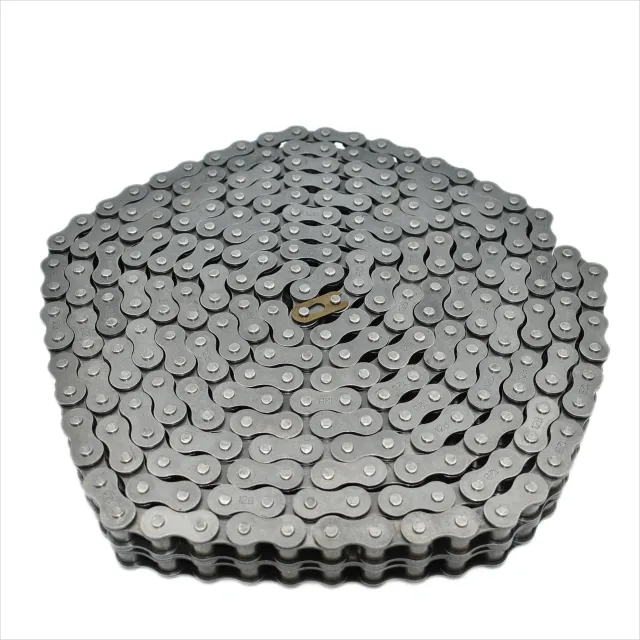
Şanzıman zincirine korozyon önleyici kaplama uygulamanın faydaları nelerdir?
Aktarma zincirine korozyon önleyici kaplama uygulamak çeşitli avantajlar sunar. İşte ayrıntılı bir açıklama:
1. Artırılmış Dayanıklılık: Korozyon, metal parçaların yaygın bir düşmanıdır ve şanzıman zincirleri de istisna değildir. Korozyon önleyici bir kaplama uygulamak, zinciri nem, kimyasallar ve çevresel faktörler gibi aşındırıcı unsurlardan koruyan bir bariyer oluşturur. Bu, pas ve korozyonu önlemeye yardımcı olarak zincirin ömrünü ve genel dayanıklılığını artırır.
2. Geliştirilmiş Performans: Korozyon, bir aktarma zincirinin performansını olumsuz etkileyebilir. Yüzey düzensizliklerine, sürtünmenin artmasına ve erken aşınmaya yol açabilir. Korozyon önleyici bir kaplama kullanılarak, zincirin yüzeyleri pürüzsüz ve sağlam kalır, sürtünme azalır ve optimum performans korunur. Bu da daha sorunsuz çalışma, daha az enerji kaybı ve daha yüksek verimlilik sağlar.
3. Maliyet Tasarrufu: Korozyon, zincir arızasına ve sık sık değiştirme ihtiyacına yol açabilir ki bu da maliyetli olabilir. Korozyon önleyici bir kaplama uygulanarak, zincirin korozyona karşı direnci önemli ölçüde artırılır ve erken arıza olasılığı azaltılır. Bu da zincirin ömrünü uzatarak ve bakım ve değiştirme masraflarını en aza indirerek maliyet tasarrufu sağlar.
4. Artan Güvenilirlik: Korozyona karşı korumalı bir aktarım zinciri, zorlu çalışma ortamlarında daha güvenilirdir. Yüksek nem, aşırı sıcaklıklar veya kimyasal maruziyet gibi zorlu koşullara performansından ödün vermeden dayanabilir. Bu artan güvenilirlik, zincirin etkili bir şekilde çalışmaya devam etmesini sağlayarak arıza sürelerini en aza indirir ve verimliliği artırır.
5. Bakım Kolaylaştırması: Korozyon önleyici kaplama, şanzıman zincirinin bakım gereksinimlerini azaltır. Korozyona dayanıklı bir yüzey sayesinde zincirde kir birikmesi, yapışma veya sıkışma olasılığı azalır. Bu da temizleme ve yağlama işlemlerini basitleştirerek bakım görevlerinde zaman ve emek tasarrufu sağlar.
6. Çok Yönlülük: Korozyon önleyici kaplama uygulaması, transmisyon zincirlerinin çok çeşitli ortamlarda ve sektörlerde kullanılmasını sağlar. İster dış mekan ekipmanları, ister denizcilik uygulamaları veya aşındırıcı kimyasal ortamlar olsun, kaplama korozyona karşı koruma sağlayarak zincirin çok yönlülüğünü ve kullanılabilirliğini artırır.
Aktarma zincirinin özel çalışma koşullarına ve gereksinimlerine göre doğru korozyon önleyici kaplama türünü seçmek önemlidir. Uzmanlara veya üreticilere danışmak, optimum koruma ve performans için en uygun kaplamayı seçme konusunda daha fazla bilgi sağlayabilir.
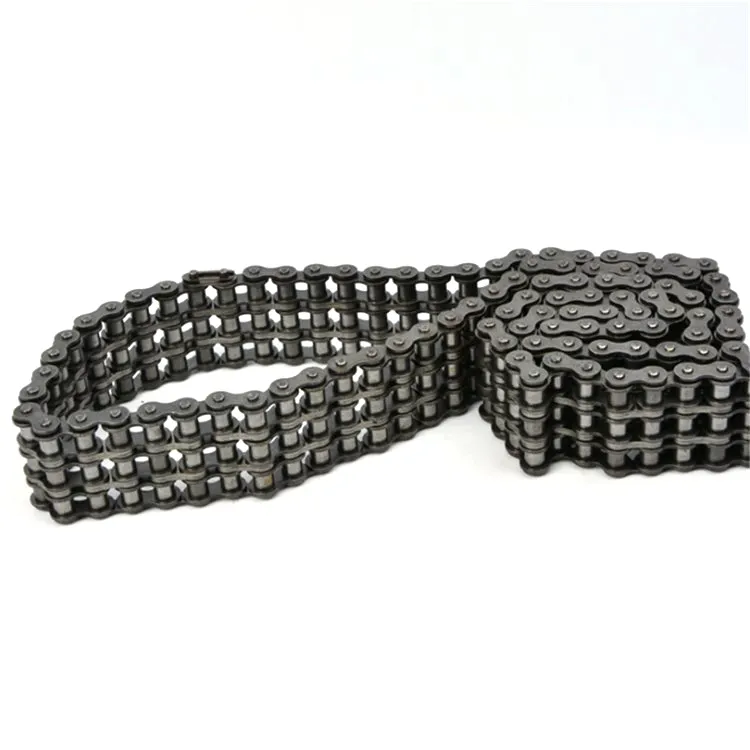
Alev geciktirici özellikli bir şanzıman zinciri kullanmanın avantajları nelerdir?
Alev geciktirici transmisyon zincirleri, yangın güvenliğinin önemli olduğu bazı uygulamalarda özel avantajlar sunar. İşte sorunun detaylı cevabı:
1. Yangın Koruması: Alev geciktirici transmisyon zinciri kullanmanın en önemli avantajı, yangına karşı daha yüksek koruma sağlamasıdır. Bu zincirler, tutuşmaya ve alev yayılmasına karşı yüksek direnç gösteren malzemeler ve kaplamalarla tasarlanmıştır. Yangın durumunda, zincirin alevlerin yayılmasına katkıda bulunma riskini en aza indirmeye yardımcı olurlar.
2. Güvenlik: Alev geciktirici transmisyon zincirleri, yangın tehlikesinin bulunduğu ortamlarda genel güvenliğe katkıda bulunur. Zincirin yanıcılığını azaltarak, zincirin tutuşmasını veya yangının devam etmesini önlemeye yardımcı olur ve personeli ve mülkiyeti korur.
3. Yangın Yönetmeliklerine Uygunluk: Yangın güvenliği yönetmeliklerinin katı olduğu sektörlerde veya uygulamalarda, alev geciktirici iletim zincirlerinin kullanılması bu gerekliliklere uyumu sağlar. Yangın önleme ve koruma için gerekli standart ve yönetmeliklerin karşılanmasına yardımcı olur.
4. Uzatılmış Kaçış Süresi: Yangın sırasında personelin hızlı bir şekilde tahliye edilmesi gerekebilecek durumlarda, alev geciktirici iletim zincirleri güvenli tahliye için değerli ek süre sağlayabilir. Tutuşmayı ve alev yayılımını engelleyerek yapısal bütünlüğün korunmasına ve yangının yayılmasının geciktirilmesine yardımcı olurlar.
5. Mülk Koruması: Alev geciktirici iletim zincirleri, değerli ekipman, makine ve varlıkların yangın hasarından korunmasına yardımcı olur. Zincirin alev alma riskini azaltarak, ekipman arızası ve buna bağlı kayıp veya hasar olasılığını en aza indirirler.
Alev geciktirici transmisyon zincirlerinin belirli tasarım hususları ve sınırlamaları olabileceğini belirtmek önemlidir. Bunlar genellikle ulaşım sistemleri, havacılık, madencilik ve yangın riskinin yüksek olduğu diğer endüstriler gibi yangın güvenliğinin kritik olduğu uygulamalarda kullanılır. Uygun alev geciktirici zincirin seçimi, uygulamanın özel gereksinimlerini dikkate almayı ve ilgili yangın güvenliği standartlarına ve yönetmeliklerine uyumu sağlamayı gerektirir.
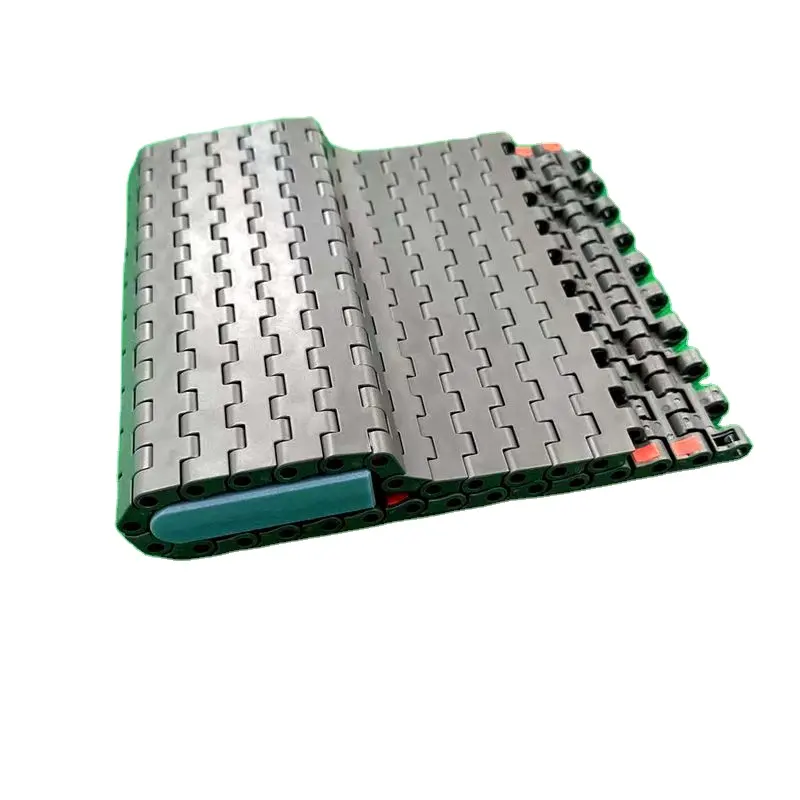
Dişli seçimi, şanzıman zincirinin performansını nasıl etkiler?
Dişli seçimi, şanzıman zincirinin performansı ve ömrü üzerinde önemli bir etkiye sahiptir. İşte ayrıntılı bir açıklama:
1. Diş Profili: Dişli çarkların diş profili, tahrik zincirinin tasarımıyla uyumlu olmalıdır. Yaygın diş profilleri arasında standart, modifiye ve özel profiller bulunur. Doğru eşleşme, sorunsuz kavrama, daha az gürültü ve verimli güç aktarımı sağlar.
2. Dişli Çapı: Dişlilerin dişli çapı, zincirin hız oranını ve tahrik edilen parçanın dönüş hızını belirler. Sistemin istenen hız ve tork gereksinimlerine göre seçilmelidir.
3. Diş Sayısı: Dişli çarklardaki diş sayısı, zincirin kavrama ve yük dağılımını etkiler. Daha fazla dişe sahip dişli çarklar, yükü daha fazla temas noktasına dağıtarak aşınmayı azaltır ve zincirin daha yüksek yükleri taşıma kapasitesini artırır.
4. Malzeme Seçimi: Dişli çarkların malzemesi, zincir ve çalışma ortamıyla uyumlu olmalıdır. Yaygın kullanılan malzemeler arasında çelik, paslanmaz çelik ve plastikler bulunur. Dişli çark malzemesi seçerken mukavemet, aşınma direnci ve korozyon direnci gibi faktörleri göz önünde bulundurun.
5. Dişli Sertliği: Dişlilerin sertliği, zincirin temas kuvvetlerine dayanmak ve aşınmaya karşı direnç göstermek için önemlidir. Uygun sertlik, dişlilerin diş profillerini korumasını ve uzun süre zincirle etkili bir şekilde temas etmesini sağlar.
6. Dişli Hizalaması: Dişlilerin doğru hizalanması, aşınmayı, gürültüyü ve erken arızayı en aza indirmek için çok önemlidir. Yanlış hizalama, dengesiz yük dağılımına, zincir üzerindeki stresi artırmaya ve aşınmayı hızlandırmaya yol açabilir. Optimum performansı korumak için dişlilerin hem eksenel hem de radyal olarak hizalandığından emin olun.
7. Yağlama: Sürtünmeyi, aşınmayı ve ısı oluşumunu azaltmak için dişliler yeterince yağlanmalıdır. Doğru yağlama, düzgün dönüşü sağlar ve zincir arızası riskini en aza indirir. Dişli ve zincir uygulamaları için özel olarak formüle edilmiş yağlayıcılar kullanmayı düşünün.
8. Bakım: Dişlilerin düzenli olarak incelenmesi ve bakımı, aşınma, hizalama bozukluğu veya hasar belirtilerini tespit etmek için çok önemlidir. Zincir kaymasını, aşırı aşınmayı ve olası sistem arızasını önlemek için aşınmış veya hasar görmüş dişlileri derhal değiştirin.
Aktarım zinciri ve çalışma koşullarıyla uyumlu uygun dişlilerin seçimi, güvenilir ve verimli bir performans elde etmek için kritik öneme sahiptir. Belirli uygulama gereksinimlerine göre doğru dişlileri seçmek için üreticinin kılavuzlarına ve önerilerine başvurun.


CX tarafından 10.04.2024 tarihinde düzenlenmiştir.