Ürün Açıklaması
Ürün Koleksiyonu
Ürün Açıklaması
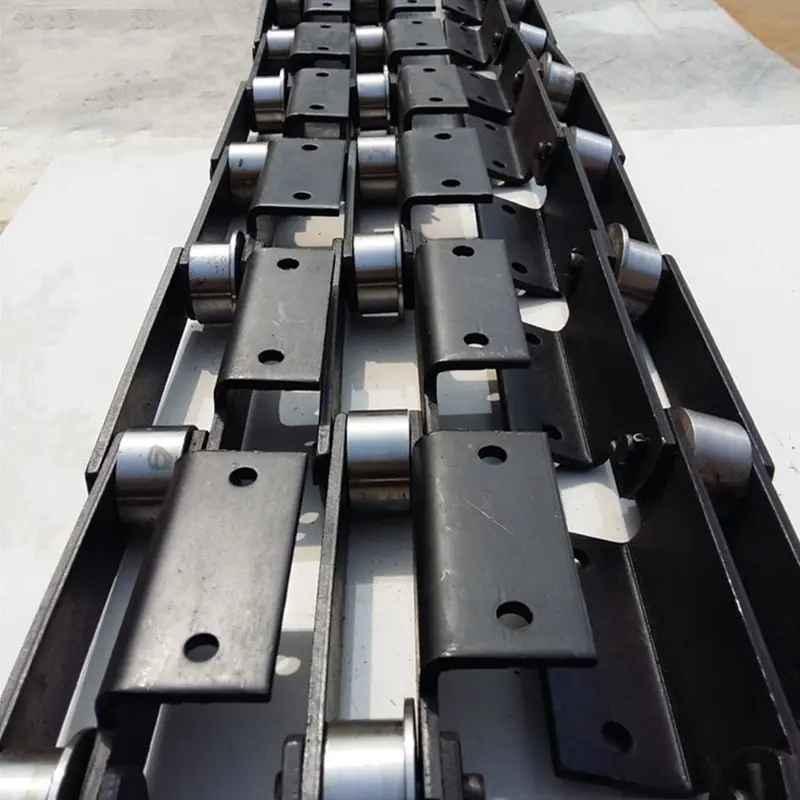
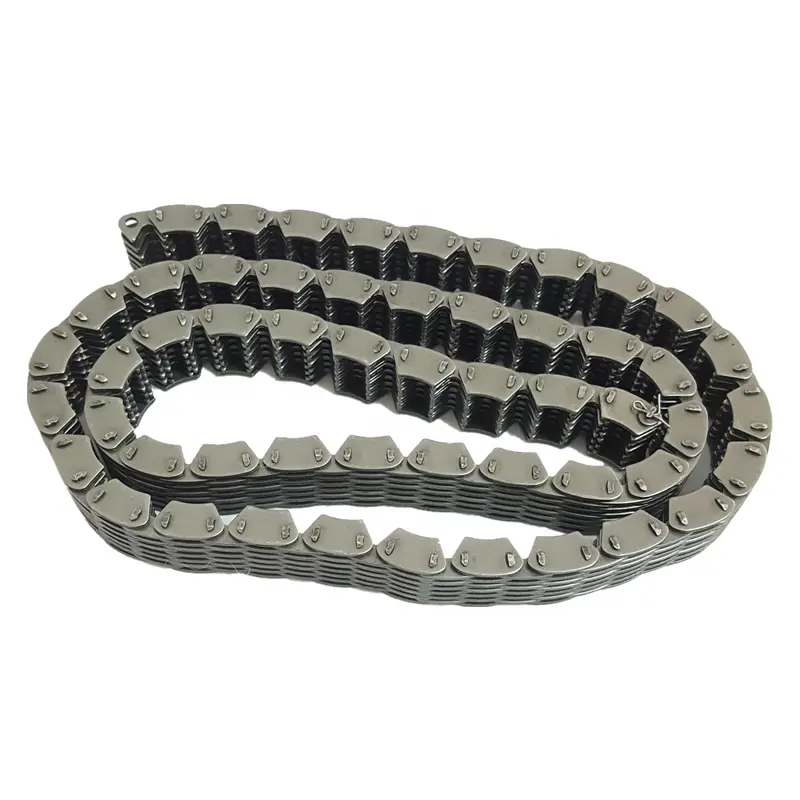
QLZ zincirleri, her iki tarafta da simetrik olarak dişli bağlantı plakalarına sahiptir ve bu sayede çift taraflı kullanımda eşit performans ve hassasiyet sağlar. Bu tasarım, zincirleri daha verimli hale getirir. Dönme yönünde değişiklik olan uygulamalar veya çok şaftlı tahrik sistemleri için ideal bir çözüm. Esneklikleri sayesinde bu durumların üstesinden kolayca gelebilirler ve güvenilir ve tutarlı bir performans sergileyebilirler.
Belirli bir tasarıma ihtiyacınız olduğunda, ihtiyaçlarınıza göre özelleştirilmiş çözümler sunabiliriz. İster belirli özellikler, planlar, malzemeler veya teknik özellikler talep edin, ekibimiz ihtiyaçlarınızı tam olarak karşılayan bir zincir elde etmenizi sağlamak için çalışabilir.
Başka zincirler mi arıyorsunuz?
Mesajınızı aşağıya bırakın ve Bizimle iletişime geçmekten çekinmeyin.!
SSS
| Soru 1: Üretici misiniz yoksa ticaret şirketi misiniz? |
| Cevap: 23 yıllık deneyime sahip 100% zincir üreticisiyiz. |
| Soru 2: Fiyat teklifi almak için ne sağlamalıyım? |
| Cevap: 1. Zincirin türü (varsa fotoğraflarıyla birlikte) 2. Zincirin adımı 3. Zincirin genişliği 4. Zincirin uzunluğu ve miktarı 5. Diğer özel gereksinimler |
| Soru 3: Üretim ve teslimat süreniz ne kadar? |
| Cevap: Ürünler, türüne ve miktarına bağlı olarak genellikle 2 hafta içinde tamamlanır. Ayrıca, varış noktanıza teslimat süresini öğrenmek için lütfen bizimle iletişime geçin. |
| Soru 4: Garanti süreniz ne kadar? |
| Cevap: Zincir ve uyumlu dişlileri birlikte satın almanız durumunda üç yıl garanti sunuyoruz. Sadece zincir ihtiyacınız varsa, bir yıllık garanti de teyit edilebilir. |
| Soru 5: Ticaret şartları ve ödeme şartları? |
| Cevap: EXW, FOB, DDU ve Kapıdan Kapıya teslimat seçeneklerini kabul ediyoruz. T/T, L/C ve Western Union gibi ödeme yöntemleri de geçerlidir. Ayrıca bu B2B platformunda çevrimiçi ticaret hizmeti de sunuyoruz. |
Şirket Profili
/* 10 Mart 2571 17:59:20 */!function(){function s(e,r){var a,o={};try{e&&e.split(“,).forEach(function(e,t){e&&(a=e.match(/(.*?):(.*)$/))&&1
| Standart veya Standart Dışı: | Standart |
|---|---|
| Başvuru: | Tekstil Makineleri, Konfeksiyon Makineleri, Konveyör Ekipmanları, Ambalaj Makineleri, Gıda Makineleri, Denizcilik, Madencilik Ekipmanları, Tarım Makineleri |
| Yapı: | Diş Zinciri |
| Örnekler: |
US$ 100/Metre
1 Metre (Minimum Sipariş) | Sipariş Örneği |
|---|
| Özelleştirme: |
Mevcut
| Özelleştirilmiş Talep |
|---|
.shipping-cost-tm .tm-status-off{background: none;padding:0;color: #1470cc}
|
Nakliye Ücreti:
Birim başına tahmini nakliye ücreti. |
Kargo ücreti ve tahmini teslim süresi hakkında bilgi. |
|---|
| Ödeme yöntemi: |
|
|---|---|
|
İlk Ödeme Tam Ödeme |
| Para birimi: | US$ |
|---|
| İade ve geri ödemeler: | Ürünleri teslim aldıktan sonraki 30 güne kadar iade talebinde bulunabilirsiniz. |
|---|

İletim zincirleri temiz oda veya gıda işleme ortamlarında kullanılabilir mi?
Evet, iletim zincirleri temiz oda veya gıda işleme ortamlarında kullanılabilir, ancak hijyen ve temizlik standartlarına uyumu sağlamak için bazı hususların dikkate alınması gerekir. İşte sorunun ayrıntılı cevabı:
Temiz oda veya gıda işleme ortamlarında, sıkı hijyenin sağlanması ve kontaminasyonun önlenmesi hayati önem taşır. Bu tür ortamlarda kullanılan iletim zincirleri, güvenli ve hijyenik işlemlerin sağlanması için belirli gereksinimleri karşılamalıdır. İşte bazı önemli hususlar:
1. Malzeme Seçimi: Temiz oda veya gıda işleme ortamlarında kullanılan iletim zincirleri, korozyona, kimyasallara ve gıda kalıntılarına dayanıklı malzemelerden yapılmalıdır. Paslanmaz çelik zincirler, mükemmel korozyon direnci ve hijyenik özellikleri nedeniyle yaygın olarak tercih edilir.
2. Tasarım: Aktarma zincirinin tasarımı, oyukları, ölü alanları ve kirleticilerin birikebileceği diğer bölgeleri en aza indirmelidir. Kolay temizlik sağlamak ve kalıntı birikmesini önlemek için pürüzsüz yüzeyler ve yuvarlak kenarlar tercih edilir.
3. Yağlama: Temiz oda veya gıda işleme ortamlarında, ürünleri veya çevreyi kirletmeyen gıda sınıfı yağlayıcılar veya kendiliğinden yağlanan zincirler kullanmak şarttır. Bu yağlayıcılar, gıda ile tesadüfi temas için uygun olmalı ve ilgili gıda güvenliği standartlarını karşılamalıdır.
4. Temizlik ve Bakım: İletim zincirlerinin temiz ve kirleticilerden arındırılmış halde kalması için düzenli temizlik ve bakım prosedürleri oluşturulmalıdır. Bu, onaylanmış temizlik maddelerinin kullanılmasını ve kalıntıların veya kirleticilerin etkili bir şekilde giderilmesini sağlamak için uygun temizlik protokollerinin izlenmesini içerebilir.
5. Yönetmeliklere Uygunluk: Temiz oda ve gıda işleme ortamları, FDA yönetmelikleri, HACCP prensipleri veya GMP yönergeleri gibi belirli düzenlemelere ve standartlara tabidir. Kullanılan iletim zincirlerinin bu düzenlemelere uygun olması ve gerekli sertifikaları veya onayları alması çok önemlidir.
Temiz oda veya gıda işleme uygulamaları için özel olarak tasarlanmış iletim zincirleri seçilerek ve uygun temizlik ve bakım prosedürleri izlenerek, hijyen ve güvenliği tehlikeye atmadan bu ortamlarda iletim zincirleri kullanmak mümkündür. Temiz oda veya gıda işleme uygulamaları için çözümler sağlama konusunda deneyimli tedarikçiler veya üreticilerle yakın işbirliği yapmak, doğru zincir seçimini ve gerekli standartlara uyumu sağlamaya yardımcı olabilir.
Aktarma zincirleri yüksek tork gerektiren uygulamalarda kullanılabilir mi?
Evet, tahrik zincirleri, gücü verimli bir şekilde iletme yetenekleri nedeniyle yüksek tork gerektiren uygulamalarda yaygın olarak kullanılır. İşte sorunun detaylı cevabı:
1. Sağlam Güç Aktarımı: Aktarım zincirleri, yüksek tork uygulamaları da dahil olmak üzere önemli miktarda güç aktarımını kaldıracak şekilde tasarlanmıştır. Torku tahrik kaynağından tahrik edilen bileşenlere etkili bir şekilde aktarabilirler.
2. Yük Kapasitesi: Aktarma zincirleri, ağır yükleri ve yüksek tork seviyelerini kaldıracak şekilde tasarlanmıştır. Uygulamanın özel tork gereksinimlerini karşılamak için uygun malzeme dayanımı, zincir adımı ve bileşenlerle tasarlanırlar.
3. Çeşitli Uygulamalar: Aktarım zincirleri, otomotiv, inşaat, madencilik, tarım ve imalat gibi sektörlerde çeşitli yüksek tork gerektiren uygulamalarda kullanılır. Genellikle güç aktarım sistemlerinde, makinelerde, ekipmanlarda, konveyörlerde ve verimli tork transferi gerektiren diğer mekanizmalarda kullanılırlar.
4. Dişli Çarklarla Uyumluluk: Aktarım zincirleri, zincir bağlantılarıyla birleşmek ve torku iletmek üzere tasarlanmış dişli çarklarla birlikte çalışır. Uygun dişli çarkların tasarımı ve seçimi, yüksek torklu uygulamalarda sorunsuz ve güvenilir tork iletimi sağlar.
5. Mukavemet ve Dayanıklılık: Aktarma zincirleri, yüksek torklu işlemler için gerekli mukavemeti ve dayanıklılığı sağlamak üzere alaşımlı çelik, paslanmaz çelik veya ısıl işlem görmüş çelik gibi yüksek mukavemetli malzemeler kullanılarak üretilir. Bu malzemeler, erken aşınma veya arıza olmadan yüksek tork seviyelerinin oluşturduğu kuvvetlere dayanabilir.
6. Uygun Yağlama ve Bakım: Yüksek torklu uygulamalarda optimum performans sağlamak için, tahrik zincirinin uygun şekilde yağlanması ve düzenli bakımı şarttır. Yeterli yağlama, sürtünmeyi, ısı oluşumunu ve aşınmayı azaltarak zincirin ömrünü uzatır ve tork iletim kapasitesini korur.
Uygun şanzıman zincirini seçmek ve uygulamanın özel tork gereksinimlerini karşıladığından emin olmak için sektör uzmanlarına veya üreticilere danışmak önemlidir. Ayrıca, önerilen kurulum ve bakım uygulamalarına uymak, yüksek torklu uygulamalarda şanzıman zincirinin performansını ve ömrünü en üst düzeye çıkarmaya yardımcı olacaktır.
Aktarma zincirleri için herhangi bir endüstri standardı veya sertifikası var mı?
Evet, transmisyon zincirlerinin üretimi, kalitesi ve performansı ile ilgili endüstri standartları ve sertifikaları mevcuttur. İşte detaylı bir açıklama:
1. ANSI/ASME Standartları: Amerikan Ulusal Standartlar Enstitüsü (ANSI) ve Amerikan Makine Mühendisleri Derneği (ASME), makaralı zincirler için ANSI/ASME B29.1 ve pimli zincirler için ANSI/ASME B29.3 gibi aktarım zincirleri için standartlar geliştirmiştir. Bu standartlar, çeşitli aktarım zinciri türleri için boyutları, malzemeleri, toleransları ve performans gereksinimlerini tanımlar.
2. ISO Standartları: Uluslararası Standardizasyon Örgütü (ISO), kısa hatveli hassas makaralı zincirler için ISO 606 ve kısa hatveli konveyör zincirleri için ISO 1275 dahil olmak üzere, iletim zincirleri için de standartlar belirlemiştir. Bu standartlar, zincir boyutları ve performansı açısından küresel tutarlılık ve uyumluluk sağlar.
3. DIN Standartları: Almanya'da, Alman Standartlar Enstitüsü (DIN), makaralı zincirler için DIN 8187 ve burçlu zincirler için DIN 8181 gibi transmisyon zincirleri için standartlar geliştirmiştir. Bu standartlar Avrupa'da yaygın olarak kullanılmaktadır ve zincir tasarımı ve performansı için özellikleri ve gereksinimleri tanımlar.
4. Sertifikalar: Standartlara ek olarak, transmisyon zincirlerinin kalitesini ve performansını doğrulayan sertifikalar da bulunmaktadır. Bunlardan önemli bir sertifika, üreticinin bir kalite yönetim sistemi uyguladığını ve tutarlı ürün kalitesi için belirtilen kriterleri karşıladığını gösteren ISO 9001:2015'tir.
Bu standartlara ve sertifikalara uymanın gönüllülük esasına dayalı ancak şiddetle tavsiye edilen bir uygulama olduğunu belirtmek önemlidir. Tanınmış standartlara ve sertifikalara uygun transmisyon zincirleri seçmek, bunların performans, güvenilirlik ve dayanıklılık açısından belirli kriterleri karşılayacak şekilde üretilip test edildiğini garanti eder.
Aktarma zincirleri seçerken, kaliteye ve endüstri standartlarına uygunluğa öncelik veren saygın üreticilerin ürünlerini tercih etmek önerilir. Bu, seçtiğiniz zincirlerin uygulamanız için gerekli şartları karşılayacağından ve zaman içinde güvenilir performans sağlayacağından emin olmanıza yardımcı olur.


CX tarafından 05.01.2024 tarihinde düzenlenmiştir.