Descrição do produto
Coleção de Produtos
Descrição do produto
Nossas correntes CVT oferecem inúmeras vantagens, podendo ser utilizadas em uma ampla gama de aplicações.
É fabricado com materiais de alta qualidade, garantindo durabilidade e longa vida útil. A garantia de qualidade oferece uma vantagem competitiva no mercado.
Essa cadeia permite uma transmissão de energia suave e eficiente, reduzindo a perda de energia e Aumentar a eficiência geral de suas máquinas, operando com Menos ruído e vibração em comparação com as correntes convencionais.
Perguntas frequentes
| Pergunta 1: Você é um fabricante ou uma empresa comercial? |
| Responder: Somos fabricantes de correntes 100% com 23 anos de experiência. |
| Pergunta 2: O que devo fornecer para obter um orçamento? |
| Responder: 1. Tipo de corrente (com fotos, se disponíveis) 2. Passo da corrente 3. Largura da corrente 4. Comprimento e quantidade da corrente 5. Outros requisitos específicos |
| Pergunta 3: Qual é o prazo de fabricação e entrega? |
| Responder: Os produtos geralmente ficam prontos em 2 semanas, dependendo do tipo e da quantidade. Além disso, entre em contato conosco para verificar o prazo de entrega para o seu destino. |
| Pergunta 4: Qual é o tempo garantido? |
| Responder: Oferecemos uma garantia de três anos se você comprar correntes e rodas dentadas compatíveis juntas. Caso precise apenas de correntes, também é possível confirmar uma garantia de um ano. |
| Pergunta 5: Condições comerciais e condições de pagamento? |
| Responder: Aceitamos EXW, FOB, DDU e entrega porta a porta. Formas de pagamento aceitas incluem T/T, L/C e Western Union. Também oferecemos o serviço de comércio online nesta plataforma B2B. |
perfil de companhia
|
Custo do frete:
Frete estimado por unidade. |
A negociar. |
|---|
| Padrão ou não padrão: | Não padronizado |
|---|---|
| Aplicativo: | Máquinas têxteis, máquinas para confecção de vestuário, equipamentos de transporte, máquinas de embalagem, máquinas para a indústria alimentícia, equipamentos marítimos, equipamentos de mineração, máquinas agrícolas, automóveis |
| Estrutura: | CVT |
| Exemplos: |
US$ 200/Metro
1 metro (pedido mínimo) | Solicitar amostra |
|---|
| Personalização: |
Disponível
| Solicitação personalizada |
|---|

As correntes de transmissão podem ser usadas em ambientes de alta temperatura?
Sim, as correntes de transmissão podem ser usadas em ambientes de alta temperatura, mas é preciso levar em consideração alguns pontos importantes. Aqui está uma explicação detalhada:
1. Seleção de Materiais: Ao operar em ambientes de alta temperatura, é crucial selecionar correntes de transmissão fabricadas com materiais resistentes ao calor. Materiais comuns usados para aplicações em altas temperaturas incluem aços-liga tratados termicamente, aços inoxidáveis e ligas especiais resistentes ao calor. Esses materiais oferecem maior resistência à expansão térmica, oxidação e deformação em temperaturas elevadas.
2. Lubrificação: A lubrificação adequada é essencial para o desempenho e a longevidade das correntes de transmissão em ambientes de alta temperatura. Lubrificantes de alta temperatura com estabilidade térmica superior devem ser usados para garantir lubrificação adequada e minimizar a geração de calor por atrito. Esses lubrificantes são formulados especificamente para suportar as altas temperaturas e proporcionar lubrificação eficaz, reduzindo o desgaste e prolongando a vida útil da corrente.
3. Projeto da Corrente: O projeto de correntes de transmissão para ambientes de alta temperatura pode incorporar características que aprimorem a resistência ao calor. Essas características podem incluir revestimentos resistentes ao calor, processos de tratamento térmico especializados e melhor dissipação de calor. Além disso, a capacidade de carga, a resistência à fadiga e a estabilidade dimensional da corrente devem ser cuidadosamente consideradas para garantir uma operação confiável sob estresse térmico.
4. Limites de temperatura: É importante estar ciente dos limites de temperatura especificados pelo fabricante para uma determinada corrente de transmissão. Correntes diferentes possuem faixas de temperatura diferentes dentro das quais podem operar com segurança. Exceder os limites de temperatura recomendados pode levar à falha da corrente, redução da resistência, desgaste acelerado e danos potenciais aos componentes adjacentes.
5. Inspeção e manutenção regulares: A inspeção e a manutenção regulares são cruciais para monitorar a condição das correntes de transmissão em ambientes de alta temperatura. Inspeções periódicas podem ajudar a detectar sinais de desgaste, alongamento ou danos causados por estresse térmico. A substituição imediata de correntes desgastadas ou danificadas, bem como a lubrificação adequada e o ajuste da tensão, ajudarão a garantir a operação confiável contínua.
É importante consultar os fabricantes de correntes ou especialistas do setor para selecionar a corrente de transmissão adequada e garantir sua compatibilidade com a aplicação específica em altas temperaturas. Seguir as diretrizes do fabricante, realizar a instalação correta e a manutenção regular contribuirá para o uso seguro e eficiente de correntes de transmissão em ambientes de alta temperatura.
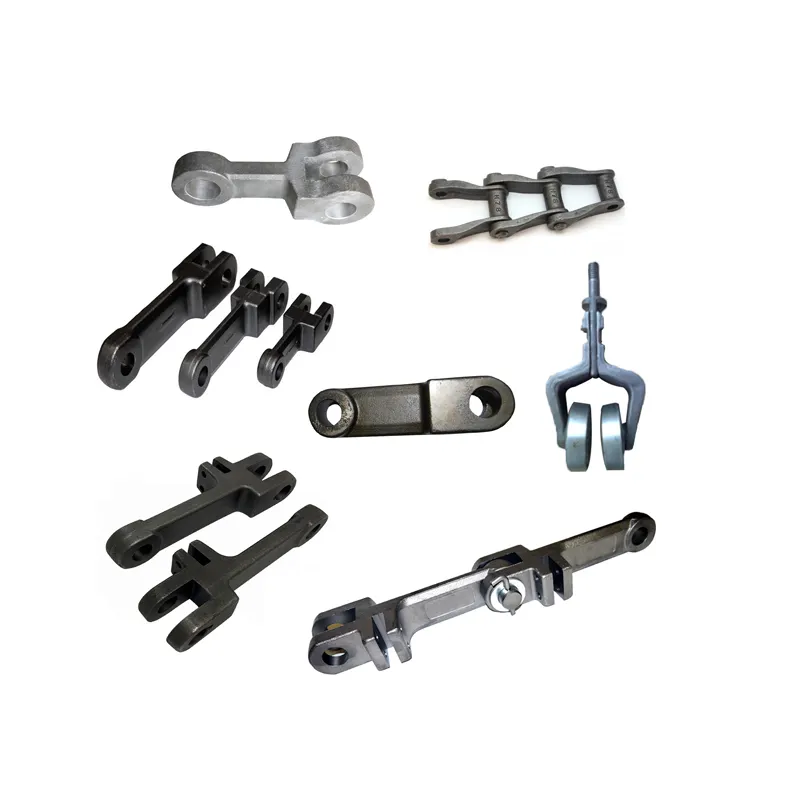
Quais são os benefícios de usar uma corrente de transmissão de alta resistência?
O uso de uma corrente de transmissão de alta resistência oferece diversas vantagens em várias aplicações. Aqui está uma resposta detalhada para a pergunta:
1. Maior capacidade de carga: Uma corrente de transmissão de alta resistência é projetada para suportar cargas maiores e transmitir mais potência. Ela oferece maior capacidade de carga, tornando-a adequada para aplicações que exigem operação pesada.
2. Maior Durabilidade: As correntes de transmissão de alta resistência são fabricadas com materiais de alta qualidade e processos de produção avançados. Isso resulta em durabilidade superior, maior resistência ao desgaste e melhor resistência à fadiga. Garante que a corrente suporte condições operacionais exigentes e tenha uma vida útil prolongada.
3. Segurança Aprimorada: O uso de uma corrente de transmissão de alta resistência aumenta a segurança em aplicações com cargas elevadas ou potencial para forças dinâmicas repentinas. Isso reduz o risco de falha, quebra ou paradas inesperadas da corrente, minimizando as chances de acidentes e garantindo um sistema de transmissão de energia confiável e seguro.
4. Design compacto: Correntes de transmissão de alta resistência oferecem uma relação resistência/tamanho superior, permitindo um design mais compacto e leve em comparação com correntes padrão. Isso pode ser vantajoso em aplicações com espaço limitado ou restrições de peso.
5. Maior Eficiência: Correntes de transmissão de alta resistência geralmente apresentam menores perdas por atrito, resultando em maior eficiência geral do sistema. O atrito reduzido garante a transferência eficiente de energia, minimiza o desperdício de energia e contribui para a redução de custos.
6. Aplicação versátil: Correntes de transmissão de alta resistência podem ser utilizadas em uma ampla gama de indústrias e aplicações, incluindo automotiva, manufatura, mineração, construção civil e muito mais. Sua versatilidade as torna adequadas para diversos sistemas de transmissão de energia.
7. Opções de personalização: Os fabricantes oferecem uma gama de correntes de transmissão de alta resistência com diferentes tamanhos, passos e configurações. Isso permite a personalização com base em requisitos específicos de aplicação, garantindo desempenho e confiabilidade ideais.
Ao considerar o uso de uma corrente de transmissão de alta resistência, é crucial avaliar os requisitos de carga da aplicação, as condições de operação e os fatores ambientais. Consultar um fornecedor ou engenheiro experiente pode ajudar na seleção da corrente mais adequada para a aplicação pretendida.
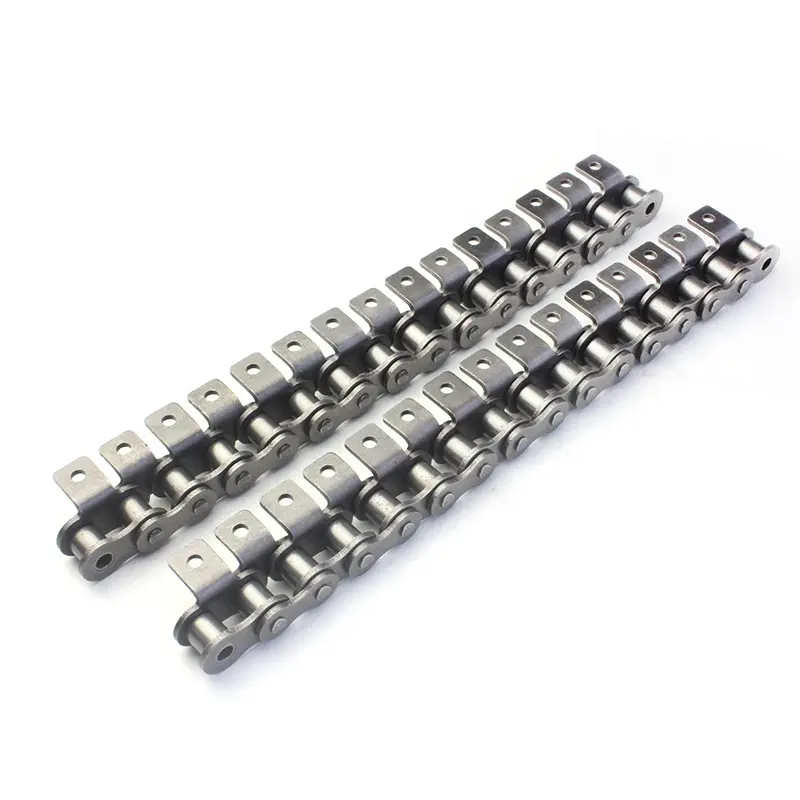
Como escolher a corrente de transmissão correta para uma aplicação específica?
Escolher a corrente de transmissão correta para uma aplicação específica é crucial para garantir desempenho ideal e longa vida útil. Aqui estão os principais fatores a serem considerados na seleção de uma corrente de transmissão:
- Capacidade de carga: Determine a carga máxima que a corrente precisará transmitir. Isso inclui cargas estáticas e dinâmicas. Certifique-se de que a corrente selecionada tenha capacidade de carga suficiente para atender aos requisitos da aplicação.
- Velocidade e RPM: Considere a velocidade de operação e a velocidade de rotação da corrente. Velocidades mais altas podem exigir correntes com maior resistência à fadiga e melhores capacidades de lubrificação.
- Ambiente: Avalie as condições ambientais em que a corrente irá operar. Fatores como temperatura, umidade, poeira, produtos químicos e agentes corrosivos podem afetar o desempenho da corrente. Escolha uma corrente resistente às condições ambientais específicas.
- Alinhamento e tensão: Certifique-se do alinhamento e da tensão corretos da corrente. O desalinhamento e a tensão inadequada podem levar ao desgaste prematuro e à falha. Selecione uma corrente que permita o ajuste adequado e mantenha a tensão ideal durante a operação.
- Manutenção: Considere os requisitos de manutenção da corrente. Algumas correntes podem exigir lubrificação regular, enquanto outras podem ser autolubrificantes ou isentas de manutenção. Avalie os recursos disponíveis e o nível de manutenção desejado para a aplicação.
- Compatibilidade: Assegure-se de que a corrente seja compatível com os demais componentes do sistema de transmissão, como rodas dentadas ou engrenagens. A corrente deve ter o mesmo perfil de dente e passo dos componentes com os quais será utilizada.
- Recomendações do fabricante: Consulte as diretrizes e recomendações do fabricante para selecionar a corrente apropriada para aplicações específicas. Os fabricantes geralmente fornecem especificações detalhadas, tabelas de carga e diretrizes de aplicação para suas correntes.
Ao considerar esses fatores e consultar fabricantes de correntes ou especialistas do setor, você pode escolher a corrente de transmissão adequada que atenda aos requisitos específicos da sua aplicação, garantindo uma operação confiável e eficiente.


Editor por CX 2023-08-29