Descrição do produto
Fotos detalhadas
| Nome do item | Correntes de rolos de transmissão padrão | Modelo | Série A, Série B |
| Linha | Simplex Duplex Triplrex |
Aplicativo | Peças de máquinas |
| Tratamento de Suicídio | neutro/jateado/granulado | Certificação | ISO, ANSI, DIN, BS |
| Embalagem | Embalados em caixas e engradados de madeira, ou embalados em bobinas e depois em paletes. | Porta | Qualquer porto marítimo ou aeroporto na China. |
Contate-nos
| Padrão ou não padrão: | Padrão |
|---|---|
| Aplicativo: | Máquinas têxteis, máquinas para confecção de vestuário, equipamentos de transporte, máquinas de embalagem, carros elétricos, motocicletas, máquinas para a indústria alimentícia, equipamentos de mineração, máquinas agrícolas |
| Tratamento de superfície: | Neutro/Jateado/Polido |
| Material: | Aço carbono |
| Tipo: | Corrente de passo curto |
| Pacote de transporte: | Embalado em caixas e estojos de madeira, ou embalado em |
| Exemplos: |
US$ 3,2/Metro
1 metro (pedido mínimo) | |
|---|
| Personalização: |
Disponível
| Solicitação personalizada |
|---|
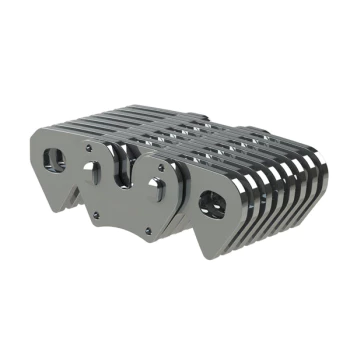
É possível usar uma corrente de transmissão em um sistema de climatização ou ventilação?
Sim, uma corrente de transmissão pode ser usada em sistemas de HVAC (aquecimento, ventilação e ar condicionado) ou de ventilação onde é necessária uma transmissão de potência confiável e eficiente. Aqui está uma explicação detalhada:
Os sistemas de climatização e ventilação utilizam diversos componentes, como ventiladores, sopradores, dampers e venezianas, para controlar o fluxo de ar, a temperatura e a umidade em edifícios residenciais, comerciais e industriais. As correntes de transmissão oferecem diversas vantagens nessas aplicações:
- Transmissão de energia confiável: As correntes de transmissão proporcionam uma transmissão de potência confiável para sistemas de climatização e ventilação. Elas são capazes de transmitir potência por longas distâncias, suportando diversas velocidades e requisitos de torque, e operando em diferentes sentidos de rotação.
- Design de sistema flexível: As correntes de transmissão oferecem flexibilidade no projeto e layout do sistema. Elas podem ser facilmente configuradas para conectar e acionar múltiplos componentes, como ventiladores, motores e dampers, permitindo o controle e ajuste eficientes do fluxo de ar e do desempenho do sistema.
- Controle preciso de velocidade: As correntes de transmissão permitem um controle preciso da velocidade em sistemas de climatização. Utilizando rodas dentadas de diferentes tamanhos ou incorporando variadores de velocidade, a rotação de ventiladores ou sopradores pode ser ajustada para atingir as vazões de ar desejadas e manter as condições ambientais ideais.
- Alta capacidade de carga: Os sistemas de climatização e ventilação frequentemente exigem componentes capazes de lidar com volumes de ar e diferenciais de pressão significativos. As correntes de transmissão são projetadas para suportar cargas elevadas e transmitir potência com eficiência, garantindo o funcionamento confiável de ventiladores, sopradores e outros equipamentos.
- Durabilidade e Longevidade: As correntes de transmissão são projetadas para suportar as condições exigentes dos sistemas de climatização e ventilação. Elas são concebidas para resistir ao desgaste, à corrosão e à fadiga, garantindo durabilidade e longa vida útil mesmo em operações contínuas ou de alta frequência.
- Funcionamento silencioso: As correntes de transmissão, quando devidamente lubrificadas e mantidas, podem operar silenciosamente em sistemas de climatização (HVAC), minimizando os níveis de ruído e vibração. Isso é crucial para manter um ambiente confortável e livre de ruídos em residências, comércios ou instituições.
Ao selecionar uma corrente de transmissão para aplicações de HVAC ou ventilação, fatores como capacidade de carga, requisitos de velocidade, condições ambientais (como temperatura e umidade) e considerações de manutenção devem ser levados em conta.
Inspeções regulares, lubrificação e ajuste de tensão são importantes para garantir o desempenho ideal e a longevidade da corrente de transmissão em sistemas de climatização e ventilação.
Ao utilizar correntes de transmissão em sistemas de climatização e ventilação, os operadores podem beneficiar de uma transmissão de energia confiável, um design de sistema flexível, um controle preciso da velocidade, alta capacidade de carga, durabilidade, longa vida útil e operação silenciosa, contribuindo para um sistema de ar condicionado e ventilação eficiente e eficaz em diversos ambientes prediais.
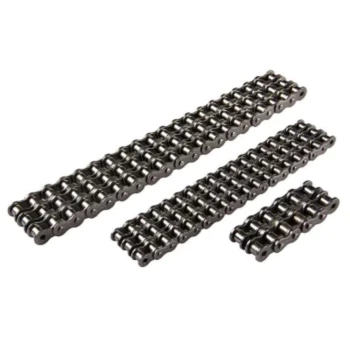
De que forma o peso de uma corrente de transmissão afeta seu desempenho?
O peso de uma corrente de transmissão pode ter algum impacto em seu desempenho, embora geralmente não seja um fator significativo. Aqui está uma explicação detalhada:
O peso de uma corrente de transmissão refere-se à massa da própria corrente. Embora o peso da corrente possa variar dependendo do seu tamanho, tipo e material, normalmente não é um fator crítico na maioria das aplicações. Aqui estão alguns pontos importantes para entender sobre o peso de uma corrente de transmissão:
- Inércia: O peso da corrente de transmissão contribui para sua inércia, que é a resistência às mudanças de movimento. Em aplicações de alta velocidade ou dinâmicas, como robótica ou automação, o peso excessivo da corrente pode aumentar a inércia e potencialmente afetar a capacidade de resposta e a precisão do sistema. No entanto, o peso da corrente geralmente é relativamente pequeno em comparação com outros componentes do sistema, e o impacto no desempenho costuma ser mínimo.
- Tensão e mecanismos de tensionamento: O peso da corrente pode influenciar os requisitos de tensionamento e o projeto dos mecanismos de tensionamento. Correntes mais pesadas podem exigir sistemas de tensionamento mais robustos para manter a tensão adequada e evitar folga na corrente. É essencial considerar o peso da corrente ao projetar e implementar mecanismos de tensionamento para garantir o desempenho ideal.
- Capacidade de carga: O peso da corrente em si não afeta significativamente sua capacidade de carga ou resistência. A capacidade de carga é determinada pelo projeto, material e construção da corrente. A seleção adequada da corrente, com base nos requisitos específicos da aplicação, é essencial para garantir capacidade de carga suficiente.
- Instalação e manuseio: O peso da corrente pode influenciar a facilidade de instalação e manuseio, especialmente em correntes maiores ou mais pesadas. Equipamentos adequados de elevação e manuseio devem ser utilizados para garantir uma instalação segura e evitar lesões.
Em geral, embora o peso de uma corrente de transmissão possa ter alguma influência, ainda que pequena, em seu desempenho em certas aplicações, normalmente não é um fator crítico. Fatores como o projeto da corrente, o material, a lubrificação, a tensão e o alinhamento têm um impacto mais significativo no desempenho e na confiabilidade geral da corrente de transmissão.
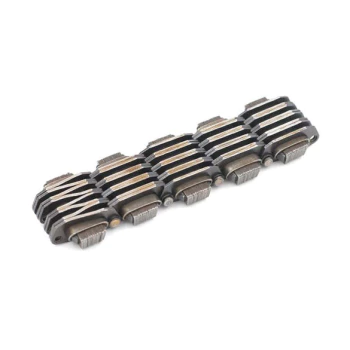
É possível utilizar uma corrente de transmissão em ambientes com altas temperaturas?
Sim, uma corrente de transmissão pode ser usada em ambientes com altas temperaturas, mas é preciso levar em consideração alguns pontos. Aqui está uma explicação:
As correntes de transmissão podem operar em ambientes de alta temperatura, mas a seleção da corrente apropriada e as práticas de manutenção adequadas são cruciais para garantir seu desempenho e longevidade:
- 1. Materiais resistentes ao calor: Ao operar em ambientes de alta temperatura, é importante escolher uma corrente de transmissão feita de materiais resistentes ao calor. Ligas de aço de alta qualidade ou materiais especiais resistentes ao calor podem ser usados para garantir que a corrente suporte as altas temperaturas sem degradação significativa.
- 2. Lubrificação: A lubrificação adequada é essencial para reduzir o atrito e o desgaste, principalmente em ambientes de alta temperatura. É crucial selecionar lubrificantes especificamente desenvolvidos para aplicações em altas temperaturas, que suportem o calor sem se degradarem ou evaporarem muito rapidamente. A lubrificação e a inspeção regulares são necessárias para manter a eficácia do lubrificante.
- 3. Dissipação de calor: Garantir a dissipação adequada de calor é importante para evitar o superaquecimento da corrente. Se necessário, devem ser implementadas medidas adequadas de ventilação ou refrigeração para manter a corrente operando dentro de uma faixa de temperatura segura.
- 4. Manutenção: Inspeções e manutenções regulares são cruciais em ambientes de alta temperatura. Devem ser realizadas verificações periódicas para detectar sinais de desgaste, alongamento ou danos. O ajuste correto da tensão e o alinhamento devem ser mantidos para evitar estresse e desgaste excessivos na corrente.
- 5. Condições de funcionamento: Considere outros fatores associados a ambientes de alta temperatura, como a exposição a produtos químicos, contaminantes ou flutuações extremas de temperatura. Esses fatores podem afetar o desempenho e a vida útil da cadeia, e medidas adicionais podem ser necessárias para garantir a operação ideal.
É importante consultar as diretrizes e especificações do fabricante para garantir que a corrente de transmissão selecionada seja adequada para o ambiente específico de alta temperatura. Ao selecionar a corrente apropriada e implementar práticas de manutenção adequadas, uma corrente de transmissão pode operar eficazmente em ambientes de alta temperatura, mantendo o desempenho e a durabilidade.


Editor por CX 2023-11-20