製品説明
製品説明
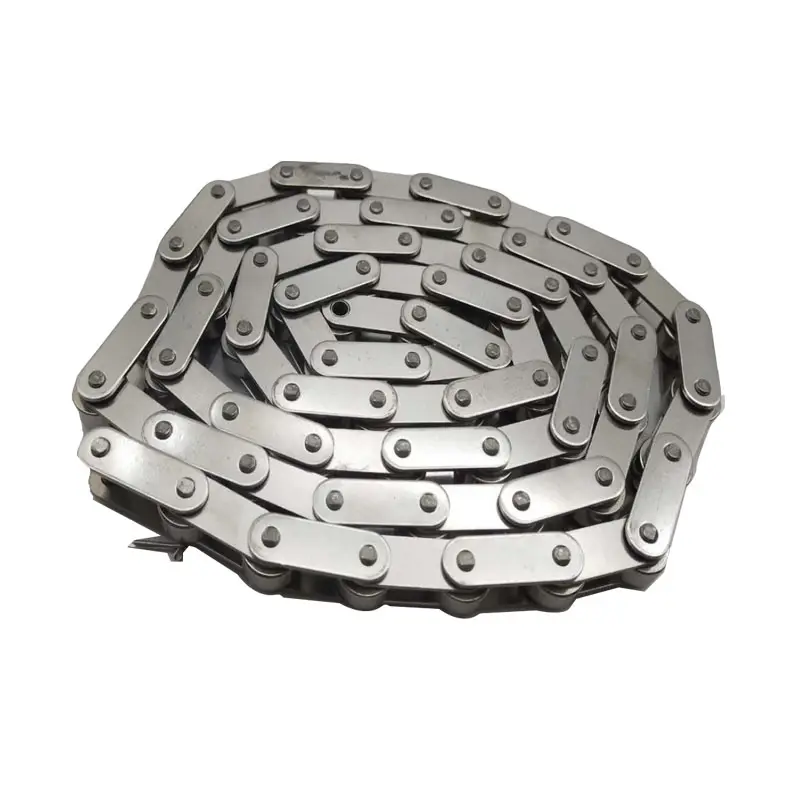
図面に従って、ピッチP=100、125、150、152.4、160、200mmのプレートコンベヤチェーンを取り付けます。
ローラーの種類は、小型ローラー(Sタイプ)、大型ローラー(Pタイプ)、凸型エッジローラー(Fタイプ)があります。
ローラーの直径は36、42、50、60、70、85、100、120mmなどです。
チェーンプレートは、片面水平CHINAMFGプレート、片面曲げ耳付きダブルホールタイプA2、両面曲げタイプK2をご用意しております。チェーンプレートの厚さは4、5、6、7、8、10、12mmです。チェーンプレートの幅は25、30、35、40、50、60、70mmなどです。
ピンの直径は10、12、15、18、21、25mmなどです。
Mシリーズのメートル法コンベヤチェーンは、M56、M80、M112、M160、M224、M315の各モデルでご利用いただけます。
M315の寸法は、規格GB8350-87に準拠しています。
スプロケットと組み合わせることもできます。
製品属性
| 製品名 | コンベアチェーン |
| 入手可能な材料 | 炭素鋼、合金鋼、ステンレス鋼 |
| お客様のご要望に応じたOEMカスタマイズ | |
| 表面処理 | ショットピーニング、亜鉛メッキ、ニッケルメッキ、陽極酸化処理など。 |
| パフォーマンス | 耐高温性、耐摩耗性 |
| 参照標準 | ISO、DIN、ANSL |
| カスタマイズされた図面 | はい |
| 証明書 | ISO9001:2008 SGS認証取得済みテレビ |
| 納期 | サンプル作成には20日、正式注文には45日かかります。 |
| パッケージ | ビニール袋+段ボール箱+木製 |
製品パラメータ
当社の強み
会社の強み:
自社で輸出入ライセンスを保有し、テレビの商標は多くの国で登録に成功しており、販売ネットワークは中国全土に広がり、製品は5大陸65カ国に輸出されています。
会員資格:
1. 中国総合機械部品工業協会の会員。
2. 中国チェーン伝動協会の会員。
3. 中国チェーン標準化協会の会員。
4. 中国農業機械製造業者協会の会員。
優秀な訓練を受けたスタッフと従業員、先進的で効率的な設備、充実した販売ネットワーク、厳格な品質保証システムにより、当社の高品質なサプライチェーンは、お客様のあらゆる仕様と最も厳しい品質基準を満たすことができると確信しております。
TransVision製品が、非常に競争力のある価格で貴社の業界ニーズにどのように応えられるかについて、さらに詳しい情報をご希望の場合は、お気軽にお問い合わせください。
品質第一、顧客最優先。
製品カテゴリ
当社を選ぶ理由
包括的な製品ポートフォリオ 当社は幅広い動力伝達機器を製造・供給しています
ドライブチェーン、リーフチェーン、コンベヤチェーン、農業用チェーン、スプロケットなどの製品、
カップリング。このワンストップショッピング体験は、検索コストを大幅に削減し、
ワンクリックで欲しいものが見つかることを保証します。
バリューチョイス製品 当社の製品は品質と価格の最高の組み合わせであり、
予算内で欲しいもの
経験豊富な営業担当者とエンジニア 当社には15名の経験豊富な営業担当者と5名のエンジニアがいます。
いつでもお手伝いが必要な時に、当社のチームが対応いたします。業界に関する十分な訓練を受けています。
すぐにご連絡いただければ、お客様のご要望には常に24時間以内に対応いたします。
100% 顧客維持率 海外からの常連客が戻ってくるのは、単に私たちの
高品質な製品はもちろんのこと、長年にわたって提供してきた優れたサービスこそが、私たちの強みです。
よくある質問
Q1:平均リードタイムはどれくらいですか?
A:状況によります。通常、納期は1~2ヶ月です。お急ぎのご注文には速達便もご用意しております。詳細は営業担当者までお問い合わせください。
Q2:同じ品質であれば、御社の価格は競合他社よりも優れていますか?
A:もちろんです。当社は送電業界で最も競争力のある価格を提供しています。もし価格差がある場合は、喜んで価格を合わせさせていただきます。
Q3:私のCAD図面に基づいてチェーンを製作できますか?
A:はい。通常の標準チェーンに加え、特定の技術要件を満たすための非標準品や特注品も製造しています。実際、当社の生産能力のかなりの部分が非標準品の製造に充てられています。
Q4:出荷前に商品を検査することはできますか?
A:はい。お客様ご自身、またはお客様の代理人、もしくは指定された第三者検査機関は、当社の施設に立ち入り、検査を行うことができます。
Q5:御社ではどのような支払い方法が受け入れられますか?
A:柔軟に対応いたします。T/T、L/C、その他お客様にとって適用可能なオンライン決済方法であれば、何でもお受けいたします。
Q6:他に質問がある場合はどうすればよいですか?
A:ご不明な点がございましたら、いつでもお気軽に弊社の販売担当者にご相談ください。お客様にご満足いただけるよう、全力でサポートいたします。
| 材料: | 合金 |
|---|---|
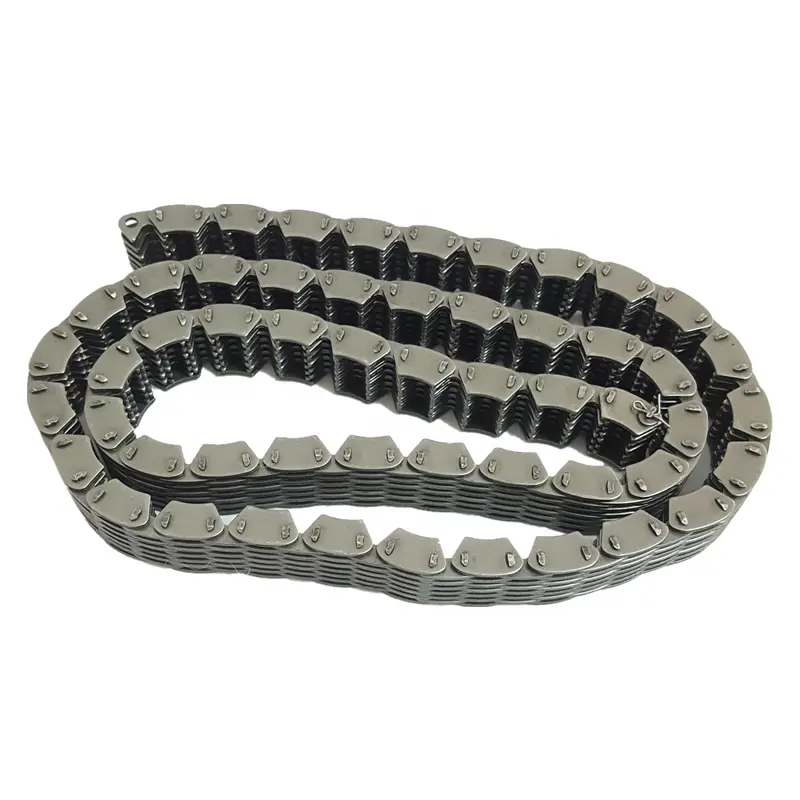
| 構造: | 中空チェーン |
| 表面処理: | 電気めっき |
| カスタマイズ: |
利用可能
| カスタマイズされたリクエスト |
|---|
.shipping-cost-tm .tm-status-off{background: none;padding:0;color: #1470cc}
|
送料:
単位当たりの推定運賃。 |
送料と配達予定日について。 |
|---|
| 支払方法: |
|
|---|---|
|
初回支払い 全額支払い |
| 通貨: | US$ |
|---|
| 返品・返金: | 商品到着後30日以内であれば、返金を申請できます。 |
|---|
伝動チェーンはマテリアルハンドリングシステムに使用できますか?
はい、伝動チェーンはマテリアルハンドリングシステムで使用できます。以下に、その質問に対する詳細な回答を示します。
マテリアルハンドリングシステムとは、製造施設や流通施設内における資材や製品の移動、保管、管理、保護を行うシステムです。これらのシステムでは、コンベア、リフター、ホイスト、その他マテリアルハンドリング作業で使用される機器を動かすために、信頼性が高く効率的な動力伝達が不可欠です。
伝動チェーンは、マテリアルハンドリング用途においていくつかの利点を提供する。
1. 高い耐荷重性:伝動チェーンは、重荷重に対応し、堅牢な動力伝達能力を発揮するように設計されています。高トルクを伝達できるため、マテリアルハンドリングシステムにおける重量物の昇降や移動に適しています。
2.耐久性:伝動チェーンは高品質の素材を使用し、厳格な製造工程を経て製造されているため、耐久性と長寿命が保証されています。連続運転や様々な負荷・環境への曝露など、マテリアルハンドリングシステムで一般的に見られる厳しい運転条件に耐えられるように設計されています。
3.汎用性:伝動チェーンは、さまざまな資材搬送用途に対応できるよう、サイズ、構成、材質が幅広く用意されています。また、耐荷重、速度、環境条件などの特定の要件に合わせてカスタマイズすることも可能です。
4.精度と効率:伝動チェーンは、正確かつ効率的な動力伝達を実現し、材料のスムーズで信頼性の高い移動を可能にします。バックラッシュが最小限に抑えられ、正確な位置決めが可能となるため、システム内での材料の精密な取り扱いが保証されます。
5.適応性:伝動チェーンは、さまざまな種類のマテリアルハンドリング機器やシステムに容易に組み込むことができます。コンベアシステム、天井クレーン、スタッカー、パレタイザーなど、マテリアルハンドリング作業で一般的に使用される多くの用途に利用できます。
6.メンテナンスと整備性:伝動チェーンは、メンテナンスと交換が容易になるように設計されています。定期的な潤滑と点検を行うことで、最適な性能を確保し、チェーンの寿命を延ばすことができます。必要に応じて、摩耗または損傷した部品を交換することで、ダウンタイムとメンテナンスコストを最小限に抑えることができます。
資材搬送システムの具体的な要件に基づいて、適切な種類とサイズの伝動チェーンを選択することが重要です。考慮すべき要素には、耐荷重、動作速度、環境条件、およびメンテナンスに関する事項が含まれます。専門家やメーカーに相談することで、信頼性が高く効率的な資材搬送作業に最適な伝動チェーンを決定するのに役立ちます。

潤滑方法の選択は、伝動チェーンの性能にどのような影響を与えるのでしょうか?
潤滑方法の選択は、伝動チェーンの性能と寿命に極めて重要な役割を果たします。以下に、その質問に対する詳細な回答を示します。
1. 摩擦と摩耗の低減:適切な潤滑により、伝動チェーンの可動部品間に薄い潤滑油膜が形成され、摩擦が低減され、摩耗が最小限に抑えられます。これにより、金属同士の接触を防ぎ、表面の損傷を軽減することで、ピン、ローラー、ブッシュなどのチェーン部品の健全性を維持するのに役立ちます。
2.放熱:潤滑は、伝動チェーンの動作中に発生する熱を放散するのに役立ちます。潤滑剤は摩擦を低減し、冷却効果をもたらすことで、チェーンの早期摩耗、変形、または破損につながる過熱を防ぎます。
3.腐食防止:潤滑油には、伝動チェーンの腐食を防ぐ添加剤が含まれていることがよくあります。これらの添加剤は、水分、化学物質、その他の腐食性物質に対する保護バリアを形成し、錆の発生を防ぎ、腐食環境下でもチェーンの性能を維持します。
4.騒音低減:適切な潤滑は、伝動チェーンの動きによって発生する騒音を低減します。潤滑油は接触面間のクッションとして機能し、振動を減衰させ、運転中に発生する騒音レベルを最小限に抑えます。これにより、チェーンの動作がより静かでスムーズになります。
5. 寿命の延長:適切な潤滑は、伝動チェーンの寿命を延ばすのに役立ちます。潤滑によって摩擦、摩耗、および異物の蓄積が軽減されるため、チェーン部品にかかるストレスが最小限に抑えられ、耐久性が向上し、早期故障の可能性が低減されます。
6.運転効率:潤滑油が十分に行き届いた伝動チェーンは、より高い効率で動作します。摩擦が低減されることで、チェーンの動力損失が少なくなり、より効率的な動力伝達が可能になります。これにより、システム全体の効率が向上し、エネルギー消費量が削減され、運転コストも低減されます。
7.汚染防止:潤滑油はバリアとして機能し、ほこり、汚れ、破片などの汚染物質がチェーンの部品に侵入するのを防ぎます。これにより、チェーンの清潔さが維持され、摩耗のリスクが軽減され、部品の完全性が保たれます。
伝動チェーンの潤滑方法を選定する際には、温度、速度、負荷、環境などの具体的な運転条件を考慮することが重要です。最適な潤滑性能を確保するためには、潤滑油の粘度、使用温度範囲、チェーン材質との適合性といった要素も考慮する必要があります。
伝動チェーンに関する業界標準や認証制度はありますか?
はい、伝動チェーンの製造、品質、性能を規定する業界標準と認証制度が存在します。以下に詳細な説明を示します。
1. ANSI/ASME規格:米国規格協会(ANSI)と米国機械学会(ASME)は、伝動チェーンに関する規格を策定しており、例えばローラーチェーンについてはANSI/ASME B29.1、ピントルチェーンについてはANSI/ASME B29.3などがあります。これらの規格は、様々な種類の伝動チェーンの寸法、材質、公差、および性能要件を規定しています。
2. ISO規格:国際標準化機構(ISO)は、伝動チェーンに関する規格も定めており、短ピッチ精密ローラーチェーン用のISO 606や、短ピッチコンベヤチェーン用のISO 1275などが含まれます。これらの規格は、チェーンの寸法と性能に関して、世界的な一貫性と互換性を保証します。
3. DIN規格:ドイツでは、ドイツ規格協会(DIN)が伝動チェーンに関する規格を策定しており、例えばローラーチェーン用のDIN 8187やブッシュチェーン用のDIN 8181などがあります。これらの規格はヨーロッパで広く使用されており、チェーンの設計と性能に関する仕様と要件を定めています。
4. 認証:規格に加えて、伝動チェーンの品質と性能を証明する認証制度があります。特筆すべき認証の一つにISO 9001:2015があり、これは製造業者が品質管理システムを導入し、一貫した製品品質に関する規定基準を満たしていることを証明します。
これらの規格および認証への準拠は任意ですが、強く推奨されます。認められた規格および認証に準拠した伝動チェーンを選択することで、性能、信頼性、耐久性に関する特定の基準を満たすように製造およびテストされていることが保証されます。
伝動チェーンを選定する際は、品質と業界標準への準拠を最優先する評判の良いメーカーの製品を選ぶことをお勧めします。そうすることで、選択したチェーンが用途に必要な要件を満たし、長期間にわたって信頼性の高い性能を発揮することが保証されます。


編集者:CX 2023-11-02