Descrizione del prodotto
|
Prodotto |
Catena a rulli a doppio passo standard |
||
|
Materiale |
Acciaio 40Mn, acciaio inossidabile 304, acciaio inossidabile 316 e acciaio inossidabile 201. |
||
|
Dimensioni |
Catene standard e catene speciali, come catene serie A o B, catene a rulli, catene di trasmissione, catene per nastri trasportatori, catene di sollevamento, catene agricole, pignoni, ingranaggi, ruote e così via. |
||
|
Serie |
Serie A (passi da 12,7 a 50,8 mm), serie B (passi da 9,525 a 50,8 mm) e serie pesante. |
||
|
catena a rulli di precisione a passo corto |
Catene a rulli simplex e catene con boccole: 04C-1,06C-1,085-1,08A-1,10A-1,12A-1,16A-1,20A-1,24A-1,28A-1,32A-1,36A-1,40A-1,48A-1 04C-2,06C-2,085-2,08A-2,10A-2,12A-2,16A-2,20A-2,24A-2,28A-2,32A-2,36A-2,40A-2,48A-2 04C-3,06C-2,085-3,08A-3,10A-3,12A-3,16A-3,20A-3,24A-3,28A-3,32A-3,36A-3,40A-3,48A-3 |
||
|
Tipo di maglia a catena |
Collegamenti standard (senza allegato) e collegamenti non standard (con allegato).
A1: Accessori a manovella con un solo foro e un solo lato. |
||
|
Il vantaggio dei nostri prodotti |
1. Ogni fase, dall'ordine di produzione al processo di imballaggio, è soggetta a un rigoroso controllo di qualità. |
||
1. Consegna rapida: i prodotti standard possono essere consegnati in soli 20 giorni.
2. Buon servizio: risposta tempestiva, preventivo rapido, responsabilità per il prodotto
3. Elevato rapporto qualità-prezzo: può mantenere la stabilità dei prezzi per un certo periodo di tempo, garantendo maggiori profitti ai clienti.
4. Buona qualità: la produzione e i test sono sottoposti a una supervisione adeguata per garantire la qualità del prodotto e ottenere grandi apprezzamenti dai clienti.
5. Servizio OEM: i prodotti possono essere personalizzati in base a disegni e requisiti.
Ci assumiamo la responsabilità dei prodotti ordinati. Siamo molto fiduciosi nella qualità dei prodotti che realizziamo. Naturalmente, qualora riscontraste problemi dopo aver ricevuto la merce, potete contattarci direttamente. Ci impegneremo a verificare e a trovare una soluzione tempestiva alle vostre difficoltà.
/* 22 gennaio 2571 19:08:37 */!function(){function s(e,r){var a,o={};try{e&&e.split(“,”).forEach(function(e,t){e&&(a=e.match(/(.*?):(.*)$/))&&1
| Standard o non standard: | Standard |
|---|---|
| Applicazione: | Macchinari tessili, macchinari per l'industria dell'abbigliamento, nastri trasportatori, macchinari per l'imballaggio, macchinari per l'industria alimentare, settore navale, macchinari per l'industria mineraria, macchinari agricoli |
| Trattamento superficiale: | Fioritura oleosa |
| Struttura: | Catena a rulli |
| Materiale: | acciaio al carbonio |
| Tipo: | Catena di Bush |
| Esempi: |
US$ 35/kg
1 kg (ordine minimo) | |
|---|
| Personalizzazione: |
Disponibile
| Richiesta personalizzata |
|---|
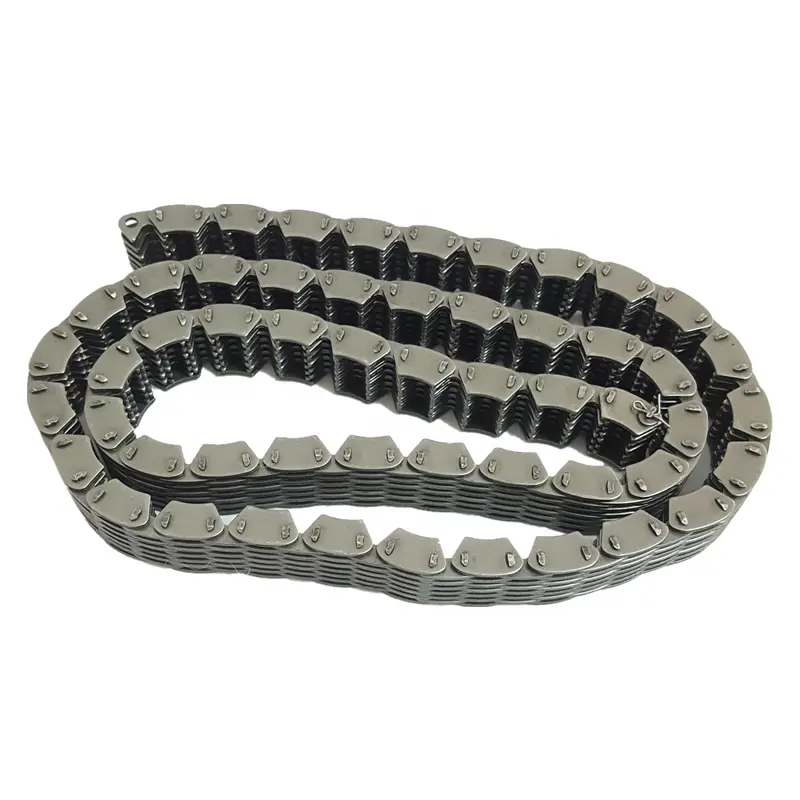
Le catene di trasmissione possono essere utilizzate in applicazioni marine o offshore?
Sì, le catene di trasmissione possono essere utilizzate in applicazioni marine o offshore. Ecco una risposta dettagliata alla domanda:
1. Resistenza alla corrosione: Le catene di trasmissione utilizzate in applicazioni marine o offshore sono generalmente realizzate con materiali che offrono un'elevata resistenza alla corrosione, come l'acciaio inossidabile o catene con rivestimenti speciali. Queste catene sono progettate per resistere agli effetti corrosivi dell'acqua salata, dell'umidità e di altre condizioni ambientali difficili.
2. Tenuta e protezione: negli ambienti marini o offshore, le catene di trasmissione sono spesso dotate di ulteriori dispositivi di tenuta e protezione. Questi possono includere guarnizioni, coperture o rivestimenti speciali che forniscono un ulteriore strato di difesa contro acqua, detriti e contaminanti.
3. Elevata capacità di carico: le applicazioni marine e offshore spesso comportano operazioni gravose, come il sollevamento o il traino di carichi pesanti. Le catene di trasmissione utilizzate in queste applicazioni sono progettate per gestire carichi elevati e garantire una trasmissione di potenza affidabile.
4. Resistenza a condizioni estreme: gli ambienti marini e offshore possono essere difficili, con fattori come elevata umidità, temperature estreme ed esposizione ad acqua salata e sostanze abrasive. Le catene di trasmissione per queste applicazioni sono progettate per resistere a queste condizioni estreme e mantenere prestazioni e durata nel tempo.
5. Conformità agli standard di settore: Le catene di trasmissione utilizzate in applicazioni marine o offshore potrebbero dover soddisfare specifici standard e regolamenti di settore. Tali standard garantiscono che le catene siano adatte alle condizioni impegnative e ai requisiti di sicurezza dei settori marittimo e offshore.
È importante selezionare catene di trasmissione progettate specificamente per applicazioni marine o offshore, al fine di garantire prestazioni affidabili e durature. Consultare esperti del settore e seguire le linee guida del produttore per l'installazione, la manutenzione e l'ispezione è fondamentale per massimizzare l'efficacia e la durata delle catene di trasmissione in questi ambienti.

Le catene di trasmissione possono essere utilizzate in applicazioni automobilistiche o motociclistiche?
Le catene di trasmissione possono effettivamente essere utilizzate in applicazioni automobilistiche e motociclistiche. Ecco una risposta dettagliata alla domanda:
Le applicazioni automobilistiche e motociclistiche spesso richiedono una trasmissione di potenza affidabile ed efficiente per trasferire la coppia dal motore alle ruote. Le catene di trasmissione offrono diversi vantaggi che le rendono adatte a queste applicazioni:
1. Elevata resistenza: le catene di trasmissione sono progettate per gestire coppie e potenze elevate, risultando adatte alle condizioni impegnative dei sistemi di trasmissione di potenza di automobili e motociclette.
2. Trasferimento di potenza efficiente: le catene di trasmissione forniscono un mezzo diretto ed efficiente per trasferire la potenza dal motore alle ruote. Presentano basse perdite di energia dovute all'attrito, consentendo una trasmissione di potenza efficace e prestazioni ottimali.
3. Design compatto: le catene di trasmissione hanno un design compatto, che le rende adatte allo spazio limitato disponibile nelle applicazioni automobilistiche e motociclistiche. Possono essere facilmente integrate nel sistema di trasmissione senza occupare spazio eccessivo.
4. Ampio intervallo di velocità: le catene di trasmissione possono funzionare efficacemente in un ampio intervallo di velocità, adattandosi alle diverse esigenze di velocità delle applicazioni automobilistiche e motociclistiche.
5. Versatilità: Le catene di trasmissione possono essere utilizzate in vari tipi di trasmissioni per auto e moto, comprese le trasmissioni manuali, le trasmissioni automatiche e i sistemi di trasmissione finale.
6. Durata: Le catene di trasmissione sono costruite per resistere alle condizioni estreme delle applicazioni automobilistiche e motociclistiche. Sono progettate per resistere all'usura, alla fatica e alla corrosione, garantendo prestazioni e affidabilità di lunga durata.
7. Convenienti: Le catene di trasmissione offrono una soluzione economica per la trasmissione di potenza in applicazioni automobilistiche e motociclistiche. Sono generalmente più convenienti rispetto ai sistemi di trasmissione alternativi.
È importante sottolineare che, nella scelta di una catena di trasmissione, è necessario tenere conto del design e dei requisiti specifici del sistema di trasmissione dell'auto o della moto. Una corretta manutenzione, lubrificazione e ispezioni periodiche sono inoltre fondamentali per garantire le prestazioni e la durata della catena in queste applicazioni.
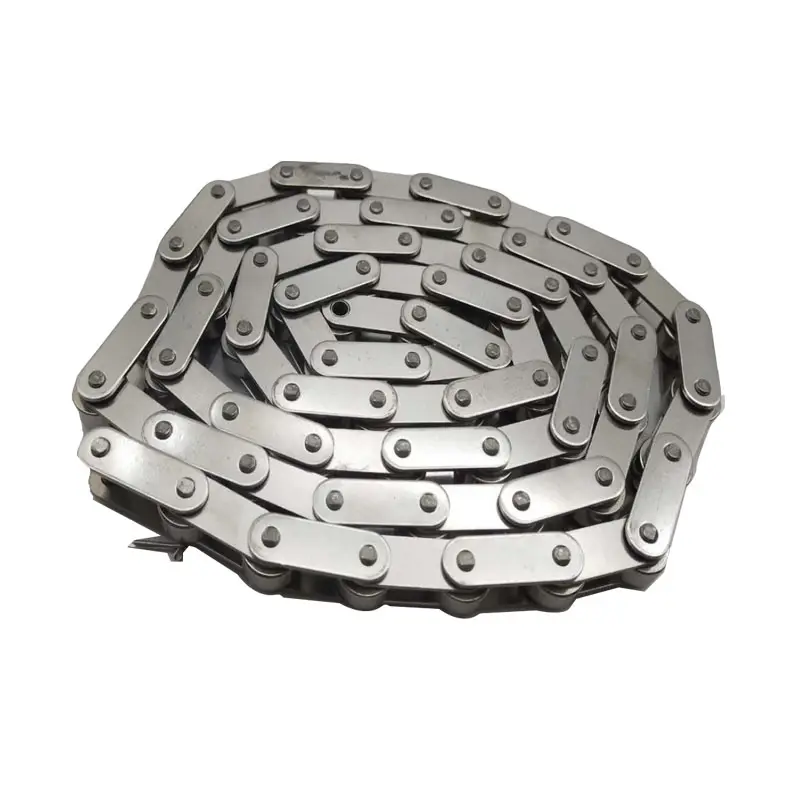
In che cosa si differenziano le catene a rulli dagli altri tipi di catene di trasmissione?
Le catene a rulli, note anche come catene a maglie a rulli, sono un tipo di catena di trasmissione comunemente utilizzata che si distingue dalle altre catene per diversi aspetti:
- Progettazione: Le catene a rulli sono composte da piastre interne ed esterne, perni, boccole e rulli. I rulli, liberi di ruotare, contribuiscono a ridurre l'attrito e l'usura, garantendo una trasmissione di potenza più fluida ed efficiente.
- Ampia applicazione: le catene a rulli sono versatili e ampiamente utilizzate in diversi settori, tra cui quello automobilistico, dei macchinari industriali, delle attrezzature agricole e dei sistemi di trasporto.
- Elevata capacità di carico: le catene a rulli sono progettate per resistere a carichi elevati e offrono un'eccellente resistenza alla trazione, risultando adatte ad applicazioni che richiedono prestazioni gravose.
- Efficienza: Le catene a rulli sono note per la loro elevata efficienza nella trasmissione di potenza. Il design a rulli riduce al minimo l'attrito, con conseguente minore perdita di energia e maggiore efficienza complessiva.
- Convenienza economica: le catene a rulli sono relativamente economiche rispetto ad altre catene di trasmissione specializzate, il che le rende una scelta popolare in molte applicazioni.
Sebbene le catene a rulli presentino dei vantaggi, è importante notare che diversi tipi di catene di trasmissione possono essere più adatti ad applicazioni specifiche. Fattori come la capacità di carico, la velocità, il livello di rumorosità e le condizioni ambientali devono essere presi in considerazione nella scelta della catena di trasmissione più appropriata per una particolare applicazione.


Modificato da CX il 06/05/2024