Descrizione del prodotto
Descrizione del prodotto
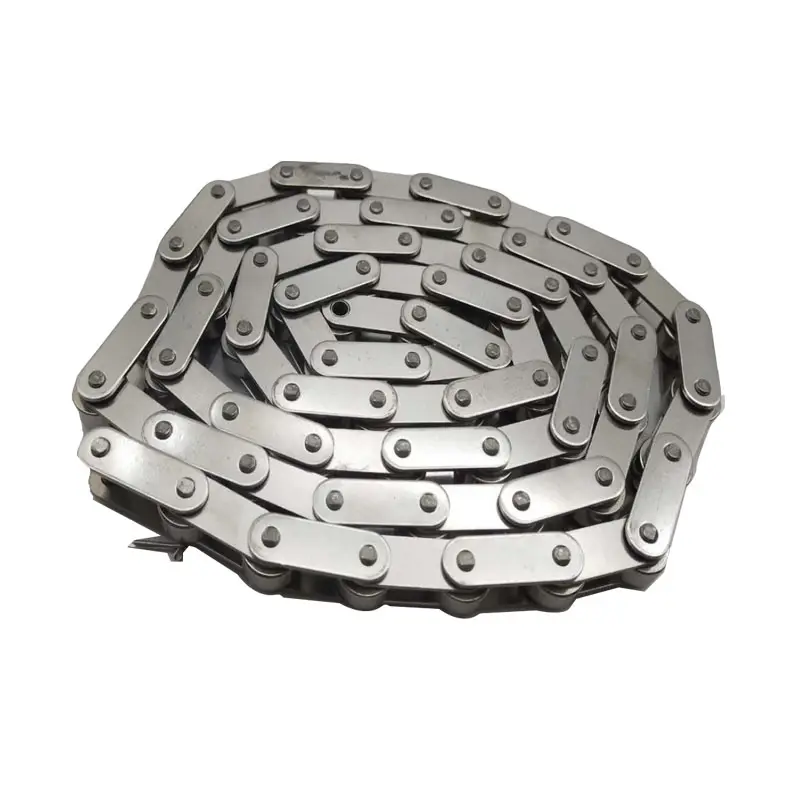
Passo P=100, 125, 150, 152,4, 160, 200 mm con catena portapiastre annessa secondo disegno
Sono disponibili i seguenti rulli: rullo piccolo (tipo S), rullo grande (tipo P), rullo con bordo convesso (tipo F)
I diametri dei rulli sono 36, 42, 50, 60, 70, 85, 100, 120 mm ecc.
Sono disponibili piastre per catene: piastra orizzontale CZPT su un lato, piastra piegata su un lato con alette e doppi fori tipo A2, piastra piegata su entrambi i lati tipo K2. Lo spessore della piastra per catene è di 4, 5, 6, 7, 8, 10, 12 mm. La larghezza della piastra per catene è di 25, 30, 35, 40, 50, 60, 70 mm, ecc.
I diametri dei perni sono 10, 12, 15, 18, 21, 25 mm, ecc.
Le catene portacavi metriche della serie M sono disponibili nei seguenti modelli: M56, M80, M112, M160, M224, M315.
M315, le dimensioni sono conformi allo standard GB8350-87.
E può essere abbinato a pignoni.
Attributo del prodotto
| Nome del prodotto | catene di trasporto |
| Materiali disponibili | acciaio al carbonio, acciaio legato, acciaio inossidabile |
| Personalizzazione OEM in base alle vostre esigenze | |
| Trattamento superficiale | Pallinatura, zincatura, nichelatura, anodizzazione, ecc. |
| Prestazione | Resistente alle alte temperature, resistente all'abrasione. |
| Standard di riferimento | ISO, DIN, ANSL |
| Disegni personalizzati | SÌ |
| Certificati | TV a marchio ISO9001:2008 SGS |
| Tempi di consegna | 20 giorni per i campioni. 45 giorni per l'ordine ufficiale. |
| Confezione | Sacchetto di plastica + scatola di cartone + legno |
Parametri del prodotto
I nostri vantaggi
Vantaggi dell'azienda:
Possiede una propria licenza di importazione ed esportazione, il marchio televisivo è registrato con successo in molti paesi, la rete di vendita è diffusa in tutta la Cina e i prodotti vengono esportati in 65 paesi di 5 continenti.
Iscrizione:
1. Membro dell'Associazione cinese dell'industria generale dei componenti meccanici.
2. Membro dell'Associazione cinese per la trasmissione a catena.
3. Membro dell'Associazione cinese per la standardizzazione della catena di approvvigionamento.
4. Membro dell'Associazione cinese dei produttori di macchinari agricoli.
Grazie al nostro personale altamente qualificato, alle attrezzature avanzate ed efficienti, alla capillare rete di vendita e ai rigorosi sistemi di controllo qualità, potete essere certi che la nostra catena di fornitura di alta qualità soddisferà tutte le specifiche dei clienti e i più severi standard qualitativi.
Non esitate a contattarci per ulteriori informazioni su come i prodotti TransVision possono soddisfare le esigenze del vostro settore a prezzi altamente competitivi.
La qualità prima di tutto, i clienti al primo posto.
Categorie di prodotto
PERCHÉ SCEGLIERE NOI
Portafoglio prodotti completo Produciamo e forniamo una vasta gamma di sistemi di trasmissione di potenza
prodotti tra cui catene di trasmissione, catene a foglia, catene per nastri trasportatori, catene agricole, pignoni e
accoppiamenti. Questa esperienza di acquisto in un unico negozio per tutto ridurrà significativamente i costi di ricerca mentre
Ti garantiamo che troverai quello che cerchi con un solo clic.
Prodotti Value Choice I nostri prodotti sono la migliore combinazione di qualità e prezzo, e otterrai ciò che desideri
che desideri rientrare nel tuo budget
Venditori e ingegneri esperti: disponiamo di 15 venditori esperti e 5 ingegneri;
Il nostro team è a tua disposizione ogni volta che hai bisogno di aiuto. Sono ben addestrati nel settore.
Know-Now risponderà sempre alle vostre richieste entro 24 ore.
Tasso di fidelizzazione dei clienti 100% I nostri clienti abituali dall'estero tornano non solo per i nostri
Prodotti di qualità superiore, ma soprattutto servizi eccellenti che abbiamo offerto nel corso degli anni.
FAQ
D1: Qual è il vostro tempo medio di consegna?
R: Varia. I nostri tempi di consegna standard, dall'inizio alla fine, sono di 1-2 mesi. Offriamo anche spedizioni espresse per ordini urgenti. Per maggiori dettagli, si prega di contattare il nostro addetto alle vendite.
D2: Il vostro prezzo è migliore di quello dei vostri concorrenti a parità di qualità?
A: Assolutamente SÌ. Offriamo il prezzo più competitivo nel settore della trasmissione di potenza. Se si riscontra una differenza di prezzo, saremo lieti di adeguarci.
D3: Potete realizzare catene in base ai miei disegni CAD?
A: Sì. Oltre alle catene standard, produciamo anche prodotti non standard e su misura per soddisfare esigenze tecniche specifiche. In realtà, una parte considerevole della nostra capacità produttiva è destinata alla realizzazione di prodotti non standard.
D4: Possiamo ispezionare la merce prima della spedizione?
A: Sì. Lei, un suo rappresentante o qualsiasi ente di ispezione terzo incaricato è autorizzato ad accedere alla nostra struttura ed effettuare l'ispezione.
D5: Quali metodi di pagamento sono accettati dal vostro stabilimento?
A: Siamo flessibili. Accettiamo bonifico bancario (T/T), lettera di credito (L/C) o qualsiasi altro metodo di pagamento online, purché sia adatto alle vostre esigenze.
D6: Cosa succede se ho altre domande?
A: In caso di dubbi, non esitate a consultare il nostro addetto alle vendite in qualsiasi momento: sarà lieto di aiutarvi.
|
Costo di spedizione:
Costo stimato per unità. |
Da negoziare |
|---|
| Materiale: | Lega |
|---|---|
| Struttura: | catena cava |
| Trattamento superficiale: | Galvanostegia |
| Personalizzazione: |
Disponibile
| Richiesta personalizzata |
|---|

È possibile utilizzare catene di trasmissione in camere bianche o in ambienti di lavorazione alimentare?
Sì, le catene di trasmissione possono essere utilizzate in camere bianche o in ambienti di lavorazione alimentare, ma è necessario tenere conto di alcune considerazioni per garantire la conformità agli standard di igiene e pulizia. Ecco una risposta dettagliata alla domanda:
Negli ambienti a camera bianca o di lavorazione alimentare, il mantenimento di un'igiene rigorosa e la prevenzione della contaminazione sono fondamentali. Le catene di trasmissione utilizzate in tali ambienti devono soddisfare requisiti specifici per garantire operazioni sicure e igieniche. Ecco alcuni aspetti chiave da considerare:
1. Selezione dei materiali: Le catene di trasmissione utilizzate in camere bianche o in ambienti di lavorazione alimentare devono essere realizzate con materiali resistenti alla corrosione, agli agenti chimici e ai residui alimentari. Le catene in acciaio inossidabile sono generalmente preferite grazie alla loro eccellente resistenza alla corrosione e alle proprietà igieniche.
2. Progettazione: La progettazione della catena di trasmissione dovrebbe ridurre al minimo fessure, spazi morti e altre aree in cui possono accumularsi contaminanti. Sono preferibili superfici lisce e bordi arrotondati per facilitare la pulizia e prevenire l'accumulo di detriti.
3. Lubrificazione: Negli ambienti a camera bianca o di lavorazione alimentare, è essenziale utilizzare lubrificanti per uso alimentare o catene autolubrificanti che non contaminino i prodotti o l'ambiente circostante. Questi lubrificanti devono essere adatti al contatto accidentale con gli alimenti e soddisfare le norme di sicurezza alimentare pertinenti.
4. Pulizia e manutenzione: È necessario stabilire procedure di pulizia e manutenzione regolari per mantenere le catene di trasmissione pulite e prive di contaminanti. Ciò può comportare l'utilizzo di detergenti approvati e il rispetto di protocolli di pulizia appropriati per garantire la rimozione efficace di eventuali residui o contaminanti.
5. Conformità alle normative: Gli ambienti di camera bianca e di trasformazione alimentare sono soggetti a normative e standard specifici, come le normative FDA, i principi HACCP o le linee guida GMP. È fondamentale garantire che le catene di trasmissione utilizzate siano conformi a tali normative e possiedano le certificazioni o le approvazioni necessarie.
Selezionando catene di trasmissione progettate specificamente per applicazioni in camera bianca o nell'industria alimentare e seguendo le corrette procedure di pulizia e manutenzione, è possibile utilizzare le catene di trasmissione in questi ambienti senza compromettere l'igiene e la sicurezza. Collaborare a stretto contatto con fornitori o produttori esperti nella fornitura di soluzioni per applicazioni in camera bianca o nell'industria alimentare può contribuire a garantire la corretta selezione della catena e il rispetto degli standard richiesti.
Quali sono i vantaggi dell'utilizzo di una catena di trasmissione leggera?
L'utilizzo di una catena di trasmissione leggera offre diversi vantaggi. Ecco una risposta dettagliata alla domanda:
1. Maggiore efficienza: una catena di trasmissione leggera riduce il peso complessivo del sistema, con conseguente miglioramento dell'efficienza energetica. Avendo meno massa da movimentare, la potenza necessaria per azionare la catena si riduce, portando a un minore consumo energetico.
2. Rapporto potenza-peso migliorato: la leggerezza della catena consente un rapporto potenza-peso superiore. Ciò significa che una catena più piccola e leggera può trasmettere la stessa quantità di potenza di una catena più pesante, rendendola adatta ad applicazioni in cui la riduzione del peso è fondamentale, come ad esempio nelle apparecchiature portatili o palmari.
3. Inerzia ridotta: il peso inferiore della catena di trasmissione riduce l'inerzia del sistema. Ciò consente accelerazioni e decelerazioni più rapide, con conseguenti tempi di risposta migliori e prestazioni complessive superiori nelle applicazioni dinamiche.
4. Facilità di manipolazione e installazione: le catene di trasmissione leggere sono più facili da maneggiare e installare rispetto a quelle più pesanti. Richiedono meno sforzo e manodopera durante le attività di installazione o manutenzione, risultando più pratiche e consentendo un risparmio di tempo.
5. Minore usura: il peso ridotto della catena contribuisce a diminuire l'usura degli altri componenti del sistema, come pignoni, cuscinetti e alberi. Ciò può prolungare la durata di questi componenti e ridurre la frequenza di manutenzione e sostituzione.
6. Risparmio sui costi: l'utilizzo di una catena di trasmissione leggera può comportare un risparmio sui costi in diversi modi. Il ridotto consumo di energia si traduce in minori costi operativi e il peso inferiore può consentire l'utilizzo di componenti di supporto più piccoli e meno costosi.
È importante sottolineare che la scelta di una catena di trasmissione leggera deve basarsi sui requisiti specifici dell'applicazione. Fattori quali la capacità di carico, la velocità, l'ambiente operativo e la compatibilità con gli altri componenti del sistema devono essere presi in considerazione per garantire che la catena leggera soddisfi i requisiti di prestazioni e durata dell'applicazione.
Cos'è una catena di trasmissione e come funziona?
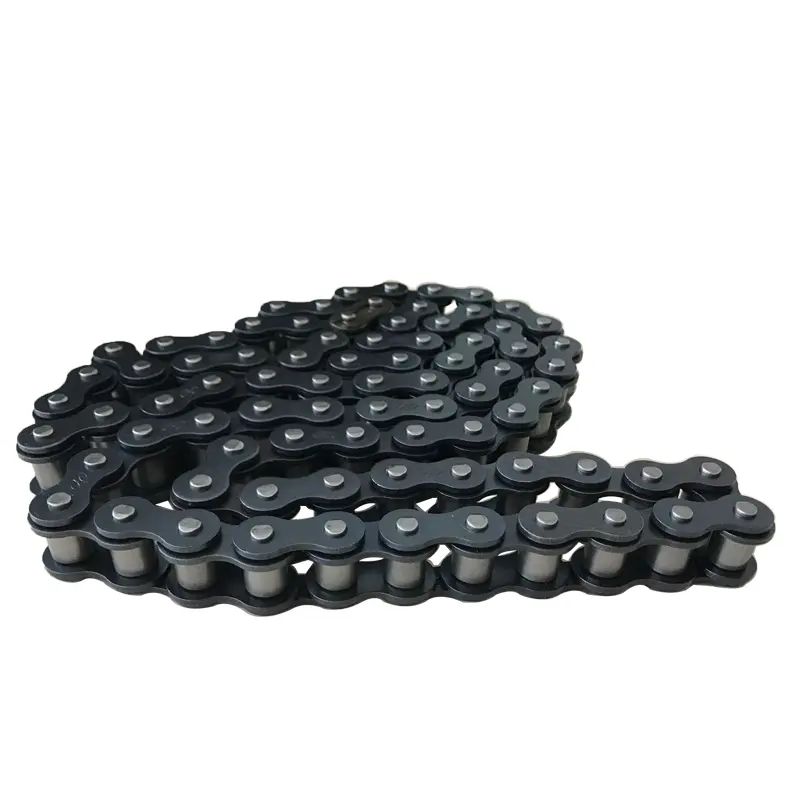
Una catena di trasmissione è un tipo di catena meccanica utilizzata per trasmettere potenza tra due o più alberi rotanti. È costituita da una serie di maglie interconnesse che si innestano con ruote dentate per trasferire movimento e coppia.
In un tipico sistema di trasmissione a catena, la catena si avvolge attorno a due o più pignoni, uno dei quali è collegato all'albero di ingresso e gli altri all'albero o agli alberi di uscita. Quando l'albero di ingresso ruota, la catena si muove lungo i pignoni, causando la rotazione dell'albero o degli alberi di uscita alla stessa velocità o a velocità diverse a seconda delle dimensioni dei pignoni.
Il funzionamento di una catena di trasmissione si basa sul principio della trasmissione meccanica della potenza attraverso maglie ad incastro e sull'accoppiamento tra la catena e i denti della ruota dentata. Le maglie della catena sono progettate per adattarsi con precisione ai denti della ruota dentata, garantendo un trasferimento di potenza efficace e affidabile.
Quando la catena si innesta sulle ruote dentate, i denti di queste ultime spingono contro i rulli o i perni della catena, provocandone il movimento. Questo movimento trasferisce il moto rotatorio e la coppia dall'albero di ingresso all'albero o agli alberi di uscita, consentendo la trasmissione di potenza e facilitando diverse operazioni meccaniche.
Le catene di trasmissione sono ampiamente utilizzate in diverse applicazioni, come motori automobilistici, motociclette, biciclette, macchinari industriali e sistemi di trasmissione di potenza. Sono apprezzate per la loro durata, efficienza e capacità di gestire carichi e velocità elevati.


Modificato da CX il 23/08/2023