Descrizione del prodotto
ELENCO DEI NOSTRI PRODOTTI:
Catena a rulli standard singola/doppia/tripla serie A e B e catena a rulli non standard
| DIN/ISO | ANSI | Pece | Rullo | Larghezza | Spillo | Spillo | Lnner | Piatto | Definitivo | Media | peso | |
| KI/ISO | ANSL | fra | diametro | lunghezza | piatto | spesso | trazione | trazione | per | |||
| Catena | Catena | piastre interne | profondità | -ness | forza | forza | contatore | |||||
| NO. | NO. | P | d1 | b1 | d2 | L | Lc | h2 | T | Q | Q0 | Q |
| massimo | min | massimo | massimo | massimo | massimo | massimo | min | |||||
| mm | mm | mm | mm | mm | mm | mm | mm | kN/LB | kN | kg/m | ||
| *03C | *15 | 4.7625 | 2.48 | 2.38 | 1.62 | 6.1 | 6.9 | 4.3 | 0.6 | 1.80/409 | 2 | 0.08 |
| *04C-1 | *25 | 6.35 | 3.3 | 3.18 | 2.31 | 7.9 | 8.4 | 6 | 0.8 | 3.50/795 | 4.6 | 0.15 |
| *06C-1 | *35 | 9.525 | 5.08 | 4.77 | 3.58 | 12.4 | 13.17 | 9 | 1.3 | 7.90/1795 | 10.8 | 0.33 |
| 085-1 | 41 | 12.7 | 7.77 | 6.25 | 3.58 | 13.75 | 15 | 9.91 | 1.3 | 6.67/1516 | 12.6 | 0.41 |
| 08A-1 | 40 | 12.7 | 7.95 | 7.85 | 3.96 | 16.6 | 17.8 | 12 | 1.5 | 14.10/3205 | 17.5 | 0.62 |
| 10A-1 | 50 | 15.875 | 10.16 | 9.4 | 5.08 | 20.7 | 22.2 | 15.09 | 2.03 | 22.20/5045 | 29.4 | 1.02 |
| 12A-1 | 60 | 19.05 | 11.91 | 12.57 | 5.94 | 25.9 | 27.7 | 18 | 2.42 | 31.80/7227 | 41.5 | 1.5 |
| 16A-1 | 80 | 25.4 | 15.88 | 15.75 | 7.92 | 32.7 | 35 | 24 | 3.25 | 59.70/12886 | 69.4 | 2.6 |
| 20A-1 | 100 | 31.75 | 19.05 | 18.9 | 9.53 | 40.4 | 44.7 | 30 | 4 | 88.50/20114 | 109.2 | 3.91 |
| 24A-1 | 120 | 38.1 | 22.23 | 25.22 | 11.1 | 50.3 | 54.3 | 35.7 | 4.8 | 127.00/28864 | 156.3 | 5.62 |
| 28A-1 | 140 | 44.45 | 25.4 | 25.22 | 12.7 | 54.4 | 59 | 41 | 5.6 | 172.40/39182 | 212 | 7.5 |
| 32A-1 | 160 | 50.8 | 28.58 | 31.55 | 14.27 | 64.8 | 69.6 | 47.8 | 6.4 | 226.80/51545 | 278.9 | 1.1 |
| 36A-1 | 180 | 57.15 | 35.71 | 35.48 | 17.46 | 72.8 | 78.6 | 53.6 | 7.2 | 280.20/63682 | 341.8 | 13.45 |
| 40A-1 | 200 | 63.5 | 39.68 | 37.85 | 19.85 | 80.3 | 87.2 | 60 | 8 | 353.80/80409 | 431.6 | 16.15 |
| 48A-1 | 240 | 76.2 | 47.63 | 47.35 | 23.81 | 90.5 | 103 | 72.39 | 9.5 | 51.30/115977 | 622.5 | 23.2 |
| DIN/ISO | Pece | Rullo | Larghezza | Spillo | Spillo | Lnner | Piatto | Definitivo | Media | peso | |
| KI/ISO | fra | diametro | lunghezza | piatto | spesso | trazione | trazione | per | |||
| Catena | piastre interne | profondità | -ness | forza | forza | contatore | |||||
| NO. | P | d1 | b1 | d2 | L | Lc | h2 | T | Q | Q0 | Q |
| massimo | min | massimo | massimo | massimo | massimo | massimo | min | ||||
| mm | mm | mm | mm | mm | mm | mm | mm | kN/LB | kN | kg/m | |
| 04B-1 | 6 | 4 | 2.8 | 1.85 | 6.8 | 7.8 | 5 | 0.6 | 3.2/682 | 3.2 | 0.11 |
| 05B-1 | 8 | 5 | 3 | 2.31 | 8.2 | 8.9 | 7.1 | 0.8 | 5.0/1136 | 5.9 | 0.2 |
| *06B-1 | 9.525 | 6.35 | 5.72 | 3.28 | 13.15 | 14.1 | 8.2 | 1.3 | 9.0/2045 | 10.4 | 0.41 |
| 08B-1 | 12.7 | 8.51 | 7.75 | 4.45 | 16.7 | 18.2 | 11.8 | 1.6 | 18.0/4091 | 19.4 | 0.69 |
| 10B-1 | 15.875 | 10.16 | 9.65 | 5.08 | 19.5 | 20.9 | 14.7 | 1.7 | 22.4/5091 | 27.5 | 0.93 |
| 12B-1 | 19.05 | 12.07 | 11.68 | 5.72 | 22.5 | 24.2 | 16 | 1.85 | 29.0/6591 | 32.2 | 1.15 |
| 16B-1 | 25.4 | 15.88 | 17.02 | 8.28 | 36.1 | 37.4 | 21 | 4.15/3.1 | 60.0/13636 | 72.8 | 2.71 |
| 20B-1 | 31.75 | 19.05 | 19.56 | 10.19 | 41.3 | 45 | 26.4 | 4.5/3.5 | 95.0/21591 | 106.7 | 3.7 |
| 24B-1 | 38.1 | 25.4 | 25.4 | 14.63 | 53.4 | 57.8 | 33.2 | 6.0/4.8 | 160.0/36364 | 178 | 7.1 |
| 28B-1 | 44.45 | 27.94 | 30.99 | 15.9 | 65.1 | 69.5 | 36.7 | 7.5/6.0 | 200.0/45455 | 222 | 8.5 |
| 32B-1 | 50.8 | 29.21 | 30.99 | 17.81 | 66 | 71 | 42 | 7.0/6.0 | 250.0/56818 | 277.5 | 10.25 |
| 40B-1 | 63.5 | 39.37 | 38.1 | 22.89 | 82.2 | 89.2 | 52.96 | 8.5/8.0 | 355.0/80682 | 394 | 16.35 |
| 48B-1 | 76.2 | 48.26 | 45.72 | 29.24 | 99.1 | 107 | 63.8 | 560.0/127272 | 621.6 | 25 | |
Presentazione dei prodotti
La nostra officina
Le nostre attrezzature per il trattamento a caldo
FAQ
D1. Quali sono le vostre condizioni di imballaggio?
A: Generalmente, imballiamo i nostri prodotti in scatole monocolore. Se avete richieste particolari riguardo all'imballaggio, vi preghiamo di contattarci in anticipo; possiamo imballare la merce secondo le vostre indicazioni.
D2. Quali sono le vostre condizioni di pagamento?
A: T/T 30% come acconto e 70% prima della consegna. Vi mostreremo le foto dei prodotti e degli imballaggi.
prima di pagare il saldo. Per altre modalità di pagamento, vi preghiamo di contattarci in anticipo per discuterne.
D3. Quali sono i vostri termini di consegna?
A: EXW, FOB, CFR, CIF.
D4. Quali sono i tempi di consegna?
A: Generalmente, ci vorranno dai 25 ai 30 giorni dopo aver ricevuto il pagamento anticipato. I tempi di consegna specifici dipendono
sugli articoli e sulla quantità del tuo ordine.
D5. Potete produrre in base ai campioni?
A: Sì, possiamo produrre in base ai vostri campioni o disegni tecnici. Possiamo realizzare gli stampi e le attrezzature.
D6. Qual è la vostra politica in materia di campioni?
A: Possiamo fornire il campione se abbiamo parti pronte in magazzino, ma i clienti devono pagare il costo del campione e
il costo della spedizione. Accettiamo ordini di campioni.
D7. Testate tutti i vostri prodotti prima della consegna?
A: Sì, effettuiamo il test 100% prima della consegna.
D8: Come si instaura un rapporto commerciale duraturo e proficuo?
1. Manteniamo un'elevata qualità e prezzi competitivi per garantire il vantaggio dei nostri clienti;
2. Rispettiamo ogni cliente come un amico e facciamo affari e stringiamo amicizie con sincerità,
indipendentemente dalla loro provenienza.
| Materiale: | Lega |
|---|---|
| Struttura: | Catena a rulli |
| Trattamento superficiale: | Lucidatura |
| Dimensioni della catena: | 1/2"*11/128" |
| Caratteristica: | Resistente al fuoco, resistente all'olio, resistente al calore |
| Pacchetto di trasporto: | Scatola di legno non fumigata, via aerea o via mare. |
| Esempi: |
US$ 2/metro
1 metro (ordine minimo) | |
|---|
| Personalizzazione: |
Disponibile
| Richiesta personalizzata |
|---|
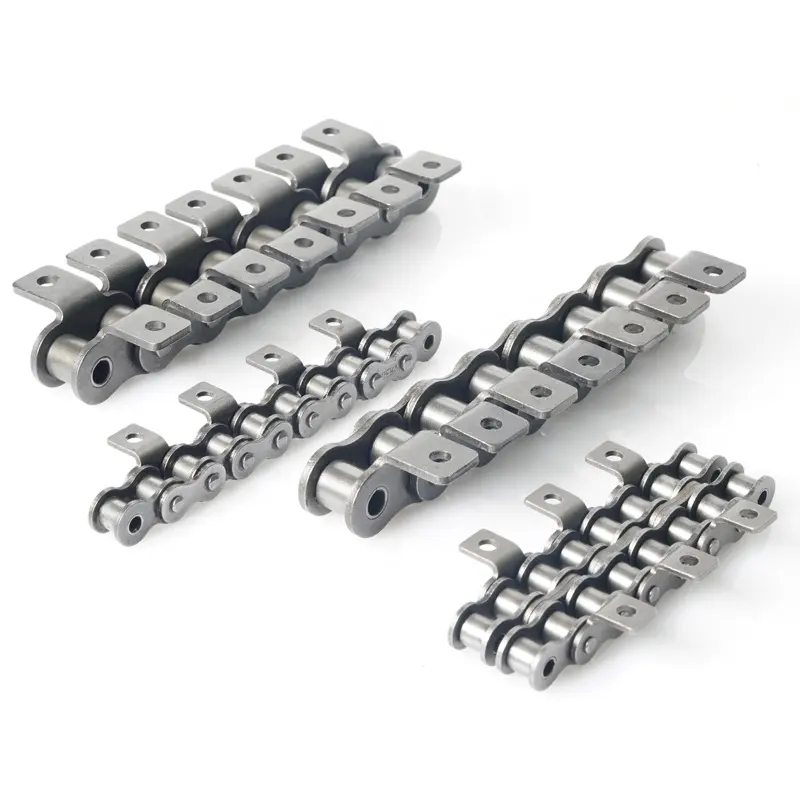
Quali sono i vantaggi derivanti dall'utilizzo di una catena di trasmissione resistente alla corrosione?
L'utilizzo di una catena di trasmissione resistente alla corrosione offre diversi vantaggi in termini di prestazioni, durata e rapporto costo-efficacia. Ecco una risposta dettagliata alla domanda:
1. Durata prolungata: le catene di trasmissione resistenti alla corrosione sono progettate specificamente per resistere ad ambienti difficili e agli effetti della corrosione. Sono realizzate con materiali come acciaio inossidabile, acciaio nichelato o rivestimenti come zinco o cromo, che offrono un'eccellente protezione contro la corrosione. Utilizzando una catena resistente alla corrosione, è possibile prolungarne significativamente la durata e ridurre la necessità di sostituzioni frequenti.
2. Prestazioni affidabili: la corrosione può influire negativamente sulle prestazioni delle catene di trasmissione causando usura, attrito e bloccaggio. Le catene resistenti alla corrosione mantengono un funzionamento fluido e prestazioni costanti nel tempo, garantendo una trasmissione di potenza affidabile e riducendo il rischio di guasti o fermi macchina.
3. Manutenzione ridotta: le catene resistenti alla corrosione richiedono meno manutenzione rispetto alle catene standard. Sono meno soggette a ruggine e deterioramento, con conseguente riduzione dei costi di manutenzione e del tempo dedicato alla lubrificazione, alla pulizia e alla sostituzione della catena. Questo è particolarmente vantaggioso nei settori in cui l'accesso per la manutenzione è difficoltoso o costoso.
4. Risparmio sui costi: sebbene le catene resistenti alla corrosione possano avere un costo iniziale più elevato rispetto alle catene standard, offrono un risparmio sui costi a lungo termine. La maggiore durata e la riduzione delle esigenze di manutenzione si traducono in costi operativi complessivi inferiori e in una maggiore affidabilità delle apparecchiature. Inoltre, evitare guasti prematuri della catena dovuti alla corrosione può prevenire costosi danni alle apparecchiature e tempi di fermo della produzione.
5. Versatilità: Le catene di trasmissione resistenti alla corrosione sono adatte a una vasta gamma di applicazioni e ambienti. Possono essere utilizzate in settori quali l'industria alimentare, navale, chimica, farmaceutica o per attrezzature da esterno, dove è frequente l'esposizione a umidità, agenti chimici, acqua salata o altre sostanze corrosive. La versatilità delle catene resistenti alla corrosione consente di impiegarle in diverse condizioni operative senza compromettere prestazioni o durata.
6. Conformità alle normative: In alcuni settori, come quello alimentare o farmaceutico, sono in vigore normative e standard igienici rigorosi. L'utilizzo di catene resistenti alla corrosione contribuisce a soddisfare tali requisiti normativi, garantendo l'integrità del prodotto, la sicurezza e la conformità agli standard di settore.
Scegliendo una catena di trasmissione resistente alla corrosione, potrete beneficiare di una maggiore durata, prestazioni affidabili, manutenzione ridotta, risparmio sui costi, versatilità e conformità alle normative. È importante considerare i requisiti specifici dell'applicazione e le condizioni ambientali nella scelta della catena resistente alla corrosione più adatta, per ottenere prestazioni e durata ottimali.
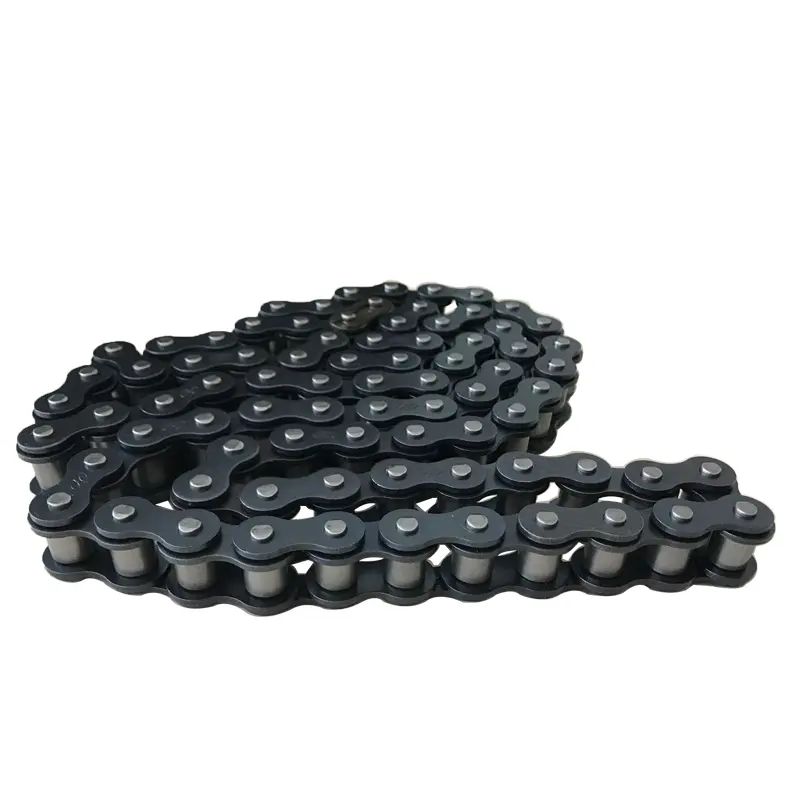
In che modo la velocità di rotazione influisce sulla scelta della catena di trasmissione?
La velocità di rotazione è un fattore importante da considerare nella scelta di una catena di trasmissione per una specifica applicazione. Ecco una risposta dettagliata alla domanda:
1. Fatica e usura: La velocità di rotazione influisce direttamente sulle caratteristiche di fatica e usura di una catena di trasmissione. Velocità di rotazione più elevate comportano un aumento del carico ciclico e dell'usura dei componenti della catena. Pertanto, è fondamentale scegliere una catena progettata per sopportare la velocità prevista e le relative sollecitazioni da fatica.
2. Lubrificazione e raffreddamento: velocità di rotazione più elevate generano più calore a causa dell'attrito tra la catena e le ruote dentate. Una lubrificazione adeguata è essenziale per ridurre al minimo l'attrito, limitare l'accumulo di calore e mantenere le prestazioni e la durata della catena. Inoltre, alcune applicazioni ad alta velocità possono richiedere meccanismi di raffreddamento aggiuntivi per dissipare efficacemente il calore.
3. Forze centrifughe: All'aumentare della velocità di rotazione, le forze centrifughe diventano più significative. Queste forze possono influenzare la stabilità, la tensione e le prestazioni complessive della catena. Le catene progettate per applicazioni ad alta velocità sono realizzate per resistere alle maggiori forze centrifughe e mantenere la tensione adeguata durante il funzionamento.
4. Bilanciamento dinamico: la rotazione ad alta velocità può introdurre squilibri dinamici nel sistema di trasmissione, causando vibrazioni e una riduzione dell'efficienza del sistema. Occorre prestare particolare attenzione alla scelta di una catena di trasmissione con adeguate caratteristiche di bilanciamento dinamico per minimizzare le vibrazioni e garantire un funzionamento regolare.
5. Materiali e design: Le catene per applicazioni ad alta velocità spesso richiedono materiali e caratteristiche di design specifici per sopportare le maggiori forze di rotazione e mantenere l'affidabilità. Leghe ad alta resistenza, tolleranze di fabbricazione precise e trattamenti superficiali avanzati possono essere impiegati per migliorare le prestazioni e la durata della catena ad alte velocità.
Nella scelta di una catena di trasmissione, è fondamentale considerare le raccomandazioni e le specifiche del produttore relative alle velocità massime consentite. Fattori quali i requisiti operativi dell'applicazione, la velocità di rotazione prevista, il carico e le condizioni ambientali devono essere tutti presi in considerazione per garantire che la catena scelta sia adatta alla specifica applicazione ad alta velocità.

Quali sono i settori o le applicazioni più comuni che utilizzano le catene di trasmissione?
Le catene di trasmissione sono ampiamente utilizzate in diversi settori e applicazioni in cui è richiesto un trasferimento efficiente di potenza e movimento. Ecco alcuni settori e applicazioni comuni che si affidano alle catene di trasmissione:
- Settore automobilistico: le catene di trasmissione vengono utilizzate nei motori e nelle trasmissioni delle automobili per trasferire la potenza dal motore alle ruote.
- Agricoltura: Le catene di trasmissione sono utilizzate nei macchinari agricoli come trattori, mietitrebbie e raccoglitrici per la trasmissione di potenza in diverse applicazioni, come sistemi di trasporto e attrezzature agricole.
- Produzione industriale: le catene di trasmissione si trovano in una vasta gamma di macchinari industriali, tra cui nastri trasportatori, sistemi di movimentazione materiali, attrezzature per l'imballaggio, macchine da stampa e macchine utensili.
- Settore minerario e delle costruzioni: le catene di trasmissione vengono utilizzate nei macchinari pesanti, come escavatori, bulldozer e attrezzature minerarie, per trasmettere la potenza necessaria allo scavo, al sollevamento e ad altre operazioni.
- Settore alimentare e delle bevande: le catene di trasmissione sono impiegate nelle apparecchiature per la lavorazione degli alimenti, negli impianti di imbottigliamento e nei sistemi di trasporto per movimentare i prodotti lungo le linee di produzione.
- Tessile: Le catene di trasmissione vengono utilizzate nei macchinari per la produzione tessile, come telai e filatoi, per la trasmissione di potenza durante i processi di tessitura e filatura.
- Energia e servizi di pubblica utilità: le catene di trasmissione vengono utilizzate nelle centrali elettriche, nelle turbine eoliche e in altri sistemi di energia rinnovabile per trasmettere l'energia dalla fonte alla rete elettrica.
- Movimentazione dei materiali: le catene di trasmissione sono comunemente utilizzate nelle attrezzature per la movimentazione dei materiali, tra cui carrelli elevatori, pallettizzatori e sistemi di stoccaggio automatizzati, per trasportare e movimentare le merci in magazzini e centri di distribuzione.
- Settore nautico: Le catene di trasmissione trovano applicazione nelle imbarcazioni, ad esempio nei sistemi di propulsione navale, nelle attrezzature per la movimentazione delle ancore e negli argani per la movimentazione del carico.
Questi sono solo alcuni esempi, e le catene di trasmissione sono utilizzate anche in molti altri settori e applicazioni in cui è essenziale una trasmissione di potenza affidabile. La progettazione e le caratteristiche specifiche delle catene di trasmissione possono variare in base alle esigenze di ciascun settore e applicazione.


Modificato da CX il 29/11/2023