Deskripsi Produk
Koleksi Produk
Deskripsi Produk
Rantai QLZ memiliki pelat penghubung bergigi simetris di kedua sisinya, memungkinkan kinerja dan presisi yang sama selama penggunaan bilateral. Desain ini membuatnya Solusi ideal untuk aplikasi dengan perubahan arah putaran atau untuk penggerak multi-poros. Fleksibilitas mereka memastikan mereka dapat dengan mudah menangani situasi-situasi ini, memberikan kinerja yang andal dan konsisten.
Jika Anda membutuhkan desain tertentu, kami dapat menyediakan solusi yang disesuaikan berdasarkan kebutuhan Anda. Baik Anda memerlukan fitur, rencana, material, atau spesifikasi tertentu, tim kami dapat bekerja untuk memastikan Anda mendapatkan jaringan yang sepenuhnya memenuhi kebutuhan Anda.
Apakah Anda mencari jaringan toko lain?
Silakan tinggalkan pesan Anda di bawah ini, dan Jangan ragu untuk menghubungi kami!
Pertanyaan yang Sering Diajukan (FAQ)
| Pertanyaan 1: Apakah Anda Produsen atau Perusahaan Perdagangan? |
| Menjawab: Kami adalah produsen rantai 100% dengan pengalaman selama 23 tahun. |
| Pertanyaan 2: Apa yang harus saya berikan untuk mendapatkan penawaran harga? |
| Menjawab: 1. Jenis rantai (dengan foto jika tersedia) 2. Jarak antar mata rantai 3. Lebar rantai 4. Panjang dan jumlah rantai 5. Persyaratan khusus lainnya |
| Pertanyaan 3: Berapa lama waktu produksi dan pengiriman Anda? |
| Menjawab: Produk biasanya selesai dalam waktu 2 minggu, tergantung jenis dan jumlahnya. Silakan hubungi kami untuk mengecek waktu pengiriman ke tujuan Anda. |
| Pertanyaan 4: Berapa lama waktu garansi Anda? |
| Menjawab: Kami menawarkan garansi tiga tahun jika Anda membeli rantai dan gir yang sesuai secara bersamaan. Jika Anda hanya membutuhkan rantai, garansi satu tahun juga dapat dikonfirmasi. |
| Pertanyaan 5: Syarat perdagangan dan syarat pembayaran? |
| Menjawab: Kami menerima EXW, FOB, DDU, dan Door to Door. Syarat pembayaran seperti T/T, L/C, dan Western Union dapat diterima. Kami juga menyediakan layanan Perdagangan Online di platform B2B ini. |
Profil Perusahaan
| Standar atau Nonstandar: | Standar |
|---|---|
| Aplikasi: | Mesin Tekstil, Mesin Garmen, Peralatan Konveyor, Mesin Pengemas, Mesin Makanan, Kelautan, Peralatan Pertambangan, Mesin Pertanian, Mobil |
| Struktur: | Rantai Gigi |
| Contoh: |
US$ 100/Meter
1 Meter (Pesanan Minimum) | Pesan Sampel |
|---|
| Kustomisasi: |
Tersedia
| Permintaan Khusus |
|---|
.shipping-cost-tm .tm-status-off{background: none;padding:0;color: #1470cc}
|
Biaya Pengiriman:
Perkiraan biaya pengiriman per unit. |
tentang biaya pengiriman dan perkiraan waktu pengiriman. |
|---|
| Metode Pembayaran: |
|
|---|---|
|
Pembayaran Awal Pembayaran Penuh |
| Mata uang: | US$ |
|---|
| Pengembalian & Penggantian: | Anda dapat mengajukan pengembalian dana hingga 30 hari setelah menerima produk. |
|---|
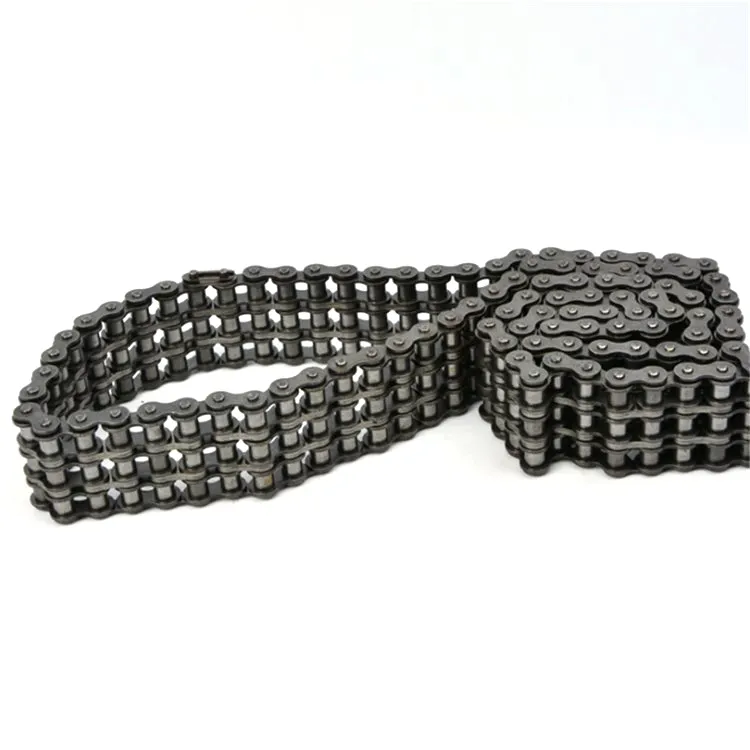
Apakah rantai transmisi dapat digunakan pada peralatan tekstil atau tenun?
Ya, rantai transmisi dapat digunakan pada peralatan tekstil atau tenun. Berikut jawaban rinci untuk pertanyaan tersebut:
Peralatan tekstil dan tenun seringkali membutuhkan sistem transmisi daya yang andal dan efisien untuk menggerakkan berbagai komponen dan mekanisme. Rantai transmisi sangat cocok untuk aplikasi ini karena daya tahan, kekuatan, dan fleksibilitasnya.
Rantai transmisi umumnya digunakan pada peralatan tekstil dan tenun untuk tujuan berikut:
1. Transmisi Daya: Rantai transmisi mentransfer daya putar dari motor ke berbagai komponen dalam mesin tekstil atau mesin tenun. Rantai ini digunakan untuk menggerakkan poros utama, mekanisme alat tenun, gulungan pengambil benang, balok lusi, dan bagian bergerak lainnya.
2. Pengaturan Tegangan dan Posisi: Pada mesin tenun, rantai transmisi digunakan untuk menjaga tegangan yang tepat pada benang lusi. Rantai ini membantu memposisikan balok lusi secara akurat dan menjaga tegangan yang konsisten selama proses tenun.
3. Mekanisme Pengangkatan Benang Lusi: Pada mesin tenun jacquard dan mesin tenun canggih lainnya, rantai transmisi memainkan peran penting dalam mengoperasikan mekanisme pengangkatan benang lusi. Mekanisme ini mengontrol pengangkatan dan penurunan benang lusi untuk menciptakan pola dan desain pada kain.
4. Pemberian Benang: Rantai transmisi digunakan untuk menggerakkan mekanisme pemberian benang, seperti pembawa benang atau pemandu benang, untuk memastikan pemberian benang yang stabil dan terkontrol selama proses tenun.
5. Sinkronisasi: Pada mesin tekstil yang kompleks, rantai transmisi digunakan untuk menyinkronkan pergerakan berbagai komponen mesin. Hal ini membantu mencapai koordinasi yang tepat antara mekanisme alat tenun, aksi pemukulan, penyisipan benang pakan, dan operasi penting lainnya.
Keunggulan penggunaan rantai transmisi pada peralatan tekstil atau tenun meliputi:
– Daya tahan tinggi dan ketahanan terhadap keausan, memungkinkan masa pakai yang lebih lama bahkan di lingkungan manufaktur tekstil yang menuntut.
– Kemampuan untuk menangani beban tinggi dan mentransmisikan daya secara efisien, sehingga memungkinkan pengoperasian berbagai komponen mesin berjalan lancar.
– Fleksibilitas untuk mengakomodasi berbagai teknik tenun, ukuran alat tenun, dan konfigurasi mesin.
– Tersedia beragam jenis, ukuran, dan material rantai untuk memenuhi kebutuhan aplikasi tertentu.
– Perawatan dan penggantian yang mudah, memastikan waktu henti minimal dan produksi yang efisien.
Secara keseluruhan, rantai transmisi merupakan komponen penting dalam peralatan tekstil dan tenun, yang menyediakan transmisi daya yang andal, sinkronisasi yang tepat, dan pengoperasian yang efisien. Produsen dan perancang mesin tekstil sering mengintegrasikan rantai transmisi ke dalam peralatan mereka untuk memastikan produksi kain yang konsisten dan berkualitas tinggi.
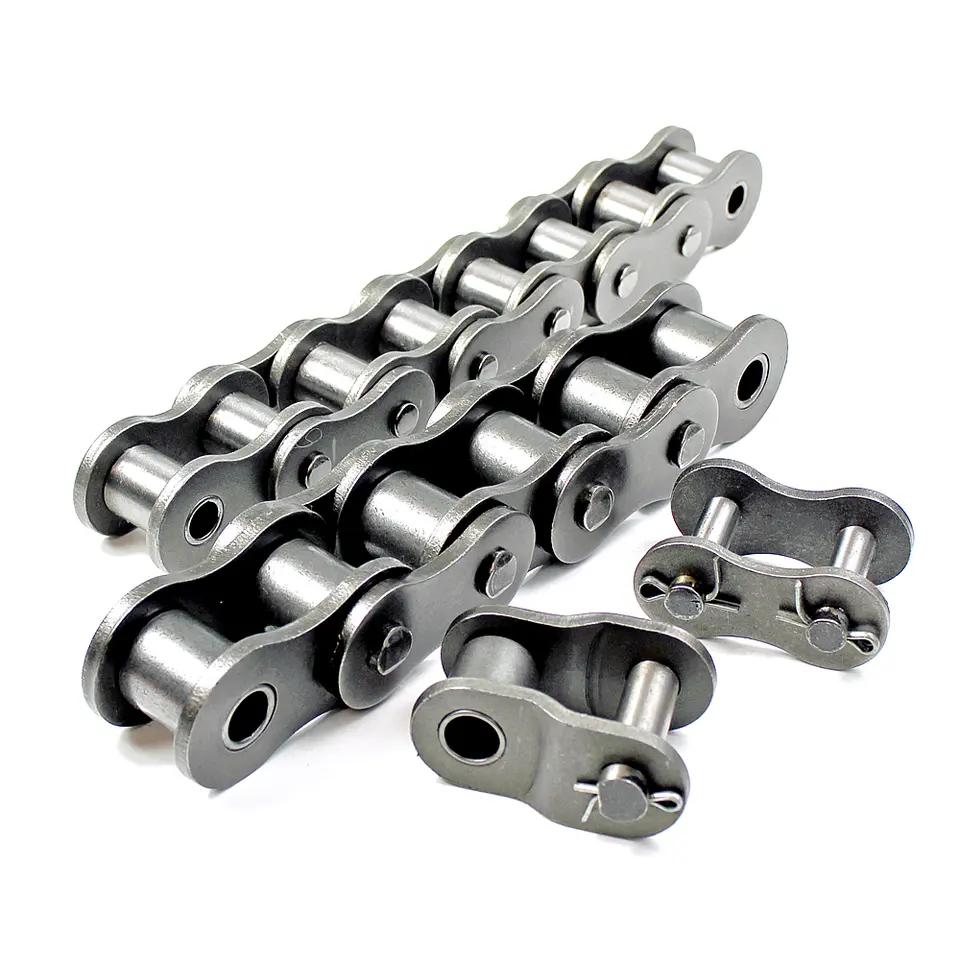
Apakah rantai transmisi dapat digunakan dalam sistem konveyor?
Ya, rantai transmisi dapat digunakan dalam sistem konveyor. Berikut jawaban rinci untuk pertanyaan tersebut:
Sistem konveyor banyak digunakan di berbagai industri untuk penanganan dan pengangkutan material yang efisien. Rantai transmisi adalah salah satu komponen kunci yang digunakan untuk menggerakkan dan mendukung pergerakan sabuk atau rol konveyor.
Rantai transmisi menawarkan beberapa keunggulan dalam sistem konveyor:
1. Transmisi Daya: Rantai transmisi dirancang untuk mentransmisikan daya secara efektif, sehingga memungkinkan penggerak sabuk konveyor atau rol. Rantai ini mampu menangani beban tinggi dan memberikan transfer daya yang andal, memastikan pengoperasian sistem konveyor yang lancar dan konsisten.
2. Fleksibilitas: Rantai transmisi tersedia dalam berbagai ukuran, jenis, dan konfigurasi, sehingga cocok untuk berbagai aplikasi konveyor. Rantai ini dapat disesuaikan agar sesuai dengan berbagai desain dan persyaratan sistem konveyor, termasuk konveyor lurus, konveyor lengkung, konveyor miring, dan banyak lagi.
3. Daya Tahan: Rantai transmisi dirancang untuk tahan terhadap kondisi operasi yang berat dalam sistem konveyor. Rantai ini terbuat dari material berkualitas tinggi seperti baja, yang menawarkan kekuatan dan daya tahan yang sangat baik. Hal ini memastikan bahwa rantai dapat menahan beban berat, seringnya start dan stop, serta lingkungan abrasif yang umum ditemui dalam aplikasi konveyor.
4. Fleksibilitas: Rantai transmisi memungkinkan fleksibilitas dalam tata letak dan konfigurasi sistem konveyor. Rantai ini dapat mengakomodasi berbagai panjang, lebar, dan sudut konveyor, sehingga sistem dapat beradaptasi dengan keterbatasan ruang dan kebutuhan penanganan material tertentu. Selain itu, rantai ini dapat dengan mudah dimodifikasi atau diperpanjang seiring dengan perkembangan kebutuhan sistem konveyor.
5. Perawatan Rendah: Rantai transmisi memerlukan perawatan rutin untuk memastikan kinerja optimal dan umur pakai yang panjang. Namun, dibandingkan dengan jenis sistem transmisi daya lainnya, seperti sabuk atau roda gigi, rantai transmisi umumnya memiliki persyaratan perawatan yang lebih rendah. Pelumasan, pengencangan, dan inspeksi berkala yang tepat sangat penting untuk meminimalkan keausan dan memastikan pengoperasian sistem konveyor yang andal.
Secara keseluruhan, rantai transmisi merupakan solusi yang andal dan efisien untuk menggerakkan sistem konveyor. Rantai transmisi menyediakan transmisi daya yang kuat, fleksibilitas dalam desain sistem, daya tahan di lingkungan yang menuntut, fleksibilitas dalam tata letak, dan persyaratan perawatan yang relatif rendah. Jika dipilih dan dirawat dengan benar, rantai transmisi dapat berkontribusi pada kelancaran dan efisiensi operasi sistem konveyor di berbagai industri.
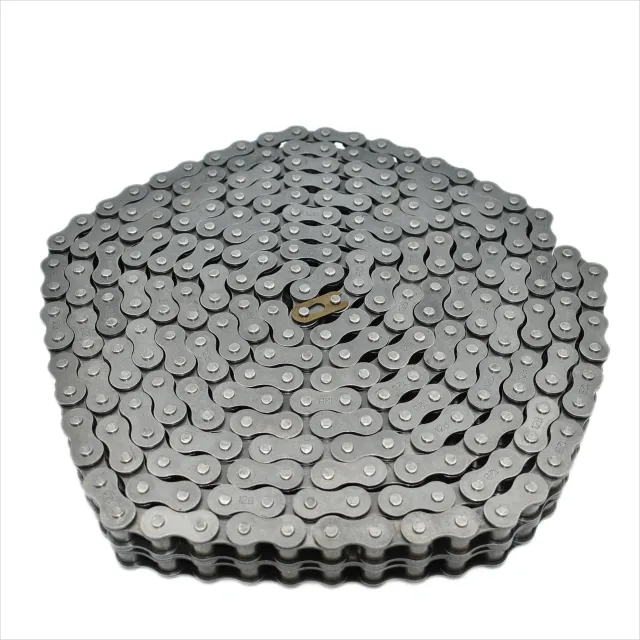
Apa saja berbagai jenis rantai transmisi yang tersedia?
Tersedia beberapa jenis rantai transmisi, masing-masing dirancang untuk aplikasi dan kondisi operasi tertentu. Berikut beberapa jenis yang umum:
- Rantai Rol: Rantai rol adalah jenis rantai transmisi yang paling banyak digunakan. Rantai ini terdiri dari pelat dalam dan luar, pin, bushing, dan rol. Rol membantu mengurangi gesekan dan memfasilitasi gerakan yang halus.
- Rantai Senyap: Rantai senyap, juga dikenal sebagai rantai bergigi terbalik atau rantai bergigi, memiliki profil gigi khusus yang terhubung dengan sproket yang sesuai. Rantai ini dirancang untuk meminimalkan kebisingan dan getaran, sehingga cocok untuk aplikasi yang membutuhkan pengoperasian yang tenang.
- Rantai Daun: Rantai daun dibuat dengan mata rantai yang saling terkait yang terbuat dari pelat baja pipih. Rantai ini dikenal karena kekuatan tariknya yang tinggi dan ketahanan terhadap kelelahan, sehingga cocok untuk aplikasi tugas berat dan beban tinggi.
- Rantai Timing: Rantai timing digunakan pada mesin untuk menyinkronkan putaran poros bubungan (camshaft) dan poros engkol (crankshaft). Rantai ini memiliki profil gigi yang presisi yang terhubung dengan roda gigi timing, memastikan timing yang akurat dan kinerja mesin yang efisien.
- Rantai Baja Rekayasa: Rantai baja rekayasa adalah rantai yang sangat khusus yang dirancang untuk industri dan aplikasi tertentu. Rantai ini sering digunakan di lingkungan yang menuntut seperti pertambangan, kehutanan, dan penanganan material.
- Rantai Plastik: Rantai plastik terbuat dari bahan plastik berkekuatan tinggi, seperti asetal atau nilon. Rantai ini menawarkan manfaat seperti ketahanan terhadap korosi, desain yang ringan, dan pengoperasian yang tidak berisik. Rantai ini umumnya digunakan dalam pengolahan makanan, pengemasan, dan industri lain dengan persyaratan kebersihan yang ketat.
Ini hanyalah beberapa contoh jenis rantai transmisi. Tergantung pada aplikasi spesifiknya, mungkin ada rantai khusus lainnya yang tersedia untuk memenuhi persyaratan unik dari berbagai industri dan mesin.
Apa perbedaan rantai rol dengan jenis rantai transmisi lainnya?
Rantai rol, juga dikenal sebagai rantai penghubung rol, adalah jenis rantai transmisi yang umum digunakan dan memiliki beberapa perbedaan dibandingkan rantai lainnya:
- Desain: Rantai rol terdiri dari pelat dalam dan luar, pin, bantalan, dan rol. Rol, yang bebas berputar, membantu mengurangi gesekan dan keausan, sehingga menghasilkan transmisi daya yang lebih halus dan efisien.
- Penerapan yang Luas: Rantai rol serbaguna dan banyak digunakan di berbagai industri, termasuk otomotif, mesin industri, peralatan pertanian, dan sistem konveyor.
- Kapasitas Beban Tinggi: Rantai rol dirancang untuk menahan beban tinggi dan menawarkan kekuatan tarik yang sangat baik, sehingga cocok untuk aplikasi yang membutuhkan kinerja tugas berat.
- Efisiensi: Rantai rol dikenal karena efisiensinya yang tinggi dalam mentransmisikan daya. Desain rol meminimalkan gesekan, sehingga mengurangi kehilangan energi dan meningkatkan efisiensi secara keseluruhan.
- Efektivitas Biaya: Rantai rol relatif hemat biaya dibandingkan dengan beberapa rantai transmisi khusus lainnya, sehingga menjadikannya pilihan populer dalam banyak aplikasi.
Meskipun rantai rol memiliki keuntungannya sendiri, penting untuk dicatat bahwa berbagai jenis rantai transmisi mungkin lebih cocok untuk aplikasi tertentu. Faktor-faktor seperti kapasitas beban, kecepatan, tingkat kebisingan, dan kondisi lingkungan harus dipertimbangkan saat memilih rantai transmisi yang tepat untuk aplikasi tertentu.


Diedit oleh CX 2023-10-30