उत्पाद वर्णन
ISO/ANSI/DIN मानक शॉर्ट पिच प्रेसिजन स्टेनलेस स्टील हार्डवेयर ट्रांसमिशन मोटरसाइकिल औद्योगिक रोलर चेन
उत्पाद वर्णन
1. सामग्री: स्टेनलेस स्टील 304 और 316 / मिश्र धातु कार्बन स्टील
2. सतह उपचार: शॉट पीनिंग / जिंक-प्लेटेड / निकेल-प्लेटेड / डैक्रोमेट-प्लेटेड
3. चेन नंबर:
35एसएस-1, 40एसएस-1, 50एसएस-1, 60एसएस-1, 80एसएस-1, 100एसएस-1, 120एसएस-1, 140एसएस-1;
35एसएस-2, 40एसएस-2, 50एसएस-2, 60एसएस-2, 80एसएस-2, 100एसएस-2, 120एसएस-2, 140एसएस-2;
35एसएस-3, 40एसएस-3, 50एसएस-3, 60एसएस-3, 80एसएस-3, 100एसएस-3, 120एसएस-3, 140एसएस-3;
4. आवेदन: स्टेनलेस स्टील की चेन का उपयोग मशीन निर्माण, खाद्य मशीन आदि जैसे कई उद्योगों में किया जाता है। ये उच्च और निम्न तापमान दोनों स्थितियों के लिए उपयुक्त हैं।
5. विशेषता:
1. इस चेन का उपयोग मल्टी-एक्सल ट्रांसमिशन के दोनों तरफ किया जा सकता है।
2. आसान स्थापना और प्रतिस्थापन।
3. इससे उच्चतर कमी अनुपात प्राप्त किया जा सकता है।
4. रोलर चेन में अच्छी लोच और उच्च मजबूती होती है, और इसके प्रत्येक हिंज भाग में चिकनाई वाला तेल होता है, इसलिए इसे आसानी से संग्रहित किया जा सकता है। इस प्रकार, कठोर संपर्क दांतों की तुलना में, इसमें बेहतर कुशनिंग और कंपन अवशोषण क्षमता होती है।
| प्रोडक्ट का नाम | चीन से स्टेनलेस स्टील रोलर चेन |
| उपलब्ध सामग्री | 1. स्टेनलेस स्टील: SS304, SS316, आदि |
| 2. मिश्र धातु इस्पात: 45Mn, 42CrMo, 20CrMo, आदि | |
| 3. आपकी मांग के अनुसार OEM | |
| सतह का उपचार | शॉट पीनिंग, ब्लैकनिंग, ऑक्सीजनेशन, पॉलिशिंग, जिंक-प्लेटेड, निकेल-प्लेटेड, एनोडाइज्ड आदि। |
| विशेषता | अग्निरोधी, तेलरोधी, तापरोधी |
| डिजाइन मानदंड | आईएसओ डीआईएन एएनएसआई और ग्राहक की ड्राइंग |
| आकार | ग्राहक का आरेख और आईएसओ मानक |
| पैकेट | लकड़ी का केस/कंटेनर और पैलेट, या ऑर्डर पर निर्मित। |
| प्रमाणपत्र | आईएसओ9001: 2008 |
| फ़ायदा | उच्च गुणवत्ता, बेहतरीन सेवा, प्रतिस्पर्धी मूल्य, तेज़ डिलीवरी |
| डिलीवरी का समय | नमूने के लिए 20 दिन। आधिकारिक ऑर्डर के लिए 45 दिन। |
विस्तृत तस्वीरें
अधिक उत्पाद देखने के लिए, कृपया यहाँ क्लिक करें…
कंपनी प्रोफाइल
| उपयोग: | ट्रांसमिशन चेन |
|---|---|
| सामग्री: | स्टेनलेस स्टील |
| संरचना: | रोलर चेन |
| 80-1: | 1" |
| आकार: | 50एसएस-1 |
| अन्य: | संक्षारण प्रतिरोध |
| उदाहरण: |
यूएस1टीपी4टी 0/मीटर
1 मीटर (न्यूनतम ऑर्डर) | |
|---|
| अनुकूलन: |
उपलब्ध
| अनुकूलित अनुरोध |
|---|
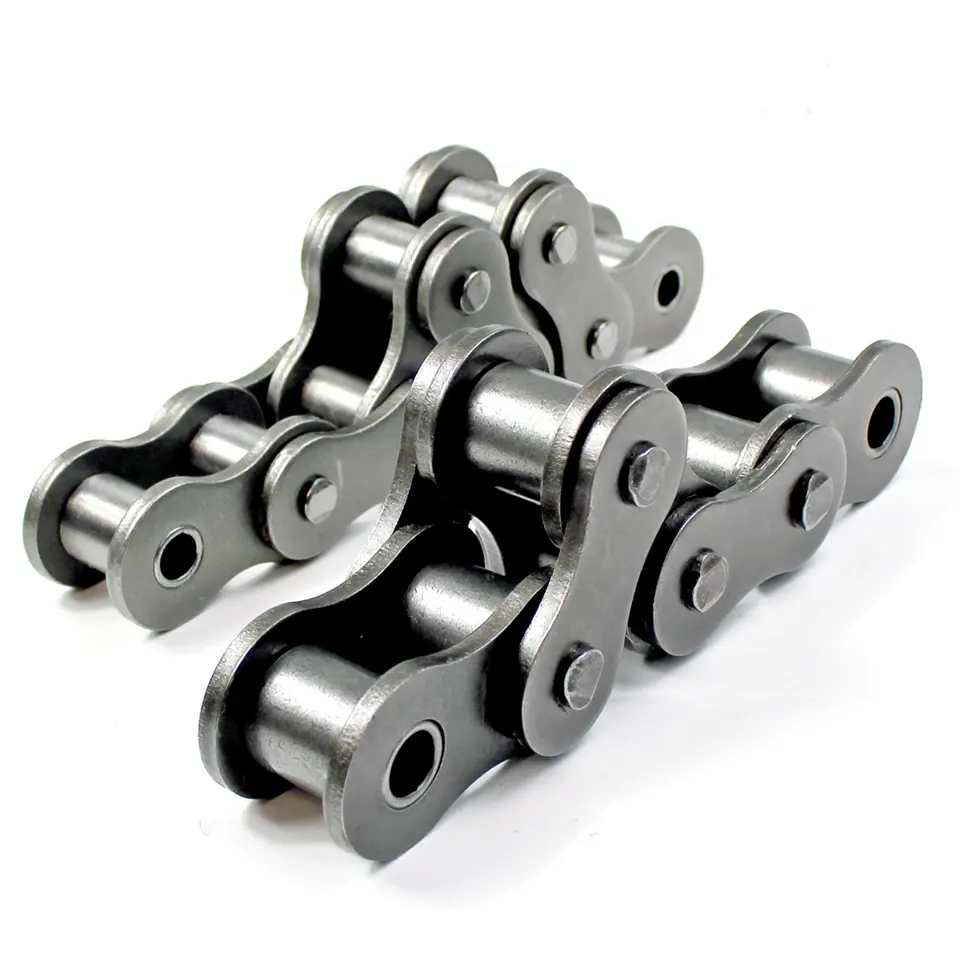
ट्रांसमिशन चेन का वजन उसकी स्थापना और संचालन को कैसे प्रभावित करता है?
ट्रांसमिशन चेन का वजन इसकी स्थापना और संचालन में महत्वपूर्ण भूमिका निभाता है। प्रश्न का विस्तृत उत्तर यहाँ दिया गया है:
1. स्थापना प्रक्रिया: ट्रांसमिशन चेन का वजन स्थापना प्रक्रिया की सुगमता और जटिलता को प्रभावित कर सकता है। भारी चेनों को उठाने और सही जगह पर रखने के लिए अतिरिक्त जनशक्ति या उपकरण की आवश्यकता हो सकती है। स्थापनाकर्ताओं को चेन को संभालते समय उसके वजन का ध्यान रखना चाहिए और चोटों या दुर्घटनाओं से बचने के लिए उचित सुरक्षा उपायों का पालन सुनिश्चित करना चाहिए।
2. सिस्टम डिज़ाइन: ट्रांसमिशन सिस्टम के समग्र डिज़ाइन में चेन का वज़न एक महत्वपूर्ण कारक है। यह स्प्रोकेट, बेयरिंग और शाफ्ट जैसे अन्य घटकों के चयन को प्रभावित करता है। सिस्टम को चेन के वज़न को संभालने और अत्यधिक तनाव या घिसाव के बिना प्रभावी ढंग से शक्ति संचारित करने के लिए डिज़ाइन किया जाना चाहिए।
3. विद्युत संचरण दक्षता: चेन का वजन सिस्टम के कुल द्रव्यमान को प्रभावित करता है। अत्यधिक वजन से जड़त्व बढ़ सकता है और त्वरण एवं मंदी के लिए अधिक ऊर्जा की आवश्यकता हो सकती है। इससे विद्युत संचरण की दक्षता प्रभावित हो सकती है और ऊर्जा की खपत बढ़ सकती है। ऊर्जा दक्षता को अनुकूलित करने के लिए चेन के वजन और सिस्टम के प्रदर्शन के बीच संतुलन बनाए रखना महत्वपूर्ण है।
4. भार वहन क्षमता: चेन का वजन सीधे तौर पर उसकी भार वहन क्षमता से संबंधित होता है। भारी चेनें आमतौर पर अधिक भार संभालने और अधिक शक्ति संचारित करने के लिए डिज़ाइन की जाती हैं। सुरक्षित और विश्वसनीय संचालन सुनिश्चित करने के लिए, उपयुक्त वजन और भार वहन क्षमता वाली चेन का चयन करना आवश्यक है जो उपयोग की आवश्यकताओं के अनुरूप हो।
5. घिसाव और थकान: समय के साथ चेन का वजन घिसाव और थकान का कारण बन सकता है। अत्यधिक वजन या ओवरलोडिंग से घिसाव की प्रक्रिया तेज हो सकती है, जिससे चेन समय से पहले खराब हो सकती है। घिसाव के प्रभावों को कम करने और चेन की दीर्घायु सुनिश्चित करने के लिए उचित रखरखाव, स्नेहन और नियमित निरीक्षण आवश्यक हैं।
6. शोर और कंपन: चेन का वजन संचालन के दौरान शोर और कंपन के स्तर को प्रभावित कर सकता है। भारी चेन अधिक शोर और कंपन उत्पन्न कर सकती हैं, खासकर उच्च गति पर। उचित तनाव, संरेखण और स्नेहन इन प्रभावों को कम करने और सुचारू एवं शांत संचालन बनाए रखने में सहायक होते हैं।
ट्रांसमिशन चेन के वजन पर विचार करते समय, स्थापना संबंधी आवश्यकताओं, सिस्टम डिज़ाइन, विद्युत संचरण दक्षता, भार वहन क्षमता, घिसाव और थकान, तथा शोर और कंपन के स्तर जैसे कारकों को संतुलित करना आवश्यक है। विशिष्ट अनुप्रयोग के लिए सही चेन वजन का चयन इष्टतम प्रदर्शन, दीर्घायु और समग्र सिस्टम विश्वसनीयता सुनिश्चित करता है।
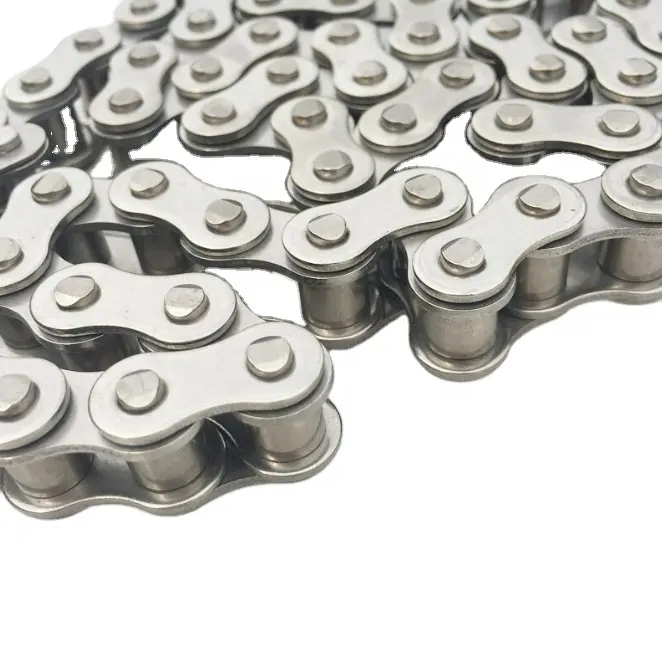
क्या विद्युत संचरण प्रणालियों में ट्रांसमिशन चेन का उपयोग किया जा सकता है?
जी हां, विद्युत संचरण प्रणालियों में ट्रांसमिशन चेन का उपयोग किया जा सकता है। प्रश्न का विस्तृत उत्तर यहां दिया गया है:
विद्युत संचरण के विभिन्न अनुप्रयोगों में जहां यांत्रिक शक्ति का स्थानांतरण आवश्यक होता है, वहां ट्रांसमिशन चेन का उपयोग आमतौर पर किया जाता है। ये चेन घूर्णी गति और शक्ति को एक शाफ्ट से दूसरे शाफ्ट तक संचारित करने के लिए डिज़ाइन की जाती हैं।
विद्युत संचरण प्रणालियों की एक विस्तृत श्रृंखला में संचरण श्रृंखलाओं का उपयोग किया जाता है, जिनमें शामिल हैं:
- औद्योगिक मशीनरी: कन्वेयर सिस्टम, पैकेजिंग उपकरण, प्रिंटिंग प्रेस और मशीन टूल्स जैसी मशीनरी में विभिन्न घटकों के बीच शक्ति और गति को स्थानांतरित करने के लिए ट्रांसमिशन चेन का उपयोग किया जाता है।
- कृषि उपकरण: ट्रैक्टर, कंबाइन और हार्वेस्टर जैसी कृषि मशीनों में इंजन से विभिन्न यांत्रिक घटकों तक शक्ति संचारित करने के लिए ट्रांसमिशन चेन का उपयोग किया जाता है, ताकि कटाई, थ्रेसिंग और बुवाई जैसे कार्य किए जा सकें।
- ऑटोमोटिव: ट्रांसमिशन चेन कुछ ऑटोमोटिव अनुप्रयोगों में पाई जा सकती हैं, जैसे मोटरसाइकिल ड्राइव चेन या टाइमिंग चेन जो आंतरिक दहन इंजनों में क्रैंकशाफ्ट और कैमशाफ्ट के घूर्णन को सिंक्रनाइज़ करती हैं।
- विद्युत उत्पादन: पवन टरबाइन, जलविद्युत टरबाइन और भाप टरबाइन सहित विद्युत उत्पादन प्रणालियों में, टरबाइन से जनरेटर तक घूर्णी गति संचारित करने के लिए पारेषण श्रृंखलाओं का उपयोग किया जाता है।
- निर्माण उपकरण: उत्खनन यंत्र, लोडर और बुलडोजर जैसे निर्माण उपकरणों में इंजन से ड्राइवट्रेन और विभिन्न हाइड्रोलिक घटकों तक शक्ति और गति को स्थानांतरित करने के लिए ट्रांसमिशन चेन का उपयोग किया जाता है।
विद्युत संचरण प्रणालियों में संचरण श्रृंखलाएं कई लाभ प्रदान करती हैं:
- उच्च दक्षता: ट्रांसमिशन श्रृंखलाओं में न्यूनतम बिजली हानि होती है, जिससे कुशल बिजली हस्तांतरण संभव होता है।
- उच्च भार क्षमता: ट्रांसमिशन चेन उच्च भार को संभालने और पर्याप्त मात्रा में बिजली संचारित करने में सक्षम हैं।
- लचीलापन: ट्रांसमिशन चेन को विभिन्न अनुप्रयोगों के अनुरूप आसानी से अनुकूलित किया जा सकता है, जिसमें विभिन्न आकार, लंबाई और विन्यास उपलब्ध हैं।
- टिकाऊपन: ट्रांसमिशन चेन को भारी-भरकम कामों को सहन करने के लिए डिज़ाइन किया गया है और उचित रखरखाव करने पर ये लंबे समय तक चलती हैं।
- किफायती: बिजली संचरण के अन्य विकल्पों की तुलना में ट्रांसमिशन चेन अक्सर एक किफायती समाधान होता है।
विद्युत संचरण प्रणाली की विशिष्ट आवश्यकताओं के आधार पर उपयुक्त प्रकार और आकार की संचरण श्रृंखला का चयन करना महत्वपूर्ण है। संचरण श्रृंखला के इष्टतम प्रदर्शन और दीर्घायु को सुनिश्चित करने के लिए नियमित रखरखाव और स्नेहन भी आवश्यक हैं।
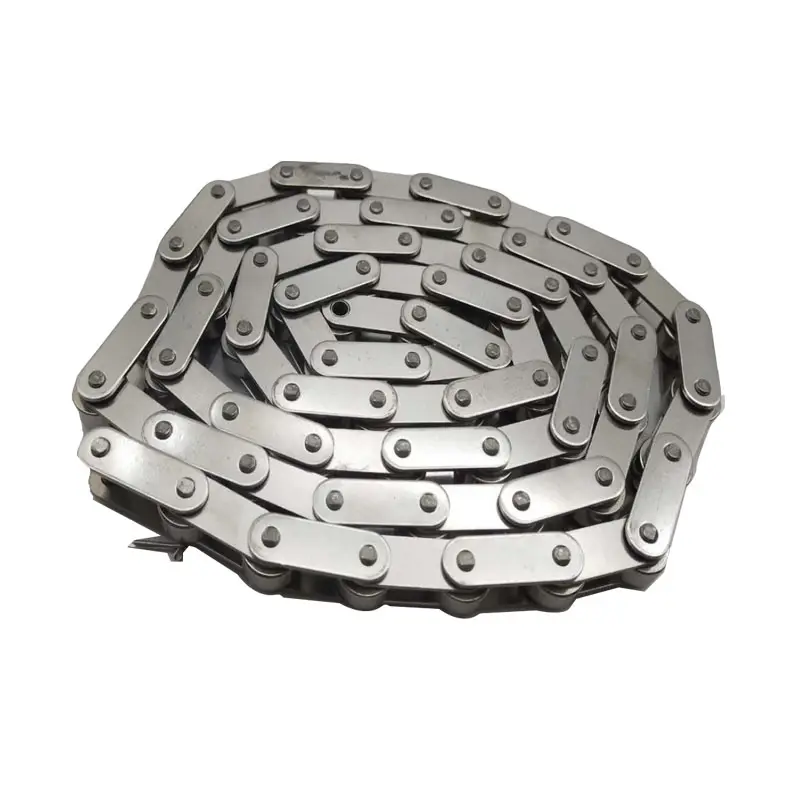
रोलर चेन अन्य प्रकार की ट्रांसमिशन चेन से किस प्रकार भिन्न होती हैं?
रोलर चेन, जिसे रोलर लिंक चेन के नाम से भी जाना जाता है, एक सामान्य रूप से उपयोग की जाने वाली ट्रांसमिशन चेन है जो कई मायनों में अन्य चेन से भिन्न होती है:
- डिजाइन: रोलर चेन में आंतरिक और बाहरी प्लेटें, पिन, बुशिंग और रोलर होते हैं। स्वतंत्र रूप से घूमने वाले रोलर घर्षण और टूट-फूट को कम करने में मदद करते हैं, जिसके परिणामस्वरूप बिजली का संचरण अधिक सुचारू और कुशल होता है।
- व्यापक अनुप्रयोग: रोलर चेन बहुमुखी हैं और ऑटोमोटिव, औद्योगिक मशीनरी, कृषि उपकरण और कन्वेयर सिस्टम सहित विभिन्न उद्योगों में व्यापक रूप से उपयोग की जाती हैं।
- उच्च भार वहन क्षमता: रोलर चेन को उच्च भार सहन करने के लिए डिज़ाइन किया गया है और ये उत्कृष्ट तन्यता शक्ति प्रदान करती हैं, जिससे ये उन अनुप्रयोगों के लिए उपयुक्त होती हैं जिनमें भारी-भरकम प्रदर्शन की आवश्यकता होती है।
- दक्षता: रोलर चेन अपनी उच्च दक्षता के लिए जानी जाती हैं जो शक्ति संचारित करती हैं। रोलर डिज़ाइन घर्षण को कम करता है, जिसके परिणामस्वरूप ऊर्जा की हानि कम होती है और समग्र दक्षता में सुधार होता है।
- लागत-प्रभावशीलता: कुछ अन्य विशेषीकृत ट्रांसमिशन चेन की तुलना में रोलर चेन अपेक्षाकृत लागत-प्रभावी होती हैं, जिससे वे कई अनुप्रयोगों में एक लोकप्रिय विकल्प बन जाती हैं।
रोलर चेन के अपने फायदे हैं, लेकिन यह ध्यान रखना महत्वपूर्ण है कि अलग-अलग प्रकार की ट्रांसमिशन चेन विशिष्ट अनुप्रयोगों के लिए अधिक उपयुक्त हो सकती हैं। किसी विशेष अनुप्रयोग के लिए उपयुक्त ट्रांसमिशन चेन का चयन करते समय भार क्षमता, गति, शोर स्तर और पर्यावरणीय परिस्थितियों जैसे कारकों पर विचार किया जाना चाहिए।


editor by CX 2023-08-11