Description du produit
Nous sommes spécialisés dans la fabrication de chaînes sur mesure, selon les plans et les spécifications de nos clients. Nos atouts : une qualité irréprochable, des prix compétitifs, des délais de livraison rapides et un service client de qualité.
Notre gamme de produits standard comprend diverses chaînes de transmission et de convoyage, telles que les chaînes à rouleaux, les chaînes de convoyage à double pas, les chaînes à axes creux, les chaînes à maillons plats, les chaînes à maillons latéraux, les chaînes pour le bois, les chaînes agricoles, les chaînes silencieuses, les chaînes PIV, les chaînes en acier inoxydable, les chaînes nickelées/zinguées, les chaînes Dacromet, les chaînes de chantier, les chaînes à goupilles en acier, les chaînes en acier soudé, les chaînes forgées, les chaînes en fonte malléable, et bien d'autres. Différents types d'accessoires sont disponibles.
Description du produit
Caractéristiques:
1) Fixations sur 1 côté
2) Fixations sur les plaques intérieures
3) Fixations sur les plaques extérieures
4) Fixations des deux côtés
5) Accessoires droits
6) Accessoires de manivelle
7) Fixations par broches
8) Autres accessoires spéciaux
La chaîne de transmission est réputée pour sa haute résistance et sa résistance continue à la fatigue ; ses dimensions sont entièrement conformes aux normes ANSI et BS.
En fonction des conditions de travail, on peut choisir la chaîne avec différents traitements de revêtement, tels que le zingage, le nickelage, le chromage et le dacromet, etc.
Description du produit
|
25-1 à 240-1 |
Nous fournissons différents types de chaînes à rouleaux, chaînes de convoyeurs, chaînes de transmission et chaînes agricoles, etc., selon les plans.
Caractéristiques:
1) Une série de chaînes :
A) Simplex : 25-1 – 240-1
B) Duplex : 25-2 – 240-2
C) Triplex : 25-3 – 240-3
2) Chaînes de la série B :
A) Simplex : 04B-1 – 72B-1
B) Duplex : 05B-2 – 72B-2
C) Triplex : 05B-3 – 72B-3
3) Matériaux : Acier inoxydable ou acier au carbone
4) Autres chaînes disponibles : Chaînes à rouleaux de la série renforcée, chaînes à rouleaux de précision à pas court de type claveté (série A), chaînes à rouleaux de type claveté de la série renforcée, autres chaînes à rouleaux simplex, chaînes zinguées, chaînes plaquées Dacromet, chaînes nickelées, chaînes anti-torsion latérale, chaînes anti-torsion latérale pour pousser les fenêtres, chaînes anti-torsion latérale, chaînes anti-torsion latérale, chaînes à rouleaux autolubrifiantes, chaînes silencieuses, chaînes à auto-formation de dents (chaînes PIV), chaînes de transmission à maillons coudés renforcées, chaînes en acier pour l'évacuation des eaux usées, chaînes pour champs pétrolifères, chaînes d'accouplement, chaînes de moto, chaînes de moto à joints toriques, chaînes de mécanisme de moteur (chaînes de distribution), chaînes de transmission à double pas et accessoires de chaînes de transmission à double pas.
/* 22 janvier 2571 19:08:37 */!function(){function s(e,r){var a,o={};try{e&&e.split(“,”).forEach(function(e,t){e&&(a=e.match(/(.*?):(.*)$/))&&1
| Matériel: | Acier inoxydable |
|---|---|
| Structure: | Chaîne à rouleaux |
| Traitement de surface : | Polissage |
| Taille de la chaîne : | 1/2"*11/128" |
| Fonctionnalité: | Antirust,Anticorrosion |
| Structure (pour la chaîne) : | Chaîne à rouleaux |
| Exemples : |
US$ 1/Piece
1 pièce (commande minimale) | |
|---|
| Personnalisation : |
Disponible
| Demande personnalisée |
|---|
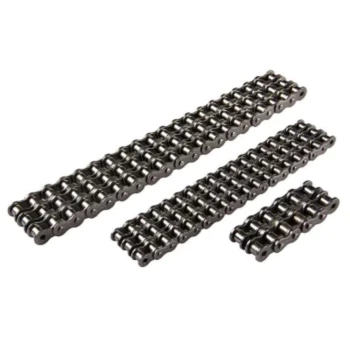
Can a drive chain be used in a material handling or warehouse automation system?
Yes, a drive chain can be used in material handling and warehouse automation systems where reliable and efficient power transmission is required. Here is a detailed explanation:
In material handling and warehouse automation systems, various types of equipment and conveyors are used to move, lift, and transport goods and materials. Drive chains offer several advantages in these applications:
- Capacité de charge élevée : Drive chains are known for their high load-carrying capacity, making them suitable for handling heavy loads in material handling and warehouse automation. They can effectively transmit power to drive mechanisms involved in lifting, conveying, and positioning materials.
- Precise Power Transmission: Drive chains provide precise power transmission, ensuring accurate and synchronized movement of the conveyor systems and equipment. This allows for reliable and efficient material handling processes, precise positioning, and synchronized operation in automated systems.
- Durabilité et fiabilité : Material handling and warehouse environments can be demanding, with continuous operation, heavy loads, and variable conditions. Drive chains are designed to withstand these challenging environments, providing durability, resistance to wear, and long service life, even in high-demand applications.
- Flexibilité et adaptabilité : Drive chains offer flexibility and adaptability in designing and configuring material handling and warehouse automation systems. They can be easily integrated into different conveyor types, such as roller conveyors, chain conveyors, or overhead conveyors, allowing for smooth and efficient material flow within the warehouse or production facility.
- Compatibility with Auxiliary Components: Drive chains can be easily combined with auxiliary components commonly used in material handling systems, such as tensioners, guides, sprockets, and bearings. This ensures reliable and efficient power transmission throughout the entire system and facilitates easy maintenance and replacement when necessary.
- Cost-Effectiveness: Drive chains offer a cost-effective solution for power transmission in material handling and warehouse automation systems. They have a long service life, reduced maintenance requirements, and lower replacement costs compared to some alternative power transmission systems.
It is important to consider the specific requirements of the material handling or warehouse automation system when selecting a drive chain. Factors such as load capacity, speed, environmental conditions, and maintenance considerations should be taken into account.
Regular maintenance, including inspection, lubrication, and tension adjustment, is crucial to ensure optimal performance and longevity of the drive chain in material handling and warehouse automation applications.
By utilizing drive chains in material handling and warehouse automation systems, operators can benefit from high load capacity, precise power transmission, durability, adaptability, and cost-effectiveness, contributing to efficient and reliable material handling processes and warehouse operations.
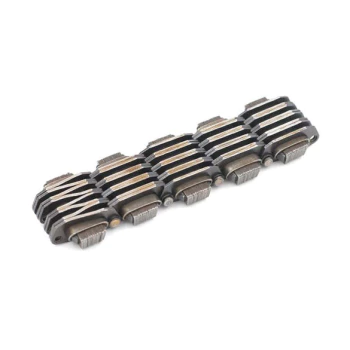
Can a drive chain be used in a woodworking or sawmill application?
Yes, a drive chain can be used in woodworking and sawmill applications, where reliable power transmission and durability are essential. Here is a detailed explanation:
In woodworking and sawmill operations, machinery and equipment such as saws, planers, jointers, and conveyors are commonly used. Drive chains offer several advantages in these applications:
- Capacité de charge élevée : Drive chains are known for their high load-carrying capacity, making them suitable for heavy-duty applications commonly found in woodworking and sawmill operations. They can handle the significant forces and loads associated with cutting, shaping, and moving timber and lumber.
- Durabilité et fiabilité : Woodworking and sawmill environments can be demanding, with conditions such as sawdust, vibrations, impacts, and variable operating temperatures. Drive chains are designed to withstand these harsh conditions and provide reliable and durable power transmission even in rugged and demanding operating environments.
- Precise Power Transmission: Drive chains offer precise power transmission, ensuring accurate and synchronized movement of the machinery components involved in woodworking and sawmill operations. This allows for consistent and reliable cutting, shaping, and material handling processes.
- Customization Options: Drive chains can be customized to suit specific woodworking and sawmill applications. They are available in various sizes, pitches, and materials to accommodate different loads, speeds, and environmental conditions.
- Compatibility with Auxiliary Components: Drive chains can be easily integrated with auxiliary components commonly used in woodworking and sawmill machinery, such as tensioners, guides, sprockets, and bearings. This allows for efficient and reliable power transmission throughout the entire system.
- Cost-Effectiveness: Drive chains offer a cost-effective solution for power transmission in woodworking and sawmill operations. They have a long service life, reduced maintenance requirements, and lower replacement costs compared to some alternative power transmission systems.
It is important to consider the specific requirements of the woodworking or sawmill application when selecting a drive chain. Factors such as load capacity, speed, environmental conditions, and maintenance considerations should be taken into account.
Regular maintenance, including inspection, lubrication, and tension adjustment, is crucial to ensure optimal performance and longevity of the drive chain in woodworking and sawmill applications.
By utilizing drive chains in woodworking and sawmill operations, operators can benefit from reliable power transmission, durability, and the ability to withstand the challenging conditions encountered in these industries, ultimately contributing to efficient and precise woodworking and lumber processing.
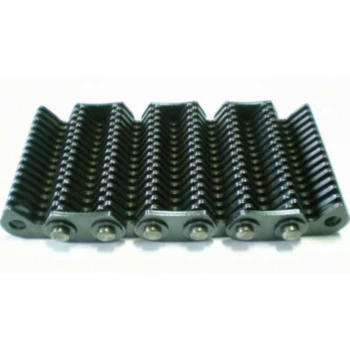
What are the signs of a worn-out drive chain?
A worn-out drive chain can significantly impact the performance and safety of a machine or system. It is important to recognize the signs of a worn-out drive chain to address the issue promptly. Here are some common signs to look out for:
- 1. Chain Elongation: Excessive chain elongation is a clear indication of wear. You can measure chain elongation by comparing the current chain length to its original length. If the chain has elongated beyond the manufacturer’s recommended limit, it is a sign of wear and requires replacement.
- 2. Visible Signs of Wear: Inspect the drive chain for visible signs of wear, such as worn-out or distorted chain links, rollers, or plates. Look for signs of corrosion, pitting, or discoloration, indicating the chain’s deterioration.
- 3. Chain Slack: Excessive chain slack, where the chain visibly sags or has too much play, is an indicator of wear. A properly tensioned chain should have a minimal amount of slack, and excessive slack suggests elongation and a need for replacement.
- 4. Noise and Vibration: A worn-out drive chain often produces increased noise and vibration during operation. If you notice unusual rattling, clanking, or grinding sounds, or if you feel excessive vibrations, it may be a sign of a worn chain.
- 5. Poor Power Transmission: A worn-out chain may struggle to efficiently transfer power, resulting in reduced performance and power loss. You may experience a decrease in acceleration, sluggishness, or difficulty maintaining consistent speed.
- 6. Poor Gear Shifting: In applications where the drive chain is connected to gears, a worn chain can cause difficulties in gear shifting, resulting in jerky or unreliable gear changes.
- 7. Increased Chain Tension: As a chain wears, it may require frequent tension adjustments to maintain proper alignment and operation. If you find yourself frequently adjusting the chain tension, it may be a sign of wear.
If you observe any of these signs, it is recommended to replace the worn-out drive chain promptly to avoid further damage and ensure the safe and efficient operation of the machinery.


Édité par CX le 03/05/2024