Descripción del Producto
Colección de productos
Descripción del Producto
Nuestra cadena silenciosa de la serie QLD es una cadena de transmisión de potencia. Diseñado para aplicaciones de alta velocidad y alto par.Se caracteriza por su funcionamiento silencioso, su larga vida útil y su alta eficiencia.
La cadena presenta una construcción de alta resistencia que le permite soportar cargas pesadas y altas velocidades sin estirarse ni romperse.
Cuando necesite un diseño específico, podemos ofrecerle soluciones personalizadas en función de sus necesidades. Ya sea que necesite características, planos, materiales o especificaciones específicas, nuestro equipo puede trabajar para garantizar que obtenga una cadena que satisfaga plenamente sus necesidades.
¿Estás buscando otras cadenas?
Deja tu mensaje a continuación y No dude en ponerse en contacto con nosotros.!
Preguntas frecuentes
| Pregunta 1: ¿Es usted fabricante o empresa comercial? |
| Respuesta: Somos un fabricante de cadenas 100% con 23 años de experiencia. |
| Pregunta 2: ¿Qué información debo proporcionar para obtener un presupuesto? |
| Respuesta: 1. Tipo de cadena (con fotos si están disponibles) 2. Paso de la cadena 3. Ancho de la cadena 4. Longitud y cantidad de la cadena 5. Otros requisitos específicos |
| Pregunta 3: ¿Cuánto tiempo tardan en fabricar y entregar los productos? |
| Respuesta: Los productos suelen estar listos en 2 semanas, dependiendo del tipo y la cantidad. Además, contáctenos para consultar el plazo de entrega a su destino. |
| Pregunta 4: ¿Cuál es el plazo garantizado? |
| Respuesta: Ofrecemos una garantía de tres años si compra cadenas y piñones a juego juntos. Si solo necesita cadenas, también puede confirmar una garantía de un año. |
| Pregunta 5: ¿Términos comerciales y condiciones de pago? |
| Respuesta: Aceptamos EXW, FOB, DDU y entrega a domicilio. Se aceptan formas de pago como transferencia bancaria (T/T), carta de crédito (L/C) y Western Union. También ofrecemos el servicio de comercio electrónico en esta plataforma B2B. |
Perfil de la empresa
|
Costo de envío:
Coste estimado por unidad. |
Por negociar |
|---|
| Estándar o no estándar: | Estándar |
|---|---|
| Solicitud: | Maquinaria textil, maquinaria para la confección, equipos de transporte, maquinaria de embalaje, maquinaria para la industria alimentaria, maquinaria naval, equipos para la minería y maquinaria agrícola. |
| Estructura: | Cadena dentada |
| Muestras: |
US$ 100/Metro
1 metro (pedido mínimo) | Solicitar muestra |
|---|
| Personalización: |
Disponible
| Solicitud personalizada |
|---|
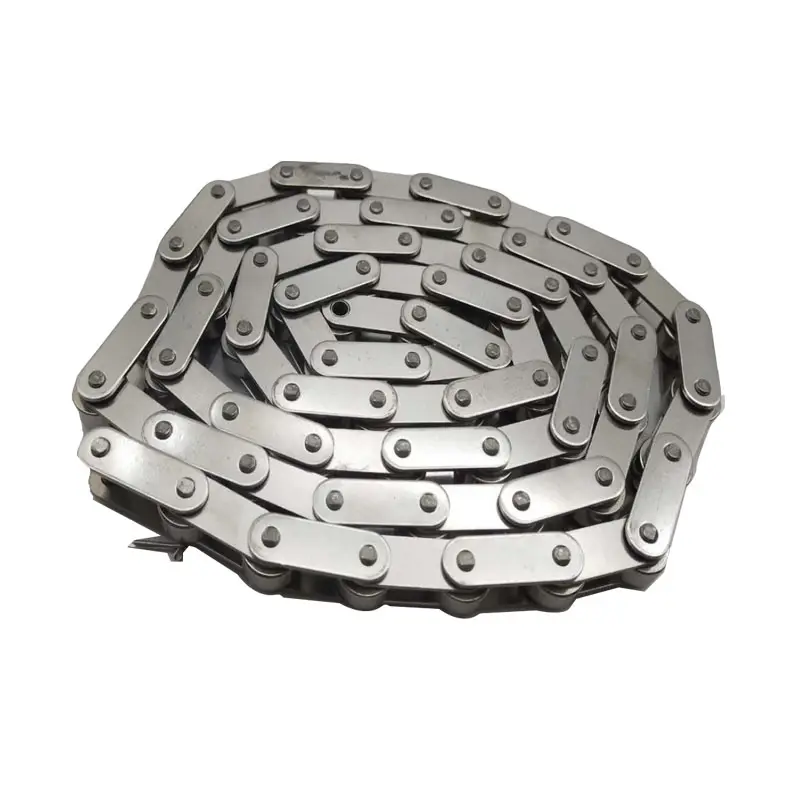
¿Cómo afecta la tensión de la cadena al funcionamiento de una cadena de transmisión?
La tensión de la cadena desempeña un papel crucial en el funcionamiento de una cadena de transmisión. A continuación, se ofrece una explicación detallada:
1. Transmisión de potencia adecuada: La tensión en una cadena de transmisión garantiza la transferencia de potencia del piñón motriz al piñón conducido. Una tensión adecuada es necesaria para evitar el deslizamiento y asegurar una transmisión de potencia eficiente. Una tensión insuficiente puede provocar pérdida de potencia, menor eficiencia y posible desenganche de la cadena, mientras que una tensión excesiva puede causar un estrés excesivo en la cadena y otros componentes.
2. Funcionamiento suave: Una tensión óptima de la cadena favorece un funcionamiento suave y constante de la transmisión. Ayuda a mantener el acoplamiento entre la cadena y los piñones, asegurando una transmisión continua y fiable de la fuerza de rotación. Con la tensión adecuada, la cadena se desliza suavemente sobre los dientes del piñón, minimizando las vibraciones, el ruido y el riesgo de descarrilamiento.
3. Desgaste y fatiga de la cadena: Una tensión inadecuada de la cadena puede acelerar su desgaste y fatiga. Una tensión insuficiente puede provocar que la cadena roce con los dientes del piñón, causando un desgaste y elongación prematuros. Por otro lado, una tensión excesiva puede aumentar la tensión en la cadena, provocando una fatiga acelerada y una posible falla de la cadena u otros componentes.
4. Vida útil y fiabilidad de los componentes: Mantener la tensión correcta de la cadena contribuye a la durabilidad y fiabilidad de todo el sistema de transmisión. Una tensión adecuada reduce la probabilidad de elongación, desgaste excesivo y fallos prematuros de la cadena. Al minimizar estos problemas, se prolonga la vida útil de la cadena de transmisión y sus componentes, como piñones y cojinetes, lo que se traduce en una mayor fiabilidad general y una reducción de los costes de mantenimiento.
5. Seguridad: La tensión de la cadena es fundamental para garantizar un funcionamiento seguro. Una cadena de transmisión con la tensión adecuada reduce el riesgo de desenganche o descarrilamiento inesperado, lo que podría provocar accidentes o daños en el equipo. Es importante seguir las instrucciones del fabricante o consultar con expertos para determinar la tensión recomendada para cada tipo de cadena y aplicación.
La inspección y el ajuste periódicos de la tensión de la cadena son esenciales para mantener un rendimiento y una seguridad óptimos. El control de la tensión y los ajustes necesarios previenen el desgaste prematuro, mejoran la eficiencia y garantizan el funcionamiento fiable de la cadena de transmisión.
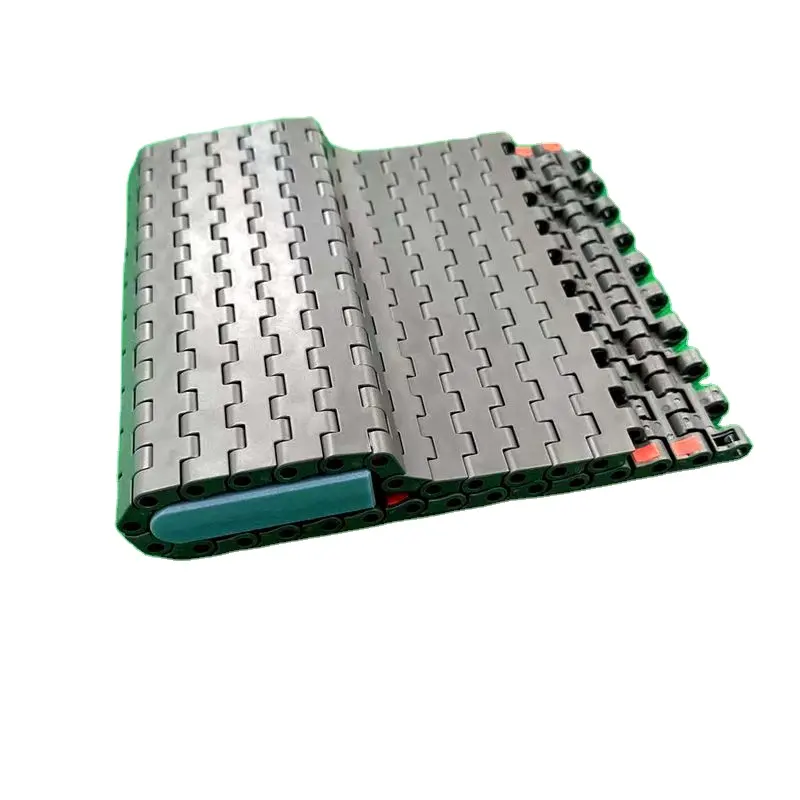
¿Cómo influye la elección del lubricante en el rendimiento de una cadena de transmisión?
La elección del lubricante desempeña un papel fundamental para garantizar el rendimiento óptimo y la durabilidad de una cadena de transmisión. A continuación, se ofrece una respuesta detallada a la pregunta:
1. Menor fricción y desgaste: Los lubricantes crean una película protectora entre las partes móviles de la cadena de transmisión, lo que reduce la fricción y el desgaste. Esto ayuda a minimizar el contacto metal con metal y a prevenir daños en la superficie, prolongando así la vida útil de la cadena.
2. Mayor eficiencia: Una lubricación adecuada reduce las pérdidas de energía por fricción, mejorando la eficiencia general del sistema de transmisión. Al disminuir la resistencia a la fricción, el lubricante permite una transmisión de potencia más fluida, reduciendo el consumo de energía y aumentando la eficiencia del sistema.
3. Disipación de calor: Los lubricantes ayudan a disipar el calor absorbiéndolo y disipándolo durante el funcionamiento de la cadena. Esto ayuda a prevenir un aumento excesivo de la temperatura de la cadena, lo que puede provocar un desgaste acelerado, la degradación del lubricante y una posible falla de la cadena.
4. Protección contra la corrosión: Los lubricantes proporcionan una barrera protectora contra la humedad y otros elementos corrosivos. Esto ayuda a prevenir la oxidación y la corrosión, que pueden debilitar la cadena y reducir su rendimiento. Elegir un lubricante con propiedades anticorrosivas es fundamental, especialmente en entornos hostiles o corrosivos.
5. Eliminación de contaminantes: Los lubricantes ayudan a eliminar contaminantes como suciedad, polvo y residuos de las superficies de contacto de la cadena. Esto evita que las partículas abrasivas provoquen un desgaste prematuro y daños en la cadena, garantizando un funcionamiento suave y reduciendo el riesgo de rotura.
6. Estabilidad térmica: Los distintos lubricantes presentan diferentes propiedades de estabilidad térmica. Es fundamental seleccionar un lubricante que mantenga su viscosidad y propiedades lubricantes dentro del rango de temperatura de funcionamiento de la cadena de transmisión. Esto garantiza una lubricación y un rendimiento uniformes en diversas condiciones de temperatura.
7. Compatibilidad: Es importante elegir un lubricante compatible con los materiales de la cadena de transmisión. Algunos lubricantes pueden reaccionar con ciertos materiales de la cadena, provocando su degradación o daños. Garantizar la compatibilidad ayuda a mantener la integridad de la cadena y evita efectos adversos.
8. Intervalo de lubricación: La elección del lubricante también puede afectar el intervalo de lubricación, es decir, la frecuencia con la que se debe volver a lubricar la cadena. Algunos lubricantes ofrecen propiedades de lubricación más duraderas, lo que reduce los requisitos de mantenimiento y el tiempo de inactividad asociados con la lubricación frecuente.
Es fundamental seguir las recomendaciones y directrices del fabricante en cuanto a la lubricación de la cadena de transmisión específica. Se deben implementar inspecciones, monitoreo y prácticas de mantenimiento adecuadas para garantizar que la cadena se mantenga lubricada correctamente y así lograr un rendimiento y una vida útil óptimos.
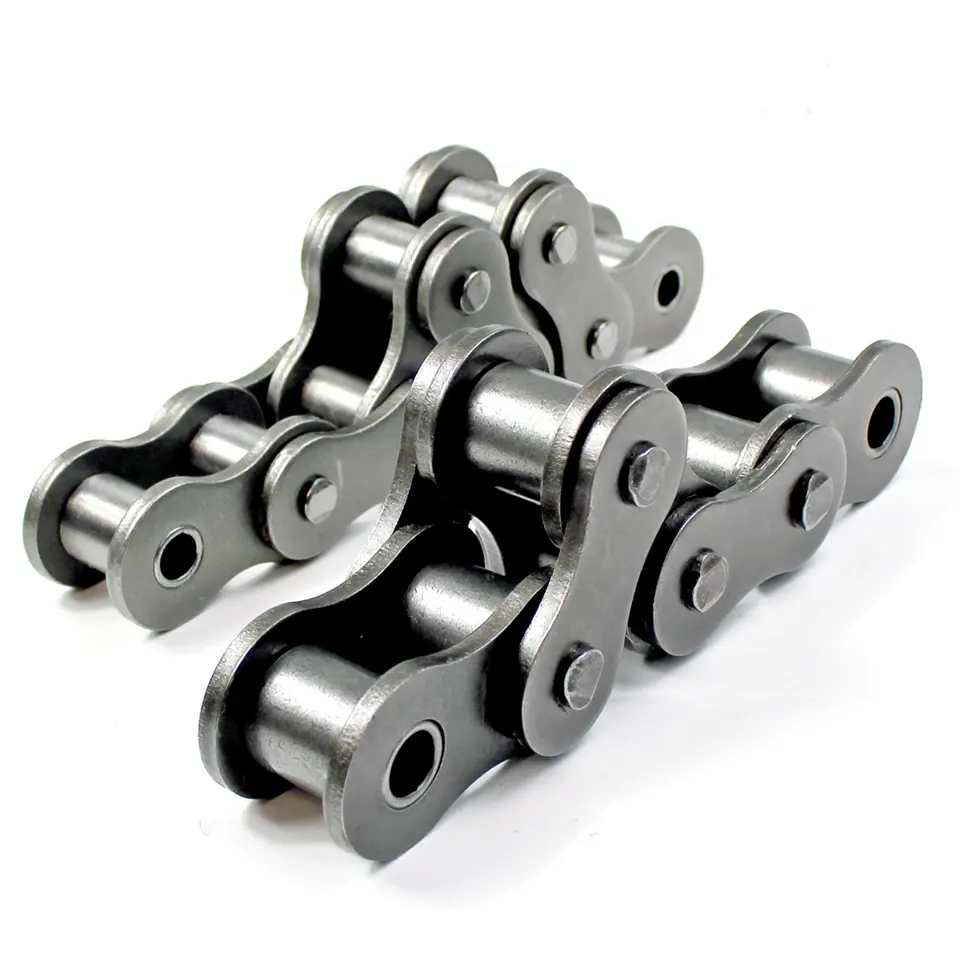
¿Cuáles son las ventajas de utilizar una cadena de transmisión autolubricante?
Una cadena de transmisión autolubricante, también conocida como cadena libre de mantenimiento, ofrece varias ventajas en diversas aplicaciones. Estos son los principales beneficios:
- Mantenimiento reducido: Las cadenas autolubricantes eliminan la necesidad de lubricación manual regular, lo que reduce el tiempo y los costos de mantenimiento. Están diseñadas con sistemas de lubricación integrados que liberan lubricante continuamente según sea necesario, lo que garantiza un rendimiento óptimo de la cadena.
- Mayor vida útil de la cadena: La lubricación constante y controlada que proporcionan las cadenas autolubricantes ayuda a reducir la fricción, el desgaste y la corrosión, prolongando así la vida útil de la cadena. Esto se traduce en una mayor fiabilidad y una menor inactividad.
- Mayor eficiencia: Las cadenas autolubricantes mantienen su lubricación durante un período prolongado, lo que favorece una transmisión de potencia fluida y eficiente. Esto ayuda a minimizar las pérdidas de potencia y a maximizar la eficiencia general del sistema.
- Entorno más limpio: Dado que las cadenas autolubricantes liberan lubricante solo cuando es necesario, se reduce la posibilidad de que se acumule un exceso de lubricante y contamine el entorno. Esto las hace idóneas para aplicaciones donde la limpieza es fundamental, como el procesamiento de alimentos, la industria farmacéutica y los entornos de salas blancas.
- Rendimiento constante: La función de autolubricación garantiza un suministro constante y fiable de lubricante a las zonas críticas de la cadena, incluso en condiciones de funcionamiento exigentes. Esto contribuye a mantener un rendimiento constante y a reducir el riesgo de fallos prematuros de la cadena.
- Versatilidad de aplicación: Las cadenas autolubricantes están disponibles en diversos tamaños y configuraciones, lo que las hace adecuadas para una amplia gama de aplicaciones. Se pueden utilizar en industrias como la automotriz, el embalaje, la manipulación de materiales y la automatización.
Al elegir una cadena de transmisión autolubricante, podrá disfrutar de las ventajas de un mantenimiento reducido, una mayor vida útil de la cadena, una eficiencia mejorada, un medio ambiente más limpio, un rendimiento constante y una mayor versatilidad de aplicación.


Editor por CX 2023-09-01