Descripción del Producto
| 1) Tipo | cadena de rodillos |
| 2) Materiales | A class steel |
| 3) Cadena No. | 525/525h |
| 4) Garantía | 30000 KM |
| 5) Proceso | Chorro de arena, tratamiento térmico, High speed impact, Four sides riveting, Pre-stretching and running, Lubricate with grease. |
| 6) Cantidad mínima de pedido | 1000 unidades |
| 7) Capacidad de suministro | 100.000 contadores por año |
| 8) Resistencia a la tracción | estándar o superior |
| 9) Tiempo de entrega | dentro de los 30 días posteriores a la recepción de sus depósitos 30% |
| 10) Condiciones de pago | 30%deposit and balanced by L/C,T/T |
| 11) Embalaje | Las cadenas se empaquetan en bolsas de polietileno y cajas de colores; también podemos empaquetarlas según sus requisitos. |
Nuestros servicios
Preventa:
1. Servicio OEM y ODM
2. Cualquier consulta que usted realice será respondida en un plazo de 24 horas.
3. Se ofrecerá información completa sobre el producto.
4. Se enviará una muestra gratuita si la necesita.
5. Cualquier otro requisito razonable según lo solicitado.
Durante la producción, proporcionamos:
1. Calendario de producción
2. Se ofrecerá una imagen de la producción en masa.
3. Cualquier otro requisito razonable según lo solicitado.
Finalizar la producción:
1. Número de seguimiento del servicio de mensajería
2. Documentos que necesita
3. Protection of your sales area, ideas of design and all your private information.
Preguntas frecuentes:
Q1: Do you inspect the finished products?
A: Yes, each step of production and finished products will be carried out inspection by QC departing before shipping.
Q2: What’s the warranty of your products?
A: Usually we guarantee 1 year after delivery date, but depending on the specified product.
P3: ¿Son ustedes fabricantes o empresa comercial?
R: Ambos lo somos. Llevamos casi 20 años en el negocio de repuestos para motocicletas.
Q4: How to visit factory?
A: Leave us a message, and we will pick you up by car for free.
Q5: Can you do custom logo on the chain?
A: Yes,we can do custom logos by molding. Need your Authorization Letter.
please contact with me at any time
| Tipo: | Cadena |
|---|---|
| Material: | Acero |
| Proceso de dar un título: | ISO 9001:2001 |
| Número de fila: | Fila única |
| Tratamiento de superficie: | Chorro de arena, engrasado |
| Paquete de transporte: | Bolsa de polietileno + Caja de color + Cartón |
| Muestras: |
US$ 0/Pieza
1 unidad (pedido mínimo) | |
|---|
| Personalización: |
Disponible
| Solicitud personalizada |
|---|
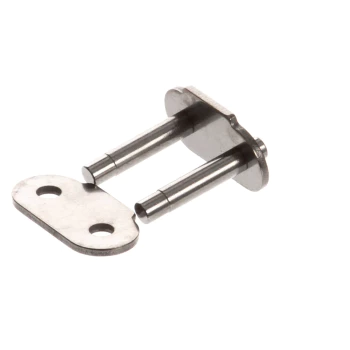
¿Cómo afecta el método de lubricación al rendimiento de una cadena de transmisión?
El método de lubricación utilizado para una cadena de transmisión influye significativamente en su rendimiento y durabilidad. A continuación, se ofrece una explicación detallada:
Una lubricación adecuada es esencial para garantizar el funcionamiento suave y eficiente de una cadena de transmisión. Reduce la fricción, minimiza el desgaste y previene la corrosión entre las partes móviles de la cadena. El método de lubricación elegido puede afectar el rendimiento de la cadena de transmisión de las siguientes maneras:
- Menor fricción y desgaste: Una lubricación adecuada forma una capa protectora entre las partes móviles de la cadena, reduciendo el contacto metal con metal y minimizando la fricción. Esto ayuda a prevenir el desgaste excesivo, el alargamiento y la falla prematura de la cadena. El lubricante actúa como una barrera, permitiendo que la cadena funcione con menor resistencia y mayor eficiencia.
- Disipación de calor: Una lubricación adecuada ayuda a disipar el calor generado por la fricción entre los componentes de la cadena durante su funcionamiento. Esto evita el sobrecalentamiento y la posible degradación del lubricante, asegurando que la cadena opere dentro de su rango de temperatura de diseño. Una disipación de calor eficaz contribuye a la durabilidad y al rendimiento óptimo de la cadena de transmisión.
- Protección contra la corrosión: La lubricación proporciona una capa protectora a la cadena, protegiéndola de la humedad, los contaminantes y las sustancias corrosivas. Esto es especialmente importante en entornos donde la cadena está expuesta al agua, productos químicos o condiciones de funcionamiento adversas. El lubricante previene la oxidación y la corrosión, preservando la integridad de la cadena y prolongando su vida útil.
- Reducción de ruido y vibraciones: Una lubricación adecuada ayuda a reducir el ruido y la vibración generados por la cadena de transmisión durante su funcionamiento. Actúa como amortiguador, absorbiendo y minimizando la transmisión de vibraciones, lo que resulta en un funcionamiento más suave y silencioso de la cadena. Esto contribuye a un entorno de trabajo más cómodo y productivo.
- Selección de lubricante: La elección del lubricante depende de diversos factores, como la aplicación, las condiciones de funcionamiento, la temperatura, la velocidad y los requisitos de carga. Diferentes lubricantes, como aceites, grasas o lubricantes sólidos, pueden ser adecuados para distintas aplicaciones. El lubricante debe ser compatible con el material de la cadena y poseer la viscosidad, la resistencia a la temperatura y las propiedades lubricantes necesarias para satisfacer las exigencias específicas de la cadena de transmisión.
- Frecuencia de lubricación adecuada: El método de lubricación también incluye determinar la frecuencia adecuada. Es necesario establecer intervalos de lubricación regulares según las condiciones de funcionamiento de la cadena y las recomendaciones del fabricante. Tanto la lubricación insuficiente como la excesiva pueden provocar problemas de rendimiento, como mayor fricción, mala distribución del lubricante o acumulación acelerada de contaminantes.
Es fundamental seguir las directrices y recomendaciones del fabricante en cuanto a métodos de lubricación, tipos de lubricante e intervalos de lubricación para la cadena de transmisión específica. Se deben realizar inspecciones y mantenimientos periódicos para controlar la eficacia de la lubricación y asegurar la correcta reposición del lubricante.
Al seleccionar el método de lubricación adecuado y mantener una lubricación correcta, los operarios pueden optimizar el rendimiento, la fiabilidad y la vida útil de la cadena de transmisión, lo que contribuye a un funcionamiento más suave, un menor desgaste y una mayor eficiencia general.
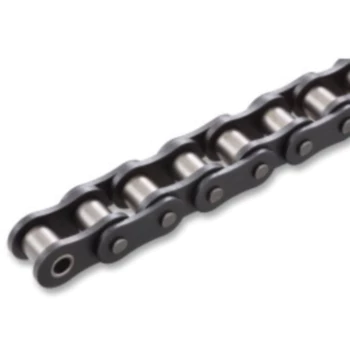
¿Cómo afecta la holgura o el juego en una cadena de transmisión a su rendimiento?
La presencia de holgura o juego en una cadena de transmisión puede tener un impacto significativo en su rendimiento y funcionamiento general. A continuación, se ofrece una explicación detallada:
El juego o holgura se refiere a la pequeña cantidad de movimiento libre o separación entre los componentes acoplados de una cadena de transmisión, normalmente entre la cadena y los piñones. Esta holgura puede provocar varios problemas relacionados con el rendimiento:
- Precisión reducida: La holgura puede provocar una pérdida de exactitud y precisión en el posicionamiento y movimiento de los componentes accionados. La presencia de juego libre puede ocasionar un posicionamiento inconsistente, lo que conlleva imprecisiones en el funcionamiento de la máquina o en la calidad del producto.
- Pérdida de potencia y eficiencia: La holgura provoca una pérdida de eficiencia en la transmisión de potencia. Cuando la cadena engrana con los piñones, cualquier movimiento libre o juego reduce la transferencia efectiva de potencia, lo que resulta en una menor eficiencia y una posible pérdida de energía.
- Vibración y ruido: La holgura puede provocar vibraciones y ruido durante el funcionamiento. El libre movimiento de la cadena puede causar ruidos de traqueteo, golpeteo o crujidos, así como vibraciones, lo que puede afectar el rendimiento general del sistema y la comodidad del operario.
- Potencial de saltos o omisiones en la cadena: Un juego excesivo puede provocar que la cadena salte o se deslice sobre los piñones, interrumpiendo o haciendo irregular la transmisión de potencia. Esto puede causar sacudidas repentinas, desalineación o incluso el descarrilamiento de la cadena, afectando el rendimiento general del sistema y pudiendo dañar la cadena u otros componentes.
- Disminución de la respuesta del sistema: La holgura afecta la capacidad de respuesta del sistema. Cuando hay un juego excesivo, el sistema puede no responder con rapidez ni precisión a los cambios en la entrada o los comandos. Esto puede resultar problemático en aplicaciones que requieren movimientos o controles precisos e inmediatos.
Para mitigar los efectos negativos del juego libre, es importante minimizar o controlar la holgura dentro del sistema de la cadena de transmisión. Esto se puede lograr mediante una tensión adecuada de la cadena, la alineación de los piñones y el uso de dispositivos o mecanismos anti-juego libre.
La inspección y el mantenimiento regulares son cruciales para identificar y corregir cualquier holgura excesiva en la cadena de transmisión. Mantener la tensión y la lubricación adecuadas, así como revisar y ajustar periódicamente la alineación de los piñones, ayuda a minimizar la holgura y garantiza un rendimiento óptimo de la cadena.
Es fundamental consultar las directrices y recomendaciones del fabricante para el sistema de cadena de transmisión específico, a fin de determinar los niveles aceptables de holgura y las medidas adecuadas para reducir su impacto en el rendimiento.
Al minimizar la holgura o el juego en la cadena de transmisión, los operadores pueden garantizar una transmisión de potencia precisa, una mayor eficiencia, una reducción del ruido y las vibraciones, lo que en última instancia conduce a un mejor rendimiento y productividad general del sistema.
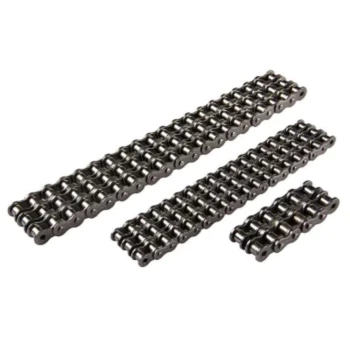
¿Qué es una cadena de transmisión y cómo funciona?
Una cadena de transmisión es un componente mecánico que se utiliza para transmitir potencia de una parte de una máquina o sistema a otra. Generalmente consta de una serie de eslabones o rodillos interconectados que forman un mecanismo flexible y resistente. Las cadenas de transmisión se utilizan comúnmente en diversas aplicaciones, como bicicletas, motocicletas, maquinaria industrial y sistemas automotrices.
El principio de funcionamiento de una cadena de transmisión consiste en la transferencia de movimiento rotacional o potencia desde una rueda dentada o engranaje motriz a una rueda dentada o engranaje conducido. A continuación, se explica paso a paso cómo funciona una cadena de transmisión típica:
- La fuerza motriz se aplica al primer componente de la cadena de transmisión, generalmente un piñón.
- A medida que gira la rueda dentada motriz, esta se acopla con los eslabones o rodillos de la cadena.
- La fuerza motriz se transfiere desde la rueda dentada motriz a los eslabones de la cadena o a los rodillos.
- Los eslabones de la cadena o los rodillos transmiten el movimiento de rotación a la rueda dentada accionada.
- La rueda dentada accionada, conectada al componente accionado, gira y transfiere la potencia al mecanismo correspondiente, como ruedas u otras piezas móviles.
La eficiencia y el rendimiento de una cadena de transmisión dependen de factores como la calidad de los componentes, la lubricación adecuada, el ajuste de la tensión y el mantenimiento. Es fundamental asegurar que la cadena esté correctamente alineada y tensada para minimizar el desgaste y maximizar la transmisión de potencia.
En general, las cadenas de transmisión desempeñan un papel vital en la transmisión de potencia al transferir de manera eficiente el movimiento de rotación de un componente a otro, lo que permite el funcionamiento de diversos sistemas mecánicos.


Editor por CX 10/08/2023