Descripción del Producto
Fotos detalladas
Descripción del Producto
Un transportador aéreo es un tipo de sistema de transporte que se instala sobre el área de trabajo, generalmente en entornos de fabricación o industriales. Se utiliza para trasladar productos, materiales o componentes de un punto a otro en una fábrica o almacén, y es particularmente útil para transportar artículos pesados o voluminosos que son difíciles de mover manualmente.
Las cintas transportadoras aéreas se utilizan habitualmente en diversas aplicaciones, como líneas de montaje de automóviles, procesamiento de alimentos y bebidas, manipulación y distribución de materiales, y sistemas de almacenamiento y recuperación. Se pueden utilizar tanto para el transporte horizontal como vertical y permiten mover productos a lo largo de una trayectoria fija o en un circuito continuo.
Algunos usos específicos de los transportadores aéreos incluyen:
-
Transporte en la línea de montaje: Las cintas transportadoras aéreas se utilizan habitualmente en las líneas de montaje de fabricación para transportar piezas y componentes a las diferentes estaciones de trabajo a lo largo de la línea.
-
Recubrimiento en polvo: En las operaciones de recubrimiento en polvo, se utilizan cintas transportadoras aéreas para trasladar los productos a través de una cabina de pintura, donde se recubren con un polvo seco antes de ser curados en un horno.
| Artículo de repuesto | Características | Foto |
| Pista de subida y bajada | Para zonas con pendiente ascendente o descendente. El diámetro estándar es de 1,2 metros, con un ángulo de 180º. Se puede cortar según los ángulos necesarios para cualquier condición de instalación. El ángulo no debe ser superior a 45º. Se debe tener en cuenta la distancia entre dos soportes adyacentes. | |
| Comprobar la pista | Hay una trampilla que permite abrir la vía; a través de ella, el operario puede desmontar, instalar, revisar o realizar el mantenimiento de las cadenas transportadoras. El dispositivo de accionamiento de cada ruta de transporte suele estar ubicado entre el motriz y el dispositivo de recogida para facilitar la revisión y el mantenimiento. | |
| Dispositivo de recogida
(Tensor) |
Mantenga las cadenas en el estado de tensión original y compense la deformación por tracción causada por la fuerza de tracción o la deformación telescópica causada por la variación de temperatura durante el funcionamiento. Asegúrese de que exista una fuerza de tensión adecuada entre el conductor y el dispositivo de recogida. Instálelo detrás del conductor a una distancia de entre 3 y 6 metros. Es preferible que no haya una guía vertical detrás del dispositivo de recogida. |
|
| Vía recta | Para tramos rectos de la cadena transportadora. Se puede cortar según las condiciones específicas de instalación. La longitud estándar es de 3 metros. | |
| Dispositivo de accionamiento Caterpillar | Dos tipos: tipo estándar y tipo de alta resistencia. El dispositivo de accionamiento ajusta el impulso que produce el motor, después de que la unidad reductora de velocidad aumenta su potencia, la cual se transmite a la oruga motriz, a los dientes de empuje sobre los que se transporta la cadena para que esta pueda avanzar. |
|
| Percha | Varios tipos de perchas: Percha de tipo cruz; Percha tipo Y; Yo escribo percha; Soporte de rueda dentada; Soporte tipo U; Soporte de cojinete; Personalizado. |
|
| Pulverizador de aceite automático | Especialmente diseñado para diversas cadenas transportadoras automáticas;
Más conveniente comprobar el volumen de aceite de alimentación de aceite diyusyion nsdrf CHINAMFG en las tuberías de aceite transparentes. |
Preguntas frecuentes
P1: ¿Son ustedes una empresa comercial o un fabricante?
A: Somos una fábrica.
P2: ¿Cuánto tiempo tarda la entrega y el envío?
1. Plazos de entrega de muestra: generalmente 30 días hábiles.
2. Plazo de producción: 60 días hábiles después de recibir su depósito.
P3. ¿Cuáles son sus condiciones de pago?
A: T/T 30% como depósito y 70% antes de la entrega.
Te mostraremos las fotos de los productos y los paquetes antes de que pagues el saldo.
P4: ¿Cuáles son sus ventajas?
1. Fabricante, el precio más competitivo y buena calidad.
2. Nuestros ingenieros técnicos altamente cualificados le brindan el mejor soporte.
3. Se ofrece servicio OEM.
4. Amplio stock y entrega rápida.
P5. Si no encuentra el producto en nuestro sitio web, ¿qué debe hacer a continuación?
Por favor, envíenos su consulta con imágenes y dibujos del producto por correo electrónico u otros medios y la revisaremos.
/* 22 de enero de 2571 19:08:37 */!function(){function s(e,r){var a,o={};try{e&&e.split(“”,).forEach(function(e,t){e&&(a=e.match(/(.*?):(.*)$/))&&1
| Material: | Aleación |
|---|---|
| Estructura: | Cadena combinada |
| Tratamiento de superficie: | Pulido |
| Personalización: |
Disponible
| Solicitud personalizada |
|---|
.shipping-cost-tm .tm-status-off{background: none;padding:0;color: #1470cc}
|
Costo de envío:
Coste estimado por unidad. |
sobre el costo de envío y el tiempo estimado de entrega. |
|---|
| Método de pago: |
|
|---|---|
|
Pago inicial Pago completo |
| Divisa: | US$ |
|---|
| Devoluciones y reembolsos: | Puedes solicitar un reembolso hasta 30 días después de recibir los productos. |
|---|
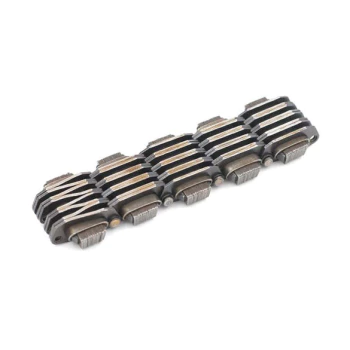
¿Cuáles son las ventajas de utilizar un recubrimiento resistente a la corrosión en una cadena de transmisión?
Un recubrimiento resistente a la corrosión ofrece varias ventajas cuando se aplica a una cadena de transmisión. A continuación, se ofrece una explicación detallada:
Las cadenas de transmisión utilizadas en diversas aplicaciones suelen estar expuestas a entornos hostiles que pueden provocar corrosión, como humedad, productos químicos, contaminantes o alta humedad ambiental. La aplicación de un recubrimiento anticorrosivo a la cadena ofrece las siguientes ventajas:
- Protección contra la corrosión: La principal ventaja de un recubrimiento anticorrosivo radica en su capacidad para proteger la cadena de los elementos corrosivos. El recubrimiento actúa como una barrera, impidiendo que la humedad, los productos químicos y otros agentes corrosivos lleguen a la superficie de la cadena. Esto ayuda a inhibir o ralentizar el proceso de corrosión, prolongando la vida útil de la cadena y reduciendo el riesgo de fallos prematuros.
- Mayor durabilidad: Al añadir un recubrimiento anticorrosivo, la durabilidad de la cadena de transmisión mejora significativamente. Este recubrimiento ayuda a prevenir la oxidación, el óxido y la degradación, manteniendo así la integridad estructural de la cadena y conservando sus propiedades mecánicas. Esto se traduce en una mayor vida útil y reduce la necesidad de reemplazar la cadena con frecuencia.
- Requisitos de mantenimiento reducidos: Un recubrimiento anticorrosivo reduce el mantenimiento necesario para mantener la cadena en óptimas condiciones. Al proporcionar una capa protectora, se reduce la necesidad de lubricación o limpieza frecuentes para combatir la corrosión. Esto conlleva una disminución de los costos de mantenimiento y del tiempo de inactividad, lo que contribuye a una mayor eficiencia operativa.
- Compatibilidad con entornos adversos: En aplicaciones donde la cadena está expuesta a productos químicos agresivos, alta humedad, agua salada u otras sustancias corrosivas, es fundamental un recubrimiento resistente a la corrosión. Este recubrimiento garantiza la fiabilidad y el rendimiento de la cadena incluso en entornos exigentes, como aplicaciones marinas, de procesamiento químico o al aire libre.
- Promoción de la limpieza y la higiene: Algunos recubrimientos anticorrosivos están diseñados para ser lisos y fáciles de limpiar. Esto favorece la limpieza e higiene en aplicaciones donde la limpieza es fundamental, como el procesamiento de alimentos, la industria farmacéutica o los entornos de salas blancas. El recubrimiento evita la acumulación de contaminantes, lo que facilita la limpieza de la cadena y el cumplimiento de las normativas del sector.
- Estética mejorada: Un recubrimiento anticorrosivo puede realzar el atractivo visual de la cadena. Proporciona una apariencia limpia y profesional, lo cual es especialmente importante en aplicaciones donde la cadena es visible, como en diseños arquitectónicos o instalaciones decorativas.
Es importante tener en cuenta que, al seleccionar un recubrimiento anticorrosivo adecuado, se deben considerar los requisitos específicos de la aplicación, las condiciones ambientales y la compatibilidad del recubrimiento con el material de la cadena.
Se recomienda seguir realizando inspecciones periódicas y prácticas de mantenimiento adecuadas, incluyendo limpieza y lubricación regulares, para garantizar el rendimiento óptimo y la durabilidad de la cadena de transmisión, incluso con un revestimiento resistente a la corrosión.
Mediante el uso de un recubrimiento resistente a la corrosión en la cadena de transmisión, los operarios pueden beneficiarse de la protección contra la corrosión, una mayor durabilidad, menores requisitos de mantenimiento, compatibilidad con entornos hostiles, limpieza, una estética mejorada y, en definitiva, un rendimiento fiable y duradero de la cadena.
¿Cómo se compara la eficiencia de una cadena de transmisión con la de otros sistemas de transmisión de potencia?
La eficiencia de una cadena de transmisión puede variar según factores como el tipo de cadena, el diseño, la lubricación y las condiciones de funcionamiento. A continuación, se presenta una explicación detallada de cómo se compara la eficiencia de una cadena de transmisión con la de otros sistemas de transmisión de potencia:
- Alta eficiencia: Las cadenas de transmisión son conocidas por su alta eficiencia en la transmisión de potencia. Con una lubricación y un mantenimiento adecuados, pueden alcanzar niveles de eficiencia de 95% o superiores, lo que significa que se pierde una cantidad mínima de potencia durante la transmisión.
- Comparable a otros sistemas: La eficiencia de una cadena de transmisión es generalmente comparable a la de otros sistemas comunes de transmisión de potencia, como las transmisiones por correa y por engranajes. Cada sistema tiene sus propias ventajas y consideraciones, y su eficiencia puede ser similar cuando opera en condiciones óptimas.
- Factores que afectan la eficiencia: La eficiencia de una cadena de transmisión puede verse influenciada por diversos factores, como el tipo y diseño de la cadena, el estado de los piñones, el nivel de lubricación, la alineación del sistema y la tensión de la cadena. Una correcta selección, instalación y mantenimiento son fundamentales para maximizar la eficiencia de una cadena de transmisión.
- Pérdidas en la transmisión de energía: A pesar de su alta eficiencia, las cadenas de transmisión experimentan algunas pérdidas de potencia durante su funcionamiento. Estas pérdidas se deben a la fricción interna de la cadena, al deslizamiento en los puntos de contacto entre la cadena y los piñones, y a otros factores mecánicos. Sin embargo, estas pérdidas pueden minimizarse mediante una lubricación y un tensado adecuados de la cadena.
En resumen, las cadenas de transmisión ofrecen una alta eficiencia en la transmisión de potencia, comparable a la de otros sistemas de transmisión comunes. Al seleccionar el tipo de cadena adecuado, asegurar una lubricación y un mantenimiento correctos, y optimizar la alineación y la tensión del sistema, se puede maximizar la eficiencia de una cadena de transmisión, lo que resulta en una transmisión de potencia efectiva y pérdidas mínimas.
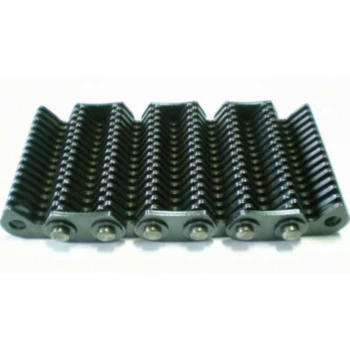
¿Cuáles son los síntomas de una cadena de transmisión desgastada?
Una cadena de transmisión desgastada puede afectar significativamente el rendimiento y la seguridad de una máquina o sistema. Es importante reconocer las señales de una cadena de transmisión desgastada para solucionar el problema rápidamente. Estas son algunas señales comunes a tener en cuenta:
- 1. Alargamiento de la cadena: El alargamiento excesivo de la cadena es un claro indicio de desgaste. Puede medir el alargamiento comparando la longitud actual de la cadena con su longitud original. Si la cadena se ha alargado más allá del límite recomendado por el fabricante, es señal de desgaste y requiere reemplazo.
- 2. Signos visibles de desgaste: Inspeccione la cadena de transmisión en busca de signos visibles de desgaste, como eslabones, rodillos o placas desgastados o deformados. Busque signos de corrosión, picaduras o decoloración, que indican el deterioro de la cadena.
- 3. Holgura de la cadena: Una holgura excesiva en la cadena, donde esta se ve visiblemente caída o con demasiado juego, es un indicador de desgaste. Una cadena con la tensión adecuada debe tener una holgura mínima, mientras que una holgura excesiva sugiere que se ha alargado y que necesita ser reemplazada.
- 4. Ruido y vibración: Una cadena de transmisión desgastada suele producir mayor ruido y vibración durante el funcionamiento. Si nota ruidos extraños como traqueteos, golpes o rechinidos, o si siente vibraciones excesivas, podría ser señal de que la cadena está desgastada.
- 5. Transmisión de potencia deficiente: Una cadena desgastada puede tener dificultades para transmitir la potencia de manera eficiente, lo que resulta en un menor rendimiento y pérdida de potencia. Es posible que experimente una disminución en la aceleración, lentitud o dificultad para mantener una velocidad constante.
- 6. Cambio de marchas deficiente: En aplicaciones donde la cadena de transmisión está conectada a engranajes, una cadena desgastada puede causar dificultades en el cambio de marchas, lo que resulta en cambios de marcha bruscos o poco fiables.
- 7. Aumento de la tensión de la cadena: A medida que la cadena se desgasta, puede requerir ajustes frecuentes de tensión para mantener una alineación y un funcionamiento adecuados. Si necesita ajustar la tensión de la cadena con frecuencia, podría ser señal de desgaste.
Si observa alguno de estos síntomas, se recomienda sustituir la cadena de transmisión desgastada lo antes posible para evitar daños mayores y garantizar el funcionamiento seguro y eficiente de la maquinaria.


Editor por CX 2024-04-09