Descripción del Producto
| Número de modelo. | 06C/08A/10A/12A/16A/20A/24A/28A/32A/40A/06B/08B/10B/12B/16B/20B/24B/28B/32B/40B-1/2/3 Servicio pesado |
| Modelo de cadena | Cadenas de rodillos |
| Estructura (para la cadena) | Cadena de rodillos |
| Especificación | GB/T, estruendo, ANSI, ISO, BS, JIS. |
| Origen | HangZhou, ZheJiang |
| Color | Color sólido |
| Color de la cadena | Personalizado |
Nuestra empresa
Wolff Chain Co. es uno de los fabricantes de cadenas profesionales en China. Nos especializamos en la investigación, fabricación y comercialización de sistemas de transmisión por cadena de marcas reconocidas como DOVON y DECHO. Ofrecemos servicios OEM a numerosas empresas de renombre, como SUZUKI, XIHU (WEST LAKE) DIS., FAW, AGCO y JUMING.
Wolff fabrica principalmente cadenas de transmisión, cadenas transportadoras, cadenas de arrastre, cadenas silenciosas, cadenas de hojas, cadenas de rodillos, cadenas especiales y muchas otras series de cadenas. Nuestros técnicos han mejorado la calidad de las cadenas hasta alcanzar un nivel internacional. La selección de materiales de alta calidad, la potente y precisa tecnología de tratamiento térmico y los excelentes métodos de ensamblaje garantizan que las cadenas Wolff cumplan con los exigentes requisitos de maquinaria y vehículos.
Todos nuestros productos cumplen con los estándares internacionales ISO, DIN, ANSI, BS, JIS, etc. Wolff ha obtenido la certificación ISO 9001, la inspección de SGS y la inspección de BV. Las cadenas Wolff se utilizan ampliamente en diversas industrias, como la automotriz, la de motocicletas, la de montacargas, la de maquinaria para el procesamiento de madera, la de construcción, la de embalaje, la de alimentos, la de tabaco y la agrícola. Las cadenas Wolff son populares en los mercados de América, Sudamérica, Europa, Oriente Medio, el Sudeste Asiático y África.
Nuestro taller
Nuestra certificación
Bienvenidos a nuestra exposición.
Preguntas frecuentes
Q1. ¿Cuáles son sus condiciones de embalaje?
R: Generalmente, empacamos nuestros productos en cajas de un solo color. Si tiene alguna solicitud especial sobre el embalaje, por favor, consúltenos con anticipación; podemos empacar los productos según sus indicaciones.
P2. ¿Cuáles son sus condiciones de pago?
A: T/T 30% como depósito y 70% antes de la entrega. Le mostraremos las fotos de los productos y los paquetes.
Antes de pagar el saldo. Para otras condiciones de pago, por favor negocie con nosotros con antelación; podemos hablarlo.
P3. ¿Cuáles son sus condiciones de entrega?
A: EXW, FOB, CFR, CIF.
P4. ¿Cuál es su plazo de entrega?
R: Generalmente, tardará entre 25 y 30 días después de recibir su pago por adelantado. El tiempo de entrega específico depende
en los artículos y la cantidad de su pedido.
P5. ¿Pueden fabricar según las muestras?
R: Sí, podemos fabricar según sus muestras o planos técnicos. Podemos construir los moldes y las herramientas.
P6. ¿Cuál es su política de muestras?
R: Podemos suministrar la muestra si tenemos piezas disponibles en stock, pero los clientes deben pagar el costo de la muestra y
el costo del envío. Aceptamos pedidos de muestra.
P7. ¿Prueban todos sus productos antes de la entrega?
A: Sí, realizamos la prueba 100% antes de la entrega.
P8: ¿Cómo logran que nuestra relación comercial sea buena y duradera?
1. Mantenemos una buena calidad y precios competitivos para garantizar el beneficio de nuestros clientes;
2. Respetamos a cada cliente como a un amigo y sinceramente hacemos negocios y entablamos amistad con ellos,
No importa de dónde vengan.
| Estándar o no estándar: | Estándar |
|---|---|
| Solicitud: | Maquinaria textil, maquinaria para la confección, equipos de transporte, maquinaria de embalaje, maquinaria para la industria alimentaria, maquinaria naval, equipos de minería. |
| Tratamiento de superficie: | Florecimiento del petróleo |
| Estructura: | Cadena de rodillos |
| Material: | Acero carbono |
| Tipo: | Cadena de paso corto |
| Muestras: |
US$ 0/Pieza
1 unidad (pedido mínimo) | |
|---|
| Personalización: |
Disponible
| Solicitud personalizada |
|---|

¿Cómo afecta la elección del sistema de fijación de la cadena a la funcionalidad de una cadena de transmisión?
La elección del sistema de fijación de la cadena desempeña un papel fundamental en la funcionalidad y el rendimiento de una cadena de transmisión. A continuación, se ofrece una respuesta detallada a la pregunta:
1. Capacidad de carga: Los distintos accesorios de cadena están diseñados para soportar tipos y cantidades de carga específicos. La selección del accesorio adecuado es crucial para garantizar que la cadena de transmisión pueda transportar la carga prevista de forma segura y eficiente. El tipo de accesorio, como pasadores extendidos, tacos o listones, puede determinar la capacidad de la cadena para soportar cargas pesadas o irregulares.
2. Compatibilidad con la aplicación: La elección del accesorio de cadena debe ajustarse a los requisitos específicos de la aplicación. Diferentes industrias y aplicaciones pueden requerir accesorios especializados diseñados para abordar desafíos particulares o proporcionar funcionalidades específicas. Por ejemplo, los accesorios utilizados en sistemas de transporte pueden incluir rodillos, paletas o pinzas para facilitar la transferencia fluida del material.
3. Alineación y seguimiento: Ciertos accesorios de la cadena, como los rieles guía o los sistemas de rieles, ayudan a garantizar la correcta alineación y el seguimiento de la cadena de transmisión. Estos accesorios minimizan el riesgo de descarrilamiento o desalineación de la cadena, lo que puede ocasionar problemas operativos y una menor eficiencia.
4. Posicionamiento y orientación: Algunas aplicaciones requieren un posicionamiento u orientación precisos de objetos o componentes. Los accesorios de la cadena, como los pasadores o soportes de indexación, están diseñados para facilitar el posicionamiento o la rotación exactos de los objetos a lo largo de la cadena. Estos accesorios contribuyen al funcionamiento fiable y preciso de la cadena de transmisión.
5. Manipulación de materiales: En las aplicaciones de manipulación de materiales, se suelen utilizar cadenas para asegurar o sujetar objetos durante el transporte. Accesorios como ganchos, abrazaderas o soportes permiten fijar los objetos a la cadena de forma segura, evitando que se deslicen o se desplacen durante el movimiento. Esto garantiza operaciones de manipulación de materiales seguras y eficientes.
6. Funciones especializadas: Los accesorios de cadena pueden proporcionar funciones adicionales según los requisitos específicos de cada aplicación. Por ejemplo, se pueden integrar sensores, etiquetas RFID o depósitos de lubricación en el diseño de la cadena para permitir funciones de monitoreo, seguimiento o lubricación. Estos accesorios especializados mejoran la funcionalidad y el rendimiento general de la cadena de transmisión.
Es importante seleccionar el accesorio de cadena adecuado según las necesidades específicas de la aplicación, los requisitos de carga y la funcionalidad deseada. Consultar con expertos del sector o fabricantes de cadenas puede ayudar a determinar las opciones de accesorio más apropiadas para un rendimiento óptimo de la cadena de transmisión.
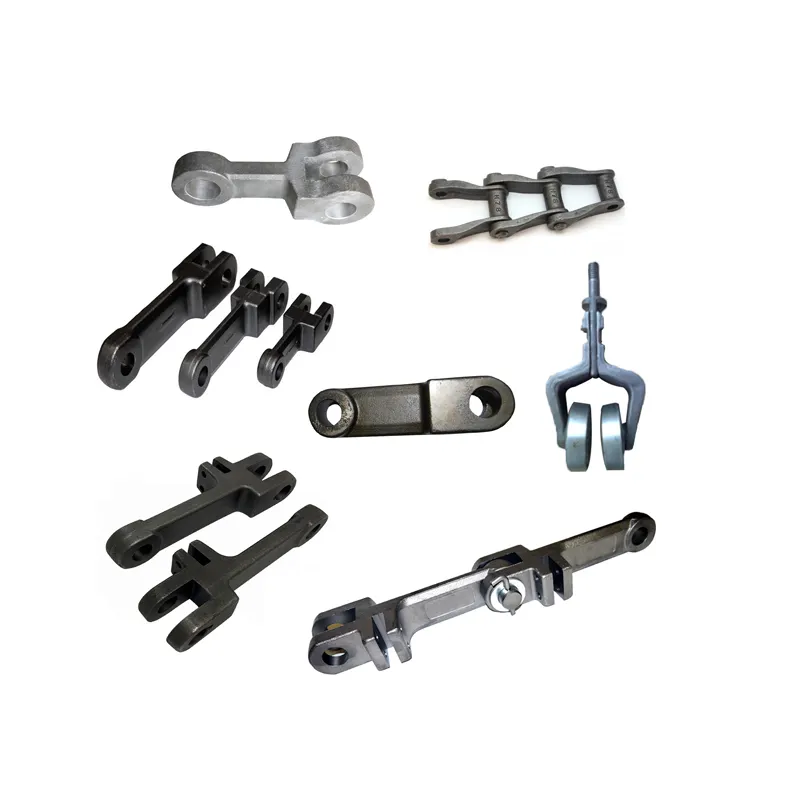
¿Cuáles son las ventajas de utilizar una cadena de transmisión de alta resistencia?
El uso de una cadena de transmisión de alta resistencia ofrece varias ventajas en diversas aplicaciones. Aquí encontrará una respuesta detallada a la pregunta:
1. Mayor capacidad de carga: Una cadena de transmisión de alta resistencia está diseñada para soportar cargas más elevadas y transmitir mayor potencia. Ofrece una mayor capacidad de carga, lo que la hace idónea para aplicaciones que requieren un funcionamiento intensivo.
2. Mayor durabilidad: Las cadenas de transmisión de alta resistencia se fabrican con materiales de alta calidad y procesos de fabricación avanzados. Esto se traduce en una durabilidad superior, mayor resistencia al desgaste y mejor resistencia a la fatiga. Garantiza que la cadena pueda soportar condiciones de funcionamiento exigentes y una vida útil prolongada.
3. Mayor seguridad: El uso de una cadena de transmisión de alta resistencia mejora la seguridad en aplicaciones con cargas elevadas o donde existe la posibilidad de fuerzas dinámicas repentinas. Reduce el riesgo de fallos, roturas o paradas inesperadas de la cadena, minimizando así las probabilidades de accidentes y garantizando un sistema de transmisión de potencia fiable y seguro.
4. Diseño compacto: Las cadenas de transmisión de alta resistencia ofrecen una mayor relación resistencia-tamaño, lo que permite un diseño más compacto y ligero en comparación con las cadenas estándar. Esto puede resultar ventajoso en aplicaciones con espacio limitado o restricciones de peso.
5. Mayor eficiencia: Las cadenas de transmisión de alta resistencia suelen tener menores pérdidas por fricción, lo que se traduce en una mayor eficiencia general del sistema. La reducción de la fricción garantiza una transferencia de potencia eficiente, minimiza el desperdicio de energía y contribuye al ahorro de costes.
6. Aplicación versátil: Las cadenas de transmisión de alta resistencia se pueden utilizar en una amplia gama de industrias y aplicaciones, incluyendo la automotriz, la manufacturera, la minera, la construcción y más. Su versatilidad las hace adecuadas para diversos sistemas de transmisión de potencia.
7. Opciones de personalización: Los fabricantes ofrecen una gama de cadenas de transmisión de alta resistencia con diferentes tamaños, pasos y configuraciones. Esto permite la personalización según los requisitos específicos de cada aplicación, garantizando un rendimiento y una fiabilidad óptimos.
Al considerar el uso de una cadena de transmisión de alta resistencia, es fundamental evaluar los requisitos de carga, las condiciones de operación y los factores ambientales de la aplicación. Consultar con un proveedor o ingeniero experto puede ayudar a seleccionar la cadena más adecuada para la aplicación prevista.

¿Cuáles son las industrias o aplicaciones comunes que utilizan cadenas de transmisión?
Las cadenas de transmisión se utilizan ampliamente en diversas industrias y aplicaciones donde se requiere una transferencia eficiente de potencia y movimiento. A continuación, se presentan algunas industrias y aplicaciones comunes que dependen de las cadenas de transmisión:
- Automoción: Las cadenas de transmisión se utilizan en los motores y sistemas de propulsión de los automóviles para transferir la potencia del motor a las ruedas.
- Agricultura: Las cadenas de transmisión se utilizan en maquinaria agrícola como tractores, cosechadoras y segadoras para la transmisión de potencia en diversas aplicaciones, como sistemas de transporte y equipos agrícolas.
- Fabricación industrial: Las cadenas de transmisión se encuentran en una amplia gama de maquinaria industrial, incluyendo cintas transportadoras, sistemas de manipulación de materiales, equipos de embalaje, imprentas y máquinas herramienta.
- Minería y construcción: Las cadenas de transmisión se utilizan en maquinaria pesada, como excavadoras, topadoras y equipos de minería, para transmitir potencia para excavar, levantar y realizar otras operaciones.
- Alimentos y bebidas: Las cadenas de transmisión se utilizan en equipos de procesamiento de alimentos, plantas embotelladoras y sistemas de transporte para mover los productos a lo largo de las líneas de producción.
- Textil: Las cadenas de transmisión se utilizan en la maquinaria de fabricación textil, como telares y máquinas de hilar, para la transmisión de potencia durante los procesos de tejido e hilado.
- Energía y servicios públicos: Las cadenas de transmisión se utilizan en centrales eléctricas, turbinas eólicas y otros sistemas de energía renovable para transmitir la energía desde la fuente hasta la red eléctrica.
- Manipulación de materiales: Las cadenas de transmisión se utilizan habitualmente en equipos de manipulación de materiales, como carretillas elevadoras, paletizadores y sistemas de almacenamiento automatizados, para transportar y manipular mercancías en almacenes y centros de distribución.
- Sector marítimo: Las cadenas de transmisión encuentran aplicaciones en embarcaciones marítimas, como sistemas de propulsión de buques, equipos de manejo de anclas y cabrestantes para la manipulación de carga.
Estos son solo algunos ejemplos; las cadenas de transmisión también se utilizan en diversas industrias y aplicaciones donde la transmisión de potencia confiable es esencial. El diseño y las características específicas de las cadenas de transmisión pueden variar según los requisitos de cada industria y aplicación.


Editor por CX 18/08/2023