Produktbeschreibung
Simplex Edelstahl 304 Rollenkette (08B-1, 24B-1)
Die am häufigsten verwendete Kette ist die Rollenkette, auch Antriebskette genannt. Sie ist der einfachste Kettenantrieb und dient hauptsächlich der Kraftübertragung. Erhältlich ist sie mit Teilungen von 3 mm bis 4 Zoll, wahlweise aus Baustahl oder Edelstahl.
| DIN/ISO Kettennummer |
Tonhöhe | Rolle Durchmesser |
Breite zwischen Innenplatten |
Stiftdurchmesser |
Stiftlänge |
Tiefe der Innenplatte |
Platte dick ness |
Ultimativ Zug Stärke |
Durchschnitt Zug Stärke |
Gewicht pro Meter |
|
| Mm | mm | mm | mm | mm | mm | mm | mm | kN/LB | kN | kg/m | |
| 04B-1 | 6.000 | 4.00 | 2.80 | 1.85 | 6.80 | 7.80 | 5.00 | 0.60 | 3.0/682 | 3.2 | 0.11 |
| 05B-1 | 8.000 | 5.00 | 3.00 | 2.31 | 8.20 | 8.90 | 7.10 | 0.80 | 5.0/1136 | 5.9 | 0.20 |
| *06B-1 | 9.525 | 6.35 | 5.72 | 3.28 | 13.15 | 14.10 | 8.20 | 1.30 | 9.0/2045 | 10.4 | 0.41 |
| 08B-1 | 12.700 | 8.51 | 7.75 | 4.45 | 16.70 | 18.20 | 11.80 | 1.60 | 18.0/4091 | 19.40 | 0.69 |
| 10B-1 | 15.875 | 10.16 | 9.65 | 5.09 | 19.50 | 20.90 | 14.70 | 1.70 | 22.4/5091 | 27.50 | 0.93 |
| 12B-1 | 19.050 | 12.07 | 11.68 | 5.72 | 22.50 | 24.2 | 16.00 | 1.85 | 29.0/6591 | 32.20 | 1.15 |
| 16B-1 | 25.400 | 15.88 | 17.02 | 8.28 | 36.10 | 37.4 | 21.00 | 4.15/3.1 | 60.0/13636 | 72.80 | 2.71 |
| 20B-1 | 31.750 | 19.05 | 19.56 | 10.19 | 41.30 | 45.0 | 26.40 | 4.5/3.5 | 95.0/21591 | 106.7 | 3.70 |
| 24B-1 | 38.100 | 25.40 | 25.40 | 14.63 | 53.40 | 57.80 | 33.20 | 6.0/4.8 | 160.0/36364 | 178.0 | 7.10 |
| 28B-1 | 44.450 | 27.94 | 30.99 | 15.90 | 65.10 | 69.50 | 36.70 | 7.5/6.0 | 200.0/45455 | 222.0 | 8.50 |
| 32B-1 | 50.800 | 29.21 | 30.99 | 17.81 | 66.00 | 71.0 | 42.00 | 7.0/6.0 | 250.0/56818 | 277.5 | 10.25 |
| 40B-1 | 63.50 | 39.37 | 38.10 | 22.89 | 82.20 | 89.2 | 52.96 | 8.5/8.0 | 355.0/80682 | 394.0 | 16.35 |
| 48B-1 | 76.20 | 48.26 | 45.72 | 29.24 | 99.10 | 107.0 | 63.80 | 12.0/10.0 | 560.0/127272 | 621.6 | 25.00 |
| 56B-1 | 88.90 | 53.98 | 53.34 | 34.32 | 114.60 | 123.0 | 77.80 | 13.5/12.0 | 850.0/193180 | 940.0 | 35.78 |
| *Buchsenkette: d1 in der Tabelle gibt den Außendurchmesser der Buchse an. |
|||||||||||
Wir besitzen hochentwickelte Ausrüstung und fortschrittliche Technologie, wie zum Beispiel:
1. CAD-Konstrukteur
2. Drahtschneidemaschine
3. Kettenlauf in der Maschine
4. Förderbandofen
5. Balldrift
6. Kugelgestrahlte Teile
7. Gestaltung der Taillenplatte
Firmendetails:
GOODLUCK TRANSMISSION ist einer der professionellen Exporteure mit Exporttätigkeit. Kraftübertragungsteile: Rollenketten, Förderketten, Edelstahlketten, Agrarketten, abnehmbare Stahlketten, Spezialketten, Kettenräder, Edelstahlkettenräder, HRC-Kupplungen, Riemenscheiben, Buchsen usw. Alle diese Produkte werden seit über 15 Jahren regelmäßig weltweit geliefert.
Für weitere Informationen kontaktieren Sie uns bitte.
/* 22. Januar 2571 19:08:37 */!function(){function s(e,r){var a,o={};try{e&&e.split(“,”).forEach(function(e,t){e&&(a=e.match(/(.*?):(.*)$/))&&1
| Verwendung: | Antriebskette |
|---|---|
| Material: | Edelstahl |
| Oberflächenbehandlung: | Polieren |
| Proben: |
US$ 100/Stück
1 Stück (Mindestbestellmenge) | Muster bestellen Bitte kontaktieren Sie die Verkäufer.
|
|---|
| Anpassung: |
Verfügbar
| Kundenspezifische Anfrage |
|---|
.shipping-cost-tm .tm-status-off{background: none;padding:0;color: #1470cc}
|
Versandkosten:
Geschätzte Frachtkosten pro Einheit. |
über Versandkosten und voraussichtliche Lieferzeit. |
|---|
| Zahlungsmethode: |
|
|---|---|
|
Erste Zahlung Vollständige Zahlung |
| Währung: | US$ |
|---|
| Rückgabe & Erstattung: | Sie können bis zu 30 Tage nach Erhalt der Produkte eine Rückerstattung beantragen. |
|---|
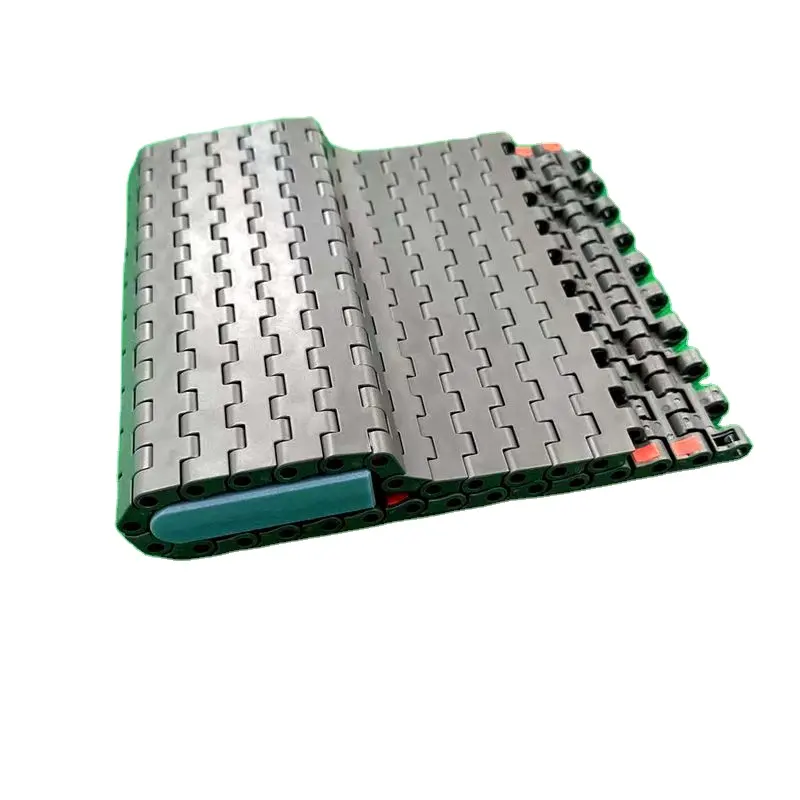
Welche Vorteile bietet die Verwendung eines modularen Antriebsstrangs?
Ein modularer Antriebsstrang bietet in verschiedenen Anwendungsbereichen zahlreiche Vorteile. Hier finden Sie eine detaillierte Antwort auf die Frage:
1. Flexibilität: Modulare Antriebsketten sind mit austauschbaren Komponenten ausgestattet und ermöglichen so eine einfache Anpassung und Flexibilität. Dank ihrer modularen Bauweise lassen sie sich schnell montieren und demontieren und eignen sich daher ideal für Anwendungen, die häufige Justierungen oder Modifikationen erfordern.
2. Einfache Wartung: Modulare Ketten verfügen häufig über austauschbare Bolzen oder Glieder, was Wartungsarbeiten wie Reinigung, Schmierung und Inspektion vereinfacht. Diese Eigenschaft reduziert Ausfallzeiten und erleichtert die routinemäßige Wartung, was zu einer verbesserten Gesamtanlageneffizienz beiträgt.
3. Erhöhte Flexibilität: Dank modularer Ketten lassen sich Kettenglieder hinzufügen oder entfernen, die Kettenlänge anpassen oder einzelne Abschnitte austauschen, ohne die gesamte Kette ersetzen zu müssen. Diese Flexibilität ermöglicht es Konstrukteuren und Betreibern, auf sich ändernde Anforderungen einzugehen, die Leistung zu optimieren und Kosten zu senken.
4. Reduzierter Lagerbestand: Durch den Einsatz modularer Ketten lässt sich der Bedarf an Lagerhaltung verschiedener Kettengrößen und -typen minimieren. Da modulare Ketten Flexibilität und Einstellbarkeit bieten, genügt oft ein kleinerer Lagerbestand an Kettenkomponenten, um unterschiedliche Anwendungsanforderungen zu erfüllen.
5. Kosteneffizienz: Modulare Antriebsketten ermöglichen Kosteneinsparungen bei Wartung, Lagerhaltung und Geräteanpassung. Durch die Minimierung von Ausfallzeiten, die Vereinfachung von Wartungsarbeiten und den geringeren Bedarf an Ersatzteilen tragen modulare Ketten zur Gesamtkosteneffizienz bei.
6. Verbesserte Zuverlässigkeit: Modulare Ketten sind so konstruiert, dass sie zuverlässige Leistung erbringen und anspruchsvollen Betriebsbedingungen standhalten. Die präzise Konstruktion und die hochwertigen Materialien modularer Ketten erhöhen ihre Beständigkeit gegen Verschleiß, Ermüdung und Stoßbelastungen, was zu einer verbesserten Zuverlässigkeit und längeren Lebensdauer der Anlagen führt.
7. Anpassungsmöglichkeiten: Hersteller bieten häufig eine Reihe modularer Kettenzubehörteile an, darunter Anbauteile, Führungen und Spezialkomponenten, die eine weitere Anpassung an spezifische Anwendungsanforderungen ermöglichen. Dies erlaubt es Gerätekonstrukteuren, Leistung und Funktionalität zu optimieren.
Zusammenfassend bieten modulare Antriebsketten Vorteile wie Flexibilität, einfache Wartung, hohe Vielseitigkeit, geringeren Lagerbedarf, Kosteneffizienz, verbesserte Zuverlässigkeit und individuelle Anpassungsmöglichkeiten. Diese Vorteile machen modulare Ketten in vielen Branchen und Anwendungen, in denen Anpassungsfähigkeit, Effizienz und Leistung entscheidend sind, zur bevorzugten Wahl.
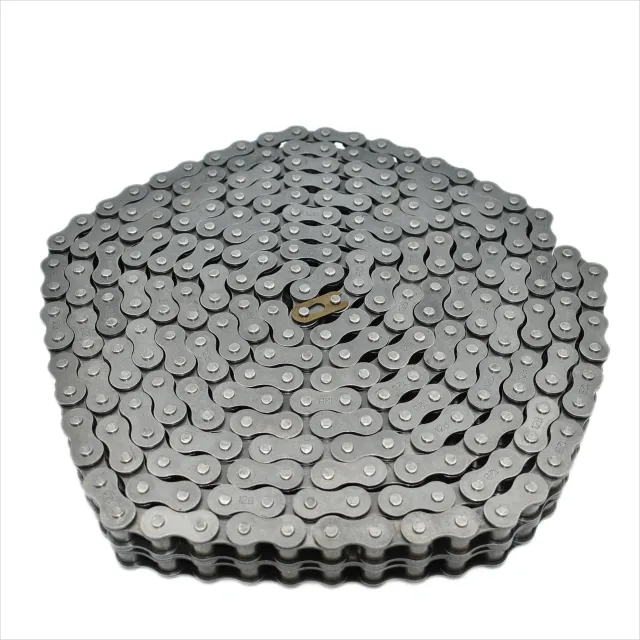
Können Antriebsketten in Landmaschinen eingesetzt werden?
Ja, Antriebsketten werden häufig in verschiedenen Arten von Landmaschinen eingesetzt. Hier ist eine ausführliche Antwort auf die Frage:
Landmaschinen benötigen häufig eine zuverlässige und effiziente Kraftübertragung, um Aufgaben wie Ernten, Säen, Pflügen und Transportieren durchzuführen. Antriebsketten bieten mehrere Vorteile, die sie für landwirtschaftliche Anwendungen geeignet machen:
1. Hohe Festigkeit und Belastbarkeit: Landmaschinen arbeiten oft unter anspruchsvollen Bedingungen und müssen schwere Lasten bewältigen. Antriebsketten sind auf hohe Zugfestigkeit und Belastbarkeit ausgelegt, um den hohen Anforderungen landwirtschaftlicher Arbeiten gerecht zu werden.
2. Vielseitigkeit: Antriebsketten können in verschiedenen Landmaschinen eingesetzt werden, darunter Traktoren, Mähdrescher, Ballenpressen, Erntemaschinen und Feldspritzen. Sie sind anpassungsfähig an ein breites Spektrum an Kraftübertragungsanforderungen, einschließlich der Übertragung von Drehmoment, Drehzahl und Bewegung.
3. Langlebigkeit: Landwirtschaftliche Umgebungen können rau sein, mit der Einwirkung von Schmutz, Ablagerungen, Feuchtigkeit und wechselnden Witterungsbedingungen. Antriebsketten sind so konstruiert, dass sie solchen Bedingungen standhalten, und ihre robuste Bauweise und die verwendeten Materialien gewährleisten eine lange Lebensdauer in Landmaschinen.
4. Einfache Wartung: Landwirtschaftliche Arbeiten finden oft an abgelegenen Standorten und mit langen Arbeitszeiten statt. Antriebsketten sind relativ einfach zu inspizieren, zu schmieren und zu warten, was effiziente Wartungspläne direkt im Feld ermöglicht.
5. Kostengünstig: Im Vergleich zu anderen Kraftübertragungsoptionen bieten Antriebsketten eine kostengünstige Lösung für Landmaschinen. Sie gewährleisten eine zuverlässige Kraftübertragung, haben bei ordnungsgemäßer Wartung eine lange Lebensdauer und sind zu wettbewerbsfähigen Preisen erhältlich.
Bei der Verwendung von Antriebsketten in Landmaschinen ist es unerlässlich, den passenden Kettentyp und die richtige Kettengröße entsprechend den spezifischen Anforderungen der Maschine auszuwählen. Faktoren wie Tragfähigkeit, Drehzahl, Einsatzumgebung und Wartungsaufwand müssen berücksichtigt werden, um optimale Leistung und Langlebigkeit der Antriebskette zu gewährleisten.
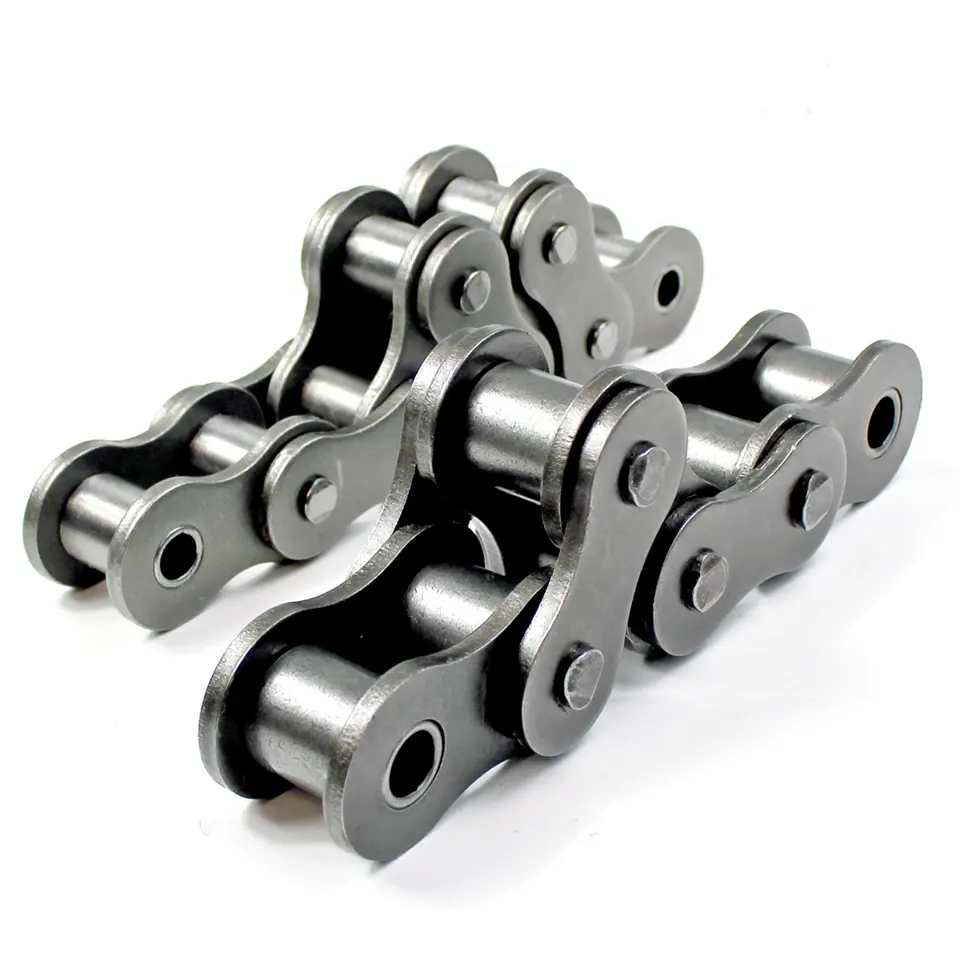
Welche Vorteile bietet die Verwendung einer selbstschmierenden Antriebskette?
Eine selbstschmierende Antriebskette, auch wartungsfreie Kette genannt, bietet in verschiedenen Anwendungsbereichen zahlreiche Vorteile. Hier die wichtigsten:
- Geringerer Wartungsaufwand: Selbstschmierende Ketten machen die regelmäßige manuelle Schmierung überflüssig und reduzieren so Wartungszeit und -kosten. Sie sind mit integrierten Schmiersystemen ausgestattet, die bedarfsgerecht Schmierstoff kontinuierlich abgeben und so eine optimale Kettenleistung gewährleisten.
- Längere Kettenlebensdauer: Die gleichmäßige und kontrollierte Schmierung durch selbstschmierende Ketten reduziert Reibung, Verschleiß und Korrosion und verlängert so die Lebensdauer der Kette. Dies führt zu höherer Zuverlässigkeit und geringeren Ausfallzeiten.
- Verbesserte Effizienz: Selbstschmierende Ketten behalten ihre Schmierung über einen längeren Zeitraum bei und fördern so eine reibungslose und effiziente Kraftübertragung. Dies trägt dazu bei, Leistungsverluste zu minimieren und die Gesamteffizienz des Systems zu maximieren.
- Sauberere Umwelt: Da selbstschmierende Ketten Schmierstoff nur bei Bedarf abgeben, ist die Gefahr einer Ansammlung von überschüssigem Schmierstoff und einer damit verbundenen Kontamination der Umgebung geringer. Dadurch eignen sie sich für Anwendungen, bei denen Reinheit von entscheidender Bedeutung ist, wie beispielsweise in der Lebensmittelverarbeitung, der pharmazeutischen Industrie und in Reinräumen.
- Gleichbleibende Leistung: Die Selbstschmierfunktion gewährleistet eine konstante und zuverlässige Schmierung der kritischen Kettenbereiche, selbst unter anspruchsvollen Betriebsbedingungen. Dies trägt zu einer gleichbleibenden Leistung bei und reduziert das Risiko vorzeitigen Kettenverschleißes.
- Vielseitige Anwendungsmöglichkeiten: Selbstschmierende Ketten sind in verschiedenen Größen und Ausführungen erhältlich und eignen sich daher für ein breites Anwendungsspektrum. Sie können in Branchen wie der Automobilindustrie, der Verpackungsindustrie, der Fördertechnik und der Automatisierung eingesetzt werden.
Mit der Wahl einer selbstschmierenden Antriebskette profitieren Sie von geringerem Wartungsaufwand, längerer Lebensdauer der Kette, verbesserter Effizienz, einer saubereren Umwelt, gleichbleibender Leistung und vielseitigen Einsatzmöglichkeiten.


Bearbeitet von CX am 04.04.2024