Produktbeschreibung
Detaillierte Fotos
Produktbeschreibung
| MODELL | UH-5075-S | UH-5075-HH | UH-5075-HV | UH-5075-HA |
| ARTIKEL | Standardkette | Hochleistungskette | Hochleistungskette | Hochleistungskette |
| Aufhängungsabstand | 150+(150× N) | 150+(150× N) | 150+(150 × N) | 150+(150 × N) |
| (mm) | ||||
| Gewicht der Kette | 4.2 | 4.58 | 4.83 | 5.3 |
| (kg/m) | ||||
| Einzelspanngewicht | 35 | 40 | 45 | 50 |
| (≤kg) | ||||
| Ketten erlaubt | 3000 | 3000 | 3000 | 3000 |
| Zugkraft (≤kgf) | ||||
| Kettenkatastrophe | 5500 | 5500 | 5500 | 5500 |
| Zugkraft (≥kgf) | ||||
| Betriebstemperatur | 300 | 300 | 400 | |
| (≤°C) | 250 | |||
| Geeignete Ausrüstung | Allgemeine Bedingungen | Starke Biegung; | Hohe Temperatur; | Hohe Temperatur; |
| Hohe Temperatur; | Schweres Werkstück; | Schweres Werkstück; | ||
| Wird häufig gehoben; | Komplizierte Route; | |||
| Material | 16# Mittelkohlenstoffstahl, Stahl A3 | |||
| Hinweis: Die oben genannten technischen Daten beziehen sich auf unsere Standard-Hängeförderer der Typen UH-5S, UH-5HH und VH-5HA. Wir können die Produkte auch kundenspezifisch konstruieren und fertigen. | ||||
Zu den Komponenten des Hängeförderers gehören unter anderem geschmiedete, nietenlose Ketten, geschmiedete Hängeförderwagen, Antriebsketten, Förderwagenbefestigungen, Seitenschieber, Umlenkrollen, geschlossene Ketten, Freilaufförderwagen usw.
Wir können auch andere Förder- und Getriebeteile liefern, die auf die spezifischen Bedürfnisse unserer Kunden zugeschnitten sind, darunter Förderketten, Edelstahlketten, Gussketten, geschmiedete Schaberketten, geschmiedete Schlaufenketten, biplanare Förderketten, Kettenräder, Lager, geschmiedete Zahnräder, Spezialwellen, Außenrollenbaugruppen, Förderrollen, spezielle Messingteile und so weiter.
Die gängigsten Größen sind P101.6 Kette, P101.6H Kette, P142 Kette, P142H Kette, P200 Kette, P260 Kette usw.
Unsere geschmiedeten, nietenlosen Ketten sind äußerst wettbewerbsfähig und von hoher Qualität. Wir bieten eine große Auswahl an Modellen. Kontaktieren Sie uns gerne.
Häufig gestellte Fragen
Frage 1: Sind Sie ein Handelsunternehmen oder ein Hersteller?
A: Wir sind eine Fabrik.
Frage 2: Wie lange ist Ihre Lieferzeit?
1. Lieferzeiten für Muster: in der Regel 30 Werktage.
2. Produktionsvorlaufzeit: 60 Werktage nach Eingang Ihrer Anzahlung.
Frage 3: Wie lauten Ihre Zahlungsbedingungen?
A: T/T 30% als Anzahlung und 70% vor Lieferung.
Wir zeigen Ihnen die Fotos der Produkte und Verpackungen, bevor Sie den Restbetrag bezahlen.
Frage 4: Was sind Ihre Vorteile?
1. Hersteller, wettbewerbsfähigster Preis und gute Qualität.
2. Perfekte technische Ingenieure bieten Ihnen die beste Unterstützung.
3. OEM ist verfügbar.
4. Großer Lagerbestand und schnelle Lieferung.
Frage 5: Was tun Sie, wenn Sie das Produkt nicht auf unserer Website finden können?
Bitte senden Sie uns Ihre Anfrage mit Produktbildern und Zeichnungen per E-Mail oder auf anderem Wege, wir werden sie prüfen.
/* 22. Januar 2571 19:08:37 */!function(){function s(e,r){var a,o={};try{e&&e.split(“,”).forEach(function(e,t){e&&(a=e.match(/(.*?):(.*)$/))&&1
| Material: | Legierung |
|---|---|
| Struktur: | Rollenkette |
| Oberflächenbehandlung: | Polieren |
| Kettengröße: | 1/2" * 3/32" |
| Besonderheit: | Feuerbeständig, ölbeständig, hitzebeständig |
| Produktname: | Hängeförderketten |
| Anpassung: |
Verfügbar
| Kundenspezifische Anfrage |
|---|
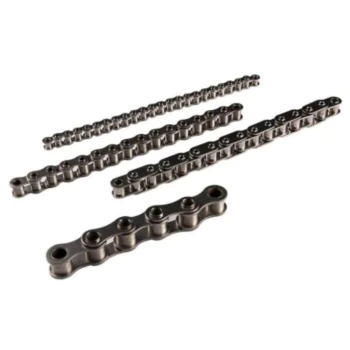
Kann eine Antriebskette in einer Anwendung für erneuerbare Energien oder Solarenergie eingesetzt werden?
Ja, Antriebsketten können in bestimmten Anwendungen im Bereich erneuerbarer Energien oder Solarenergie eingesetzt werden, wo eine zuverlässige und effiziente Kraftübertragung erforderlich ist. Hier ist eine detaillierte Erklärung:
In Systemen für erneuerbare Energien und Solarenergie müssen verschiedene Komponenten präzise gesteuert und ausgerichtet werden, um Energie effizient zu gewinnen und zu übertragen. Antriebsketten bieten in diesen Anwendungen mehrere Vorteile:
- Präzisionskraftübertragung: Antriebsketten gewährleisten eine präzise und zuverlässige Kraftübertragung und somit die exakte Bewegung und Synchronisierung der Komponenten in Systemen für erneuerbare Energien. Sie können zur Übertragung von Energie von der Quelle, beispielsweise Solarmodulen oder Windkraftanlagen, zu Generatoren, Umrichtern oder anderen Geräten der Energieumwandlung und -verteilung eingesetzt werden.
- Anpassungsfähigkeit an variable Lasten: Systeme zur Nutzung erneuerbarer Energien sind häufig schwankenden Lasten und Betriebsbedingungen ausgesetzt. Antriebsketten können diese Veränderungen ausgleichen und sich an den variierenden Leistungsbedarf anpassen, wodurch eine effiziente Energieübertragung und -verteilung ermöglicht wird. Sie bieten Flexibilität im Umgang mit unterschiedlichen Lastprofilen und -schwankungen und gewährleisten so optimale Leistung und Energieumwandlung.
- Robustheit und Langlebigkeit: Antriebsketten sind für ihre Robustheit und Langlebigkeit bekannt und eignen sich daher ideal für Anwendungen im Bereich erneuerbarer Energien, die mitunter anspruchsvolle Betriebsbedingungen mit sich bringen, wie beispielsweise im Freien oder an abgelegenen Standorten. Sie widerstehen Umwelteinflüssen, Temperaturschwankungen und dem Kontakt mit Staub, Feuchtigkeit oder korrosiven Substanzen und gewährleisten so einen zuverlässigen Betrieb und eine lange Lebensdauer.
- Effiziente Energieumwandlung: Antriebsketten tragen zu einer effizienten Energieumwandlung und -übertragung in Systemen für erneuerbare Energien bei. Durch ihren hohen Wirkungsgrad minimieren sie Energieverluste und ermöglichen so eine maximale Nutzung der erzeugten Energie. Dies führt zu einer optimierten Energieumwandlung und einer gesteigerten Gesamtsystemeffizienz.
- Vielseitigkeit im Systemdesign: Antriebsketten bieten Flexibilität bei Systemdesign und -konfiguration und ermöglichen die präzise Ausrichtung und Verbindung von Komponenten in Systemen für erneuerbare Energien. Sie lassen sich in verschiedene Maschinen und Anlagen integrieren, beispielsweise in Solarnachführungssysteme, Windkraftanlagen oder Wasserkraftgeneratoren, und ermöglichen so maßgeschneiderte Lösungen für unterschiedliche Anwendungen im Bereich erneuerbarer Energien.
- Wartung und Instandhaltung: Antriebsketten sind im Vergleich zu manchen alternativen Kraftübertragungssystemen relativ wartungsfreundlich. Regelmäßige Inspektion, Schmierung und Spannungsanpassung gewährleisten optimale Leistung und verlängern die Lebensdauer der Kette in Anwendungen mit erneuerbaren Energien. Dies trägt zu reduzierten Ausfallzeiten und erhöhter Systemverfügbarkeit bei.
Bei der Auswahl eines Antriebsstrangs ist es wichtig, die spezifischen Anforderungen und Einschränkungen der jeweiligen Anwendung im Bereich erneuerbarer Energien oder Solarenergie zu berücksichtigen. Faktoren wie Belastbarkeit, Drehzahlbereich, Umgebungsbedingungen und Wartungsaufwand sollten in die Überlegungen einbezogen werden.
Durch den Einsatz von Antriebsketten in Anwendungen für erneuerbare Energien und Solarenergie profitieren die Betreiber von präziser Kraftübertragung, Anpassungsfähigkeit an variable Lasten, Robustheit, effizienter Leistungsumwandlung, vielseitigem Systemdesign und einfacher Wartung, was zu einer zuverlässigen und effizienten Nutzung erneuerbarer Energiequellen beiträgt.
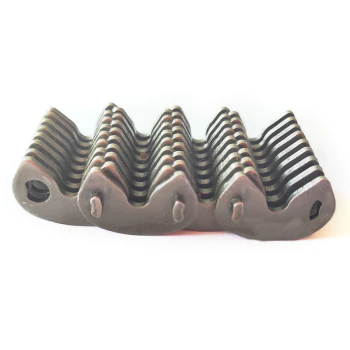
Welche konkreten Richtlinien gelten für den Einbau einer Antriebskette?
Die korrekte Montage einer Antriebskette ist entscheidend für ihre optimale Leistung und Langlebigkeit. Hier finden Sie die spezifischen Richtlinien für die Montage einer Antriebskette:
- Prüfen Sie die neue Antriebskette vor dem Einbau. Achten Sie auf Beschädigungen oder Mängel. Stellen Sie sicher, dass die Kette den Spezifikationen und Anforderungen der Anwendung entspricht.
- Stellen Sie sicher, dass die Kettenräder in gutem Zustand und korrekt ausgerichtet sind. Prüfen Sie sie auf abgenutzte Zähne, Beschädigungen oder Fehlausrichtung. Ersetzen oder reparieren Sie defekte Kettenräder, bevor Sie die neue Kette montieren.
- Reinigen Sie die Ritzel und den Kettenlauf gründlich. Entfernen Sie jeglichen Schmutz, Ablagerungen oder altes Schmiermittel, die die Funktion der neuen Kette beeinträchtigen könnten.
- Messen Sie die neue Kette ab und schneiden Sie sie auf die benötigte Länge zu. Verwenden Sie einen Kettennieter oder ein geeignetes Schneidwerkzeug, um einen sauberen und präzisen Schnitt zu gewährleisten.
- Installieren Sie das Hauptglied bzw. Verbindungsglied gemäß den Anweisungen des Herstellers. Stellen Sie sicher, dass es fest sitzt und korrekt angebracht ist.
- Legen Sie die neue Kette auf die Kettenräder. Achten Sie darauf, dass die Kette gleichmäßig und reibungslos in die Zähne der Kettenräder eingreift.
- Prüfen Sie die Kettenspannung. Beachten Sie die Herstellerangaben zur empfohlenen Spannung. Passen Sie die Spannung gegebenenfalls durch Verändern der Hinterradposition oder mithilfe eines Kettenspanners (falls vorhanden) an.
- Schmieren Sie die Kette mit einem geeigneten Schmiermittel. Verteilen Sie das Schmiermittel gleichmäßig über die gesamte Kettenlänge. Vermeiden Sie zu viel Schmiermittel, da dies Schmutz und Ablagerungen anziehen kann.
- Drehen Sie das Rad oder starten Sie den Motor, um sicherzustellen, dass sich die Kette reibungslos und frei bewegt, ohne zu klemmen oder übermäßige Geräusche zu verursachen.
- Führen Sie eine abschließende Kontrolle durch, um sicherzustellen, dass die Kette korrekt montiert, ausgerichtet und gespannt ist. Achten Sie auf ungewöhnliche Geräusche, Vibrationen oder Anzeichen von Kettenschlupf.
Die Einhaltung dieser spezifischen Richtlinien für die Installation einer Antriebskette trägt dazu bei, die ordnungsgemäße Funktionalität, Langlebigkeit und optimale Leistung der Kette im vorgesehenen Einsatz sicherzustellen.
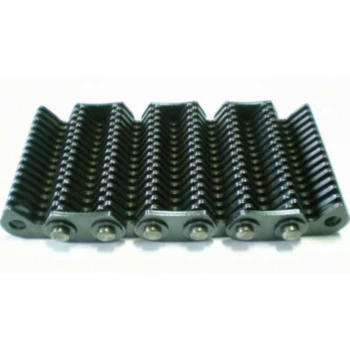
Woran erkennt man eine verschlissene Antriebskette?
Eine verschlissene Antriebskette kann die Leistung und Sicherheit einer Maschine oder Anlage erheblich beeinträchtigen. Es ist wichtig, die Anzeichen einer verschlissenen Antriebskette zu erkennen, um das Problem umgehend zu beheben. Hier sind einige häufige Anzeichen, auf die Sie achten sollten:
- 1. Kettenverlängerung: Eine übermäßige Kettenlängung ist ein deutliches Anzeichen für Verschleiß. Sie können die Kettenlängung messen, indem Sie die aktuelle Kettenlänge mit ihrer ursprünglichen Länge vergleichen. Hat sich die Kette über die vom Hersteller empfohlene Grenze hinaus gedehnt, ist dies ein Zeichen von Verschleiß und erfordert einen Austausch.
- 2. Sichtbare Gebrauchsspuren: Prüfen Sie die Antriebskette auf sichtbare Verschleißerscheinungen wie abgenutzte oder verformte Kettenglieder, Rollen oder Laschen. Achten Sie auf Anzeichen von Korrosion, Lochfraß oder Verfärbungen, die auf den Verschleiß der Kette hinweisen.
- 3. Kettenspiel: Übermäßiges Kettenspiel, bei dem die Kette sichtbar durchhängt oder zu viel Spiel hat, ist ein Anzeichen für Verschleiß. Eine korrekt gespannte Kette sollte nur minimales Spiel aufweisen; übermäßiges Spiel deutet auf eine Längung und die Notwendigkeit eines Austauschs hin.
- 4. Lärm und Vibrationen: Eine verschlissene Antriebskette verursacht im Betrieb oft verstärkte Geräusche und Vibrationen. Ungewöhnliche Klapper-, Rassel- oder Schleifgeräusche sowie übermäßige Vibrationen können Anzeichen für eine verschlissene Kette sein.
- 5. Schlechte Stromübertragung: Eine verschlissene Kette kann die Kraftübertragung nicht mehr effizient gestalten, was zu Leistungsverlust und Kraftverlust führt. Sie können eine verminderte Beschleunigung, ein träges Fahrverhalten oder Schwierigkeiten beim Halten einer gleichmäßigen Geschwindigkeit bemerken.
- 6. Schlechte Gangschaltung: Bei Anwendungen, bei denen die Antriebskette mit Zahnrädern verbunden ist, kann eine verschlissene Kette Schwierigkeiten beim Schalten verursachen, was zu ruckartigen oder unzuverlässigen Gangwechseln führt.
- 7. Erhöhte Kettenspannung: Mit zunehmendem Verschleiß der Kette kann es erforderlich sein, die Kettenspannung häufig anzupassen, um die korrekte Ausrichtung und Funktion zu gewährleisten. Wenn Sie die Kettenspannung häufig nachjustieren müssen, kann dies ein Anzeichen für Verschleiß sein.
Wenn Sie eines dieser Anzeichen bemerken, empfiehlt es sich, die verschlissene Antriebskette umgehend auszutauschen, um weitere Schäden zu vermeiden und den sicheren und effizienten Betrieb der Maschine zu gewährleisten.


Bearbeitet von CX am 06.05.2024